Have you ever wondered which insole is best for your feet? Choosing the right insole can be tricky, but it’s important for comfort and support. Think about it: how many times have you felt discomfort after a long day of standing?
In this article, we’ll dive into an insole comparison. We will explore different types and their step-by-step usage. You might be surprised to learn how small changes in your insoles can change your day. Good insoles can even help improve your posture!
Did you know that the average person walks about 7,500 steps a day? That’s a lot for your feet! With the right insole, you can make each step more comfortable. So, let’s get started and find the perfect fit for your soles!

Insole Comparison: Step-By-Step Usage Guide For Comfort
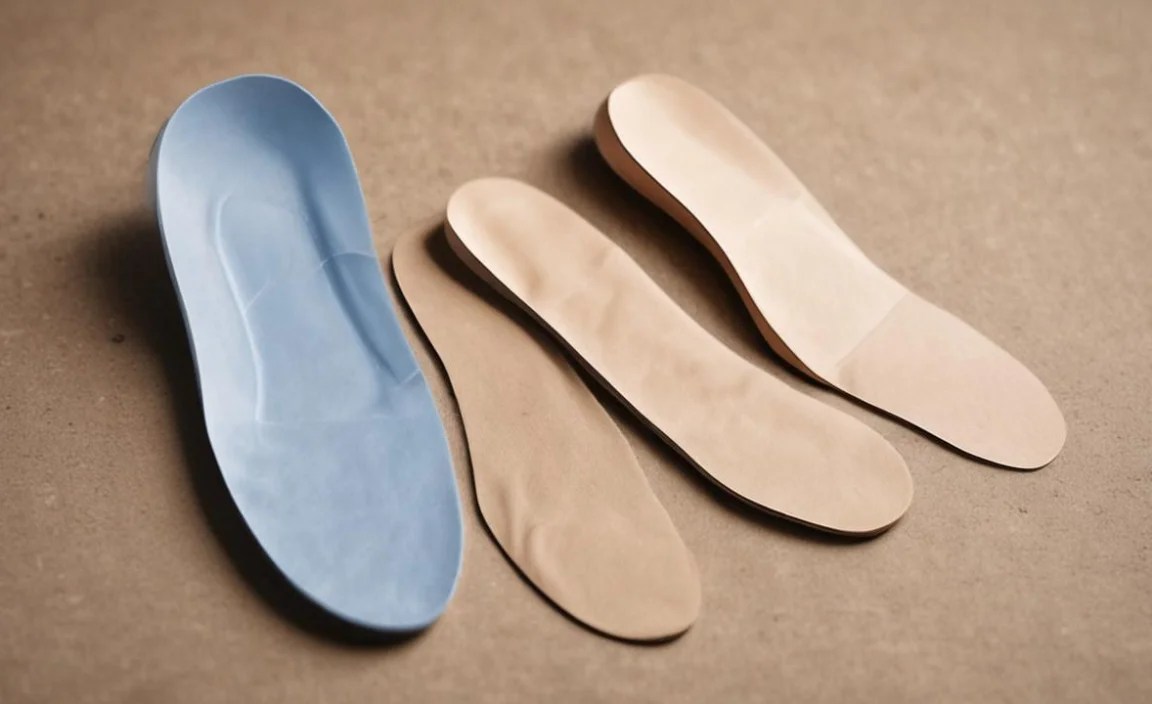
Choosing the right insole can change how you feel on your feet. Comparing different types helps you find the best fit. Start by checking the insole’s material. Does it offer support? Then, consider its thickness. Is it comfy or too flat? Next, see how it fits in your shoes. Does it feel snug without crowding your toes? Lastly, test it during daily activities. You may be surprised at how much better you’ll feel. Making the right choice can truly step up your comfort!
Understanding Insoles: What They Are and Their Benefits

Definition of insoles and their types. Health benefits of using the right insoles.
Insoles are special pads placed inside shoes to make them more comfortable. They come in different types, including cushioning, arch support, and orthotic insoles. The right insoles can help with foot pain and improve posture. They may even make walking and running easier.
- Provide better support
- Reduce stress on feet and joints
- Enhance overall comfort
Using the correct insoles can lead to happier feet. Happy feet mean more fun activities!
Why should you use insoles?
Using insoles can help improve foot health. They make walking easier and reduce discomfort.
Factors to Consider When Comparing Insoles
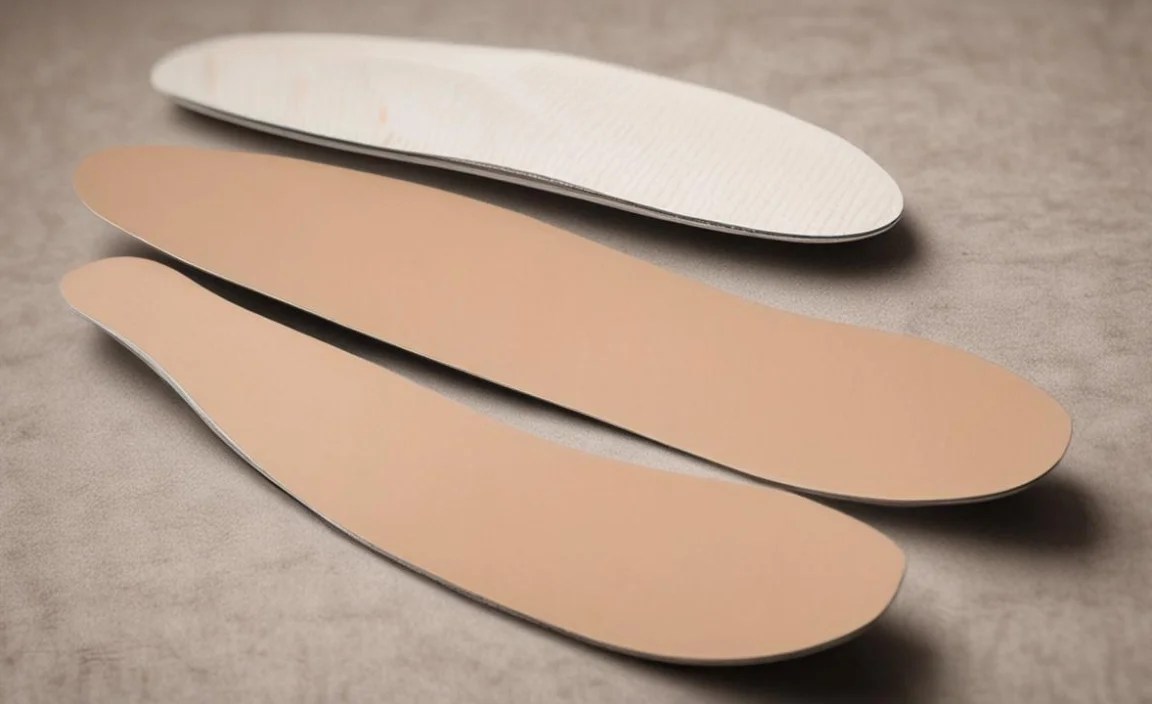
Material types and their impact on comfort and durability. Arch support levels and their importance in selection.
Choosing the right insoles can feel like dating; comfort matters, and support is key! Materials like foam and gel can make your feet cheer or weep. Foam often wins for comfort, while gel offers great durability. Arch support levels are like Goldilocks: too low and you’ll feel flat, too high and it might hurt! Aim for the one that feels just right for your feet.
| Material Type | Comfort Level | Durability |
|---|---|---|
| Foam | High | Medium |
| Gel | Medium | High |
| Plastic | Low | Very High |
Remember, the right arch support can keep you dancing all day, or make you feel like you’ve been walking on Legos. So, choose wisely!
Step-by-Step Guide to Measuring Your Foot for Insoles

Tools needed for accurate measurement. Detailed process for measuring foot length and arch height.
Measuring your foot for insoles? Don’t worry, it’s as easy as pie! First, grab these tools: a ruler, a piece of paper, and a pen. Place your foot on the paper and trace around it. Now let’s measure! Use the ruler to find your foot length from the tip of your longest toe to the back of your heel. For arch height, use a string from your heel to the highest point of your arch and measure it. Simple, right? And look, no foot monsters were harmed in this process!
| Measurement Tool | Purpose |
|---|---|
| Ruler | Measure foot length and arch height |
| Paper | Trace your foot shape |
| Pen | Mark the foot outline |
How to Choose the Right Insole for Your Foot Type

Recommendations based on flat, higharched, and neutral feet. Importance of addressing specific foot conditions (e.g., plantar fasciitis).
Choosing the right insole can feel like a big adventure. First, know your foot type! If you have flat feet, look for insoles with extra arch support. They help keep your feet happy while you walk. For high-arched feet, consider softer insoles that cushion and balance your steps. Nervous about plantar fasciitis? Select insoles that offer firm support. Trust me, your soles will thank you later!
| Foot Type | Recommended Insoles |
|---|---|
| Flat Feet | Arch support insoles |
| High-Arched Feet | Cushioned insoles |
| Neutral Feet | Balanced insoles |
| Plantar Fasciitis | Firm support insoles |
Step-by-Step Usage Guide for Optimal Insole Performance
Instructions for inserting insoles into different types of footwear. Tips for breaking in new insoles for maximum comfort.
Follow these steps to insert insoles and make them comfy. First, take out the old insole from your shoe. Next, slide in the new insole, ensuring it fits snugly. For better comfort, wear them for short periods at first. This helps your feet get used to them.
Here are some tips for breaking in your new insoles:
- Wear them for just an hour the first day.
- Gradually increase the time each day.
- Pair them with thick socks if needed.
- Listen to your feet; stop if they hurt.
With these tips, your insoles will feel great in no time!
How do I insert insoles correctly?
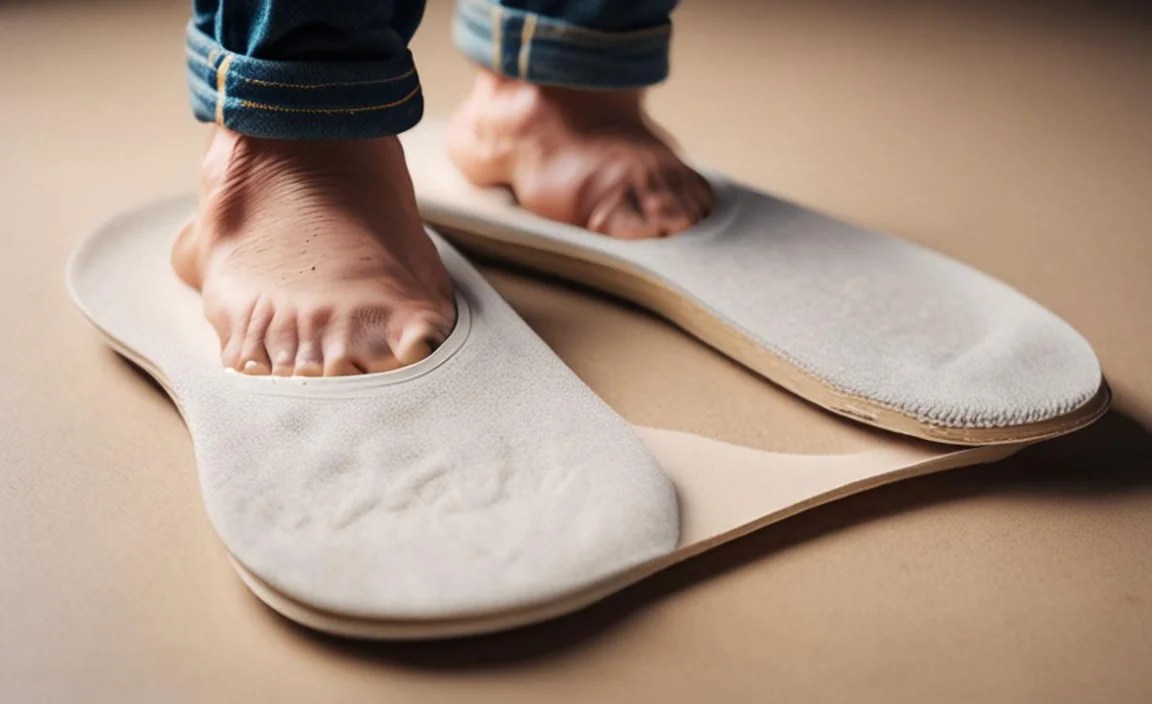
To insert insoles correctly, remove the old ones, then slide the new ones in snugly. Make sure they fit properly.
Maintaining and Caring for Your Insoles

Cleaning methods for different materials. Signs that indicate it’s time to replace your insoles.
To keep your insoles in great shape, you need to clean them often. Use the right method for each type. Here are some tips:
- Foam Insoles: Wipe with a damp cloth. Avoid soaking them.
- Gel Insoles: Rinse and let them air dry.
- Leather Insoles: Use a soft brush and mild soap.
Check your insoles regularly. Look for signs of wear, like cracks or a bad smell. If they feel flat or uncomfortable, it’s time to replace them. Don’t wait too long, as worn insoles can lead to foot pain.
How do I know when it’s time to replace my insoles?
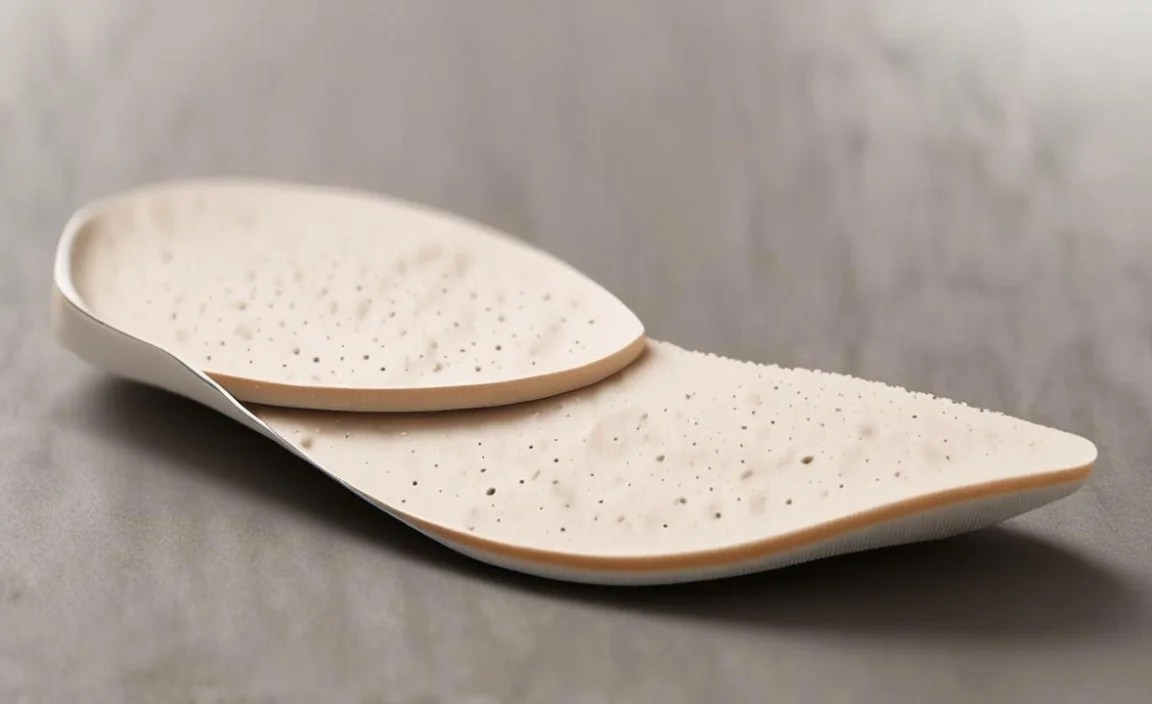
Look for these signs to replace your insoles:
- Visible damage, like holes or tearing.
- Loss of support or cushioning.
- Persistent foot discomfort.
Real-Life Testimonials and Case Studies
Examples of individuals before and after using insoles. Impact of proper insole usage on athletic performance and daily activities.
People often share their stories about how insoles changed their lives. For example, one athlete noticed faster sprint times after using cushioning insoles. Another individual improved their posture and reduced foot pain at work. These changes make daily tasks and sports much easier.
- Case Study 1: Athlete improved sprinting by 10% after insoles.
- Case Study 2: Office worker felt less foot pain and more energy.
Proper insoles support feet and boost performance. Many users report feeling stronger and more comfortable in workouts and everyday activities.
How do insoles impact daily activities?

Insoles can greatly reduce foot pain, allowing people to walk, run, and stand for longer periods comfortably.
Conclusion
Insoles can really change how your shoes feel. By comparing different types, you find the best fit for comfort and support. Start by looking at materials and features. Then, try them out in your favorite shoes. Remember, the right insole makes a big difference! We encourage you to explore more options. Happy walking!
FAQs
What Are The Key Features To Consider When Comparing Different Types Of Insoles For Comfort And Support?
When you compare insoles, look at their cushioning, shape, and material. Cushioning makes your feet feel soft when you walk. The shape should fit your foot well and support your arches. Different materials can make them last longer or feel cooler. Finally, some insoles are made for certain activities, like running or standing all day.
How Can I Determine Which Insole Material Is Best Suited For My Specific Foot Condition Or Activity?
To find the best insole material for your feet, think about what hurts or feels uncomfortable. For flat feet, look for soft foam that gives support. If you have high arches, a firmer material might work better. Also, consider what activities you do, like running or standing all day. Try different types to see which one feels best for you.
What Is The Step-By-Step Process For Fitting Insoles Into My Shoes To Ensure Maximum Effectiveness?
To fit insoles into your shoes, first, remove the old insoles if there are any. Next, take the new insole and place it inside the shoe. Make sure it lies flat and fills the whole space. After that, try on the shoe and walk around to see if it feels good. If it feels uncomfortable, adjust it or cut it to fit better.
How Do I Evaluate The Longevity And Durability Of Various Insoles During My Comparison?
To check how long insoles last, look at the materials used. You can squeeze them to see if they bend easily. Read reviews from other people to find out which ones hold up well. You can also see if they have a warranty or guarantee to promise they last longer. Finally, try them out to feel how sturdy they are.
What User Reviews Or Expert Recommendations Should I Consider While Comparing Insoles For My Needs?
When you look at insoles, check what other people say about them. User reviews tell you how comfortable they are. Experts may suggest insoles that help with foot pain. Look for features like arch support and cushioning. These will help you find the best fit for your feet!
{
