Have you ever wondered why some shoes feel oh-so-comfortable while others leave your feet aching? The secret often lies in the insoles. They are the hidden heroes of footwear. Understanding how to choose the right insole can change your daily comfort.
Imagine playing outside all day, but your shoes make your feet tired. That’s where insole comparison comes in. With the right tips, you can find the perfect insole for every activity. Knowing about different types of insoles helps you avoid sore feet.
Did you know that a 2019 study found that the right insole can improve your walking speed? That’s just one of the many reasons it’s important to explore insole options. Whether you’re running, walking, or just relaxing, the right insole can make a big difference.
This article will explore insole comparison and share useful tips. Let’s discover how to pick the best insoles together. Your feet will thank you!
Insole Comparison Usage Tips For Optimal Comfort And Support


Insole Comparison Usage Tips
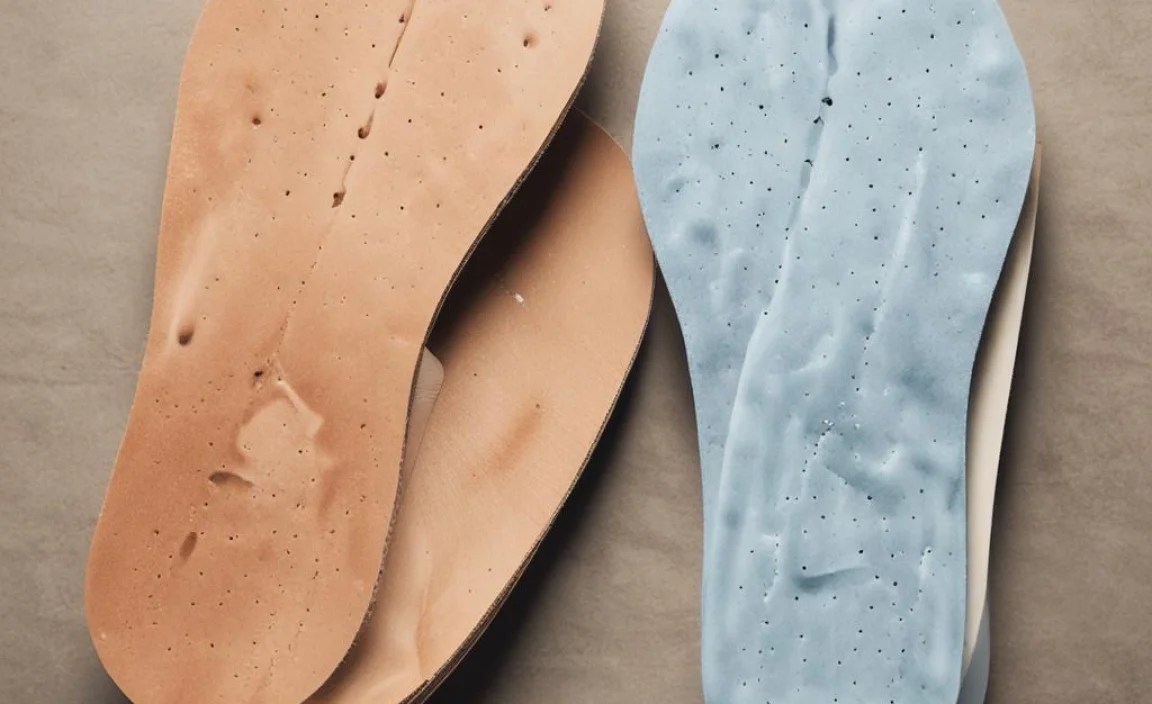
Finding the right insole can change your daily comfort. Different insoles serve unique purposes. For example, some offer arch support while others provide cushioning. You may wonder, “How do I choose?” Start by considering your foot type and activity level. A fun fact: using the right insole can reduce pain by up to 50%! Measure your insoles carefully and replace them regularly. This simple switch can help keep your feet happy.
Understanding Insoles


Definition and purpose of insoles. Types of insoles: cushioned, orthopedic, arch support.
Insoles are like cozy blankets for your feet, giving them comfort every step of the way. They are added inside shoes to improve fit, support, and cushion while walking or standing. Think of them as tiny cushions helping you dance through life with ease!
There are different types of insoles, each with its own special powers:
| Type of Insole | Purpose |
|---|---|
| Cushioned | Provides soft padding for comfort. |
| Orthopedic | Supports foot alignment for better health. |
| Arch support | Helps those with high or flat arches. |
Choosing the right insole can be a game-changer. They help prevent tired, achy feet—which is great since no one wants to experience the dreaded “piano on my foot” feeling!
Benefits of Using Insoles


Improved comfort and pain relief. Enhanced foot support and alignment.
Using insoles can feel like giving your feet a cozy hug. They can make walking feel like a dance on fluffy clouds! One big perk is improved comfort. You’ll feel less pain during your daily activities. Plus, insoles provide better support for your arches, which helps keep your feet aligned. Imagine your feet cheering as they get the care they deserve!
| Benefit | Description |
|---|---|
| Comfort | Softens the blow of hard surfaces. |
| Pain Relief | Reduces aches in feet, knees, and back. |
| Support | Helps keep your feet stable and comfy. |
Factors to Consider When Choosing Insoles


Foot type and arch shape. Activity level and specific needs.
Choosing the right insoles is like picking a snack; it needs to fit your taste. First, know your foot type and arch shape. Flat feet might crave more support, while high arches might want comfort. Next, think about your activity level. Are you a couch potato, or do you run marathons? Each activity has different needs. Always remember, happy feet lead to a happy you, unless you step on a Lego!
| Foot Type | Arch Shape | Best Insole |
|---|---|---|
| Flat Feet | Low Arch | Supportive Insoles |
| Neutral Feet | Normal Arch | Balanced Insoles |
| High Arches | High Arch | Soft Insoles |
Comparing Different Insole Materials
Gel vs. foam vs. hard materials. Pros and cons of each material type.
Choosing the right insoles can feel like picking a favorite ice cream flavor, but let’s break it down. Gel materials are soft and cushiony, great for shock absorption; perfect if you’re on your feet all day or just love bouncing around like a kangaroo! But they can wear down quicker. Foam insoles are light and comfy, molding to your feet like your favorite cozy blanket; however, they might not last as long. Lastly, hard materials offer sturdy support, ideal for those needing stability, but they can feel like stepping on a pancake instead of a marshmallow! Here’s a quick comparison:
| Material | Pros | Cons |
|---|---|---|
| Gel | Soft, great shock absorption | Wears down quickly |
| Foam | Light, molds to feet | Less durable |
| Hard | Excellent support | Can be uncomfortable |
Try each type and see what makes your feet dance in joy! After all, happy feet mean happy adventures!
How to Measure for Insoles
Steps to measure your foot accurately. Tips for selecting the correct insole size.
Measuring your foot is like finding the perfect pair of socks — crucial and sometimes tricky! First, stand on a piece of paper, tracing the outline of your foot. Make sure you’re wearing your favorite socks. Next, use a ruler to measure the longest part (from heel to toe). This will give you an accurate size. When choosing insoles, check the insole packaging for size details, and remember: comfort is king! Too tight? No bueno!
| Foot Length (inches) | Insole Size |
|---|---|
| 9.0 – 9.25 | Size 8 – 9 |
| 9.5 – 9.75 | Size 9 – 10 |
| 10.0 – 10.25 | Size 10 – 11 |
So, grab that ruler and get measuring! Your feet will thank you later.
Insole Usage Tips for Maximum Effectiveness
Proper placement and adjustments. How long to wear insoles initially.
For the best use of insoles, proper placement is crucial. Make sure they fit snugly in your shoes. Adjust them as needed for comfort. Start by wearing insoles for short periods, about 1-2 hours a day. This helps your feet get used to them. Gradually increase the time as your comfort grows. Remember to listen to your body. If something feels wrong, take a break.
How do I know if I placed my insoles correctly?
Check if your heel sits at the back of the shoe. If not, adjust the insole. The arch should align with the arch of your foot. This helps support you better.
- Check the fit: A snug fit avoids slipping.
- Start slow: Wearing them for longer feels better over time.
- Listen to your feet: Stop if you feel pain.
Common Mistakes to Avoid with Insoles
Choosing the wrong type for your foot issue. Neglecting to replace wornout insoles.
Picking the wrong insole can feel like wearing a hat that’s two sizes too small. You might think a soft cushion will help, but if you have flat feet, you might need a firmer support instead. Also, don’t forget your insoles wear out! If they look like an old pancake, it’s time for a change. Neglecting to replace them could make your feet grumpy and sore. So, listen to your soles—they’ll thank you!
| Common Mistakes | Solution |
|---|---|
| Choosing the wrong type | Match insoles to your foot issue |
| Ignoring worn-out insoles | Replace them regularly |
Recommendations for Best Insoles on the Market
Top brands and models. Customer reviews and expert recommendations.
Looking for the best insoles? You’re in luck! The market is full of great options. Some top brands include Superfeet, Dr. Scholl’s, and Spenco. These companies get rave reviews for comfort and support. Customers love Superfeet’s stability, while Dr. Scholl’s is a fan favorite for everyday use. Experts often recommend Spenco for athletic activities due to their cushioning. Check out the table below for a sneak peek at some favorites!
| Brand | Model | Features | Customer Rating |
|---|---|---|---|
| Superfeet | Green | High arch support | 4.8/5 |
| Dr. Scholl’s | Comfort | All-day comfort | 4.5/5 |
| Spenco | Polysorb | Shock absorption | 4.6/5 |
Conclusion
help you find the best fit for your shoes. Remember to consider comfort, support, and size. Try insoles in your favorite shoes to see how they feel. Don’t hesitate to explore different types. With the right insoles, you can improve your comfort and overall foot health. Keep learning and step happily into your day!
FAQs
What Factors Should I Consider When Comparing Different Types Of Insoles For Comfort And Support?
When comparing insoles, think about the material they are made of. Soft materials can feel comfy, while firm ones give good support. Check the size and shape to make sure they fit your shoes. Also, consider if they help with your specific foot problems, like arch support. Lastly, read reviews to see what other people think about them!
How Can I Determine The Right Insole Thickness And Material For My Specific Foot Type?
To find the best insole thickness and material for your feet, start by examining your foot shape. If your feet are flat, you might need thicker insoles for support. For high arches, choose softer materials to cushion your feet. Walk around in different insoles to see which ones feel comfortable. Lastly, consult a shoe expert if you’re unsure!
What Are The Benefits Of Custom Insoles Versus Over-The-Counter Options, And When Should I Choose One Over The Other?
Custom insoles are made just for your feet. They can fit better and help with specific foot problems. Over-the-counter insoles are cheaper but may not support your feet as well. You should choose custom insoles if you have pain or special foot needs. Otherwise, over-the-counter options might work fine for everyday use.
How Do Different Insole Designs Impact Shock Absorption And Pressure Distribution During Various Activities?
Different insole designs can change how well your feet feel during activities. Some insoles are thicker and cushiony, helping to absorb shocks when you run or jump. Others have special shapes that spread out pressure, so your feet don’t hurt as much. Choosing the right insole can make walking, playing, or standing more comfortable for you!
What Tips Can I Follow To Properly Fit Insoles Into My Shoes For Maximum Effectiveness?
To fit insoles into your shoes, first, take out the old insoles if there are any. Next, place the new insoles inside your shoes. Make sure they lie flat and fit snugly. If they are too big, you can trim the edges with scissors. Finally, try on your shoes to see if they feel comfortable and supportive!
