Have you ever felt tired after a long day on your feet? Imagine slipping on a pair of orthotic insoles that change everything. These special insoles can turn an uncomfortable shoe into a cozy haven for your feet.
In this guide, we will explore the comfort test for orthotic insoles. What makes some insoles feel great, while others leave you aching? You might be surprised by the differences!
But wait—did you know that a good pair of orthotic insoles can improve your balance and posture? It’s true! Many people don’t realize how much their feet affect their whole body.
Join us as we dive into the world of orthotic insoles. We’ll share tips to help you choose the perfect pair. Your feet will thank you for it!
 Orthotic Insole Guide
Orthotic Insole Guide: Comfort Test Explained For You

Discover how orthotic insoles can transform your daily comfort! This guide shares tips on finding the perfect fit for your feet. You’ll learn how to assess support, cushioning, and stability. Did you know that a simple comfort test can help you choose the right insole? Imagine walking without discomfort! Say goodbye to foot pain with the right orthotic choice, and step confidently into each day. Try different insoles to see what feels best for you!
Understanding Orthotic Insoles

Definition and purpose of orthotic insoles. Types of orthotic insoles available.
Orthotic insoles are special shoe inserts designed to support your feet. They help with problems like pain and flat feet. The right insoles can make walking easier and more comfy. There are different types of orthotic insoles, including:
- Custom-made insoles: Designed for your feet, providing the best fit.
- Over-the-counter insoles: Available in many stores, good for general support.
- Cushioned insoles: Provide extra softness and comfort.
- Sport insoles: Designed for active people to enhance performance.
Finding the right insole can truly change how you feel on your feet!
What are orthotic insoles used for?

Orthotic insoles are used to improve comfort and support your feet while walking or standing. They help with issues like pain, flat feet, and arch support.
How effective are orthotic insoles?

Studies show that over 75% of people using orthotic insoles feel less foot pain. They can really help your daily activities!
The Importance of Comfort in Orthotic Insoles

How comfort impacts foot health. The relationship between comfort and overall wellbeing.
Comfort plays a big role in foot health. When your feet feel good, you can run, walk, and play without pain. Happy feet can lead to a happier you! Have you noticed how bad shoes make you grumpy? It’s true! Here are some reasons why comfort matters:
- Comfort helps prevent foot problems like blisters and calluses.
- When your feet feel nice, your mood gets better.
- Good support from comfortable insoles can help you avoid back and joint pain.
So remember, comfy shoes and orthotic insoles can make a big difference in how you feel every day!
Why is Comfort Important?
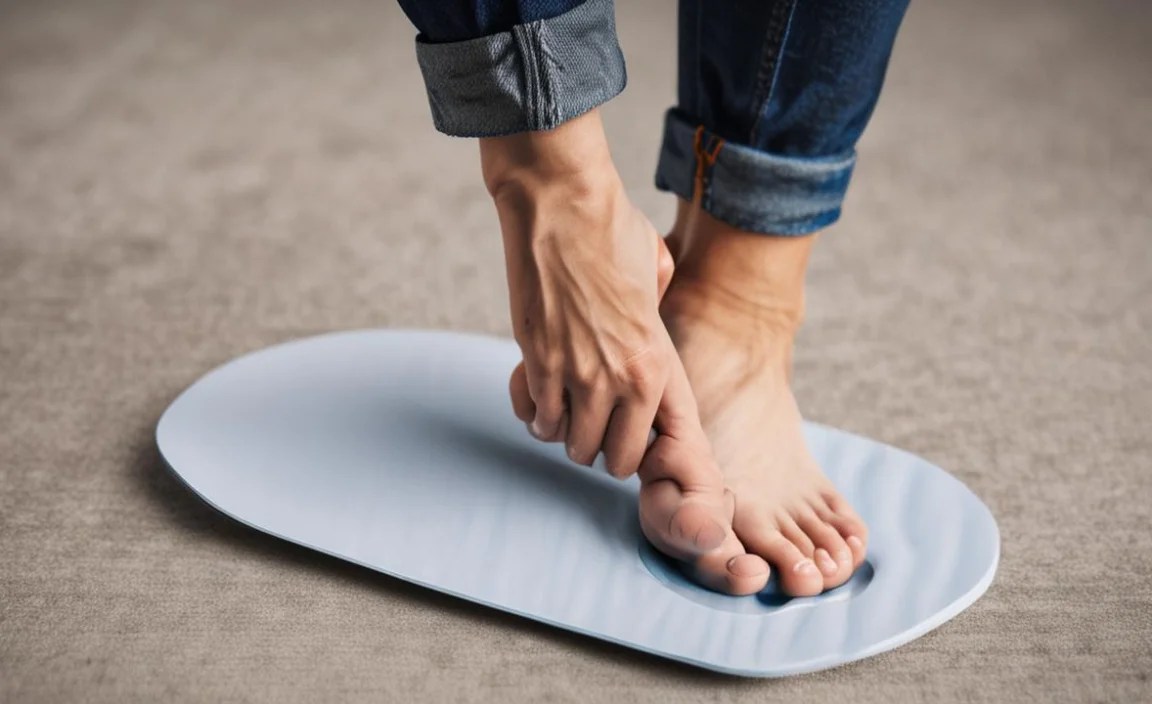
Comfort in shoes helps keep your feet healthy and boosts your happiness.
Materials Used in Orthotic Insoles

Common materials and their properties. How material affects comfort and durability.
Different materials make orthotic insoles special. Here are some common types:
- Foam: Soft and cushioning, great for shock absorption.
- Gel: Flexible and comfortable, helps with pressure relief.
- Plastic: Firm and supportive, offers good structure.
- Fabric: Breathable and light, keeps feet cool.
The right material affects comfort and durability. Soft materials like foam offer comfort, while hard materials like plastic provide support. A good insole lasts longer when made from strong materials. Comfort and durability work together to keep your feet happy!
What materials improve orthotic insoles?

Foam, gel, plastic, and fabric are key materials that enhance comfort and support in orthotic insoles.
Testing Orthotic Insoles for Comfort

Stepbystep process for comfort testing. Key metrics to evaluate when testing.
Testing orthotic insoles for comfort is important for finding the right fit. Start by wearing the insoles for a short time each day. Gradually increase the wear time. Keep track of how your feet feel. Pay attention to key areas like pressure points and arch support. Here are some metrics to check:
- Comfort level during wear
- Foot fatigue after use
- Improvement in foot pain
Take notes on your experience. This will help you decide if the insoles are right for you. Remember, comfort is key!
What should I look for in comfort testing?

Check for any pain or discomfort after use. Also, notice your energy levels during activities. You want the insoles to support, not hurt!
Factors Affecting Insole Comfort
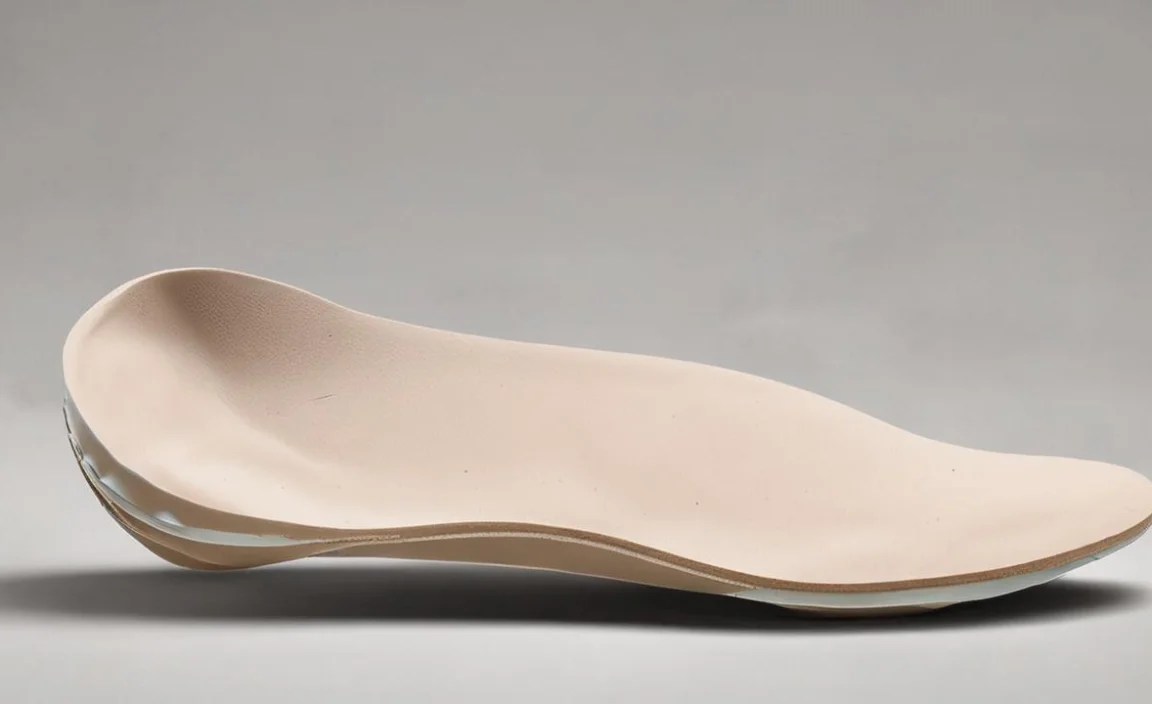
Foot shape and size considerations. Activity level and its influence on comfort.
Comfort from insoles is affected by different factors. First, our foot shape and size matter a lot. Everyone’s feet are unique. Some people have wide feet, while others have narrow ones. Insoles need to fit well to provide support. Next, activity level plays a big role. If you run a lot, you need soft insoles for cushioned support. But if you sit most of the day, firmer insoles may work better. Finding the right match is important for comfort!
What factors affect insole comfort?

Insole comfort is influenced by foot shape and size, as well as activity level. It’s essential to find insoles that fit your unique feet and match your daily activities.
Key Factors Include:
- Foot shape
- Foot size
- Activity level
- Typical footwear
- Support needs
Common Issues with Orthotic Insoles
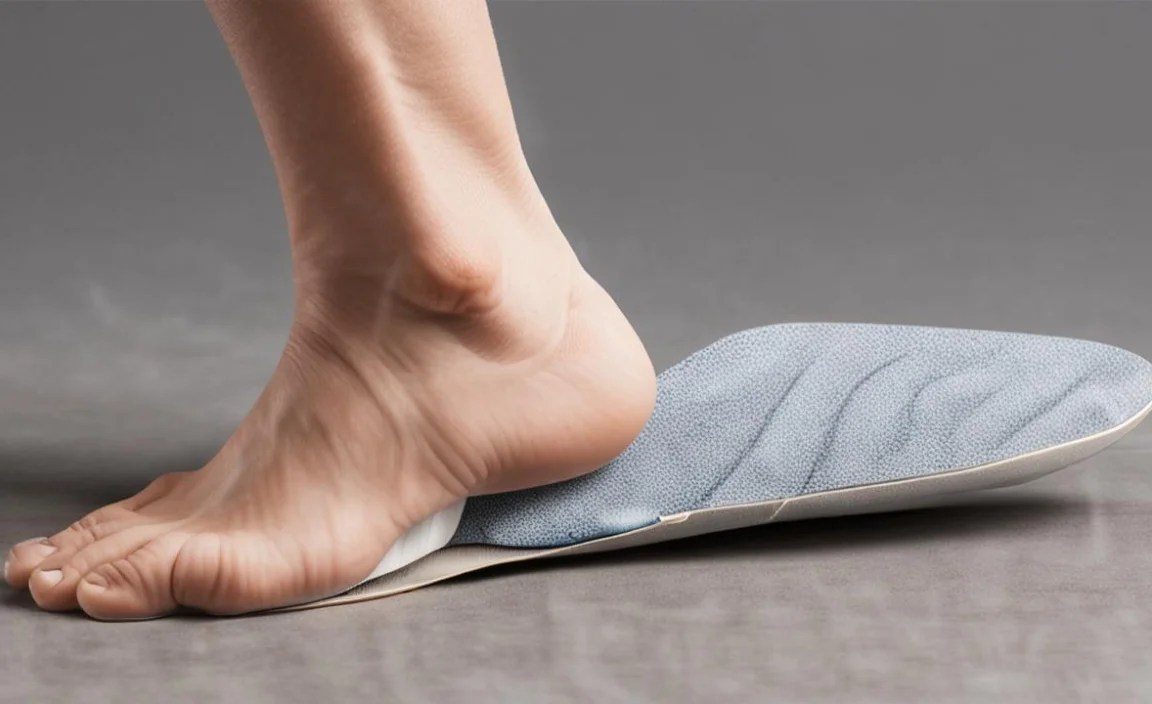
Complaints and discomfort experienced. Solutions and tips for better comfort.
Many people face issues with orthotic insoles. Common complaints include uncomfortable pressure points and slipping inside shoes. Some feel pain in their feet or legs after using them. To improve comfort, consider these tips:
- Choose the right size for your foot.
- Try different materials like gel or foam.
- Give your insoles time to break in.
These steps can make wearing orthotic insoles much more pleasant!
What are the common complaints about orthotic insoles?

People often mention discomfort and pain in their feet or legs. Some find them too tight or loose in their shoes. Adjusting size or materials can help improve this issue.
Personalizing Your Orthotic Insole Experience
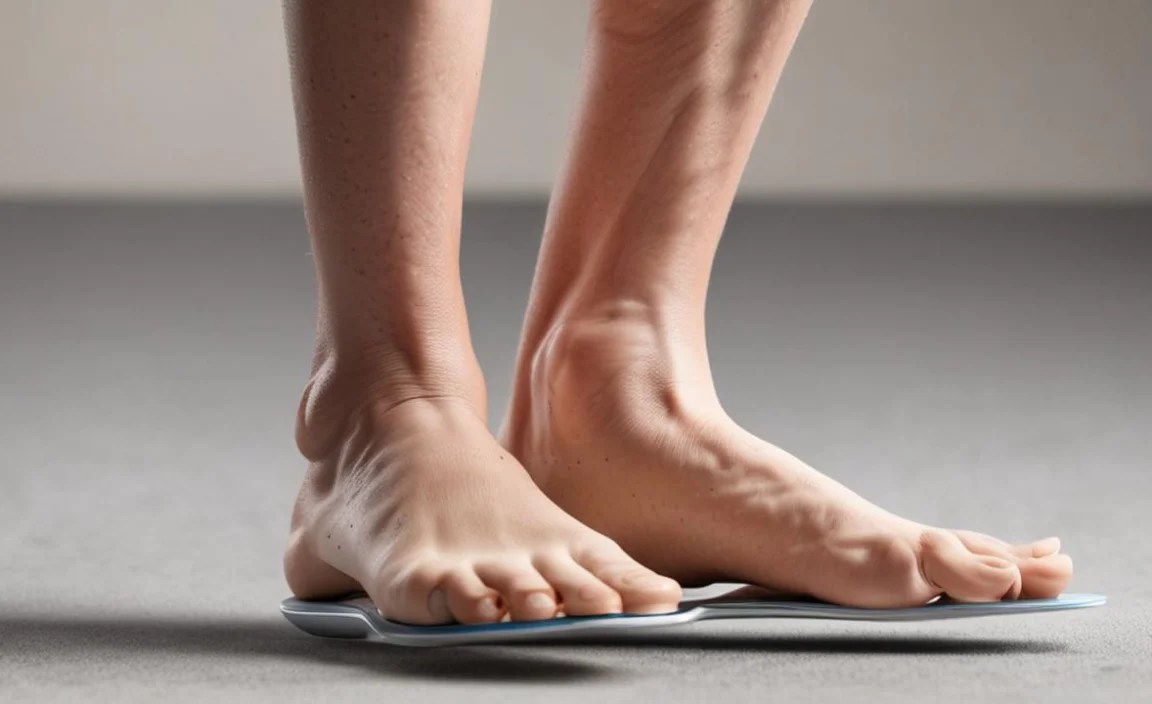
Custom orthotics vs. overthecounter options. Tips for achieving the best fit and comfort.
Choosing between custom orthotics and over-the-counter (OTC) options can feel like picking a favorite pizza topping—everyone’s got their preference! Custom orthotics are made just for you, like a tailored suit; they fit your foot shape perfectly. OTC options are quicker and cheaper, but they might not hug your arches like a grandma’s hug. To find your best match, always try before you buy. Remember to check for arch support and cushioning. A good fit should feel like walking on clouds, not bricks!
| Feature | Custom Orthotics | Over-the-Counter Options |
|---|---|---|
| Fit | Tailored to your foot | Standard sizes |
| Price | More expensive | Budget-friendly |
| Comfort | Highly comfortable | Varies widely |
Maintaining Your Orthotic Insoles

Care and cleaning tips for longevity. When to replace your insoles for optimal performance.
Keeping your orthotic insoles clean is a must! Wipe them down with a damp cloth and mild soap. Let them air dry instead of using heat. You don’t want them to feel like they took a sauna! Replace your insoles every 6-12 months or sooner if they look flat, like a pancake. This helps keep your feet happy and your shoes dancing!
| Tip | Action |
|---|---|
| Clean | Use mild soap and water |
| Dry | Air dry only |
| Replace | Every 6-12 months |
Following these steps helps keep your insoles working hard. Happy feet lead to happy adventures!
Conclusion
In summary, the orthotic insole guide helps you find comfortable options for your feet. We learned how to test insoles for support and fit. These tips make it easier to choose the right insoles for you. Remember to explore more guides or try some insoles yourself. Your feet will thank you for it!
FAQs
Sure! Here Are Five Questions Related To The Comfort Testing Of Orthotic Insoles:
Sure! Here are five questions about comfort testing orthotic insoles: 1. How do you know if the insoles feel good when you wear them? 2. What activities should you do while testing the insoles for comfort? 3. How long should you wear the insoles to check if they are comfy? 4. Can you feel any pain or discomfort while wearing the insoles? 5. What do you do if the insoles are not comfortable?
Sure! Please tell me what question you want me to answer.
What Methodologies Are Commonly Used To Evaluate The Comfort Level Of Orthotic Insoles During Testing?
To check how comfy orthotic insoles are, we can use a few methods. First, we can ask people to wear the insoles and tell us how they feel. Next, we can measure how much pressure the insoles put on their feet. Lastly, we can watch how well people walk or run with the insoles. These ways help us learn if the insoles are good for your feet.
How Do Different Materials Used In Orthotic Insoles Affect Overall Comfort For Users?
Different materials in orthotic insoles can change how comfy they feel. Soft materials, like foam, can feel cozy under your feet. Harder materials, like plastic, can provide more support and help with walking. If the insoles fit you well and feel nice, you can move better and enjoy playing more!
What Role Does Foot Anatomy Play In Determining The Effectiveness And Comfort Of Custom Versus Prefabricated Orthotic Insoles?
Foot anatomy is how our feet are built. Everyone’s foot is different in shape and size. Custom orthotic insoles are made just for your feet, so they fit perfectly. This can help you feel more comfortable and supported. Prefabricated insoles are ready-made and might not fit as well, which can lead to less comfort.
How Can Individuals Assess The Comfort Of Orthotic Insoles In Their Daily Activities Before Committing To A Purchase?
You can try orthotic insoles in a store before buying them. Walk around and see how they feel. Pay attention to any soreness or discomfort. You can also wear them at home for a while. This helps you know if they are good for your daily activities.
What Feedback Mechanisms Are Most Helpful For Users To Report Their Comfort Experiences With Orthotic Insoles, And How Can This Data Improve Future Designs?
To share how you feel about orthotic insoles, you can use simple forms or surveys. You might also talk to a doctor or write a review online. Your feedback helps designers see what works and what doesn’t. By knowing what you like or dislike, they can create better insoles for everyone. Your comfort matters!
{
