Have you ever thought about how much your feet do for you? They carry you through your busy days, from walking to playing. But what if they could feel even better? Gel insoles can make a big difference. These special insoles provide support and comfort. Many people wonder how to use gel insoles for long-term usage. It’s not just about slipping them into your shoes and going. There’s much more to it!
Imagine walking on clouds. That’s how gel insoles can feel. They help reduce pain and pressure on your feet. Plus, they can make your favorite shoes more comfortable. But, like anything else, they need a little care and attention. Did you know that using gel insoles the right way can help them last longer? It’s true! Let’s explore how to use gel insoles for long-term comfort and support in a fun and easy way.

How To Use Gel Insoles For Long Term Usage Effectively

Using Gel Insoles for Long-Term Comfort

Want to keep your feet happy all day? Using gel insoles can help! They cushion your feet, making walking easier and more comfortable. To enjoy the benefits long-term, remember to regularly change them. Also, clean the insoles to keep them fresh and avoid odors. Did you know that gel insoles can also improve your posture? By supporting your feet, they help keep your body aligned. Give your feet the care they deserve!
Understanding Gel Insoles
Definition and types of gel insoles. Benefits of using gel insoles.
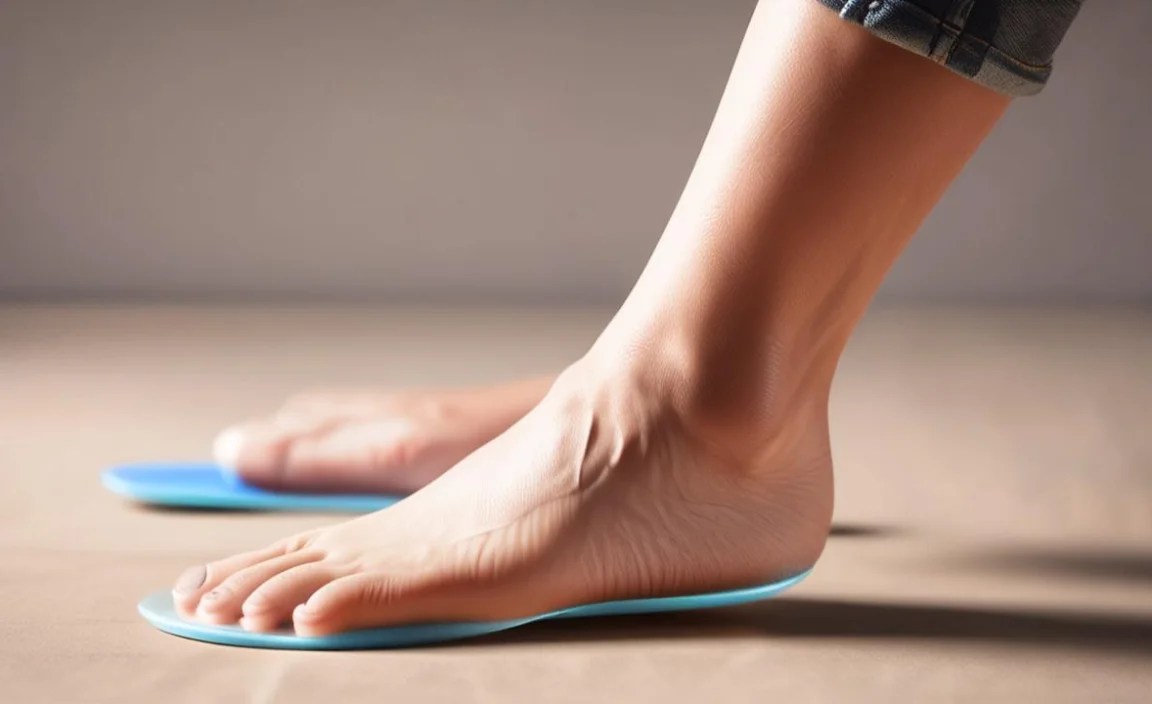
Gel insoles are soft pads you place in your shoes for extra comfort. They come in many types, like those for arch support or shock absorption, giving your feet a cozy hug all day long! The benefits? They can help reduce foot pain and make walking feel like a breeze! Plus, they are great for standing on hard surfaces, where your feet might feel like they’re on a trampoline—without the fun jumps.
| Type of Gel Insoles | Benefits |
|---|---|
| Arch Support Insoles | Support your arches and improve posture. |
| Shock Absorbing Insoles | Reduce impact during activities like running. |
| Orthotic Insoles | Help with foot conditions like flat feet. |
With gel insoles, every step feels lighter, and your feet will thank you later! Who knew comfort could be this funny? You might even find yourself skipping instead of walking!
Choosing the Right Gel Insoles

Factors to consider (arch support, material, thickness). How to match insoles with specific footwear.
Picking the right gel insoles is like choosing the perfect pair of socks—important! First, think about arch support. Everyone’s feet are unique. Some need a boost while others prefer a flatter ride. Next, consider the material. Gel insoles can be squishy or firm, so find what tickles your toes! Thickness matters, too. Too thick for snug shoes? Ouch! Finally, match your insoles to your footwear. Use the table below for quick tips!
| Footwear Type | Recommended Insoles |
|---|---|
| Sneakers | Thick gel for comfort |
| Dress shoes | Thin, supportive gel |
| Flip flops | Lightweight gel insoles |
Preparing Your Footwear
Steps to prepare shoes for new gel insoles. Tips on removing old insoles safely.
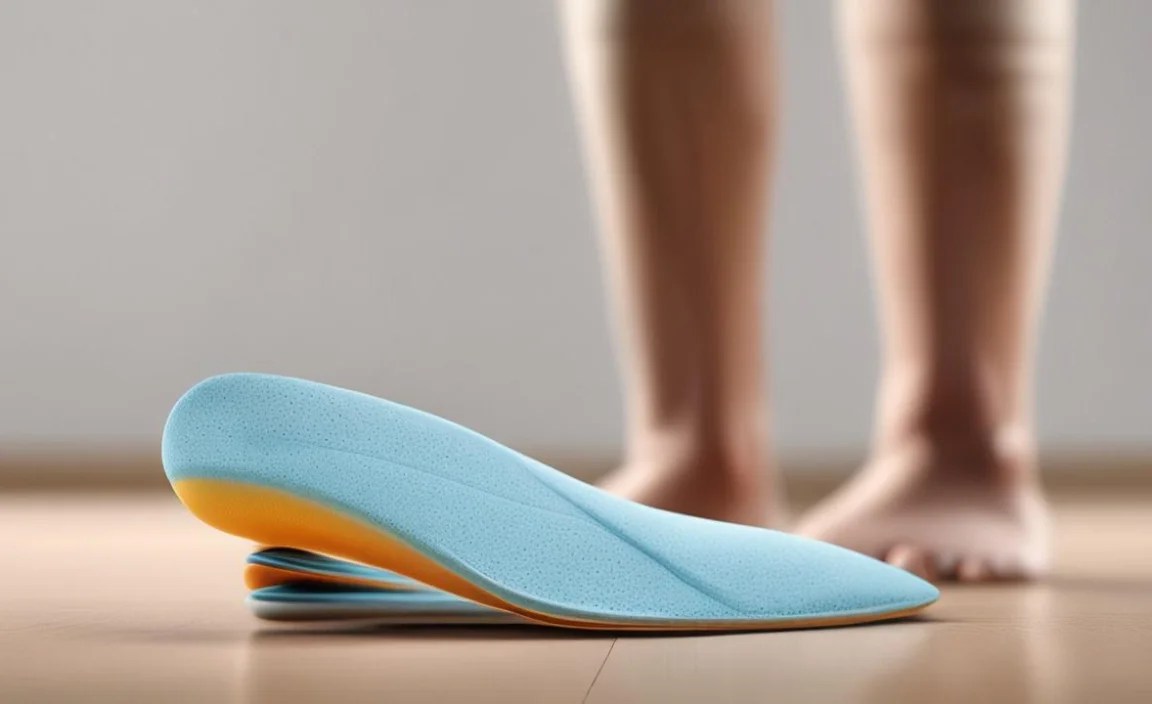
First, talk to your shoes before you begin. Seriously! Ask them if they’re ready for new gel insoles. Make sure they’re clean and dry. If your old insoles are still hanging on like a stubborn cat clinging to a tree, gently pull them out. Avoid ripping them; shoes have feelings too!
Next, place the gel insoles inside, pressing them down so they fit snugly. They should feel like a warm hug for your feet. If you have trouble fitting them, check their size and trim if needed. Follow this simple table:
| Step | Action |
|---|---|
| 1 | Remove old insoles carefully |
| 2 | Clean the shoe interior |
| 3 | Place gel insoles in securely |
And there you have it! Your shoes are ready to go with their new comfy buddies. Walk with confidence, and may your feet be happy!
Proper Installation of Gel Insoles

Stepbystep guide to fitting gel insoles. Common mistakes to avoid during installation.
Installing gel insoles properly is key for comfort and support. Start by removing your shoe’s original insoles. Then, place the gel insole inside, ensuring it fits snugly. Check for any bunching or gaps. A common mistake? Not trimming the insoles if they overhang. Snip them down for a perfect fit! Also, avoid the “guess and check” method—measure twice and cut once. Happy feet lead to happy adventures!
| Step | Action |
|---|---|
| 1 | Remove old insoles |
| 2 | Insert gel insoles |
| 3 | Check for fit |
| 4 | Trim if necessary |
Remember, no one likes shoe quirks! So, a good installation sets the stage for long-term comfort.
Adapting to Gel Insoles

Tips for a smooth transition period. Listening to your body: when to make adjustments.
Starting with gel insoles can feel like trying on a new pair of shoes when you’re already wearing your favorites. To help ease into them, take short walks first. This way, your feet can slowly adjust to the extra cushioning. Always remember: listen to your body. If your feet start complaining—like a toddler who lost their cookie—it might be time to tweak your routine. Make adjustments based on comfort, not the initial flair of fancy insoles!
| Tip | Action |
|---|---|
| Start Slow | Wear for short periods, gradually increasing time. |
| Check for Pain | If it hurts, stop! Your feet are your best friends. |
| Keep it Clean | Wash them regularly for a happier foot experience. |
Maintaining Gel Insoles for Longevity
Cleaning and hygiene practices for gel insoles. Signs that it’s time to replace your gel insoles.
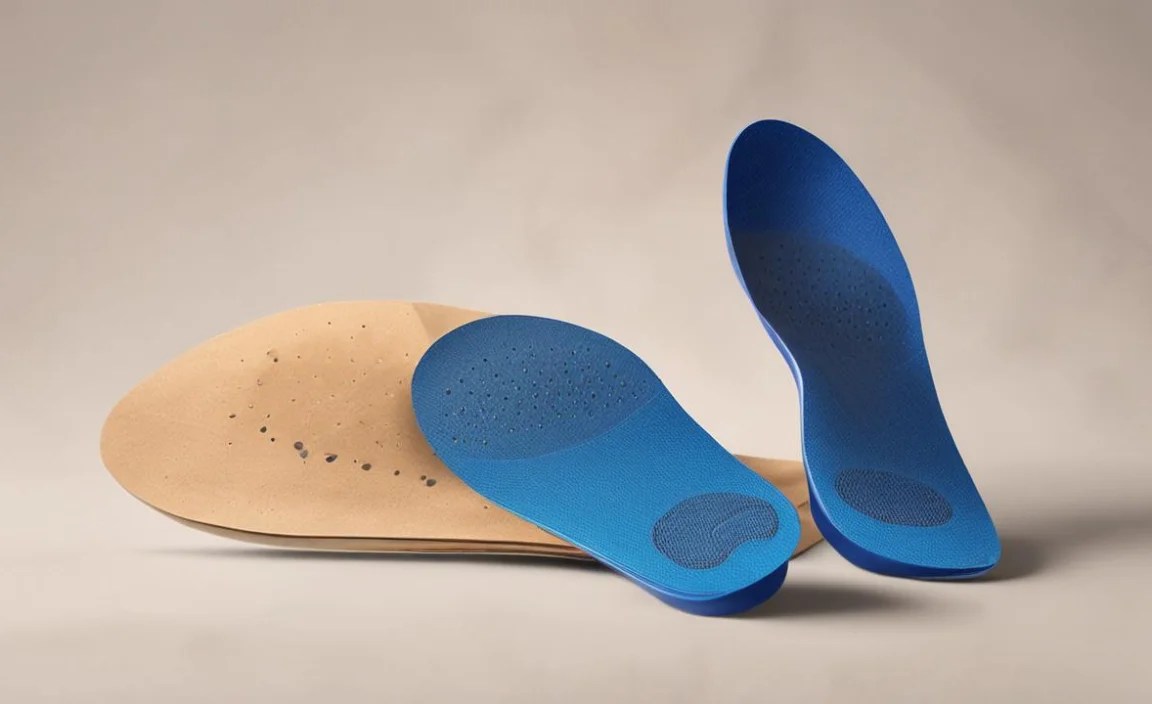
To keep your gel insoles in great shape, regular cleaning is key. Wipe them down with a damp cloth and mild soap weekly. It’s like giving them a spa day! If they start to smell like a gym sock, it’s definitely time to freshen them up. Check for signs of wear, too. If they feel flat or lose their bounciness, it might be time to say goodbye and replace them. Remember, happy insoles mean happy feet!
| Signs to Replace Gel Insoles | What to Look For |
|---|---|
| Flatness | Feeling like a pancake? Time to replace! |
| Bad Smell | If they smell worse than a old gym bag, it’s time! |
| Visible Damage | Cracks or holes are big hints! |
Recommended Exercises for Foot Health

Exercises to strengthen feet while using gel insoles. Stretching routines to complement gel insole usage.
Keeping your feet strong matters, especially when using gel insoles. Here are some fun exercises to help:
- Toe Taps: Sit and tap your toes. This builds strength in your feet.
- Heel Raises: Stand tall and rise onto your toes. This helps your calves too.
- Foot Roll: Roll a ball under your foot. It feels nice and stretches your muscles.
Stretching is important too. Try these stretches:
- Calf Stretch: Push against a wall with one foot back. Feel the stretch!
- Toe Stretch: Sit, grab your toes, and pull gently. This keeps your toes flexible.
These exercises and stretches work well with gel insoles. They’ll keep your feet happy and healthy!
How can I improve my foot health while using gel insoles?

To improve foot health, regularly exercise and stretch. This helps strengthen your feet while using gel insoles.
Addressing Common Issues with Gel Insoles
Troubleshooting discomfort or pain. When to seek professional advice regarding fit and comfort.
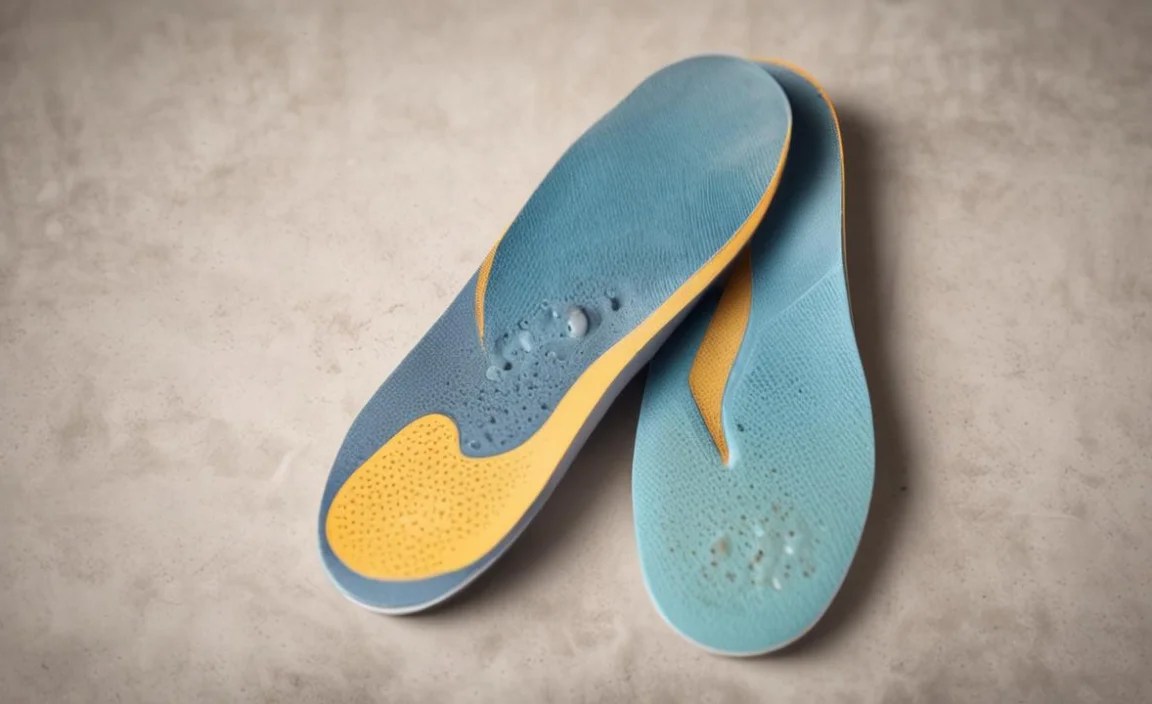
Using gel insoles can help your feet feel more comfortable. However, some people may experience discomfort or pain. If insoles feel tight or cause blisters, it’s time to adjust them. Always check the fit and cushioning. Here are some tips:
- Make sure your insoles fit your shoes well.
- Replace old insoles if they lose shape.
- Try wearing them for shorter periods at first.
If discomfort continues, seek professional advice. A doctor can help find the right fit. Remember, happy feet make for happy days!
What should I do if my gel insoles hurt?

Check the fit first. If they are too tight or too loose, adjust them or replace them. If pain persists, consult a specialist for help.
Conclusion
In summary, using gel insoles can improve your comfort and support for long-term wear. Always choose the right size and clean them regularly. Pay attention to how your feet feel and replace them when they wear out. For more tips, check out articles on foot health and insoles. Take care of your feet; they carry you everywhere!
FAQs
How Can I Ensure That My Gel Insoles Remain Effective And Comfortable During Long-Term Usage?
To keep your gel insoles comfy and working well, clean them regularly. You can wash them gently with soap and water. Make sure to let them dry completely before using them again. Also, change them if they start to get too flat or worn out. This will help you stay comfy for longer!
What Are The Signs That Indicate It’S Time To Replace My Gel Insoles?
You should replace your gel insoles if they feel flat or hard. If you see cracks or tears, it’s time for new ones. If your feet hurt or feel tired more often, that’s a sign too. Finally, if they smell bad and can’t be cleaned, get a fresh pair!
Are There Specific Foot Conditions That Make Gel Insoles More Beneficial For Long-Term Use?
Yes, some foot conditions make gel insoles very helpful. If you have flat feet, gel insoles can give you extra support. People with high arches might also find gel insoles comfy. They help reduce pain and keep your feet feeling good all day. So, if your feet hurt, try gel insoles!
How Should I Clean And Maintain My Gel Insoles To Prolong Their Lifespan?
To clean your gel insoles, remove them from your shoes. Use mild soap and warm water to scrub them gently. Rinse them well and let them air dry. Don’t put them in the washing machine or dryer, as that can damage them. Store them in a cool, dry place when you’re not using them.
Can Gel Insoles Cause Any Discomfort Or Foot Problems If Used Excessively Over Time?
Yes, using gel insoles too much can cause discomfort. Your feet might become sore or tired. They can also change how you walk. If you notice pain, it’s good to take a break from them. Always listen to your feet!
{“
