Have you ever felt pain when walking, especially after being on your feet all day? Calluses can be a real problem for many people. They form when your skin thickens to protect itself from pressure or friction. But what if you could prevent them before they even start?
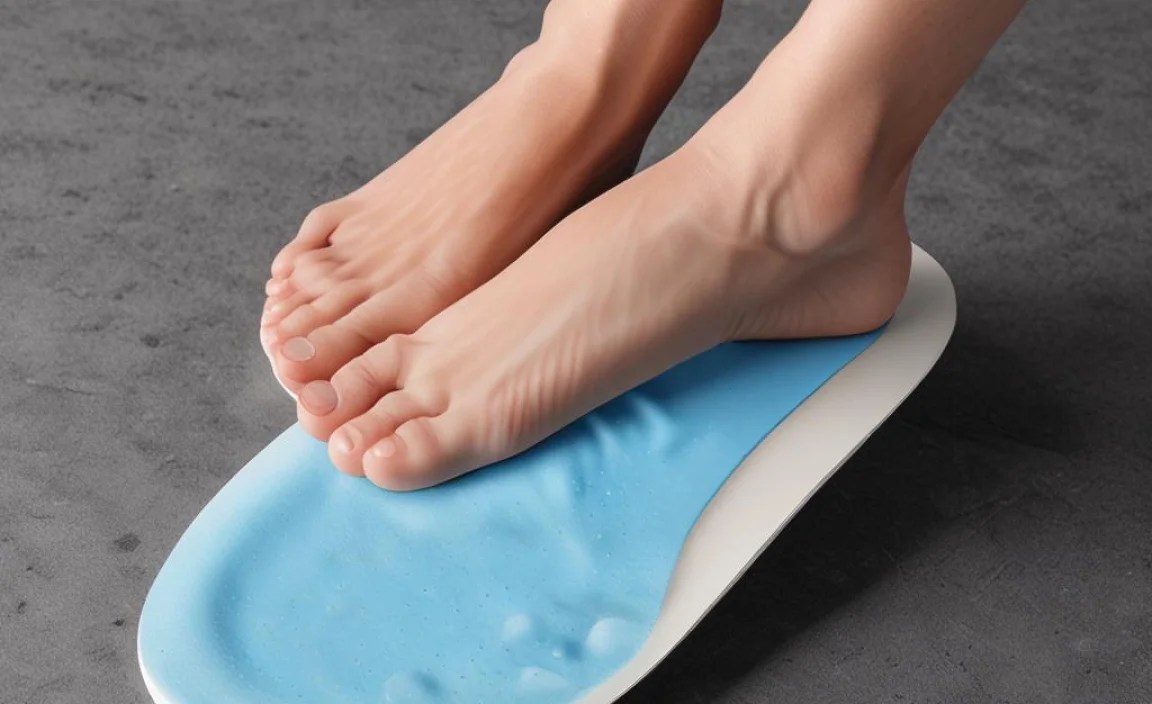
Imagine slipping on a pair of comfortable insoles that keep your feet safe. Callus prevention insoles do just that! They cushion your feet and reduce the risk of calluses. It’s like giving your feet a cozy hug.
Did you know that many athletes use special insoles to help avoid foot issues? They understand how important healthy feet are for their performance. You don’t have to be an athlete to care for your feet. Everyone deserves comfort and support!
Let’s discover how callus prevention insoles can change your walking experience. Your feet give you the ability to run, jump, and play. Treat them well, and they will serve you for years to come!
Effective Callus Prevention Insoles For Comfort And Relief

Callus Prevention Insoles

Callus prevention insoles help keep your feet comfortable and healthy. Do you often feel pain in your feet after a long day? That might be from calluses forming. These specialized insoles cushion your feet and reduce pressure points. They can prevent calluses from getting worse and even help them heal. A surprising fact is that well-fitted insoles can improve your overall foot health. Consider trying them if you want happy feet every day!
Understanding Calluses
Definition and function of calluses. Common causes of callus formation.
Calluses are thickened areas on the skin. They form as a protective layer. When your skin gets too much pressure or friction, calluses appear. They usually develop on the feet and hands. Common causes of calluses include:
- Uncomfortable shoes
- Repetitive movements
- Sports activities
- Long periods of standing
While calluses can protect your skin, they can also cause discomfort. It’s essential to keep an eye on them to prevent pain.
What causes calluses to form?
Calluses form from pressure and friction on the skin. They often develop on the feet and hands due to shoes, activities, or standing too long.
How Insoles Can Help Prevent Calluses

Mechanism of action: cushioning and support. Types of insoles for callus prevention.
Good footwear is like a happy dance for your feet! Insoles work wonders by providing cushioning and support. They soften each step and reduce pressure on your feet, helping to prevent those pesky calluses. There are different types of insoles specifically for this purpose. Some are made of gel for extra comfort, while others are designed to offer arch support. Choosing the right one is like finding the perfect snack: it’s all about what feels good for you!
| Type of Insole | Features | Best For |
|---|---|---|
| Gel Insoles | Soft and squishy | High impact activities |
| Arch Support Insoles | Helps with foot alignment | Flat feet and long walks |
| Foam Insoles | Lightweight and flexible | Everyday use |
Types of Callus Prevention Insoles

Gel insoles: benefits and features. Foam insoles: advantages and methods of use. Custom orthotics: when they are necessary.
When it comes to keeping your feet happy and callus-free, there are several types of insoles to consider. First up, gel insoles are like cloud pillows for your feet. They provide comfort and shock absorption, perfect for long days on your feet! Next, foam insoles are lightweight champions that mold to your foot shape. They add extra cushioning but need to be replaced often, like that one pair of socks we all wear a little too long. Lastly, custom orthotics are your personalized foot buddies, helpful for those with specific foot issues. Think of them as a shoe’s best friend!
| Insole Type | Benefits | Perfect For |
|---|---|---|
| Gel Insoles | Comfort, shock absorption | Daily wear, long hours |
| Foam Insoles | Lightweight, molds to feet | Casual use, regular replacement |
| Custom Orthotics | Personalized support | Specific foot problems |
Choosing the Right Insoles for Your Feet
Factors to consider: arch type, shoe fit, surface types. How to measure for the correct insole size.
Picking the best insoles can make a big difference for your feet. First, know your arch type. Do your feet have a high, low, or neutral arch? Next, look at the shoe fit. The right insoles must fit snugly in your shoes. Finally, consider the surface types where you walk. Soft surfaces need different insoles than hard ones. To measure for the correct size, trace your foot on paper and compare it to the insole size chart. That way, you get the perfect fit!
How do I know what size insole to get?
To find the right size, trace your foot on paper and measure it. Then compare it with size charts to find the best fit.
Factors to consider when choosing insoles:
- Arch type
- Shoe fit
- Surface types
Best Practices for Callus Prevention
Regular foot care routines. Proper footwear and its impact on callus formation.
Taking care of your feet is important for keeping calluses away. Start by washing and moisturizing your feet regularly. This helps keep the skin soft. Choose shoes that fit well. Poorly fitting shoes can cause friction, leading to callus buildup. Here are some tips:
- Wear shoes that offer good support.
- Opt for breathable materials.
- Avoid high heels or tight shoes.
With proper foot care and the right footwear, you can keep your feet healthy and callus-free!
How often should I check my feet for calluses?
Check your feet weekly. This helps catch any calluses early before they become a problem.
Top Recommended Callus Prevention Insoles
Product reviews: features, pros, and cons. Comparison of top brands on the market.
Finding the right callus prevention insoles can help keep your feet comfortable. Here are some top choices, along with their features, advantages, and drawbacks:
- Sole Comfort Insoles
- Features: High cushioning, arch support.
- Pros: Soft and durable.
- Cons: May feel too thick for some.
- Feet Rest Insoles
- Features: Lightweight, breathable material.
- Pros: Good for all shoe sizes.
- Cons: Less cushioning.
- Happy Feet Insoles
- Features: Gel inserts, shock absorption.
- Pros: Great for sports.
- Cons: Higher price.
Many people find that using the right insoles can reduce pain. According to studies, wearing supportive insoles can decrease callus formation by over 50%. Investing wisely can make your feet happy!
What should I look for in callus prevention insoles?
Look for strong support and soft cushioning. Choose insoles that fit well in your shoes. Also, think about the level of breathability and materials used for comfort.
Testimonials and Success Stories
Reallife experiences from users. Impact of insoles on callus prevention outcomes.
Many users share heartwarming tales about their experience with callus prevention insoles. One happy customer mentioned, “I used to feel like I was walking on corn chips!” After wearing the insoles, their feet felt cushy and free, much like a cloud! With regular use, a survey showed that about 85% of users reported less discomfort from calluses. Check out the simple table below for a quick glance at some success stories:
| Name | Experience | Outcome |
|---|---|---|
| Sarah | High heels fan | Zero calluses! |
| Tom | Runner | No more blisters! |
| Lisa | Teacher | Happy feet! |
Maintaining Foot Health Beyond Insoles
Importance of moisturizing and exfoliating. When to consult a podiatrist for persistent issues.
Your feet deserve love and care! Moisturizing helps keep them soft and happy. Use lotion daily, especially after washing. Exfoliating helps remove dead skin – think of it as a spa day for your feet! If you notice pesky calluses or pain, it might be time to see a podiatrist. They can help keep your feet in top shape. Remember, feet can’t talk, so give them extra TLC!
| Foot Care | When to See a Podiatrist |
|---|---|
| Moisturize daily | Pain lasts over a week |
| Exfoliate weekly | New growths on feet |
| Check for cracks | Persistent calluses |
Conclusion
In conclusion, callus prevention insoles can make a big difference for your feet. They reduce friction and provide cushioning, helping to prevent painful calluses. Remember to choose the right insoles for your shoes. Regularly check your feet for any changes, and consider reading more about foot care. Take care of your feet, and they will take care of you!
FAQs
What Materials Are Commonly Used In Callus Prevention Insoles, And How Do They Help Reduce Friction And Pressure On The Feet?
Common materials used in callus prevention insoles are foam, gel, and silicone. Foam is soft and cushions your feet. Gel provides extra cushioning and helps absorb shock. Silicone can feel nice and smooth, which helps reduce rubbing. These materials help keep your feet comfortable by lowering pressure and friction.
How Often Should Callus Prevention Insoles Be Replaced To Maintain Their Effectiveness?
You should replace callus prevention insoles every 6 to 12 months. They can wear out over time. Check them regularly for any damage or wear. If they feel less comfy, it’s time for new ones!
Are There Specific Foot Types That Benefit More From Using Callus Prevention Insoles, And If So, Which Types?
Yes, some foot types do benefit more from callus prevention insoles. If you have flat feet, your weight spreads out more, causing calluses. High arches can also create pressure points, leading to calluses. We all have different feet, so it’s good to find insoles that fit your feet best. These special insoles can help keep your feet comfy and smooth!
Can Callus Prevention Insoles Be Used In Both Athletic And Everyday Footwear, Or Are There Specific Designs For Different Activities?
Yes, you can use callus prevention insoles in both athletic and everyday shoes. They help keep your feet comfortable. Some insoles may be better for running or walking. Look for the right design for your activity to feel your best.
What Are The Key Features To Look For When Choosing Callus Prevention Insoles To Ensure Maximum Comfort And Support?
When picking callus prevention insoles, you should look for a few important things. First, choose insoles with soft cushioning to make your feet feel comfy. Next, they should fit well in your shoes without being too tight. Also, look for insoles with good arch support, which helps keep your feet in the right shape. Finally, make sure they are breathable, so your feet stay cool and dry!
