Have you ever had a long day on your feet and felt that annoying heel pain? You are not alone. Many people face this problem. That’s where gel insoles come in. These little inserts can be a game changer. They provide support and comfort, making each step feel lighter.
Imagine walking around a fair or playing soccer with friends. Now, picture doing it pain-free. Isn’t that thrilling? Using gel insoles for heel pain can help you enjoy life more. It’s like putting a fluffy cloud inside your shoes!
In this article, we will explore how to use gel insoles specifically for heel pain. You’ll learn tips and tricks that make a big difference. You might be surprised at how simple changes can lead to a more enjoyable day on your feet.

How To Use Gel Insoles For Heel Pain Relief Effectively

Gel insoles can be a game-changer for anyone suffering from heel pain. First, choose the right size to fit your shoes. Did you know that proper support can reduce strain on your feet? Simply place the insoles inside your shoes and stand up to test comfort. Walking or standing will feel more bearable. Remember to replace them regularly, as worn-out insoles lose their cushioning. With just a few simple steps, relief is within reach!
Understanding Heel Pain
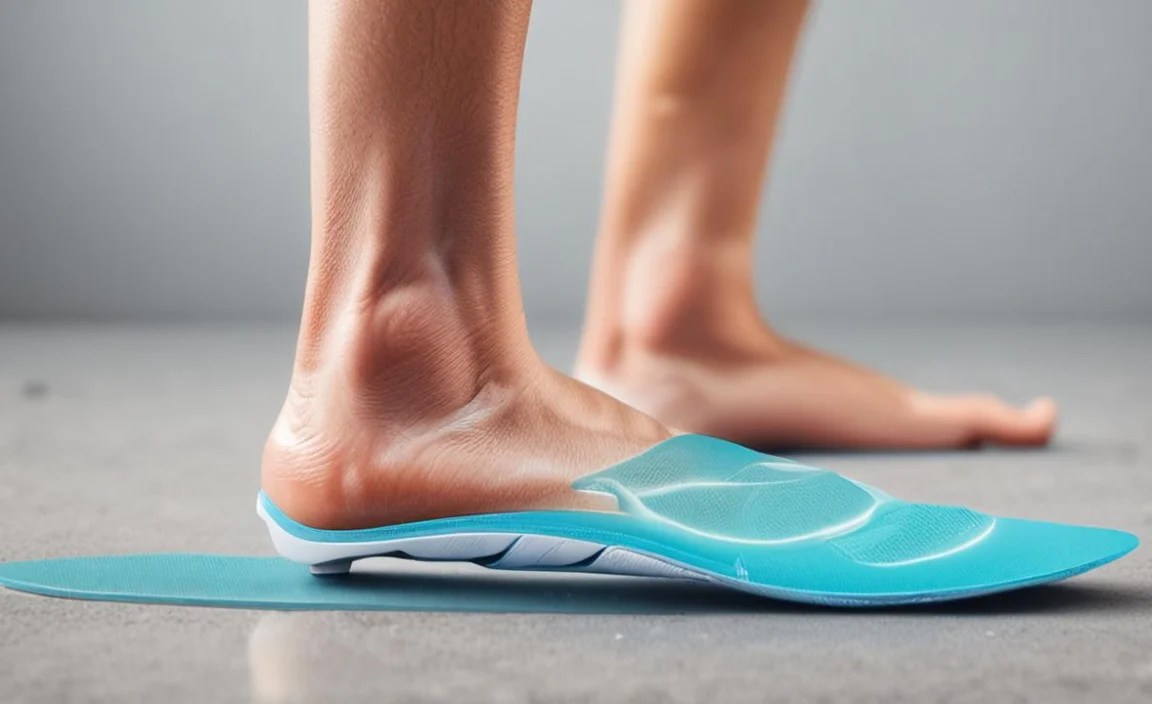
Common causes of heel pain. Different types of heel pain conditions.
Heel pain can make daily activities tough. Many people experience this issue. Common causes include:
- Plantar fasciitis: Involves pain at the bottom of the foot.
- Achilles tendonitis: This affects the back of the heel.
- Heel spurs: Bony growths can form on the heel.
- Bursitis: This is swelling in the heel area.
Different types of heel pain conditions affect how we walk. These issues can stem from uneven surfaces, poor footwear, or activities like running. Understanding them can help find the right treatment.
What are the common types of heel pain?

The most common types of heel pain include: plantar fasciitis, heel spurs, and Achilles tendonitis. They can cause discomfort, especially during activities like walking or running.
The Benefits of Gel Insoles

Advantages of using gel insoles for foot comfort. How gel insoles alleviate heel pain.
Gel insoles offer great foot comfort by cushioning your feet. They help reduce pressure and absorb shock, making every step easier. For those suffering from heel pain, gel insoles work wonders. They provide support where it’s needed most and can improve your posture.
- Extra cushioning: Soft gel helps with comfort.
- Pain relief: Reduces heel pain quickly.
- Shock absorption: Less strain on your feet.
Using gel insoles can make walking and standing enjoyable again!
How do gel insoles help with heel pain?

Gel insoles relieve heel pain by providing extra support and cushioning. This helps take pressure off your heels, allowing for a more comfortable experience while walking.
Choosing the Right Gel Insoles

Factors to consider when selecting gel insoles. Recommended brands and models for heel pain.
Finding the right gel insoles is like choosing the perfect pizza topping—it can make or break your experience! First, think about the level of cushioning you need. Some folks prefer soft and squishy, while others like a firmer feel. Next, consider size and fit. You want them snug, not like a clown’s shoe! Popular brands like Dr. Scholl’s and Superfeet offer great options. Check out the table below for a few recommendations:
| Brand | Model | Type |
|---|---|---|
| Dr. Scholl’s | Comfort & Energy | Good for shock absorption |
| Superfeet | Green | Made for arch support |
| Spenco | Gel Insoles | Designed for maximum comfort |
Remember, the right pair can really help ease that heel pain! It’s like giving your feet their own mini-vacation. How could they refuse?
How to Properly Insert Gel Insoles

Stepbystep guide to inserting gel insoles. Tips for achieving the best fit.
Inserting gel insoles is easy with a few simple steps. Follow this guide for the best fit:
- Start by removing the original insoles from your shoes.
- Place the gel insoles on a flat surface.
- Align the gel insoles with your shoes, making sure they match the shape.
- Trim the gel insoles if needed, using scissors for a perfect size.
- Insert them into your shoes, making sure they fit snugly.
For a comfy feel, make sure the insoles lie flat without wrinkles. Adjust as needed, and enjoy extra support!
How do I know if gel insoles fit correctly?

The insoles should stay in place without slipping. If they feel too tight or uncomfortable, try trimming them more. Always check for a smooth fit.
Tips for Maximizing Effectiveness
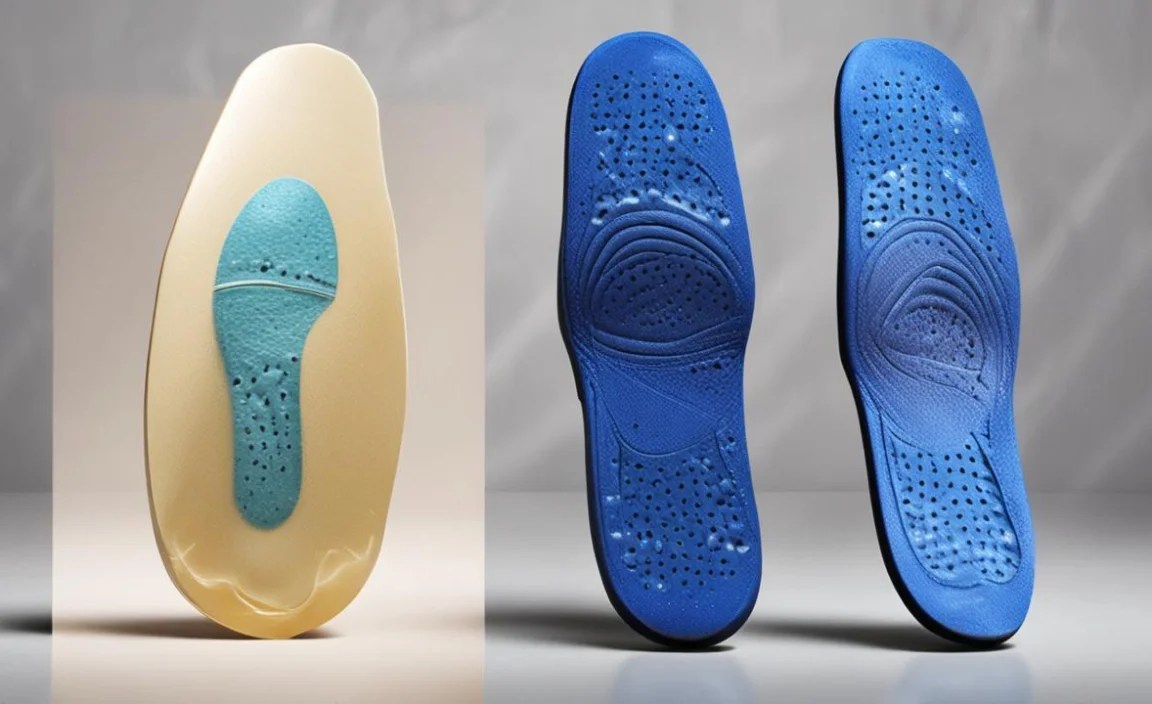
Best practices for wearing gel insoles. Activities to avoid while using gel insoles.
Want to get the most out of your gel insoles? Here are some tips! First, make sure to wear supportive shoes. This helps your insoles work their magic. Avoid high heels or flip-flops; they can ruin your fun and your feet. Did you know that about 75% of people experience foot pain at some point? Don’t be part of that group! Instead, try to walk on soft surfaces. Walking on hard ground is like trying to run a marathon in slippers—ouch! So, kick off your shoes and relax!
| Best Practices | Activities to Avoid |
|---|---|
| Wear supportive shoes | High heels |
| Use the right size insoles | Walking on hard surfaces |
| Replace insoles regularly | Prolonged standing |
Maintenance and Care of Gel Insoles

Cleaning and maintaining gel insoles. When to replace wornout insoles.
To keep your gel insoles fresh, clean them regularly. Use mild soap and water to gently wipe them down. Let them air dry completely before putting them back in your shoes. Replace your insoles if you notice wear, tear, or lack of support. Signs to watch for include:
- Visible cracks or breaks
- Change in shape or thickness
- Unpleasant odors.
Taking care of your insoles helps keep your feet happy and pain-free!
When should I replace my gel insoles?
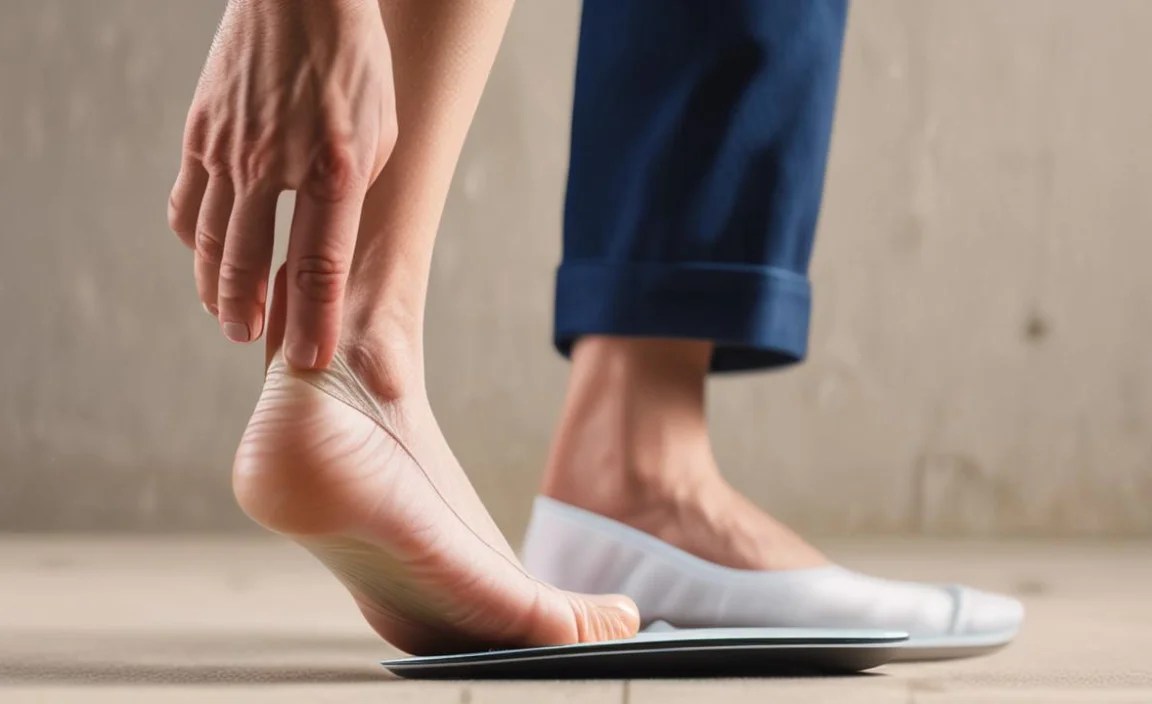
It’s best to check your gel insoles every few months. Look for any signs of damage or change. Generally, you should replace them every 6-12 months for optimum comfort and support.
Consulting a Professional
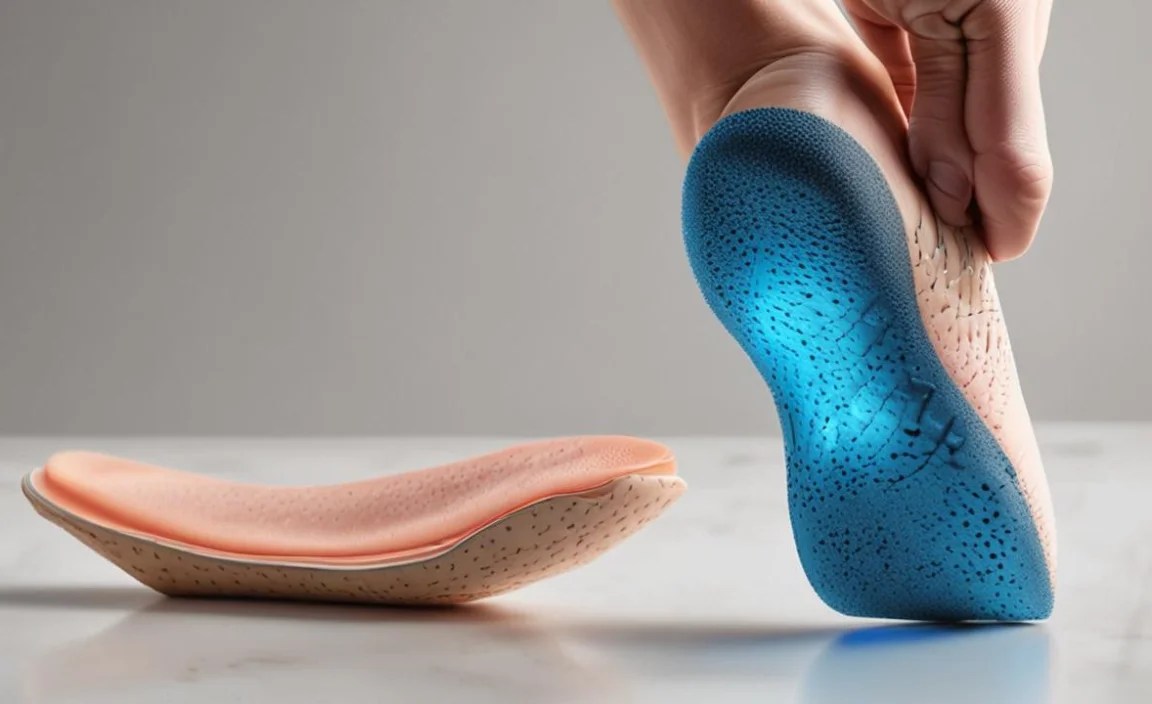
When to see a doctor for persistent heel pain. The role of podiatrists in recommending insoles.
Persistent heel pain can slow you down and affect your daily life. If your pain lasts more than a few days, it’s time to see a doctor. A podiatrist specializes in foot health and can help. They can suggest gel insoles to ease your discomfort. These insoles cushion your feet and support your arches. Proper insoles can make a big difference in how you feel.
When should I see a doctor for heel pain?

Seek medical help if:
- Your pain does not improve with rest.
- Walking becomes difficult or painful.
- You notice swelling or bruising.
Acting fast with heel pain is the best way to get back on your feet. Remember, your health is important!
Conclusion
In conclusion, using gel insoles can really help with heel pain. They cushion your feet and provide support. To get the best results, make sure the insoles fit your shoes properly. You can also try different types to find what feels best. Now, you can take a step towards comfort! For more tips, keep reading or ask a doctor.
FAQs
How Do Gel Insoles Help Alleviate Heel Pain?
Gel insoles can help with heel pain by cushioning your foot. They make walking or running softer and easier. The gel absorbs shocks when you step, which reduces pressure on your heels. This means you can feel more comfortable and enjoy your activities better. Using gel insoles can keep your feet happy!
What Factors Should I Consider When Choosing Gel Insoles For Heel Pain?
When choosing gel insoles for heel pain, think about size. Make sure they fit your shoes well. Comfort is important, so try them on and see how they feel. Look for soft, thick gel that helps cushion your heels. Finally, check if they provide good support for your feet.
How Should Gel Insoles Be Properly Inserted Into Shoes For Maximum Support?
To use gel insoles, first take out the old insoles from your shoes. Then, place the gel insoles inside, making sure they fit well. They should lie flat against the bottom. Press down gently to make sure they stay in place. Now your shoes are ready to give you better support!
Are There Specific Types Of Gel Insoles That Are More Effective For Certain Conditions Causing Heel Pain?
Yes, some gel insoles help more with certain heel problems. If you have plantar fasciitis, insoles with extra arch support can be great. For heel spurs, thicker pads that ease pressure are best. Always pick insoles that feel comfy for your feet!
How Often Should I Replace My Gel Insoles To Ensure They Remain Effective For Heel Pain Relief?
You should replace your gel insoles every 6 to 12 months. They can wear out over time, which makes them less helpful. If you notice any cracks or they feel flat, it’s time for new ones. Keeping your insoles fresh helps your feet feel better!
