Insoles for zero drop boots can significantly enhance comfort and support by cushioning your steps, aligning your foot, and reducing impact, especially when transitioning to a minimalist footwear style. Choosing the right insole ensures you enjoy the natural benefits of zero drop footwear without sacrificing cushioning or relief.
Hey there, fellow comfort seekers and footwear explorers!
So, you’ve embraced the world of zero drop boots. That’s fantastic! You’re likely experiencing a more natural stride, a stronger foot, and maybe even better posture. But if you’re finding those boots a little less cushiony than you expected, or if you’re dealing with some initial foot fatigue, don’t worry. You’re not alone, and there’s a simple solution that can make a world of difference: insoles.
Think of insoles as a little upgrade for your favorite boots. They can add that extra bit of padding, provide gentle support, and help your feet adjust more smoothly to zero drop living. Today, at SoleForShoes, we’re diving deep into how the right insoles can transform your experience with zero drop boots, making them your go-to for everyday adventures. We’ll cover why you might want them, what to look for, and how to pick the perfect pair. Let’s get your feet feeling their best!
Understanding Zero Drop Boots and Why Insoles Matter

Zero drop footwear, including boots, means the heel and the ball of your foot are at the same height relative to the ground. This design mimics the natural position of your foot when barefoot, encouraging a more natural gait and strengthening foot muscles. It’s a wonderful way to reconnect with how our bodies are supposed to move.
However, transitioning to zero drop can sometimes feel stark. Our feet have often become accustomed to the built-in heel of conventional shoes. This is where insoles come in. They aren’t about adding a heel back into your boot, but rather about providing:
- Targeted Cushioning: Zero drop boots often prioritize ground feel. Insoles can add cushioning exactly where you need it most, whether it’s under the ball of your foot or your heel.
- Support and Alignment: While zero drop encourages natural foot function, some people may benefit from mild arch support or heel cupping to help with alignment, especially during the adjustment period.
- Shock Absorption: Every step sends a jolt up your body. Insoles can act as a buffer, absorbing some of that impact and making long walks or standing periods more comfortable.
- Moisture Wicking: Many quality insoles are designed to pull moisture away from your feet, keeping them drier and reducing the risk of blisters or odor.
- Thermal Regulation: Some insoles offer insulation to keep your feet warmer in winter or breathability for warmer months.
Essentially, insoles for zero drop boots are about enhancing the positive aspects of minimalist footwear while mitigating any discomfort during your transition or for specific activities.
What to Look for in Insoles for Zero Drop Boots

When you’re looking for insoles specifically for your zero drop boots, think about what your feet need from a comfort and support perspective. It’s not about changing the zero drop design, but about complementing it.
Key Features to Consider:
- Minimal Heel-to-Toe Drop: This is crucial. While many insoles have a built-in heel, look for those with minimal or no noticeable heel lift. Some are designed to lay flat or have a very subtle gradation.
- Flexibility: Your zero drop boots are likely flexible, and you want insoles that move with your foot. Stiff insoles can hinder the natural mechanics of your foot.
- Material: Different materials offer different benefits.
- Impact Protection: If you’re on harder surfaces or engaging in more active pursuits, shock-absorbing materials like EVA foam or specialized gel inserts are great.
- Arch Support (Optional): If you have flat feet or high arches, you might want a moderate amount of arch support. However, in zero drop, the goal is often to let your arch function naturally, so extreme support might not be ideal.
- Heel Cup: A mild heel cup can help cradle your heel and provide stability without forcing your foot into an unnatural position.
- Breathability and Moisture-Wicking: Especially important for boots worn for long periods or in varying conditions. Materials like merino wool or specialized synthetic fabrics can help.
- Thinness/Profile: You don’t want insoles that make your boots too tight. Look for slim-profile options if your boots have a snug fit.
Types of Insoles and Their Benefits for Zero Drop Boots:
Let’s break down some common types and how they might suit your zero drop boots:
1. Cushioned Insoles
These are your go-to if you crave extra softness and impact absorption. They are often made from EVA foam, polyurethane, or gel. They’re great for adding a cloud-like feel to your boots, making long periods of standing or walking much more pleasant.
Best for: Adding comfort to stiff boots, reducing fatigue on hard surfaces.
2. Supportive/Orthotic Insoles
If you need a bit more guidance for your foot’s alignment, these offer structured support, often with an enhanced arch and a deeper heel cup. For zero drop, it’s important to choose supportive insoles that don’t create a significant heel-to-toe drop or force your foot into rigidity. Look for flexible orthotics that offer gentle guidance.
Best for: Mild overpronation, plantar fasciitis relief, or general arch comfort.
3. Performance Insoles
Designed for active individuals, these insoles often blend cushioning with stability and energy return. They typically use advanced materials to manage shock and propel you forward. For zero drop boots, look for performance insoles with a low profile and flexibility.
Best for: Hiking, running (if your boots are suited for it), or any activity where you’re on your feet a lot.
4. Thermal Insoles
These are fantastic for winter months or for people who tend to get cold feet. They can be made from wool, fleece, or feature reflective materials to trap heat. They add a snug warmth without typically altering the fit of your boot too drastically.
Best for: Cold weather, keeping feet warm and cozy.
5. Odor-Control Insoles
Often made with activated charcoal or antimicrobial treatments, these help combat foot odor. They can be a thin layer added on top of other insoles or serve as standalone options. Essential for any boot worn frequently.
Best for: Keeping boots fresh and reducing odor.
How to Choose the Right Insoles: A Step-by-Step Guide

Picking the perfect insoles for your zero drop boots doesn’t have to be complicated. Let’s break it down into simple steps to ensure you get maximum comfort and support.
Step 1: Assess Your Needs
Before you even start looking, think about why you want insoles:
- Comfort: Are your boots just a bit too firm?
- Pain Relief: Do you have specific issues like plantar fasciitis, arch pain, or heel pain?
- Support: Do you feel like your foot needs a little more guidance during your stride?
- Activity Level: Will you be walking long distances, standing all day, or doing more active things?
- Foot Type: Do you have flat feet, high arches, or neutral arches?
Step 2: Consider Your Zero Drop Boots
Take a look at your boots:
- Removable Insoles: Most zero drop boots come with some form of insert. Can you easily remove them? This is ideal.
- Fit: How much room do you have inside your boots? If they’re already snug, steer towards thinner insoles.
- Boot Material: Are your boots leather, synthetic, or fabric? This might influence how much warmth or breathability you need from your insoles.
Step 3: Read Reviews (Especially for Zero Drop Specifics)
Online reviews are your best friend! Look for feedback from people who also wear zero drop footwear or have similar foot concerns. Pay attention to comments about:
- How the insole affected the boot’s drop (or lack thereof).
- Whether the insole was flexible enough.
- How the cushioning felt over time.
- Durability.
Step 4: Opt for Low-Profile or Flat Insoles
The golden rule for zero drop is to maintain that balanced feel. Prioritize insoles that are:
- Flat or Nearly Flat: Designed to lay as flat as possible.
- Minimal Heel Cup: A slight contour is okay, but avoid deep, raised heels.
- Thin Designs: Especially if your boots have limited space.
Some brands specifically market insoles designed for minimalist or zero drop shoes. These are often a safe bet. For example, brands like Vivobarefoot offer insoles designed to complement their minimalist footwear, often with a focus on natural foot movement and flexibility.
Step 5: Trial and Error (If Necessary)
Don’t be discouraged if the first pair isn’t perfect. Foot comfort is personal. Many retailers offer good return policies, allowing you to try a few options and see what feels best for your feet in your specific boots.
Here’s a quick look at some popular insole types and their general suitability for zero drop boots:
| Insole Type | Pros for Zero Drop Boots | Cons for Zero Drop Boots | Best For |
|---|---|---|---|
| Full Cushioning (EVA/Gel) | Excellent shock absorption, enhanced comfort. | Can sometimes add bulk or a slight heel feel if not designed carefully. | Long walking, standing comfort, general shock reduction. |
| Flexible Arch Support | Provides gentle guidance without hindering natural foot mechanics. | Ensure it’s truly flexible and doesn’t create a rigid feeling. | Mild arch fatigue, a bit more foot stability. |
| Thin, Flexible Inserts | Minimal impact on boot fit, allows natural foot movement. | May offer less cushioning or support for those who need it. | Snug boots, maintaining ground feel, basic comfort boost. |
| Wool/Thermal Insoles | Adds warmth, often comfortable and breathable. | Can sometimes be thicker, so check boot fit. | Cold weather, keeping feet warm. |
Popular Insole Brands and Their Zero Drop-Friendly Options

When scouting for insoles that play nicely with zero drop boots, certain brands stand out for their focus on natural foot function, flexibility, and minimalist design. Here’s a look at some you might want to explore:
1. Superfeet
Superfeet are known for their structured support, but they also offer options that can work. Look for their:
- “Thin” or “Low Volume” models: These are designed to fit into tighter shoes and often have a less pronounced heel.
- “Comfort” or “Everyday” lines: While some have a distinct arch, their less aggressive styles can offer a good balance of cushioning and support without forcing your foot.
- Adaptation: Some users find they can adapt to a slightly more structured insole as their feet get stronger in zero drop shoes.
2. SOLE Footbeds
SOLE specializes in heat-moldable insoles, which is a fantastic way to get a custom fit. Their focus on foot alignment and natural positioning makes them a strong contender. Look for:
- “Active Series” or “Performance Series”: These often offer a balance of support and flexibility.
- “Softec” or “Cushion Plus”: If you want more cushioning, these might be good options.
- Zero Drop Compatibility: SOLE’s design philosophy often aligns well with the principles of zero drop footwear, promoting a neutral footbed.
3. CurrexSole
CurrexSole categorizes its insoles by dynamic foot type (e.g., RunPro, HikePro). While designed for specific activities, the underlying principles of balance and support can be beneficial. Your best bet might be:
- HikePro: If you’re using your zero drop boots for trails, these offer good shock absorption and stability.
- Low Arch models: If you have flatter feet, choosing a low-arch specific insole from Currex can provide support without overcorrection.
4. Powerstep
Powerstep offers a range of orthotic insoles. For zero drop boots, exercise caution and opt for their less aggressive models:
- “Sleek” or “PULSE”: These are often thinner and designed for a more anatomical fit with less pronounced arch support than their more corrective models.
- Look for flexibility: Ensure the insole can bend with your foot rather than resisting movement.
5. DIY/Custom Options
Don’t forget about the original insoles from your zero drop boot manufacturer! If they are removable, they might be well-designed to complement the boot. Sometimes, adding a thin cushioning layer on top of a decent original insole is all you need.
Important Note: Always check the brand’s website or product descriptions for details on heel-to-toe drop or intended use. If in doubt, customer service can often provide helpful insights into an insole’s profile.
Integrating Insoles into Your Zero Drop Boot Routine
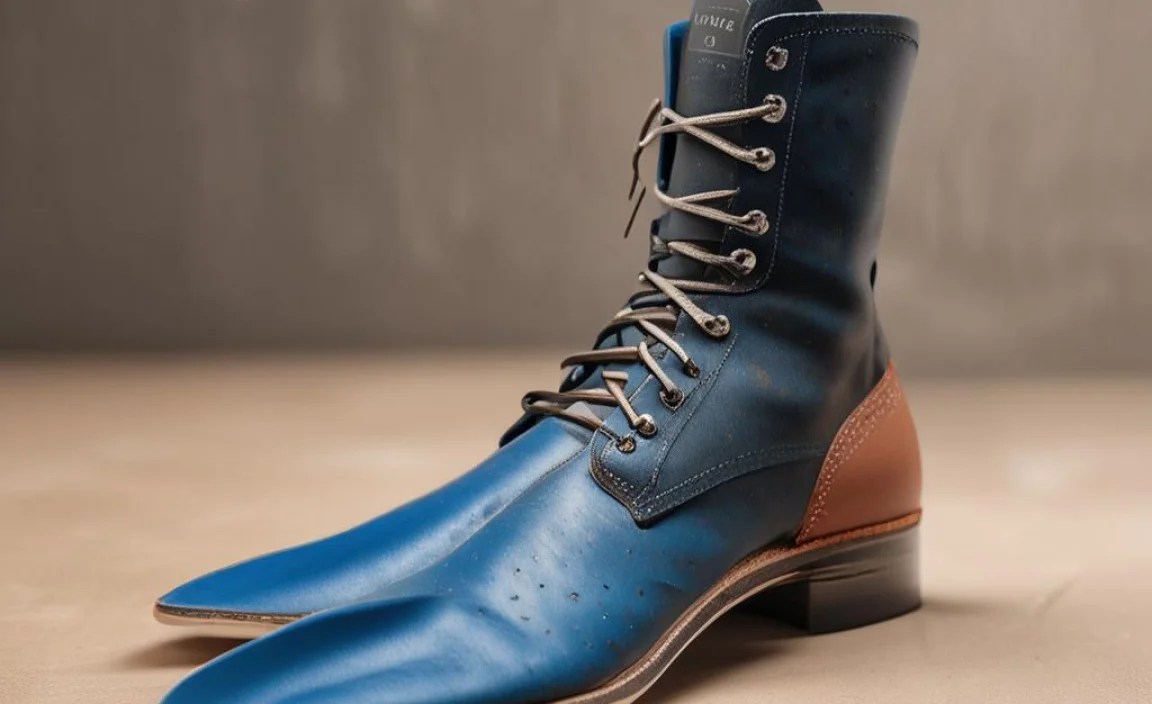
Adding insoles to your zero drop boots is usually straightforward, but there are a few tips to ensure a smooth integration and get the most out of your new comfort upgrade.
The “Swap In” Method:
For most zero drop boots, the process is as simple as replacing the existing insole.
- Remove the factory insole: Gently pull out the original insole that came with your boots. If it’s glued in, you might need to carefully pry it up with a thin, flat tool, but most are designed to be removed easily.
- Insert the new insole: Place your chosen new insole into the boot. Make sure it sits flat and snug against the bottom of the boot.
- Check the fit: Put the boot on with the new insole. Your foot should feel comfortably supported, and the boot should not feel too tight or pinch anywhere. If it’s too snug, you might need a thinner insole or to slightly loosen your boot’s lacing.
Breaking In New Insoles (and Boots):
While insoles are meant for comfort, new ones, especially more supportive ones, might require a short break-in period. Similarly, your feet might still be adjusting to zero drop. Ease into wearing your boots with new insoles:
- Start with short periods of wear (e.g., an hour or two) around the house.
- Gradually increase the duration of wear.
- Pay attention to any new pressure points or discomfort. If something feels off, take a break and try again later.
When to Consider Professional Advice:
If you have persistent foot pain, severe biomechanical issues, or if your discomfort doesn’t subside after trying different insoles, it’s a good idea to consult a professional. A podiatrist or a certified pedorthist can offer personalized advice and may even recommend custom orthotics or specific insole types tailored to your unique foot structure and needs.
For more on understanding foot biomechanics and the benefits of natural movement, resources like the American Podiatric Medical Association (APMA.org) offer valuable information.
Maintaining Your Insoles:
To keep your insoles in top condition and ensure they continue to provide comfort and support:
- Air them out: Remove insoles from your boots after wearing them, especially if your feet tend to sweat. Let them dry in a well-ventilated area.
- Clean them: Follow the manufacturer’s instructions for cleaning. Usually, a damp cloth and mild soap are sufficient. Avoid harsh chemicals or machine washing unless specified.
- Inspect regularly: Check for signs of wear and tear, such as flattening, cracking, or the breakdown of cushioning. Replace them when they start to lose their effectiveness, typically every 6-12 months depending on usage.
