Yes, insoles designed for fishermen’s boots can significantly enhance comfort, reduce fatigue, and support foot health by providing proper cushioning, arch support, and shock absorption, making long days on the water much more bearable.
Spending hours on your feet, especially in demanding environments like a fishing boat deck, can take a serious toll on your feet, legs, and even your back. The constant motion, uneven surfaces, and often wet conditions mean your footwear needs to work overtime. Traditional fishermen’s boots, while designed for protection and waterproofing, might not offer the support or cushioning your feet crave. This can lead to discomfort, fatigue, and even long-term foot issues. But what if there was a simple solution? There is! By adding the right insoles to your fishermen’s boots, you can transform them into incredibly comfortable, supportive footwear. We’ll walk you through everything you need to know to find and use the best insoles for your boots, ensuring your feet are happy, no matter how long you’re out on the water.
Why Your Fishermen’s Boots Need Good Insoles

Fishermen’s boots, often called wellington boots or Wellingtons, are fantastic at keeping your feet dry. They’re built tough to withstand water, mud, and rough terrain. However, their primary design focus is protection, not necessarily long-term comfort or foot health. Many stock insoles that come with these boots are thin and offer little to no cushioning or arch support. This often results in:
- Foot Fatigue: Without adequate shock absorption, every step sends jarring vibrations up through your feet.
- Arch Strain: Lack of arch support can cause your arches to flatten or overstretch, leading to pain.
- Heel Pain: The heel area often bears the brunt of the impact, and a thin boot sole offers minimal protection.
- Aching Legs and Back: Foot discomfort can cascade upwards, affecting your entire kinetic chain.
- Blisters and Hot Spots: Poorly fitting or unsupportive insoles can rub and create pressure points.
Adding quality insoles acts like a customizable upgrade. They provide a supportive foundation, absorb shock, and can help align your foot properly within the boot, leading to a much more comfortable and healthy experience, even after a full day of fishing.
Understanding Insole Basics for Fishermen

When we talk about insoles, we’re really talking about inserts that go into your shoes or boots to improve their comfort, performance, or fit. For fishermen, the key features to look for are:
Types of Insoles
Insoles generally fall into a few main categories, each serving a slightly different purpose:
- Cushioning Insoles: These are all about softness and shock absorption. They’re great for reducing impact and providing a plush feel underfoot, which is perfect for long hours standing.
- Support Insoles (Orthotic-style): These insoles are designed with a more structured shape to provide specific arch support and heel cupping. They help control foot motion and can correct minor biomechanical issues.
- Activity-Specific Insoles: Some brands offer insoles tailored for particular activities. While you might not find many specifically for “fishing,” those designed for standing all day or for wet conditions can be excellent choices.
- Comfort/Everyday Insoles: A good all-rounder, these offer a blend of cushioning and mild support for general comfort.
Key Insole Features for Fishermen’s Boots
Not all insoles are created equal, and for the unique demands of fishing, certain features are paramount:
- Shock Absorption: Essential for minimizing the impact of every step on fishing decks, especially when the boat is moving. Materials like EVA foam or gel are excellent at this.
- Arch Support: Whether you have high arches, low arches, or neutral arches, proper support prevents strain and promotes good alignment. Look for options that match your foot type.
- Heel Cushioning: A deeper heel cup helps cradle the heel, providing stability and absorbing shock where it’s needed most.
- Moisture-Wicking and Odor Control: Working in potentially damp environments means keeping your feet dry and fresh is key. Many performance insoles have top layers that manage moisture and fight odor-causing bacteria.
- Durability: Insoles for this use need to be tough and hold their shape under strain and repeated use in challenging conditions.
- Grip: A good insole shouldn’t slide around inside your boot. Look for a textured bottom or materials that provide some friction against the boot’s interior.
Choosing the Right Insoles for Your Fishermen’s Boots

Selecting the perfect insole involves understanding your own feet and the specific needs of your fishing boots. Here’s a straightforward approach:
Step 1: Assess Your Feet
How do your feet feel at the end of a long day? Do you experience pain in your arches, heels, or the balls of your feet? Understanding your unique discomfort will guide your choice. You can also check your arch type:
- Wet Test: Wet the bottom of your foot and step on a piece of paper.
- High Arch: You’ll see a very narrow band connecting your heel and toe, or possibly no connection at all. You often need more cushioning and some arch support to fill the gap.
- Normal Arch: A clear imprint of your foot, with a noticeable curve inward. You’ll likely benefit from moderate cushioning and balanced support.
- Flat Arch (Low Arch): Your entire foot will leave a print. You need insoles with good pronation control and arch support to help maintain a healthy foot posture.
Step 2: Consider Your Boot Type
Fishermen’s boots are typically tall, waterproof rubber or PVC boots. They often have a roomy fit, which is good because it accommodates thicker insoles. However, some can be quite rigid. You want an insole that:
- Fits the Volume: A boot with lots of space can handle a more substantial insole. If your boots are snug, you might opt for a thinner, low-profile option.
- Doesn’t Slip: The material of the insole should grip the inside of the boot to prevent movement.
- Is Waterproof or Quick-Drying: Given the nature of fishing boots, an insole that can handle moisture is a big plus.
Step 3: Match Insole Features to Your Needs
Based on your foot assessment and boot type, prioritize these features:
- For General Comfort and Long Hours: Focus on excellent cushioning. GEL or high-density EVA foam insoles are excellent.
- For Arch Pain or Overpronation: Look for structured insoles with prominent arch support and heel cups designed to stabilize the foot (e.g., semi-rigid orthotic insoles).
- For Wet Conditions: Seek out insoles made from water-resistant materials like certain types of foam or rubber, and those with moisture-wicking top layers. Some even have drainage channels.
- For Maximum Shock Absorption: Consider insoles with gel inserts or specialized cushioning technologies in the heel and forefoot.
Popular Insole Brands and Models (Beginner-Friendly Recommendations)
While there are many brands, these are known for quality and performance that align well with the needs of those in demanding footwear:
Top Picks for Fishermen’s Boots
| Brand/Model | Key Features for Fishermen | Best For |
|---|---|---|
| Superfeet GREEN | Excellent all-around support, deep heel cup, durable construction. | Neutral arches, moderate to high arches; general comfort & support. |
| Powerstep Pinnacle Multi-Purpose | Semi-rigid arch support, excellent cushioning, targets heel and arch pain. | Flat feet, overpronation, moderate arch pain. |
| SOF Sole Plantar Fasciitis Relief | Targeted cushioning for heel pain, firm arch support, gel padding. | Individuals suffering from plantar fasciitis. |
| Dr.Scholl’s Custom Fit Orthotics (various types) | Available for different foot types and activities; good cushioning and support. | Beginners seeking a widely available, decent option for many foot types. |
| OOFOS OOFITOOL (Recovery Slides – not insole, but relevant) | While not an insole to put in boots, these recovery footwear options are excellent for after long days. They offer superior shock absorption and arch support. | Recovery after strenuous activity, ultimate foot relief. |
How to Insert and Break In Your New Insoles
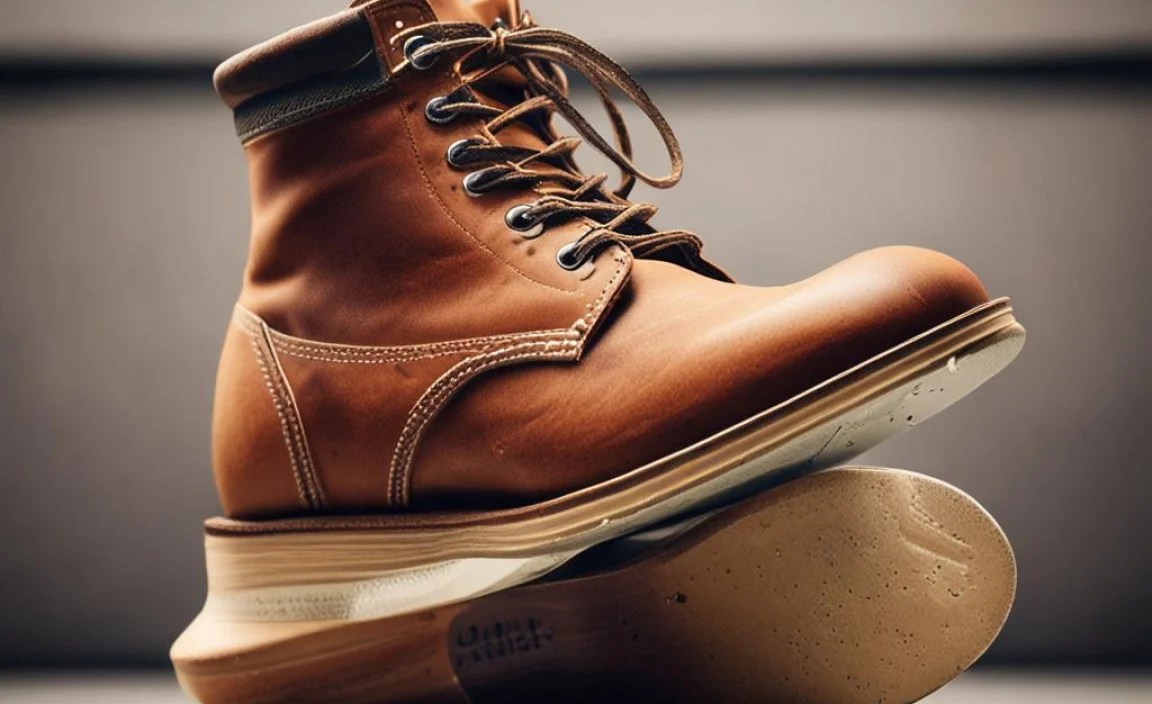
Getting the insoles into your boots is the easy part, but a little care can make a big difference in how they feel and perform.
Step 1: Remove Old Insoles
If your fishermen’s boots have any kind of removable insoles already, take them out. This creates the necessary space for your new insoles and ensures a proper fit without doubling up on layers that might bunch up.
Step 2: Trim If Necessary
Most insoles are designed to be trimmed to fit your specific boot size. Lay your new insole over the original insole or directly into the boot and trace the outline with a pen or pencil. Use sharp scissors or a craft knife to carefully cut along the traced line. Start with a slightly larger size and trim down as needed to ensure a snug, non-bunching fit. Many insoles have guide lines printed on the bottom to help with this.
Step 3: Place the New Insoles
Once trimmed, slide the new insoles into your boots. Make sure they sit flat and don’t wrinkle or fold. The heel of the insole should sit snugly in the heel cup of the boot.
Step 4: The Break-In Period
Even the most comfortable insoles might feel a little different at first. It’s a good idea to break them in gradually, especially if they are more supportive or structured than what you’re used to. Start by wearing them for a few hours at a time for the first few days. You can wear them around the house or for shorter outings before committing to a full day on the water.
Pay attention to how your feet feel. If you experience any discomfort, take a break and try again later. For most people, the insoles will mold to the shape of their feet and boots within a week or two, becoming incredibly comfortable.
Maintaining Your Insoles for Longevity
To get the most out of your investment, proper care is essential. Given the damp and sometimes gritty environment of fishing, this is particularly important:
Regular Cleaning
- Air Them Out: After each use, if possible, remove the insoles from your boots and let them air dry completely. This helps prevent moisture buildup, which can lead to odor and material breakdown.
- Wipe Down: If they get particularly dirty or muddy, wipe them with a damp cloth. For tougher grime, use a mild soap and water solution, then rinse thoroughly with clean water.
- Avoid Harsh Chemicals: Never use harsh detergents, bleach, or solvents, as these can degrade the materials.
Drying Your Insoles
This is crucial for fishermen’s boots:
- Natural Air Drying: The best method is to simply leave them in a well-ventilated area, away from direct heat or sunlight, which can cause them to warp or become brittle.
- Avoid Direct Heat: Do not place insoles near radiators, in direct sunlight for extended periods, or use hair dryers, as excessive heat can damage the cushioning and supportive structures.
When to Replace Your Insoles
Insoles don’t last forever, even high-quality ones. You’ll know it’s time for a new pair when:
- They flatten out: The cushioning is gone, and they no longer feel supportive.
- Visible wear and tear: You see significant fraying, cracking, or holes in the material.
- Persistent foot pain returns: If the relief you once felt is gone, your insoles have likely lost their effectiveness.
- They start to smell: Even with cleaning, some materials can permanently absorb odors.
For most active users, insoles typically last between 6 months to a year. For less frequent use, they might last longer.
The Impact of Proper Footwear on Fishing Performance
Comfortable feet aren’t just about feeling good; they directly impact your ability to perform your best when fishing. When your feet hurt, your focus shifts from the task at hand to your discomfort. This can lead to:
- Reduced Stamina: Foot pain drains your energy, making you tired sooner.
- Decreased Balance: Pain can affect your natural gait and balance, which is critical on a moving boat deck.
- Slower Reaction Times: Discomfort can make you less agile and slower to react to changing conditions or the need to move quickly.
- Poor Posture: When you’re in pain, your body compensates by adopting awkward postures, which can lead to strain in ankles, knees, hips, and back.
By equipping your fishermen’s boots with supportive insoles, you’re investing in sustained comfort, which translates directly into better focus, increased stamina, and improved overall well-being during your fishing trips. Think of it as a performance enhancement for your feet!
Frequently Asked Questions (FAQ)
Q1: Can I put any type of insole into my fishermen’s boots?
While you can technically fit many insoles, it’s best to choose ones designed for comfort and support, ideally with some moisture-wicking or water-resistant properties. Very thin, flimsy insoles might not offer enough benefit, while overly thick, rigid ones could make your boots too tight.
Q2: How do I know if I need arch support insoles?
If you experience arch pain, or if your arches tend to flatten significantly when you stand (low arches), then arch support insoles would likely be beneficial. They help maintain the natural shape of your foot and distribute pressure more evenly.
Q3: Are gel insoles good for fishermen’s boots?
Yes, gel insoles can be excellent for fishermen due to their superior shock absorption, particularly in the heel. However, ensure they have a good surrounding material for support and consider how they might interact with moisture; some gel insoles can be less breathable.
Q4: My fishermen’s boots are already quite bulky; will insoles make them too tight?
Fishermen’s boots often have a generous fit, so usually, a standard or even a semi-thick insole will fit comfortably. If your boots feel snug, opt for thinner profile insoles or trim them carefully. Removing any existing thin liner is always a good first step.
Q5: How long should I wear my new insoles before expecting them to feel comfortable?
It’s recommended to break them in gradually. Start with a few hours a day for the first few days. Most insoles will feel significantly more comfortable and molded to your feet within 7-14 days of regular use.
Q6: Can insoles help with plantar fasciitis in my fishermen’s boots?
Absolutely. Insoles specifically designed for plantar fasciitis relief, which typically offer firm arch support and targeted heel cushioning, can make a huge difference when worn in supportive footwear like well-cushioned fishermen’s boots.
Q7: Do I need special insoles for wet conditions?
While not strictly mandatory, insoles made with water-resistant or quick-drying materials, and those with moisture-wicking top layers, will perform better. They help manage sweat and any water that might ingress, keeping your feet drier and reducing the risk of blisters and odor.
