Quick Summary: Toddler flat feet often require supportive insoles to encourage proper arch development, improve comfort, and prevent potential future foot issues. Choosing the right insoles for your little one is key to their healthy walking journey. We’ll guide you through it.
Insoles For Toddlers Flat Feet: Essential Support for Little Steps

Seeing your little one take their first wobbly steps is a joy! But if you’ve noticed their feet look a bit… flat? You’re not alone. Many toddlers have naturally flat feet, and it’s usually not a cause for alarm. However, sometimes, providing a little extra support can make a world of difference in their comfort and how their feet develop. Think of arch support insoles as tiny helpers for those growing, exploring feet. This guide will walk you through everything you need to know about finding the best insoles for your toddler’s flat feet, making sure those precious first steps are supported every step of the way.
We’ll explore why toddlers get flat feet, when insoles might be a good idea, and what to look for when choosing them. We’ll also share some tips on how to make sure your toddler wears them comfortably. Ready to give your little one’s feet the best start? Let’s dive in!
Understanding Toddler Flat Feet
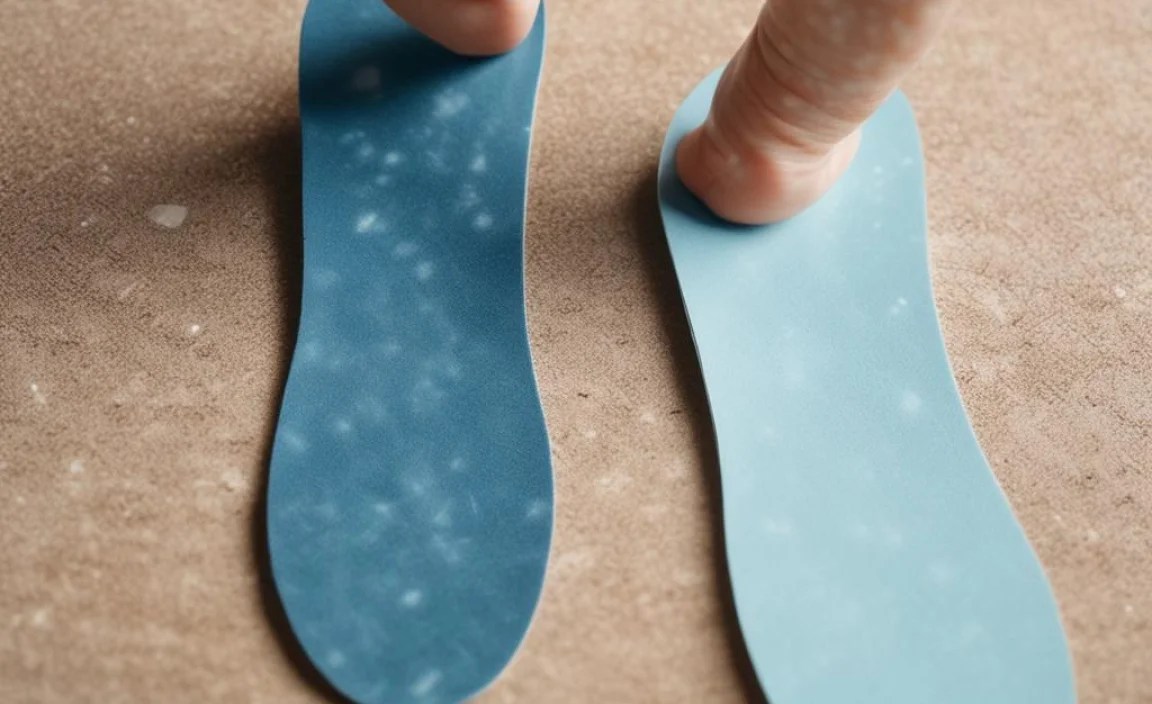
It’s quite common for toddlers to appear to have flat feet. This is because the ligaments in their feet are usually more flexible, and the fat pad on the sole of their foot can make the arch look less pronounced. For many children, as they grow, their arches will develop naturally. This is a normal part of development and typically resolves on its own by the time they’re about 5 to 7 years old.
However, in some cases, flat feet can be a sign of an underlying issue, or they might cause discomfort or affect gait as the child becomes more active. When the arch doesn’t develop, or if it causes problems, it’s called structural flatfoot or pediatric pes planus. It’s always a good idea to have your pediatrician or a podiatrist check your child’s feet if you have concerns. They can determine if your child’s flat feet are physiological (normal) or pathological (requiring intervention).
Why Might A Toddler Need Insoles?
For most toddlers with flat feet, no intervention is needed. Their arches will develop over time. But, if a young child’s flat feet are causing issues, insoles (also known as orthotics) can be beneficial. These are specially designed inserts that fit into the child’s shoes to provide support and help guide the foot into a more optimal position.
Here are some reasons why insoles might be recommended:
- Pain or Discomfort: If your toddler complains of foot pain, leg pain, or seems uncomfortable when walking or running, insoles can help.
- Tiredness or Fatigue: Children with flat feet may tire more easily during physical activities because their feet aren’t as efficient at absorbing shock.
- Abnormal Gait: If your toddler walks with their feet turned excessively inward or outward, or seems to stumble frequently, insoles might help correct their stride.
- Progressive Flatfoot: In rarer cases, flat feet can worsen over time. Insoles can help slow this progression.
- To Encourage Arch Development: While not a guaranteed cure, supportive insoles can help create a better environment for the arch to form as the child’s foot grows.
It’s crucial to remember that insoles are not always necessary. A professional evaluation is the best way to determine if your child would benefit from them. The American Academy of Pediatrics offers extensive information on children’s foot health and development, which can be a great resource for parents.
What to Look for in Toddler Insoles

When choosing insoles for your toddler, the focus should be on gentle support, comfort, and durability. Overly rigid orthotics are usually not recommended for young children, as their feet are still developing and need flexibility. The best insoles for toddlers with flat feet are generally:
Key Features of Toddler Insoles:
- Arch Support: Look for insoles that offer a mild to moderate arch contour. This helps to gently guide the foot and encourage the development of the plantar arch.
- Heel Cup: A well-defined heel cup can help stabilize the heel, which is important for overall foot alignment.
- Cushioning: Toddlers are active! Good cushioning will absorb shock and provide comfort during play and walking, reducing fatigue.
- Flexible Construction: The insole should be flexible enough to move with your child’s foot. Avoid very stiff or hard materials.
- Breathable Materials: Little feet can get sweaty. Materials that allow for airflow will help keep feet dry and reduce the risk of irritation or odor.
- Proper Fit: The insole should fit comfortably inside your toddler’s shoe without making it too tight. It should cover most of the shoe’s interior.
- Durability: Toddlers are tough on shoes and insoles. Choose a pair made from materials that can withstand regular wear and tear.
It’s often best to purchase insoles from reputable brands that specialize in children’s foot care or orthotics. Some brands offer different levels of support, so you can choose what’s most appropriate for your child’s specific needs, as advised by a healthcare professional.
Types of Insoles for Toddlers’ Flat Feet

There are a few main categories of insoles you might encounter when looking for support for your toddler’s flat feet. The best choice will depend on the severity of the flatfoot, your child’s comfort, and any recommendations from a doctor.
Over-the-Counter (OTC) Insoles
These are readily available at pharmacies, shoe stores, and online. They offer general arch support and cushioning and are a good starting point for mild cases or for general comfort. Look for options specifically labeled for arch support or designed for active children.
Semi-Custom or Molded Insoles
These insoles are made from a mold or 3D scan of your child’s foot. They offer a more precise fit and targeted support than OTC options. They are often recommended by podiatrists or physical therapists and can be a significant step up in effectiveness if your child has more complex foot mechanics.
Custom Orthotics
These are the most specialized type, prescribed and made by a podiatrist after a thorough examination and casting of the foot. They are designed to address very specific biomechanical issues. For toddlers, custom orthotics are typically reserved for more severe flatfoot conditions or when other interventions haven’t been successful. While highly effective, they are also the most expensive option.
For most parents, starting with a high-quality OTC insole with good arch support is a practical first step. If this doesn’t provide sufficient relief or if a healthcare professional has concerns, then exploring semi-custom or custom options might be the next best move.
When to Seek Professional Advice
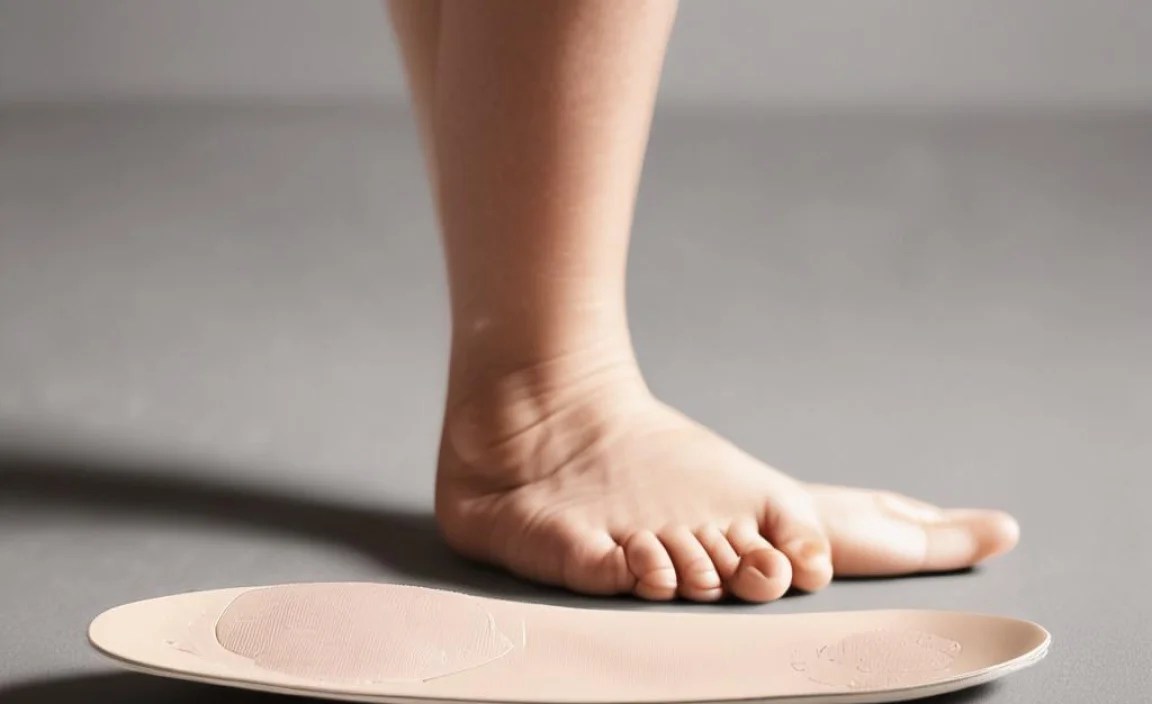
While many toddlers’ flat feet resolve on their own, there are times when it’s important to consult a healthcare professional. A pediatrician, pediatric podiatrist, or a physical therapist can properly assess your child’s feet and provide guidance.
Consider seeking professional advice if:
- Your toddler complains of foot pain, leg pain, or ankle pain.
- They seem to consistently tire easily during play compared to their peers.
- You notice their shoes wearing out very quickly and unevenly.
- Their gait appears significantly awkward, with excessive inward or outward turning of the feet.
- The flatfoot condition seems to be worsening.
- There is stiffness in the foot or ankle.
- You have any personal or family history of significant foot deformities or conditions.
A healthcare professional can perform a gait analysis, check for flexibility and range of motion, and may recommend imaging if necessary. They can also advise whether insoles are appropriate, and if so, what type would be best suited for your child’s needs. The Mayo Clinic provides excellent resources on foot health for children, often emphasizing early detection and appropriate management.
Choosing the Right Shoes for Toddler Flat Feet
The shoes your toddler wears are just as important as the insoles they use. The right shoes provide a stable foundation and a good fit for insoles.
What to Look For in Toddler Shoes:
- Proper Fit: Ensure shoes are not too big or too small. There should be about a thumb’s width of space between the longest toe and the end of the shoe.
- Firm Heel Counter: The back of the shoe that cups the heel should be firm and not easily squeezed. This helps with heel stability.
- Supportive Midsole: The sole should be relatively flat and not overly flexible through the arch.
- Removable Insoles: Ideally, the shoes should have removable insoles so you can replace them with supportive orthotics without making the shoe too tight.
- Adequate Depth: The shoe needs to be deep enough to accommodate the insole without crowding your child’s foot.
- Secure Closure: Velcro straps or laces that allow for a snug and adjustable fit are best.
Avoid shoes that are too soft, flimsy, or that bend easily in the middle. While trendy, overly flexible “barefoot” style shoes might not offer enough structured support for toddlers who need orthotics, though they can be great for children who don’t have specific foot concerns and are encouraged to develop their foot muscles.
How to Introduce Insoles to Your Toddler
Getting a toddler to wear anything new can be a challenge, and insoles are no exception! The key is to introduce them gradually and make it a positive experience.
Step-by-Step Introduction:
- Start Slowly: Begin by having your toddler wear the shoes with insoles for short periods, like 15-30 minutes at a time. You can do this while they are just playing around the house.
- Positive Reinforcement: Offer praise and encouragement. Make it a fun game. “Wow, look how fast you’re running with your super-powered shoes!”
- Gradually Increase Wear Time: As your toddler gets used to the insoles, slowly increase the duration they wear them throughout the day.
- Monitor for Discomfort: Pay close attention to your child’s cues. If they seem uncomfortable, are limping, or trying to take the shoes off, it might be too much too soon, or the insoles might not be fitting correctly.
- Ensure Proper Fit in Shoes: Double-check that the insoles aren’t making the shoes too tight or causing rubbing.
- Make it Fun: Let them choose their shoes (from your pre-approved, orthotic-friendly options!). Sometimes, decorating or personalizing their shoes with stickers can make them more appealing.
Consistency is important. Once your child is accustomed to them, aim for them to wear the insoles anytime they wear shoes, both indoors and outdoors, if recommended by a healthcare provider.
Insole Reviews: What Parents Say
Real-world experiences can be incredibly helpful! While individual results vary, here’s a summary of common feedback from parents regarding insoles for their toddlers’ flat feet.
| Type of Feedback | Common Comments |
|---|---|
| Initial Hesitation | Many parents report their toddlers were reluctant at first, fussing with shoes or trying to remove them. Patience and gradual introduction were key. |
| Improved Comfort | A significant number of parents noticed their children experienced less fatigue after playtime, complained less about their feet, or seemed more willing to walk and run. |
| Noticeable Gait Changes | Some parents observed a subtle improvement in their child’s walking pattern, with less inward-turning of the feet over time. |
| Durability Concerns | Toddlers are active! Some parents found certain insoles wore out faster than expected, especially with frequent outdoor play. Looking for robust materials helped. |
| Professional Recommendation Value | Parents who received recommendations from podiatrists or physical therapists often had more positive and targeted results. |
Remember to read specific product reviews for brands you are considering. Pay attention to comments about materials, ease of cleaning, and how well they hold up to active play.
When Do Toddler Arches Typically Develop?
This is a question many parents have! For the vast majority of children, the appearance of flat feet in toddlerhood is normal. The arch begins to form as the bones, muscles, and ligaments mature. Here’s a general timeline:
- Birth to 2 Years: Feet are typically very flat due to a fat pad and flexible ligaments.
- Ages 3-4 Years: You might start to see a hint of an arch, especially when the child stands on their tiptoes.
- Ages 5-7 Years: Most children will have developed a visible arch by this age.
- Beyond Age 7: If a noticeable arch has not developed by this age, or if there are other concerns, it’s more important to consult a healthcare professional.
This development is a natural process. Insoles are typically considered when there are symptoms of pain or functional issue
