Quick Summary: Telecom techs, get essential comfort and support for your boots with the right insoles. Choosing insoles designed for demanding jobs reduces fatigue, prevents pain, and enhances overall foot health, ensuring you can tackle any installation or repair efficiently and comfortably.
Insoles For Telecom Techs Boots: Essential Comfort for Your Stride

Working as a telecom technician means long hours on your feet, often in challenging environments. Your boots are your primary defense against the elements and the stresses of the job, but are they truly supporting you? Many standard issue or even high-quality work boots lack the essential cushioning and support needed for prolonged wear. This can lead to foot pain, fatigue, and even long-term issues. But don’t worry, there’s a simple solution: the right insoles. These can transform your work boots from merely protective gear into foot-friendly companions. Let’s discover how the perfect insoles can bring essential comfort to your demanding workday.
In this guide, we’ll walk through why insoles are a game-changer for telecom techs, what to look for when choosing them, and how to get the most out of your new comfortable foot support.
Why Telecom Techs Need Specialized Insoles
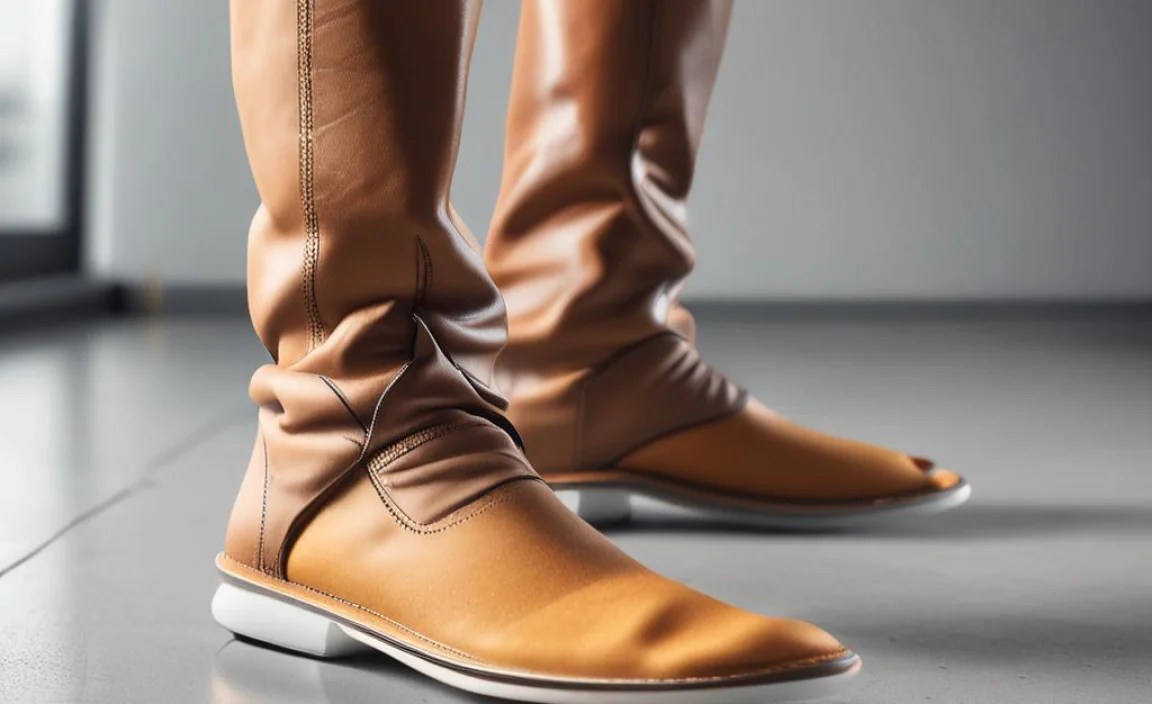
The life of a telecom technician is anything but sedentary. You’re climbing ladders, navigating uneven terrain, crouching for extended periods, and carrying heavy equipment. Your feet take a beating, day in and day out. Standard boot footbeds are often flat, offering minimal arch support or shock absorption. This can lead to a cascade of foot problems:
- Plantar Fasciitis: Inflammation of the thick band of tissue that runs across the bottom of your foot.
- Metatarsalgia: Pain and inflammation in the ball of your foot.
- Heel Spurs: Bony protrusions on the underside of the heel bone.
- Shin Splints: Pain along the shinbone.
- Achilles Tendinitis: Inflammation of the Achilles tendon.
- General Fatigue: Tired, aching feet and legs long before your shift is over.
Insoles, also known as orthotics or inserts, are designed to be placed inside your boots to provide targeted support, cushioning, and alignment. For telecom techs, this translates directly into:
- Enhanced Comfort: A plush, supportive layer that reduces pressure points and absorbs impact.
- Reduced Fatigue: Proper support helps your feet work more efficiently, decreasing muscle strain.
- Pain Relief: Addresses existing foot pain and helps prevent new issues from developing.
- Improved Posture and Alignment: Can help correct overpronation or supination, leading to better overall body mechanics.
- Increased Durability for Boots: By absorbing shock, insoles can help protect the internal structure of your boots, potentially extending their lifespan.
Understanding Insole Basics: What Makes a Good Insole?

Not all insoles are created equal. They range from simple cushioning pads to highly specialized medical-grade orthotics. For telecom techs, the best insoles will often strike a balance between robust support, durable cushioning, and a comfortable fit within your work boots.
Here are key features to consider:
1. Support and Arch Design
This is arguably the most critical factor. Your arch is the natural shock absorber of your foot. Insoles can enhance this function.
- Neutral/Flat Arch: If your feet have less pronounced arches or flatten significantly when you walk (overpronation), you might need insoles with moderate to high arch support to help lift and stabilize your foot.
- High Arch: If you have very high arches, your feet may not absorb shock well. You might need insoles with softer cushioning and a more accommodating shape that distributes pressure evenly, rather than trying to “fill” the arch.
- Flat Feet (Pes Planus): These feet lack a noticeable arch. Insoles with significant structural support are often beneficial to prevent overpronation.
- Neutral Arches: Most people have this. A well-structured insole with moderate support can still enhance comfort and performance.
Many insoles offer different levels of arch support (e.g., low, medium, high). It’s often a good idea to identify your arch type before purchasing. You can do this by performing the “wet test”: wet your feet, step onto a piece of cardboard or dark paper, and examine the imprint. A full footprint suggests flat feet, a footprint with a thin connection between the heel and ball of the foot suggests a high arch, and a partial imprint is usually a neutral arch.
2. Cushioning and Shock Absorption
Telecom techs are constantly on their feet, and many work surfaces are hard. Good cushioning is essential to absorb the impact from every step. Look for insoles made from materials like:
- EVA (Ethylene Vinyl Acetate): A common, lightweight, and shock-absorbent foam that offers good cushioning.
- Polyurethane: More durable than EVA, offering excellent shock absorption and support, often used in athletic or heavy-duty insoles.
- Gel or Silicone: Often used in targeted areas like the heel or forefoot to provide extra shock absorption and pressure relief.
- Memory Foam: Molds to the shape of your foot for personalized comfort, but can sometimes lose its support over time if not combined with a more robust base.
3. Material and Breathability
Your feet can get hot and sweaty in work boots, especially during a busy day. Breathable materials help wick away moisture and prevent odor. Look for insoles with:
- Moisture-Wicking Top Layers: Fabrics like polyester or specialized synthetic blends can help keep your feet dry.
- Antimicrobial Treatments: Some insoles have built-in treatments to combat bacteria and odor.
- Ventilation Channels: Some insoles are designed with perforations or channels to allow air circulation.
4. Durability and Construction
Since you’ll be using these daily in demanding conditions, durability is key. Cheaper insoles may break down quickly, losing their support and cushioning. Consider insoles made with:
- Reinforced Heel Cups: A deeper heel cup helps stabilize the foot and prevent it from sliding.
- Sturdy Base Layers: A firm foundation, often made from denser foam or semi-rigid materials, provides lasting support.
- High-Quality Cover Materials: The fabric on top should be abrasion-resistant to withstand daily wear.
A good pair of insoles can last anywhere from 6 to 12 months, depending on the material, your activity level, and the severity of your footstrike. Replacing them regularly is crucial for continuous support and comfort.
Choosing the Right Insoles for Your Telecom Tech Boots

Given the variety of insoles available, selecting the best ones for your telecom tech boots can feel overwhelming. Here’s a step-by-step approach to help you make an informed decision.
Step 1: Assess Your Needs
Before browsing, take a moment to understand what you need most. Are you primarily seeking arch support, shock absorption, relief from heel pain, or overall comfort during long shifts? Consider your typical workday activities. Do you spend a lot of time on ladders, walking on concrete, or navigating rough outdoor terrain?
Step 2: Identify Your Foot Type
As mentioned earlier, understanding your arch type is fundamental. Perform the wet test, or observe your foot’s natural shape when standing. This will guide you toward insoles designed for your specific foot mechanics.
Step 3: Consider Your Boots
The available space inside your boots also plays a role. Some boots have more room than others.
- Low-Volume Boots: If your work boots are already snug, you’ll need thinner, low-profile insoles that won’t make them too tight.
- Mid-Volume Boots: Offer more flexibility. You can generally use standard thickness insoles.
- High-Volume Boots: May accommodate thicker, more supportive insoles.
It’s usually best to remove the existing insole (if your boot has one) before inserting a new one. This not only makes space but also prevents your boot from having too many layers that could alter the fit negatively.
Step 4: Research and Compare Options
Once you know your needs and foot type, you can start looking at specific products. Here’s a comparison of common types of insoles:
| Insole Type | Best For | Pros | Cons | Typical Price Range |
|---|---|---|---|---|
| Cushioning Insoles | General comfort, shock absorption | Soft underfoot, absorb impact, widely available. | Minimal structural support, can be less durable. | $15 – $30 |
| Supportive/Stabilizing Insoles | Arch support, overpronation/supination, general foot alignment. | Provide structure, correct biomechanical issues, good durability. | Can feel firm initially, may require break-in period. | $25 – $50 |
| Activity-Specific Insoles (e.g., Hiking, Work) | Designed for high-impact or long-standing activities. | Balanced cushioning and support, durable materials, specific features for particular needs. | May be more specialized than needed. | $30 – $60 |
| Maximum Support/Orthotic Insoles | Severe foot pain, biomechanical issues, recommended by podiatrists. | Most effective for correcting foot problems, highly durable, excellent support. | Can be expensive, often rigid, may require professional fitting. | $50 – $150+ |
For telecom techs, a good balance between cushioning and support is often ideal, making Supportive/Stabilizing Insoles or Activity-Specific Insoles a strong starting point. Brands like Superfeet, Powerstep, Currex, and SOLE offer excellent options tailored for work and active lifestyles. Look for models that explicitly mention work boots or heavy-duty support.
Step 5: Consider Material and Breathability
Polyurethane or durable EVA insoles with moisture-wicking top layers are often a good choice for work environments. If your feet tend to get hot, prioritize models with built-in ventilation or breathable fabrics.
Step 6: Read Reviews
Online reviews can be invaluable for checking real-world performance. Look for reviews from individuals who have similar jobs or wear similar types of boots. Pay attention to comments about durability, comfort during long shifts, and how well the insoles fit into work boots.
Step 7: Try Them On (If Possible)
If you can purchase insoles from a brick-and-mortar store, try them on inside your work boots. Walk around a bit to get a feel for the support and comfort. If buying online, check the return policy in case they don’t work out.
Common Types of Insoles and Their Benefits for Telecom Techs

Let’s delve deeper into the types of insoles that can make a significant difference in your daily comfort and foot health as a telecom technician.
1. Supportive Insoles (Orthotic Inserts)
These are designed to provide structured support to your foot’s natural arches and help maintain proper alignment. They often feature a contoured shape with built-in arch support and a deep heel cup.
- Benefits for Telecom Techs: Ideal for preventing or alleviating issues like plantar fasciitis and general arch fatigue. They help distribute body weight more evenly, reducing stress on the feet and legs, which is crucial when standing for long periods or walking on uneven surfaces. A stable foot also contributes to better balance, important when working at heights or in precarious positions.
2. Cushioning Insoles
These insoles prioritize shock absorption and a softer feel underfoot. They are typically made from softer foams, gels, or padded materials.
- Benefits for Telecom Techs: Great for jobs that involve a lot of impact, such as walking on hard concrete or landing after minor drops. They provide immediate comfort and can help reduce the jarring sensation experienced with every step, leading to less overall fatigue.
3. Stability Insoles
These combine elements of support and cushioning. They offer a firmer base than pure cushioning insoles but are often more flexible than rigid orthotics. They aim to provide a stable platform for the foot while still allowing for some natural movement and shock absorption.
- Benefits for Telecom Techs: Often the “sweet spot” for telecom techs, offering a good blend of support for long hours and cushioning for impact on varied terrain. They help mitigate the effects of overpronation (foot rolling inward) or supination (foot rolling outward), common issues that can lead to pain in the feet, ankles, knees, and even hips.
4. Work-Specific or Heavy-Duty Insoles
Many brands now offer insoles specifically marketed for work boots. These are typically made with more durable materials, enhanced cushioning, and robust support features tailored for the demands of tradespeople.
- Benefits for Telecom Techs: These are often the most straightforward choice. They are designed to withstand the harsh conditions of a worksite, resist compression over time, and provide the specific support needed for prolonged standing and physical labor. Look for features like reinforced heels, durable top fabrics, and shock-absorbing midsoles.
When choosing, consider a reputable brand that offers a range of options. For instance, SOLE Footbeds, known for their heat-moldable insoles, or Superfeet’s Work series, can be excellent choices. These brands often detail the specific arch support and cushioning levels of their products, making it easier to match them to personal needs.
How to Use and Maintain Your New Insoles
Once you’ve selected the perfect insoles, proper use and maintenance will ensure they provide maximum benefit and longevity.
1. Introduction into Your Boots
Remove Existing Insoles: If your boots have removable insoles, take them out. This creates the necessary space for the new insoles and prevents the boots from becoming too tight, which can cause discomfort and affect fit.
Placement: Simply slide the new insoles into your boots, ensuring they lie flat and fit snugly against the boot’s interior. Some insoles have a specific left/right designation; make sure to place them correctly.
Break-in Period: Some insoles, especially those with more rigid support, may require a short break-in period. Start by wearing them for a few hours a day and gradually increase the duration. This allows your feet to adapt to the new support and helps the insoles conform slightly to your foot’s unique shape.
2. Cleaning and Care
Regular cleaning will help keep your insoles fresh, hygienic, and effective.
- Daily Airing: After work, remove your insoles from your boots and let them air out. This helps to dry out any moisture and reduce odor.
- Spot Cleaning: For light dirt or marks, use a damp cloth with mild soap and water. Gently scrub the insoles and wipe them clean.
- Washing (if applicable): Some insoles are machine washable, while others are not. Always check the manufacturer’s instructions. If washing, use cool water and mild detergent. Avoid harsh chemicals or high heat.
- Drying: Never put insoles in a dryer or expose them to direct heat, as this can damage the materials and compromise their shape and support. Air dry them completely away from direct sunlight or heat sources.
3. When to Replace Your Insoles
Insoles don’t last forever. You’ll know it’s time for a new pair when you notice:
- Loss of Cushioning: The insoles feel flat and offer less shock absorption.
- Reduced Support: You start experiencing foot fatigue or pain again, similar to when you were wearing your old insoles.
- Visible Wear: The materials are breaking down, cracking, or wearing thin.
- Persistent Odor: Despite cleaning, a strong odor remains, indicating the antimicrobial properties have diminished or bacteria have accumulated.
- Approximately 6-12 Months: This is a general guideline. Heavy use, rough conditions, and your body weight can shorten this lifespan.
Replacing your orthotics regularly is an investment in your ongoing foot health and comfort, crucial for performing your job effectively and without pain.
Advanced Considerations for Telecom Techs
Beyond the basics, several factors can further optimize your insole experience.
1. Heat Moldable Insoles: Custom Comfort
Some insoles, like those from SOLE Footbeds or Superfeet, are designed to be heat-moldable. This process, usually done at home with a hairdryer or oven.
