Quick Summary: Insoles for teens in sports offer proven comfort by cushioning impact, improving alignment, and reducing fatigue. They can boost performance and prevent common sports-related foot and leg pain by providing targeted support and stability for growing feet. Choosing the right insole is key for a comfortable and active youth.
Insoles for Teens in Sports: Proven Comfort and Performance Boost

Teenage years are packed with energy, discovery, and a whole lot of running, jumping, and playing sports! But sometimes, all that activity can lead to sore feet, aches, and even pain. It’s frustrating when discomfort holds you back from enjoying your favorite games or training sessions. The good news is, there’s a simple yet effective way to help your feet feel better and perform stronger: insoles! These special inserts can make a big difference, giving your feet the support and cushioning they need to keep you comfortable and active. Let’s dive into how insoles can bring proven comfort to teen athletes.
Why Active Teens Need Extra Foot Support
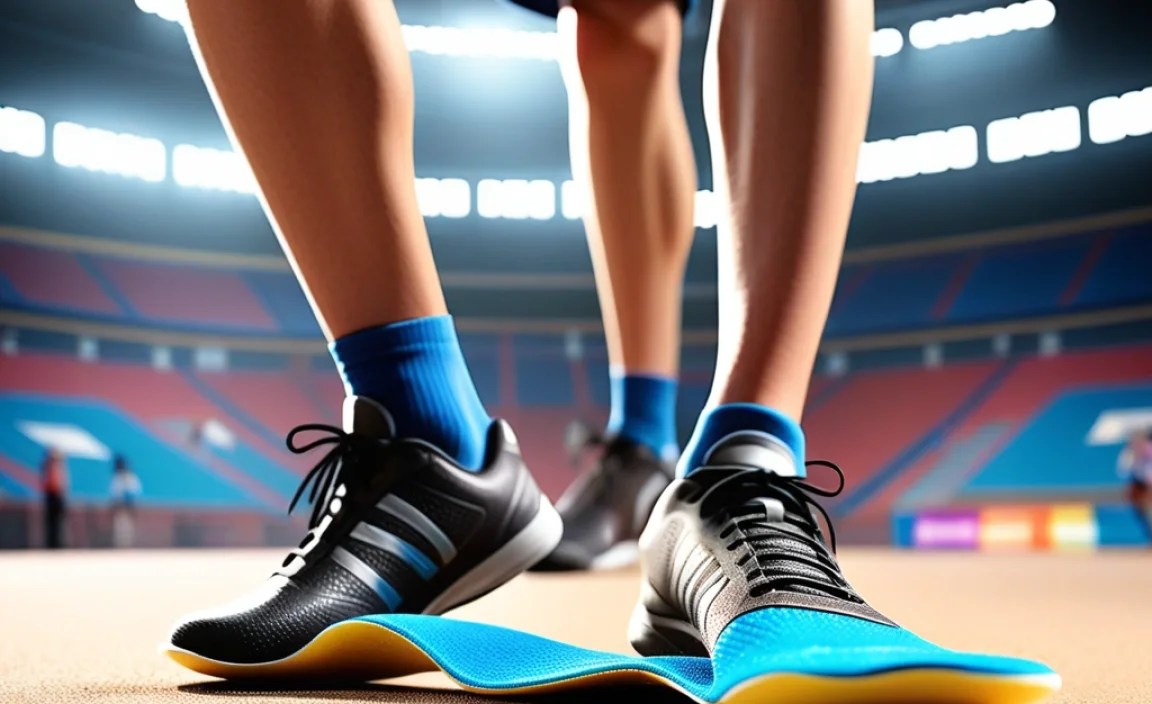
Teenage feet are still developing, and they often bear the brunt of intense physical activity. Sports involve constant pounding, jarring motions, and quick changes in direction. This can put a lot of stress on developing arches, heels, and ankles. Without adequate support, teens can experience a range of issues:
- Foot Pain: Common complaints include arch pain, heel pain (like plantar fasciitis), and general soreness.
- Shin Splints: Pain along the shin bone, often caused by overuse and poor foot mechanics.
- Ankle Sprains: Weak or unstable ankles are more prone to injury during sports.
- Knee and Hip Pain: Foot alignment directly affects the rest of the body. Poor foot support can lead to pain higher up in the legs and even the back.
- Reduced Performance: When feet hurt or feel unstable, it’s hard to run faster, jump higher, or focus on the game.
Research from institutions like the American Academy of Orthopaedic Surgeons highlights how proper foot support is crucial for preventing overuse injuries, especially in active individuals. Insoles are designed to address these very issues, offering a layer of support and cushioning that standard athletic shoes might not provide.
Understanding Insoles: More Than Just a Shoe Filler

Insoles, often called orthotics or shoe inserts, are designed to fit inside your shoes. They work in several key ways to enhance comfort and support:
- Cushioning: They absorb shock from impact, reducing stress on your feet, ankles, and knees.
- Arch Support: They help to support the natural arch of the foot, preventing it from flattening excessively (overpronation) or arching too high (supination).
- Alignment: They can help correct subtle misalignments in the foot and ankle, leading to better posture and biomechanics.
- Stability: They provide a more stable base, reducing the wobbling effect that can lead to ankle sprains.
- Pain Relief: By addressing the underlying causes of discomfort, insoles can significantly reduce or eliminate foot and leg pain.
For teens, whose bodies are still growing and adapting, the right insole can be a game-changer. It’s like giving their feet an extra layer of protection tailored to their sport and their unique foot structure.
Types of Insoles for Teen Athletes

Not all insoles are created equal, and the best one for your teen will depend on their sport, foot type, and specific needs. Here’s a breakdown of common types:
1. Cushioned Insoles
These are generally softer and focus on providing maximum shock absorption. They’re great for sports with a lot of jumping and impact, like basketball, volleyball, or running.
- Best for: High-impact sports, reducing fatigue, general comfort.
- Materials: Often made from foam, gel, or air pockets.
- Pros: Excellent shock absorption, very comfortable for long wear.
- Cons: May offer less firm support for significant biomechanical issues.
2. Supportive Insoles
These insoles offer a firmer level of support, particularly for the arch. They are designed to help control pronation (when the foot rolls inward too much) or supination (when the foot rolls outward). These are often recommended for teens with flat feet or high arches.
- Best for: Overpronation, supination, athletes needing improved alignment.
- Materials: Harder foams, plastics, or composite materials.
- Pros: Excellent for correcting biomechanical issues, provide stability.
- Cons: Can be less comfortable initially if not properly fitted; may feel too rigid for some.
3. Performance Insoles
These are engineered to enhance athletic performance. They often combine cushioning with features that promote energy return, stability, and a snugger fit within the shoe. They might have features like heel cups for stability and contoured designs for a better feel.
- Best for: Competitive athletes looking to optimize performance and prevent injuries.
- Materials: Advanced composites, specialized foams, and carbon fiber elements.
- Pros: Can improve efficiency, provide a responsive feel, combine support and cushioning.
- Cons: Can be more expensive; may require a break-in period.
4. Over-the-Counter (OTC) vs. Custom Orthotics
Most teens will do well with high-quality OTC insoles. These are readily available and offer a good balance of support and comfort. However, for more severe foot conditions or specific athletic needs, custom orthotics prescribed by a podiatrist might be necessary. Custom orthotics are molded precisely to the individual’s feet and are very effective but also much more expensive.
According to the American Podiatric Medical Association (APMA), understanding your foot type is the first step to finding relief. While they don’t specifically review brands, they emphasize the importance of proper support for overall foot health.
Choosing the Right Insoles for Your Teen Athlete: A Practical Guide
Selecting the best insoles for your teen doesn’t have to be complicated. Follow these steps to make an informed choice:
Step 1: Identify the Sport and its Demands
Different sports put different pressures on the feet. Consider:
- High-Impact Sports (basketball, running, volleyball): Focus on cushioning and shock absorption.
- Cutting/Agility Sports (soccer, tennis, football): Prioritize stability, arch support, and a snug fit to prevent foot rolling.
- Endurance Sports (long-distance running, cycling): Look for comfort, support, and moisture-wicking properties for long-duration activity.
- Walking/General Activity: A good all-around cushioned or supportive insole will work well.
Step 2: Consider Your Teen’s Foot Type
Observe your teen’s feet. Do they:
- Have flat feet (low arches)? They likely overpronate and need insoles with good arch support and stability.
- Have high arches? They may supinate and need insoles with excellent cushioning and flexibility to absorb shock.
- Have normal arches? They might be able to use a wider variety of insoles, focusing on cushioning and general support.
A simple way to check is the “wet test”: have your teen wet their feet and step onto a piece of cardboard or dark paper. The imprint left will show their arch type.
Step 3: Read Reviews and Look for Quality Materials
Once you have an idea of what you’re looking for, check out reviews for specific brands and models. Look for:
- Durable materials that won’t break down quickly under stress.
- Breathable fabrics to help manage moisture and prevent odor.
- Good cushioning (e.g., gel, EVA foam) without being mushy.
- Rigid or semi-rigid support structures for arch and heel control.
Step 4: Check the Shoe Fit
Insoles take up space inside a shoe. Ensure the athletic shoes your teen is wearing have enough depth to accommodate the insoles comfortably without making the shoe feel too tight. Some athletic shoes are designed with removable insoles, making it easier to swap them out.
Step 5: Try Them On (If Possible)
If buying in person, have your teen wear their athletic socks and try the insoles inside their athletic shoes. They should feel a noticeable difference in comfort and support immediately.
Top Features to Look For in Teen Sports Insoles
When browsing for insoles, keep an eye out for these beneficial features:
- Deep Heel Cups: These cup the heel bone, providing stability and cushioning for the heel, which is crucial during impact.
- Contoured Arch Support: Designed to match the natural curve of the foot, offering support without being too rigid or uncomfortable.
- Moisture-Wicking Top Covers: Keeps feet drier and cooler, reducing the risk of blisters and odor.
- Shock-Absorbing Materials: Gel, advanced foams (like EVA), or air units create a comfortable buffer against impact.
- Durable Construction: Look for insoles that are built to last and withstand the rigors of sports.
How to Introduce and Use Insoles for Maximum Benefit
Getting your teen to wear insoles is usually easy if they experience immediate comfort. However, there are a few best practices:
1. Gradual Introduction
For rigid or supportive insoles, advise your teen to wear them for short periods initially, gradually increasing the time. This allows their feet to adjust and helps prevent soreness. Start with an hour or two of wear during a practice or game, and build up from there.
2. Proper Placement
Ensure the insoles are placed flat and securely inside the shoe. They should not bunch up or shift around, as this can cause discomfort and reduce their effectiveness.
3. Clean and Dry Routine
To keep insoles fresh and hygienic, encourage your teen to remove them from their shoes after sports and let them air dry. Most insoles can be gently cleaned with mild soap and water, then air-dried. Avoid machine washing or drying, as this can damage the materials.
4. When to Replace
Insoles don’t last forever. Signs that it’s time for a new pair include:
- Reduced cushioning or support (they feel flat).
- Visible wear and tear, such as cracks or holes.
- Persistent foot pain returning.
- A noticeable increase in foot odor that cleaning doesn’t resolve.
Generally, OTC insoles last between 6 to 12 months, depending on usage and activity level. Performance-oriented insoles might have a shorter lifespan due to their construction.
Addressing Growing Pains: Insoles and Young Athletes
Teenage athletes are still growing, and their bodies can be more susceptible to certain injuries like Sever’s disease (heel pain) or Osgood-Schlatter disease (knee pain). These conditions are often linked to overuse and biomechanical stress. Insoles can play a vital role in managing and preventing these by:
- Shock Absorption: Reducing the impact on growth plates in the heel and shin.
- Pronation Control: Aligning the foot and ankle properly to distribute forces more evenly along the leg.
- Comfort: Providing a more comfortable base for activities, allowing teens to train and compete with less discomfort.
It’s always a good idea to consult with a healthcare professional, like a pediatrician or podiatrist, if your teen experiences persistent pain. They can assess if insoles are appropriate or if other treatments are needed.
Insoles vs. Shoe Inserts: A Quick Clarification
Sometimes, people use the terms “insoles” and “shoe inserts” interchangeably. However, there can be a distinction:
- Insoles (often referring to): Generally thicker, offer more substantial support and cushioning. They are designed to improve foot mechanics and comfort.
- Shoe Inserts: Can be thinner and may primarily focus on cushioning or odor control without significant structural support.
For teen athletes, when we talk about improving comfort and performance, we are usually referring to supportive insoles that offer both good cushioning and biomechanical benefits.
Popular Insole Features for Teen Sports: A Comparison
Here’s a look at how different features pair up for various sports needs:
| Feature | Best For Sports Like: | Primary Benefit | Consider If: |
|---|---|---|---|
| Maximum Cushioning (Gel/Air) | Running, Basketball, Volleyball | Shock Absorption, Reduced Fatigue | High-impact activities; complaint of heel or ball-of-foot pain. |
| Firm Arch Support (Rigid/Semi-Rigid) | Soccer, Tennis, Court Sports | Alignment, Stability, Overpronation Control | Flat feet; feeling of foot rolling inward; arch pain. |
| Contoured Fit & Heel Cup | All Sports, Especially Agility | Stability; Prevents Foot Slipping | Frequent ankle rolls; need for a secure feel in shoes. |
| Breathable Top Layer | Long-Duration Sports, Warm Climates | Moisture Management, Blister Prevention | Sweaty feet; issues with foot odor. |
Myths About Insoles Debunked
There are a few misconceptions about insoles that are worth clearing up:
Myth 1: Insoles are only for people with foot problems.
Fact: While insoles are excellent for pain relief, many athletes use them preventatively to enhance comfort, improve performance, and avoid injuries, even if they don’t currently have pain.
Myth 2: All insoles feel hard and uncomfortable.
Fact: Insoles come in various levels of firmness and cushioning. Many are designed for immediate comfort and can feel better than the standard shoe insole.
Myth 3: You can’t wear insoles in sports shoes.
Fact: Many athletic shoes are designed to accommodate insoles, especially those with removable factory insoles. Performance insoles are specifically made to integrate well with athletic footwear.
Myth 4: Insoles are a quick fix and don’t last.
Fact: High-quality insoles, with proper care, can last for many months to over a year, providing ongoing support and comfort.
FAQ: Your Questions About Teen Sports Insoles Answered
Q1: How can insoles help my teen’s comfort during sports?
Insoles provide extra cushioning to absorb shock from running and jumping, reducing impact on the feet, ankles, and knees. They also offer arch support to keep the foot aligned, which can prevent fatigue and discomfort during activity.
Q2: My teen has flat feet. What kind of insoles are best?
For flat feet, insoles with good arch support and stability are crucial. These help to control pronation (the inward rolling of the foot) and provide a more balanced foundation, reducing strain on the arches and lower legs.
Q3: How do I know if my teen’s insoles need replacing?
Replace insoles when they feel less supportive or cushioned, show visible signs of wear like cracks, or if your teen’s foot pain starts to return. Typically, this is between 6-12 months of regular use.
Q4: Can insoles actually help my teen perform better in their sport?
Yes, by providing better stability, reducing fatigue, and improving biomechanics, insoles can help teens move more efficiently and comfortably. This can translate to improved endurance, better agility, and sustained performance during games and practices.
Q5: Should my teen wear insoles all the time, or just during sports?
It’s often best to start by wearing insoles during sports and then gradually increasing wear time to everyday activities if they provide comfort. For specific conditions recommended by a doctor, wearing them more consistently might be advised.
Q6: What’s the difference between over-the-counter insoles and custom orthotics for teens?
Over-the-counter (OTC) insoles are mass-produced and budget-friendly, offering a range of support and cushioning. Custom.
