Standing for long hours as a sonographer demands comfortable feet. Insoles designed for extended standing provide crucial support, cushioning, and pain relief. Investing in the right insoles can significantly improve your workday comfort and long-term foot health.
As a sonographer, you spend a significant portion of your day on your feet, carefully maneuvering equipment and focusing on detailed imaging. This constant standing can take a toll on your feet, leading to aches, fatigue, and even more serious conditions over time. But what if there’s a simple, effective way to make those long shifts more bearable and protect your precious feet? There is! This guide will walk you through everything you need to know about using insoles to bring essential comfort to your standing sonography work.
You’ll learn why standing all day is tough on your feet, how insoles can help, what to look for in the best insoles for your profession, and how to get the most out of them. We’ll cover everything from basic foot anatomy to practical buying advice, ensuring you can make an informed choice for better comfort and health.
Why Standing All Day is Tough on Sonographers’ Feet

Sonography is a demanding profession, not just mentally but physically too. The requirement to stand for extended periods, often in the same position or with minimal movement, creates consistent pressure on the feet, ankles, and lower legs. Our feet are marvels of engineering, but they have limits, especially under such prolonged stress.
When you stand for hours, gravity works against you. It pulls blood down towards your feet, which can lead to swelling and a feeling of heaviness. The arches of your feet, which act as natural shock absorbers, are constantly engaged, leading to fatigue. Without adequate support, these arches can start to flatten, contributing to conditions like plantar fasciitis (heel pain) and shin splints. The repetitive impact, even from standing, can also cause micro-trauma to the tissues in your feet.
Think about it: your feet are bearing your entire body weight, often for 8, 10, or even 12 hours straight. Add to this the potential for wearing non-ideal footwear or working on hard, unforgiving floors, and you’ve got a recipe for foot-related discomfort. This discomfort isn’t just a minor annoyance; it can affect your concentration, your mood, and your overall quality of life outside of work.
How Insoles Offer Essential Comfort and Support

Insoles, also known as shoe inserts or orthotics (though “insoles” is a more general term for over-the-counter options), are designed to be placed inside your shoes to enhance their comfort and performance. For sonographers, they can be a game-changer by addressing the specific challenges of prolonged standing.
Here’s how they work their magic:
- Cushioning and Shock Absorption: High-quality insoles are made from materials like EVA foam, gel, or memory foam that absorb impact from hard surfaces. This reduces the stress on your feet, heels, and joints with every step and even just by standing.
- Arch Support: Proper arch support is crucial. Insoles help to maintain the natural curve of your foot’s arch, preventing it from collapsing. This distributes your weight more evenly, reducing pressure points and alleviating strain on the arch and heel.
- Alignment and Stability: Some insoles are designed to help correct mild pronation (where your foot rolls inward) or supination (where it rolls outward). By promoting better foot alignment, they can improve posture and reduce stress on your ankles, knees, and even your back.
- Reducing Fatigue: By providing better support and cushioning, insoles help your feet work more efficiently. This means less muscle fatigue by the end of your shift, allowing you to feel more energetic and comfortable.
- Pain Relief: For those already experiencing foot pain, such as plantar fasciitis, heel spurs, or general arch pain, insoles can offer immediate relief by reducing pressure on the affected areas and providing a more comfortable walking and standing surface.
It’s important to remember that insoles are not a one-size-fits-all solution. The ‘best’ insole depends on your specific foot type, the type of pain you experience, and the shoes you wear. But for sonographers, the benefits of adding the right insoles are substantial.
Choosing the Right Insoles for Sonographers: What to Look For
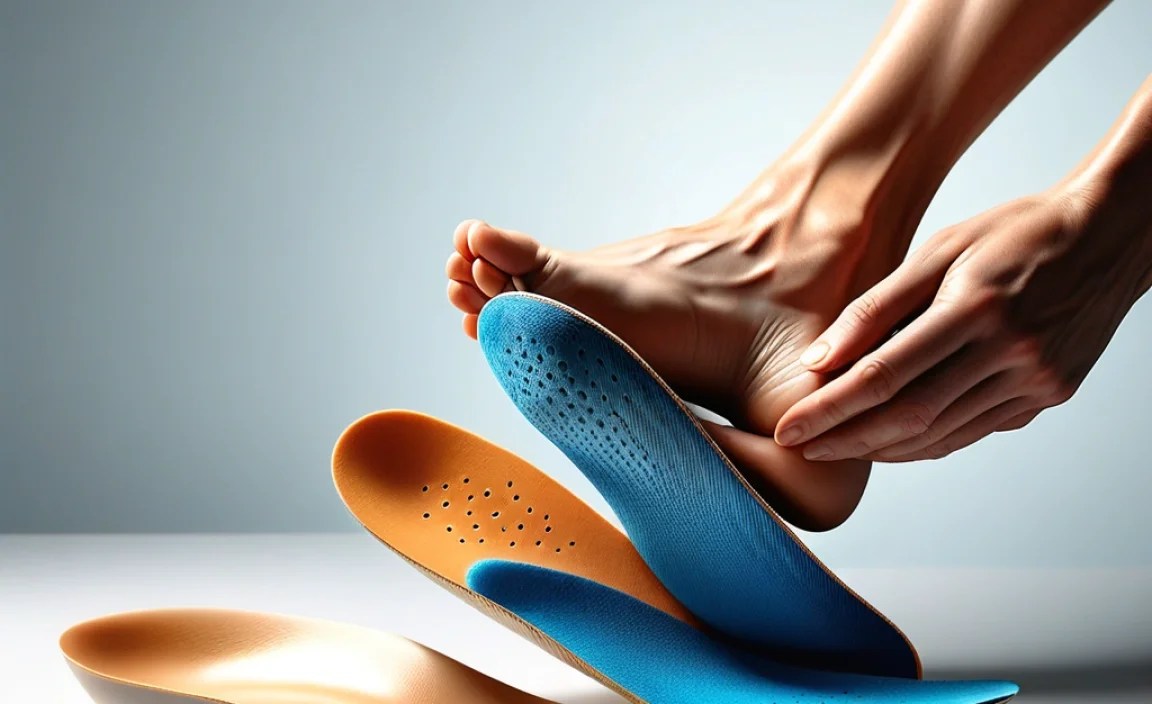
Navigating the world of insoles can seem overwhelming, but by focusing on a few key features, you can find ones that will make a real difference in your workday. Remember, your goal is to find insoles that provide comfort and support specifically for standing for long periods.
1. Type of Support
Insoles come with varying levels of support. For sonographers who are standing for extended periods, a medium to firm level of support is often most beneficial. This provides enough rigidity to support your arches and maintain good foot alignment without being uncomfortably stiff.
- Soft/Flexible: Offer good cushioning but less structural support. Might be good for very mild fatigue but less ideal for significant standing.
- Medium/Semi-Rigid: A good balance of cushioning and arch support. This is often the sweet spot for long-standing jobs.
- Firm/Rigid: Offer maximum support and control for foot motion. These can be excellent for pronation or supination issues but might feel too stiff if you don’t need that level of correction.
2. Cushioning Material
The material used for cushioning plays a big role in comfort and shock absorption. Different materials offer different feels and levels of durability:
- EVA (Ethylene-vinyl acetate): A common, lightweight, and shock-absorbent foam that offers good cushioning.
- Memory Foam: Conforms to the shape of your foot, providing personalized comfort and cushioning. It can be very comfortable but may wear out faster than EVA.
- Gel: Excellent for shock absorption and can provide a responsive, springy feel. Gel insoles can be very durable.
- Cork: A natural material that can mold to your foot over time and offers good support and breathability.
For standing occupations, a combination of cushioning and supportive materials often works best. For example, an insole with a supportive base and a good layer of EVA or gel cushioning on top provides both structure and shock absorption.
3. Heel Cup Depth
A deeper heel cup can provide more stability by cradling your heel bone. This helps to keep your heel bone aligned properly, which can improve overall foot and ankle stability, especially important when standing for long stretches.
4. Durability
Since you’ll be wearing these insoles every day for long hours, durability is key. Look for insoles made from high-quality materials that won’t quickly break down or lose their cushioning and support. Reviews can often give you a good indication of how long an insole typically lasts.
5. Fit Within Your Shoes
It’s essential that the insoles fit comfortably within your work shoes without making them too tight. The best insoles often have a relatively low profile so they can be easily added to most shoe types, but some might have a more substantial build. Consider the following:
- Full-length vs. ¾ length: Full-length insoles extend from heel to toe, offering complete foot coverage. ¾ length insoles stop before the toes and can be good for shoes with less room in the toe box, or if you don’t feel you need arch support all the way to your toes.
- Trimming: Many insoles can be trimmed to perfectly fit your shoe size.
6. Breathability
Standing for long hours can lead to sweaty feet, which can cause discomfort and odor. Look for insoles with breathable materials or perforations to help keep your feet cooler and drier.
Top Insole Features for Sonographers
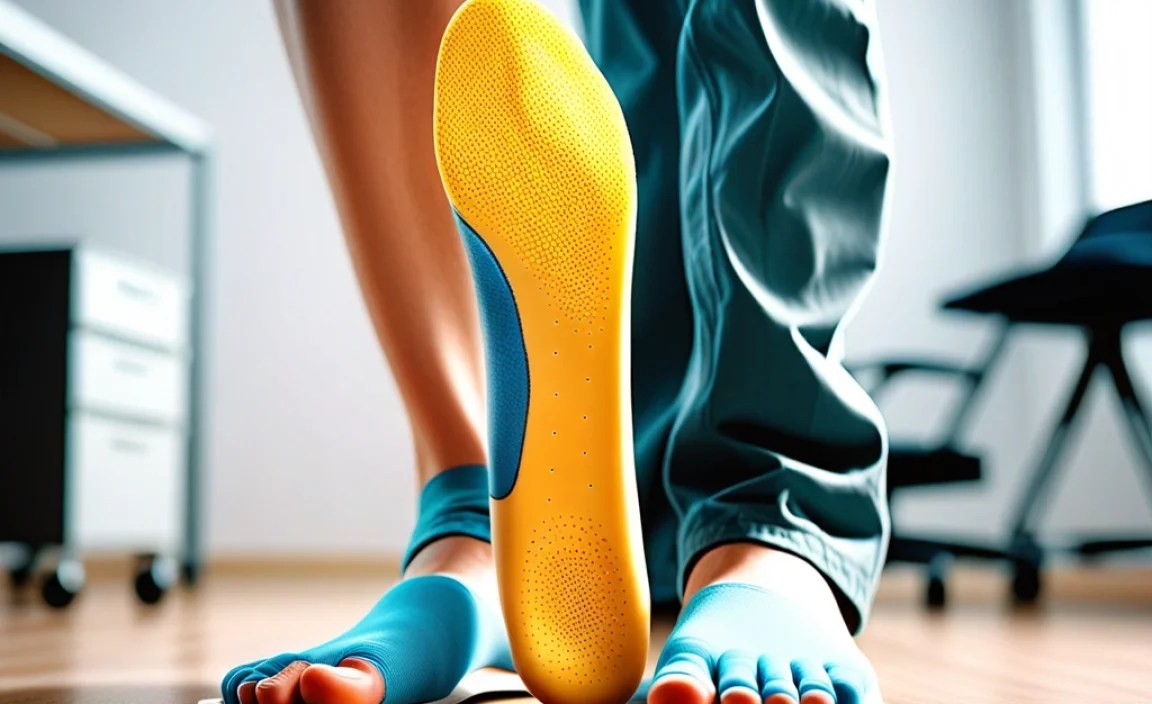
When you’re primarily standing, certain features become more critical. Here’s a breakdown of what to prioritize:
| Feature | Why It Matters for Sonographers | Example Use Case |
|---|---|---|
| Deep Heel Cup | Provides stability for the heel bone, improving alignment and shock absorption during prolonged standing. | Helps prevent foot fatigue and discomfort by keeping the heel in a more neutral position on hard surfaces. |
| Firm Arch Support | Maintains the natural shape of your foot’s arch, preventing collapse and distributing weight evenly. Crucial for long hours. | Reduces strain on the plantar fascia and metatarsals, common sources of pain for those on their feet all day. |
| Ample Cushioning (EVA/Gel) | Absorbs the repeated impact of standing on hard floors, reducing stress on joints and metatarsals. | Makes standing on unforgiving surfaces feel less jarring and more comfortable throughout the entire shift. |
| Moisture-Wicking Top Layer | Keeps feet drier and cooler, reducing friction and the risk of blisters or fungal infections. | Helps manage sweat buildup that can occur from standing in enclosed shoes for extended periods. |
| Metatarsal Pad (Optional but helpful) | A small cushion under the ball of the foot can relieve pressure and pain in that area, which can get aggravated by standing. | Beneficial if you experience burning sensations or sharp pains in the ball of your foot after long standing periods. |
Common Foot Problems Solved by Insoles for Sonographers
Standing for long periods without proper support can lead to or aggravate several common foot issues. Insoles are often recommended as a first line of defense or as a supplementary treatment for these conditions:
- Plantar Fasciitis: This is a common cause of heel pain, characterized by inflammation of the plantar fascia, a thick band of tissue that runs across the bottom of your foot. Insoles with good arch support and heel cushioning can alleviate the strain on the plantar fascia.
- Metatarsalgia: Pain or inflammation in the ball of the foot. Insoles with a metatarsal pad and distributed cushioning can help reduce pressure on this area.
- Achilles Tendinitis: Inflammation of the Achilles tendon, which connects your heel bone to your calf muscles. Proper heel support and cushioning from insoles can help reduce tension on the tendon.
- General Foot Fatigue and Soreness: Even without a specific diagnosis, many people experience tired, aching feet after long hours of standing. Insoles provide the necessary support and shock absorption to combat this widespread discomfort.
- Shin Splints: While often associated with running, prolonged standing on hard surfaces can also contribute to shin pain. Insoles that improve foot mechanics and shock absorption can help alleviate this.
- Knee and Back Pain: Poor foot mechanics can affect your alignment all the way up your body. Insoles that promote better posture and alignment can indirectly help reduce strain on your knees and back. A study published in the Journal of Foot and Ankle Surgery noted how orthotics can influence biomechanics.
How to Use Insoles for Maximum Benefit
Simply buying a pair of insoles isn’t enough; using them correctly will ensure you get the most comfort and relief possible. Follow these steps:
- Choose the Right Insoles: Based on the information above, select insoles that match your foot type (e.g., high arch, flat arch), the type of support you need, and your work shoes.
- Prepare Your Shoes: If your shoes have existing insoles (often called sock liners), remove them. This creates the most space for the new insole and prevents the shoes from becoming too tight.
- Insert the Insoles: Place the new insoles into your shoes, making sure they lie flat and the heel cup is properly seated against the back of your shoe.
- Trim if Necessary: If the insoles are too long for your shoes, carefully use scissors to trim them to fit. It’s often best to place your original shoe insole (if removed) or your foot into the shoe with the insole to mark the correct length. Trim a little at a time to avoid over-trimming.
- Wear Them Gradually: Especially if you’re new to supportive insoles, start by wearing them for a few hours at a time. Gradually increase the duration as your feet get used to the new support. This “break-in” period helps prevent initial soreness or discomfort as your feet adjust.
- Evaluate and Adjust: After a few days, assess how your feet feel. Are they more comfortable? Is the support where you need it? If the insoles feel uncomfortable or are causing new pain, you may need to adjust their position in the shoe, try a different type of insole, or consult a foot care professional.
- Clean and Maintain: To keep your insoles fresh and hygienic, follow the manufacturer’s care instructions. Most can be cleaned with mild soap and water and air-dried.
Insole Reviews: What Other Sonographers Say
Hearing from peers can be incredibly helpful when making a purchasing decision. While specific professional reviews can be hard to find, many reviews for popular insoles highlight their effectiveness for people who stand all day in demanding jobs. Here’s a summary of common sentiments:
- Superfeet: Often praised for their semi-rigid support and durability. Many users report a significant reduction in foot fatigue and arch pain. They are good at offering specific models for different needs, like ‘Comfort’ or ‘Pain Relief’.
- Dr. Scholl’s: A widely available brand offering a range of insoles from basic cushioning to targeted pain relief. The ‘Professional Series’ is often noted for providing good support for people who stand a lot.
- Powerstep: Known for their excellent arch support and combination of cushioning and firmness. Many reviews mention them as a go-to for conditions like plantar fasciitis.
- Spenco: Offers a variety of insoles, with many users appreciating their gel cushioning and shock absorption properties, particularly for reducing impact.
- Currex: These are often highlighted for their biomechanical approach and ability to provide dynamic support that adapts to movement. They offer different profiles for varying foot arches and pronation types.
When reading reviews, look for comments from individuals who describe jobs involving long hours of standing, especially on hard surfaces. Pay attention to how long the insoles lasted and whether they helped alleviate specific types of pain.
When to Seek Professional Advice
While insoles can provide significant relief, they are not a substitute for professional medical advice. If you experience persistent or severe foot pain, swelling, numbness, or any other concerning symptoms, it’s crucial to consult a healthcare professional, such as a podiatrist or a physical therapist. They can diagnose underlying conditions and recommend the most appropriate treatment plan, which may include custom orthotics, specific exercises, or other therapies.
Key takeaway:
For severe or persistent foot issues, always consult a healthcare professional like a podiatrist for diagnosis and personalized treatment plans.
FAQ: Insoles for Sonographers Standing
What are the best types of insoles for sonographers who stand all day?
For sonographers standing long hours, insoles with excellent arch support, good cushioning (like EVA or gel), and a deep heel cup are generally best. Semi-rigid insoles often provide a good balance of support and comfort without being too stiff.
How can insoles help with foot pain caused by standing?
Insoles help by providing cushioning to absorb shock, supporting the arches to distribute weight evenly, and promoting better foot alignment. This reduces pressure points and strain on the soft tissues and joints in your feet, thus alleviating pain from conditions like plantar fasciitis or general fatigue.
Do I need to remove the original insole from my shoes before putting in new ones?
Yes, in most cases, you should remove the original insole (the sock liner) from your shoe before inserting a new one. This prevents the shoe from becoming too tight and ensures the new insole can function correctly and fit properly.
How long will my insoles last?
The lifespan of insoles varies depending on the material, quality, your weight, and how actively you use them. Generally, good quality over-the-counter insoles can last anywhere from 6 months to a year with daily use. Look for signs of wear like flattened cushioning or loss of support.
Can insoles help with knee or back pain if I stand all day?
Yes, insoles can indirectly help with knee and back pain. By improving your foot’s alignment and shock absorption, they can contribute to better overall body posture. This improved biomechanics can reduce stress on your knees and lower back, which often suffer from imbalances originating in the feet.
Are there specific insoles for different types of sonography equipment or work environments?
While insoles are not typically specialized for specific ultrasound equipment, they are designed for activities. Look for insoles marketed for “standing all day,” “nurses,” “healthcare.
