Insoles designed for slot attendants who walk a lot can transform your workday by providing much-needed comfort and support, reducing foot fatigue and strain. Choosing the right pair leads to happier feet and a more energized you.
Working as a slot attendant often means being on your feet for extended periods, walking miles across the casino floor. It’s a job that requires energy, attentiveness, and unfortunately, can take a toll on your feet. But what if there was a simple way to make those long shifts more comfortable? That’s where the right insoles come in. They’re like a personalized upgrade for your shoes, offering support and cushioning exactly where you need it.
Your feet carry you through your day, and when they hurt, everything else feels harder. This guide is here to help you discover how insoles can be a game-changer for slot attendants. We’ll walk through why they’re so important, what to look for, and how to pick the perfect pair to keep your feet happy from your first clock-in to your last. Ready to step into a more comfortable workday?
Why Insoles Are a Slot Attendant’s Best Friend

Slot attendants don’t just stand; they weave through aisles, reach for dropped coins, and often navigate different floor surfaces. This constant movement can lead to tired, aching feet, heel pain, and even more serious issues over time. Insoles can act as a crucial buffer, significantly impacting your comfort and overall well-being.
Think of your shoes as the first line of defense for your feet. However, standard shoe insoles are often thin and provide minimal support. When you’re covering a lot of ground, this lack of cushioning and structure can quickly lead to foot fatigue. The repetitive impact of walking can cause strain on your arches, heels, and even your knees and back.
Good insoles are designed to address these specific challenges. They offer:
- Enhanced Cushioning: Absorbs shock with every step, reducing the impact on your joints.
- Arch Support: Helps distribute your weight evenly across your foot, preventing overpronation or supination—common issues that lead to pain.
- Heel Stability: Cups the heel to provide a secure fit and prevent painful slippage.
- Moisture Wicking: Many modern insoles are made with breathable materials that help keep your feet dry and reduce the risk of odor or fungal infections.
- Personalized Fit: Some insoles can be trimmed to perfectly fit your shoes and the unique shape of your feet.
By providing these benefits, insoles can turn a potentially painful shift into a manageable one, allowing you to focus on your job rather than your aching feet. This isn’t just about feeling better; it’s about proactive foot care that can prevent long-term problems.
Understanding the Different Types of Insoles

When you start looking for insoles, you’ll notice there’s a wide variety. They aren’t a one-size-fits-all solution. Understanding the main categories can help you narrow down your choices and find what’s best for your specific needs.
1. Cushioning Insoles
These are often the most common type and focus on providing a soft, plush feel. They’re great for adding extra padding to your shoes, making them feel softer and more comfortable, especially on hard surfaces.
- Best for: Casual wear, people who need basic shock absorption, and those whose shoes feel uncomfortably stiff.
- Consider if: Your main complaint is general foot soreness from prolonged standing.
2. Arch Support Insoles
Designed with a built-in contour to support the natural arch of your foot, these are crucial for people with flat feet or high arches. Proper arch support helps align your feet, reducing strain on ligaments and tendons.
- Best for: People with moderate to severe arch issues, plantar fasciitis, or overpronation/supination.
- Consider if: You experience pain in the arch of your foot, the ball of your foot, or your heel.
3. Heel Cups and Heel Support Insoles
These focus specifically on the heel area. They often feature a deep heel cup to cradle the heel bone, providing stability and absorbing impact, which is excellent for heel pain like heel spurs.
- Best for: Heel spurs, general heel pain, and providing extra shock absorption for the heel strike.
- Consider if: You experience sharp pain in your heel, especially with your first steps in the morning.
4. Stability Insoles
These are designed to control excessive foot motion (like overpronation) and provide a stable platform for your foot. They offer a balance of cushioning and structural support to keep your foot in a more neutral position.
- Best for: People who overpronate (foot rolls inward excessively), those with moderate foot fatigue, and individuals needing improved posture.
- Consider if: Your shoes tend to wear out quickly on the inside edge, or you feel your ankles are unstable.
5. Specialty Insoles
This category includes insoles designed for specific conditions, such as diabetic foot care (providing pressure relief), orthopedic insoles (for specific foot deformities), or athletic insoles (optimized for performance and intense activity).
- Best for: Individuals with diagnosed foot conditions or specific performance needs.
- Consider if: You have a doctor’s recommendation or a diagnosed condition requiring specialized support.
Key Features to Look For in Insoles for Slot Attendants

When you’re a slot attendant, your daily demands are unique. The insoles you choose should complement your job, not complicate it. Here are the essential features to prioritize:
Durability and Material Quality
You’ll be walking and standing for hours every day. Your insoles need to withstand this constant use without breaking down quickly. Look for insoles made from resilient materials like high-density EVA foam, polyurethane, or specialized composites. Avoid insoles that feel flimsy or compress too easily.
Breathability and Moisture Management
Long hours can lead to sweaty feet, creating an uncomfortable environment and potentially leading to odor and fungal issues. Insoles with breathable top layers (like fabric or mesh) and moisture-wicking properties are a big win. Some even have antimicrobial treatments to help combat odor.
Adequate Cushioning and Shock Absorption
This is paramount for reducing fatigue and impact. Look for insoles that offer a good balance of softness and support. A thick layer of cushioning is good, but it needs to be dense enough to prevent “bottoming out” (where the cushioning compresses completely and you feel the hard shoe sole). Gel or foam inserts in key pressure points, like the heel, can be particularly beneficial.
Arch Support Tailored to Your Needs
Not all arches are created equal. You need insoles that match your arch type:
- Flat Arches (Low Arches): Generally benefit from insoles with moderate to high arch support to help lift and stabilize the foot.
- Normal Arches: Can often use insoles with medium support, focusing on cushioning and general stability.
- High Arches: Typically need insoles with ample cushioning and supportive structures to absorb shock, as high arches can be stiff and not distribute pressure well.
If you’re unsure about your arch type, you can perform a simple “wet test” at home or consult a podiatrist.
Proper Fit and Shape
Insoles should complement your shoes and your feet. Many insoles come in standard sizes but are designed to be trimmed to fit your specific shoe length and, to some extent, width. Make sure the heel cup fits snugly around your heel and the arch support aligns with your natural arch.
Lightweight Design
While support and cushioning are key, you don’t want insoles that add significant weight or bulk to your shoes. This can lead to added fatigue. Most modern insoles are designed to be lightweight, but it’s worth considering if you have particularly lightweight shoes.
Step-by-Step Guide: Choosing and Using Your Insoles
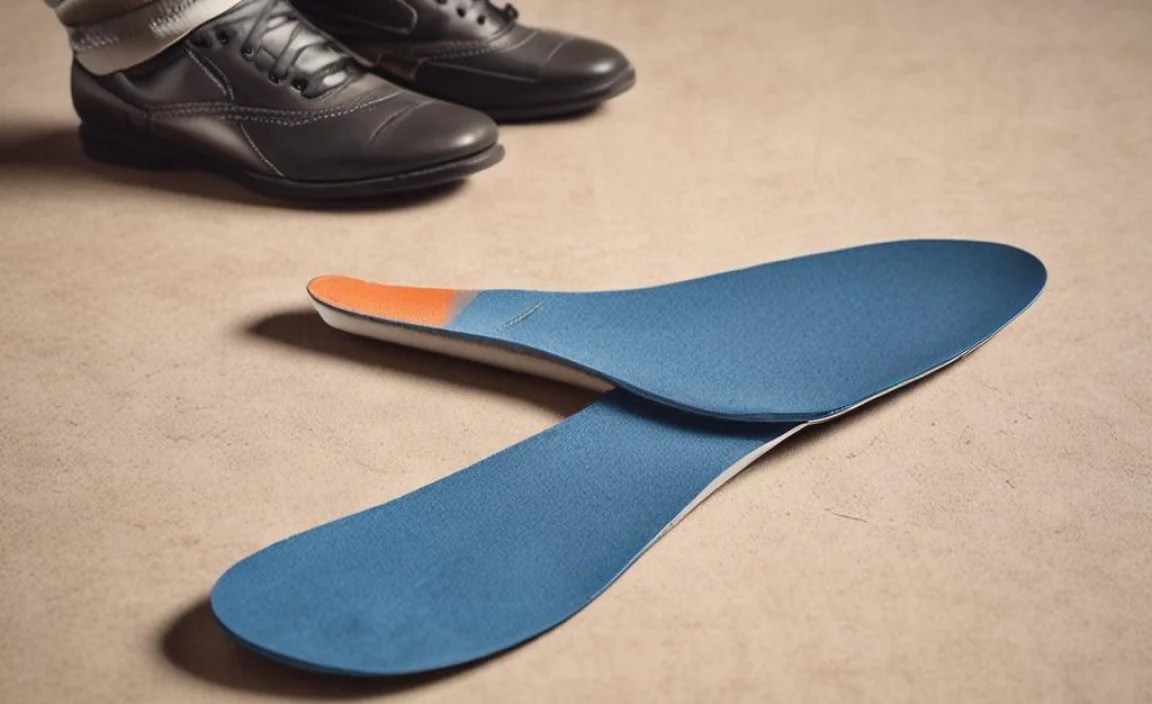
Finding the right insoles doesn’t have to be complicated. Follow these steps to make an informed choice and get the most out of your new foot support.
Step 1: Assess Your Foot Concerns
Before you even look at insoles, think about what’s bothering you most.
- Is it general fatigue and soreness all over your foot?
- Do you have sharp pain in your heel or arch, especially in the morning?
- Do your ankles feel weak or do you notice your feet rolling inward or outward?
- Are your shoes feeling too hard or lacking in padding?
Knowing your primary discomfort will help you choose an insole type that targets your specific issues.
Step 2: Consider Your Footwear
The type of shoes you wear as a slot attendant matters.
- Work Shoes: Are they sturdy, supportive shoes, or more casual loafers? The insole needs to fit well within the existing structure of your shoe.
- Original Insoles: Can they be removed easily? Most good insoles should replace, not be layered directly on top of, the original shoe liner.
- Space: Is there enough room in your shoes for an insole without making them too tight?
Step 3: Measure Your Feet and Arch Type (Optional but Recommended)
For the best results, try to understand your foot’s needs.
- Measure Length: Your shoe size is a guide, but insoles are often trimmable.
- Arch Test: Wet the bottom of your foot and step onto a piece of dark paper or a flat surface. Observe the footprint. A full footprint indicates flat feet, a very thin print or no print at all suggests high arches, and a print with a visible curve in the middle signifies a normal arch.
Step 4: Read Reviews and Compare Options
Once you have an idea of what you need (e.g., cushioning and arch support for flat feet), start researching. Look for reviews from people with similar jobs or complaints. Reputable brands often have detailed product descriptions that highlight features like shock absorption, arch height, and materials.
Step 5: Purchase and Try Them Out
Buy a pair that seems to fit your criteria. When they arrive:
- Remove Original Insoles: Take out the thin factory insoles from your work shoes if possible.
- Trim to Fit: If your new insoles need trimming, do so carefully, following the instructions. Start by cutting a little larger than you think you need; you can always trim more.
- Insert and Wear: Place the new insoles into your shoes. Wear them around the house for a bit to get a feel for them before a full workday.
Step 6: Break-In Period and Adjustments
It’s common for your feet to need a little time to adjust to new insoles.
- Gradual Wear: Start by wearing them for a few hours at a time during your shifts and gradually increase the duration.
- Listen to Your Feet: If you experience any new or unusual discomfort, take a break from the insoles or re-check the fit. You might need to trim them slightly differently or try a different type.
- Replace When Needed: Insoles don’t last forever. Look to replace them every 6-12 months, or sooner if you notice they’ve lost their cushioning or support, or if your foot pain returns.
Insoles vs. Orthotics: What’s the Difference?
You might hear the terms “insoles” and “orthotics” used interchangeably, but there’s a key distinction, especially when considering serious foot issues. Understanding this can help you make the right choice for your health.
Insoles (Over-the-Counter)
These are the types of inserts you typically buy at a pharmacy, sporting goods store, or online. They are designed to provide general comfort, cushioning, and mild support. They are readily available, relatively inexpensive, and can be used to improve the feel of most shoes. Think of them as an add-on to your footwear to enhance its existing features.
- Pros: Accessible, affordable, wide variety, can improve general comfort and shock absorption.
- Cons: May not address specific, severe biomechanical issues; support is generalized.
Orthotics (Custom or Prescription)
Orthotics, particularly custom orthotics, are medical devices. They are designed and molded to fit the unique contours of your feet and address specific biomechanical problems diagnosed by a medical professional (like a podiatrist or orthopedist). They aim to correct foot posture, improve alignment, and manage specific medical conditions.
- Pros: Highly personalized, designed to correct specific medical issues, can alleviate chronic pain and prevent further injury.
- Cons: Significantly more expensive, require a doctor’s prescription and fitting, may take time to get used to, limited availability in casual retail.
For most slot attendants experiencing general foot fatigue or seeking enhanced comfort during long shifts, high-quality over-the-counter (OTC) insoles are usually sufficient and a great starting point. If you have persistent severe pain, a diagnosed foot condition, or your primary care physician or podiatrist recommends it, then custom orthotics may be the necessary route. You can always start with OTC insoles and consult a healthcare provider if your symptoms persist.
Choosing the Right Material: What Works Best
The material an insole is made from plays a significant role in its performance. Different materials offer varying levels of cushioning, support, durability, and breathability. Here’s a look at common materials and what they bring to the table.
Foam (EVA and PU)
Ethylene-vinyl acetate (EVA): This is a very common, lightweight, and flexible foam. It offers good cushioning and shock absorption. It’s often used as the primary cushioning material in many insoles. However, denser EVA offers more support and durability than softer, cheaper varieties.
**Polyurethane (PU): PU foam is generally denser and more durable than EVA. It provides excellent support and shock absorption and tends to hold its shape longer under pressure, making it ideal for more demanding use.
Gel
Gel inserts are often found in the heel or forefoot of insoles to provide targeted cushioning and shock absorption. They are excellent at dispersing impact stress and can offer a very comfortable “springy” feel.
Pros: Superior shock absorption, durable in high-impact areas.
Cons: Can be less breathable, may add some weight if used throughout the entire insole.
Memory Foam
Memory foam conforms to the shape of your foot, offering a personalized fit and excellent cushioning. It’s very comfortable, especially for those who need a softer feel.
Pros: Maximum comfort, molds to foot shape.
Cons: Can retain heat and moisture, may not offer as much structural support for foot alignment as firmer materials.
Cork
Cork is a natural, biodegradable material known for its natural arch support properties and ability to mold to the foot over time. It’s also breathable and moisture-wicking.
Pros: Eco-friendly, good support, molds to the foot, naturally odor-resistant and breathable.
Cons: Can be less cushioned than foam or gel, may feel stiffer initially.
Fabric/Textile Top Covers
Most insoles have a top layer made of fabric like polyester, nylon, or cotton blends. This layer is crucial for comfort against your skin and for moisture management. Look for antimicrobial treatments on the fabric to help prevent odor.
Pros: Comfort, moisture-wicking, odor control (if treated).
Cons: Can wear out over time, affecting the insole’s lifespan.
For slot attendants, a combination of materials often works best. For example, an insole featuring a durable PU or dense EVA base for support, with gel inserts in the heel and forefoot for shock absorption, and a breathable, moisture-wicking fabric top cover would provide a well-rounded solution for long hours on your feet.
Best Insoles for Slot Attendants Walking: A Comparative Table
To help you make a quick decision, here’s a comparison of some popular types of insoles that would be beneficial for slot attendants. Brands themselves vary, but these categories represent common solutions.
| Insole Type/Feature | Primary Benefit for Slot Attendants | Best For | Considerations |
|---|---|---|---|
| Full-Length Cushioned Insoles (e.g., soft foams, gel layers) |
Maximized shock absorption and comfort, reducing general foot fatigue. | Long shifts on hard floors, general foot soreness. | May lack structured arch support for pronation issues. Look for medium density to avoid “bottoming out.” |
| Arch Support Insoles (e.g., semi-rigid arches, contoured design) |
Stabilizes arches, reduces strain on the plantar fascia, helpful for flat feet or high arches. | Plantar fasciitis, arch pain, overpronation/supination. | Can feel firm initially. Ensure the arch height matches your foot type. |
| Stability Insoles (e.g., firmer heel counter, medial support) |
Controls foot motion, improves alignment, and reduces fatigue associated with improper gait. | Mild to moderate overpronation, ankle instability concerns. | Often combine cushioning with structured support. |
| Heel Cups/Orth |
