Insoles can offer proven relief for soccer players experiencing plantar fasciitis. With the right insoles, you can reduce pain, improve support, and get back on the field faster by cushioning the heel and arch.
Hey there, soccer stars and foot enthusiasts! Millard Mar here from SoleForShoes. Ever felt that sharp, stinging pain in your heel, especially after a long practice or a tough game? If you’re a soccer player, chances are you’ve battled with plantar fasciitis. It’s that frustrating arch or heel pain that can sideline you just when you’re getting into your stride. But don’t worry, you’re not alone, and there’s definitely hope. This guide is all about how the right insoles can be your secret weapon against this common soccer ailment, leading you back to pain-free play. We’ll walk through what plantar fasciitis is, why soccer players are prone to it, and most importantly, how to choose and use insoles for effective relief.
Understanding Plantar Fasciitis in Soccer Players

Plantar fasciitis is like an unwelcome opponent on the field. It’s an inflammation or irritation of the plantar fascia, a thick band of tissue that runs across the bottom of your foot, connecting your heel bone to your toes. When this band gets strained, it can cause sharp pain, particularly in the heel. For soccer players, this condition can be especially debilitating. The constant running, jumping, kicking, and quick changes in direction put immense stress on your feet. Your feet are your foundation, and when they hurt, your whole game suffers.
Why Soccer is a Magnet for Plantar Fasciitis
Several factors make soccer a prime candidate for plantar fasciitis flare-ups:
- High-Impact Movements: Every sprint, jump, and sharp cut you make sends shockwaves through your feet.
- Aggressive Footwear: Soccer cleats are designed for traction and speed, not necessarily for cushioning or arch support. They are often stiff and can put pressure on the arch.
- Field Surfaces: Playing on hard or uneven surfaces like dry grass or artificial turf can increase the impact on your feet.
- Repetitive Stress: The repetitive nature of kicking and running can gradually strain the plantar fascia.
- Foot Mechanics: Factors like flat feet (overpronation) or high arches can also contribute to uneven stress distribution on the plantar fascia.
Ignoring plantar fasciitis is like ignoring a red card – it’s only going to lead to bigger problems. The good news is that with the right approach, including proper footwear and targeted support, you can effectively manage and overcome this painful condition.
The Role of Insoles in Treating Plantar Fasciitis

Think of insoles as personalized support systems for your feet, especially when it comes to combating plantar fasciitis. They are designed to enhance the comfort and performance of your existing footwear. For those suffering from plantar fasciitis, insoles can be a game-changer by providing crucial benefits:
- Arch Support: One of the primary causes of plantar fasciitis is strain on the arch. Insoles with good arch support help to distribute pressure more evenly across the foot, reducing stress on the plantar fascia.
- Heel Cushioning: The heel often bears the brunt of the pain. Specialized insoles include extra padding or gel inserts in the heel area to absorb shock and provide a softer landing with every step.
- Gait Correction: Some insoles are designed to help correct overpronation (when your foot rolls inward too much) or supination (when your foot rolls outward too much), both of which can contribute to plantar fasciitis. By improving your foot’s alignment, insoles can reduce abnormal strain.
- Shock Absorption: Beyond just cushioning, advanced insoles can actively absorb impact during high-intensity activities like running and jumping, protecting the plantar fascia from further damage.
- Comfort and Pain Reduction: Ultimately, the goal is to reduce pain and increase comfort, allowing you to continue your activities with less discomfort.
It’s important to understand that insoles are not a magic cure, but they are a vital component of a comprehensive treatment plan. They work best when combined with other recommended treatments like stretching, rest, and proper footwear choices.
Choosing the Right Insoles: A Step-by-Step Guide for Soccer Players
Not all insoles are created equal, especially when you factor in the demands of soccer. Here’s how to pick the best ones for your plantar fasciitis:
- Identify Your Foot Arch Type: This is crucial!
- High Arch: Your foot may not flatten much when you step. You likely need insoles with excellent cushioning and good arch support to prevent the arch from collapsing under stress.
- Normal Arch: Your foot has a moderate curve. You’ll benefit from general support that stabilizes the foot and provides moderate cushioning.
- Flat Arch (Fallen Arch): Your foot often appears to roll inward (overpronation). You need insoles with strong arch support and motion control features to help guide your foot into a more neutral position.
- Consider Your Sport’s Demands:
- For Cleats: Soccer cleats are typically low-profile and snug. You’ll need slim, performance-oriented insoles that fit without making your cleats too tight or uncomfortable. Look for insoles designed for athletic shoes.
- For Training/Casual Wear: If you’re looking for insoles for your training shoes or everyday sneakers, you have more options for thicker, more cushioned insoles.
- Prioritize Key Features:
- Firm Arch Support: This is non-negotiable for plantar fasciitis. The support should feel snug but not painful.
- Heel Cup/Stabilizer: A deep heel cup helps to cradle your heel, keeping it stable and reducing excessive motion that can irritate the plantar fascia.
- Cushioning: Look for materials like EVA foam, gel, or memory foam, especially in the heel.
- Durability: Soccer is tough on gear. Choose insoles made from robust materials that can withstand frequent use and impact.
- Read Reviews and Seek Recommendations: Look for reviews specifically from athletes or people with plantar fasciitis. Recommendations from podiatrists or physical therapists can also be invaluable.
- Try Before You Buy (If Possible): If a store offers the option, try walking around in the insoles to see how they feel. Pay attention to pressure points and overall comfort.
- Consult a Professional: For persistent pain or complex foot issues, a podiatrist or a certified pedorthist can recommend specific insoles or custom orthotics. They can assess your gait and foot structure to provide the best solution.
Remember, finding the perfect insole might involve a little trial and error, but investing time in this process will pay off in reduced pain and improved performance.
Types of Insoles for Plantar Fasciitis Relief
Insoles come in various forms, each designed to address different needs. For plantar fasciitis, here are the main types you’ll encounter:
1. Over-the-Counter (OTC) Insoles
These are the most accessible and affordable option. They are mass-produced and designed to fit a range of foot types and shoe styles.
- Pros: Widely available, cost-effective, come in various support levels (e.g., neutral, motion control, cushioned).
- Cons: May not provide a perfect fit for every foot, support might not be aggressive enough for severe cases.
2. Semi-Rigid Insoles
These insoles often feature a stiffer, contoured design, typically made from materials like polypropylene or carbon fiber, with cushioning layers on top. They offer excellent arch support and stability.
- Pros: Provide superior arch support and heel stability, good for moderate to severe overpronation, effective for plantar fasciitis.
- Cons: Can be less flexible, may require a break-in period, might feel too firm for some.
3. Full-Contact Insoles
Designed to mold to the shape of your foot during wear, these offer a very personalized fit. They provide even pressure distribution across the entire sole of the foot.
- Pros: Excellent comfort and adaptability, good for distributing pressure, often have targeted support zones.
- Cons: Can be pricier than basic OTC options, varying degrees of support might be available.
4. Specialized Athletic Insoles
These are engineered with high-performance athletes in mind. They often incorporate advanced materials for shock absorption, energy return, and lightweight support, making them suitable for sports like soccer.
- Pros: Designed for high-impact activities, often slim enough for cleats, focus on performance and support.
- Cons: Can be more expensive, might prioritize performance over maximum cushioning.
5. Custom Orthotics
These are made from scratch by a podiatrist or pedorthist based on a thorough examination of your feet, gait, and medical history.
- Pros: The most precise fit and support, tailored to your unique biomechanics, can address complex foot issues.
- Cons: Most expensive option, requires professional consultation and fitting, may take time to produce.
For most soccer players dealing with plantar fasciitis, starting with high-quality semi-rigid or specialized athletic insoles from a reputable over-the-counter brand is a great first step. If your pain persists, consulting a professional for custom orthotics might be necessary.
Using Insoles Effectively for Soccer Plantar Fasciitis
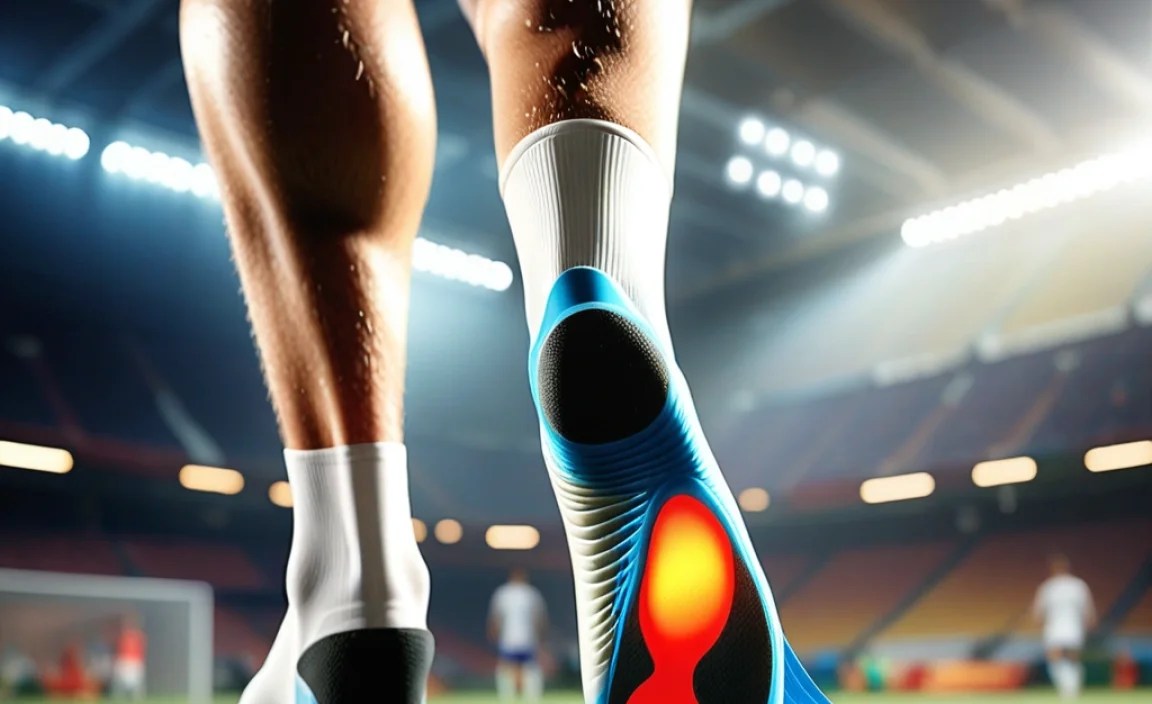
Simply buying the right insoles isn’t the whole story. How you use them is just as important for reaping their benefits and getting back on the field pain-free.
Transitioning to New Insoles
Your feet might need time to adjust to the new support. Start by wearing your new insoles for short periods, gradually increasing the duration over a few days to a week. This helps prevent discomfort or soreness from the new alignment.
Insoles in Soccer Cleats vs. Training Shoes
| Shoe Type | Insole Considerations | Key Benefits |
|---|---|---|
| Soccer Cleats | Slim profile, snug fit, performance materials. Must not compromise cleat lockdown or feel. | Targeted arch and heel support within a restrictive shoe. Improved shock absorption during play. |
| Training/Running Shoes | Can be more cushioned, more accommodating of thicker insoles. Focus on overall comfort and support. | Enhanced shock absorption during drills, longer-lasting comfort for extended wear, better pain reduction during training. |
Integrating Insoles with Other Treatments
Insoles are a powerful tool, but they work best as part of a broader strategy. For effective plantar fasciitis management, consider these complementary approaches:
- Stretching: Regular calf and plantar fascia stretches are vital. Hold stretches for 30 seconds, at least twice a day, especially before and after activity. A common and effective stretch involves pulling your toes towards your shin. You can find great resources on stretching at MoveForwardPT.com.
- Rest: Temporarily reduce the intensity and duration of your soccer activities. Avoid exercises that exacerbate your pain.
- Ice Therapy: Apply ice packs to the affected area for 15-20 minutes several times a day to reduce inflammation. Rolling your foot over a frozen water bottle is a popular and effective method.
- Footwear Beyond Cleats: When you’re not playing soccer, wear supportive shoes or sandals. Avoid going barefoot on hard surfaces.
- Weight Management: If you are carrying extra weight, losing even a small amount can significantly reduce the stress on your feet.
- Strengthening Exercises: Exercises that strengthen the intrinsic muscles of the foot and the calf muscles can improve foot mechanics and support.
By combining these treatments with the right insoles, you create a powerful defense against plantar fasciitis, helping you recover faster and stay on the field longer.
Maintaining Your Insoles
Insoles, like any gear, need care to last and remain effective:
- Clean Regularly: Wipe them down with a damp cloth and mild soap. Avoid soaking them.
- Air Them Out: Remove insoles from shoes after use so they can dry completely and prevent odor.
- Inspect for Wear: Check for signs of breakdown, such as flattened cushioning or worn-out support. Most insoles last 6-12 months depending on usage and material.
- Replace When Needed: Don’t wait until they’re completely flat. If you notice reduced support or increased discomfort, it’s time for a new pair.
When to Seek Professional Help
While insoles can provide significant relief, it’s crucial to know when to consult a healthcare professional. If your pain:
- Does not improve after several weeks of consistent self-care (including using insoles and stretching).
- Is severe and makes it difficult to walk or perform daily activities.
- Is accompanied by swelling, redness, or numbness.
- Requires you to constantly adjust your gait to avoid pain.
A doctor, podiatrist, or physical therapist can diagnose the exact cause of your pain, rule out other conditions, and develop a more personalized treatment plan. They may recommend specific types of insoles, physical therapy exercises, or other treatments like night splints or corticosteroid injections if necessary. For those in the United States, the American Podiatric Medical Association (APMA.org) is an excellent resource for finding a qualified podiatrist.
Frequently Asked Questions (FAQs)
What are the best insoles for plantar fasciitis pain during soccer?
The best insoles for plantar fasciitis during soccer typically offer firm arch support, a deep heel cup for stability, and good cushioning to absorb shock. Look for semi-rigid or specialized athletic insoles designed for high-impact activities. Materials like EVA foam and gel are often beneficial for comfort.
Can I wear insoles in my soccer cleats?
Yes, you can wear insoles in soccer cleats, but it’s important to choose slim, performance-oriented insoles. They should fit snugly without making your cleats too tight, which could lead to blisters or reduce your feel for the ball. Remove the original sockliner if your cleats have one to make space.
How long does it take for insoles to help with plantar fasciitis?
It can take anywhere from a few days to a couple of weeks for insoles to provide noticeable relief. Your feet need time to adjust to the new support. It’s recommended to gradually break them in by wearing them for short periods and increasing the duration over several days.
Are custom orthotics better than over-the-counter insoles for plantar fasciitis?
Custom orthotics are generally more effective for severe or complex cases of plantar fasciitis because they are precisely molded to your feet and gait. However, high-quality over-the-counter insoles can provide significant relief for many people, especially when starting treatment.
Should I wear insoles all day, or just for soccer?
For maximum benefit, especially when you have plantar fasciitis, it’s often recommended to wear your supportive insoles in your primary footwear throughout the day. This ensures consistent support and reduces strain on your plantar fascia during everyday activities, not just during soccer practice or games.
Will insoles completely cure my plantar fasciitis?
Insoles are a key part of managing and relieving plantar fasciitis pain, but they are rarely a complete cure on their own. They work best when combined with a comprehensive treatment plan that includes appropriate stretching, rest, strengthening exercises, and sometimes other therapies. Insoles help reduce inflammation and pain, allowing your body to heal.
How do I know if I have plantar fasciitis?
The most common symptom of plantar fasciitis is a stabbing pain in the bottom of your foot near your heel. This pain is often worst with the first steps you take in the morning or after a period of rest. It may also increase after prolonged standing or activity. If you experience these symptoms, it’s a good idea to consult a healthcare professional for a diagnosis.
Conclusion: Get Back in the Game with Confidence
Dealing with plantar fasciitis as a soccer player can feel like a major setback. The pain in your heel or arch can steal your joy for the game and limit your ability to perform. But as we’ve explored, insoles are incredibly powerful allies in your fight against this common ailment. By understanding your foot type, choosing insoles with robust arch support and heel cushioning, and integrating them wisely into your training and daily routine.
