Quick Summary: Insoles for nurse clogs can provide significant relief from foot pain, especially for conditions like plantar fasciitis. Choosing the right insole with proper arch support and cushioning offers comfort, stability, and improved alignment, making long shifts more manageable and feet happier.
Insoles for Nurse Clogs: Proven Relief for Tired Feet

Working long hours on your feet can be tough, especially if you wear nurse clogs. While these shoes offer a certain kind of comfort, they might not always provide the support your arches need. This can lead to aches, pains, and even conditions like plantar fasciitis. But don’t worry! There’s a simple solution that can make a world of difference: insoles. We’ll walk you through how the right insoles can bring you much-needed relief and energy. Get ready to discover happy feet, even after the longest shifts!
Why Nurse Clogs Sometimes Need a Boost
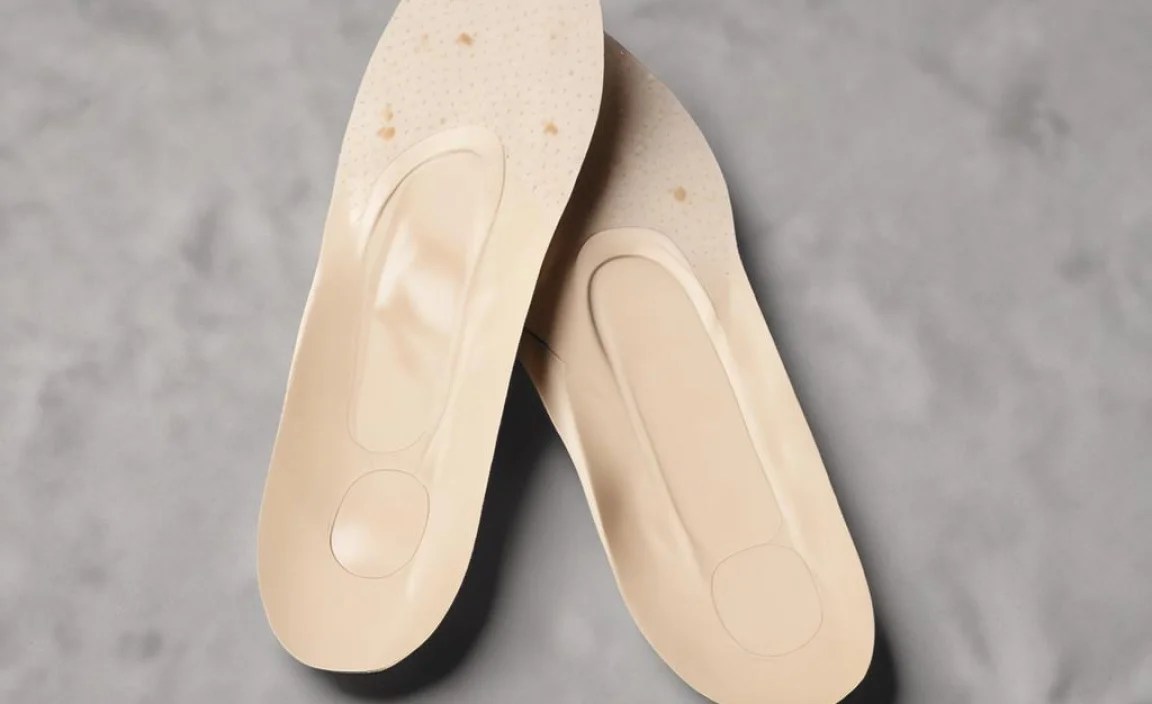
Nurse clogs are popular for their ease of wear and, well, their clog-like design. They’re easy to slip on and off, and many are designed with cushioning. However, “one size fits all” rarely applies to our feet. Many standard nurse clogs lack targeted arch support, which is crucial for distributing weight evenly and preventing strain. Without this support, the natural shock absorption of your foot can be overwhelmed, leading to discomfort in your feet, ankles, knees, and even your back.
Conditions like plantar fasciitis, characterized by heel pain, are often aggravated by insufficient arch support and cushioning. When the plantar fascia – the thick band of tissue running across the bottom of your foot – is overstretched or strained, it causes pain. Insoles act as a helpful buffer, providing the necessary support and shock absorption that your clogs might otherwise miss.
Understanding Insoles: Your Foot’s Best Friend

Think of insoles (also called orthotics or inserts) as a custom upgrade for your shoes. They are designed to improve the fit and feel of your footwear, providing support, cushioning, and alignment benefits. They sit inside your shoe, right under your foot, and can be a game-changer for comfort and foot health.
Types of Insoles
Not all insoles are created equal. They come in various materials and are designed for different needs. For nurse clogs and the demands of healthcare professionals, we’re often looking for:
- Supportive Insoles: These are designed with a structured arch to support the natural shape of your foot, helping to prevent excessive pronation (rolling inward) or supination (rolling outward).
- Cushioning Insoles: These focus on shock absorption, providing a softer landing for your feet with every step. They are great for reducing impact on joints.
- Combination Insoles: Many insoles offer a blend of both support and cushioning, providing a well-rounded solution for various foot ailments.
- Specialty Insoles: Some insoles are specifically designed to address conditions like plantar fasciitis, heel pain, or flat feet.
Materials Matter
The materials used in insoles greatly affect their performance and feel:
- Foam: Lightweight and offers good cushioning. Memory foam contours to your foot for personalized comfort.
- Gel: Excellent for shock absorption and can provide a cooling sensation.
- Cork: Naturally supportive and can mold to your arch shape over time. It’s also breathable.
- Polyurethane: Offers a good balance of cushioning and durability, often found in more sport-oriented insoles.
- Carbon Fiber: Extremely rigid and lightweight, offering maximum support and energy return, often used for advanced needs.
Insoles for Nurse Clogs: The Perfect Match

Nurse clogs, while comfortable in their own way, often need that extra something. This is where insoles shine. When you’re on your feet for 12+ hours, the repetitive impact and strain can take a toll. Choosing the right insoles can transform your experience.
Benefits of Insoles in Nurse Clogs
- Plantar Fasciitis Relief: This is a big one. Insoles with good arch support help to reduce strain on the plantar fascia, alleviating pain and promoting healing.
- Improved Comfort: Extra cushioning absorbs shock, reducing fatigue and making standing and walking much more pleasant.
- Better Alignment: Insoles can help correct subtle imbalances in your gait, contributing to better posture and reducing stress on your ankles, knees, and hips.
- Reduced Fatigue: By supporting your arches and cushioning your steps, insoles help your feet work more efficiently, reducing overall tiredness.
- Increased Stability: A well-supported foot is a more stable foot, which can help prevent slips and falls, especially in busy healthcare environments.
Choosing the Right Insoles for Your Nurse Clogs

Selecting the perfect insole involves a few key considerations. It’s not just about picking the most expensive or popular option; it’s about finding what works best for your feet and your clogs.
1. Assess Your Foot Type
Understanding your arch height is crucial. You can do this with the “wet test”:
- Wet the bottom of your foot.
- Step onto a piece of paper or cardboard.
- Look at the footprint.
- Normal Arch: You’ll see about half of your arch. You generally do well with most types of insoles, often needing a balance of support and cushioning.
- Flat Arch (Low Arch or Fallen Arch): You’ll see most of your foot. You need insoles with strong arch support to help lift and support your arch, which is key for preventing conditions like plantar fasciitis.
- High Arch: You’ll see very little of your arch. You typically need insoles with ample cushioning to absorb shock, as high arches can struggle with impact.
2. Identify Your Primary Need
What’s bothering you the most?
- Pain: Are you experiencing sharp heel pain (plantar fasciitis), general foot ache, or arch discomfort?
- Fatigue: Do your feet just feel tired and achy by the end of the day?
- Stability: Do you feel unsteady or like your ankles might roll?
- Shock Absorption: Do you feel every bump on the hard hospital floors?
For nurse clogs, especially for long shifts, a combination of good arch support and adequate cushioning is usually the sweet spot. If plantar fasciitis is the main concern, look for insoles specifically designed for it, often featuring a deep heel cup and sturdy arch support.
3. Consider Your Nurse Clogs
The volume of your nurse clogs matters. Some clogs are more voluminous than others:
- Low-Volume Clogs: If your clogs are snug, thinner, and have less internal space, you’ll need slim-profile insoles. These provide support without making the shoe too tight.
- Standard/High-Volume Clogs: Most nurse clogs have a bit more room, allowing for thicker, more cushioned, or more structured insoles.
It’s often best to remove the original insole that came with your clog (if there is one) to create more space for a new, more supportive one. Measure its size to help you find a comparable insole size.
4. Look for Key Features
When browsing insoles, keep these features in mind:
- Arch Support: Look for options that match your arch type (neutral, moderate, or built-in firm support).
- Heel Cup: A good heel cup helps cradle your heel, providing stability and cushioning for the heel pad, which is vital for plantar fasciitis.
- Material: As discussed, choose materials that offer the right balance of cushioning, support, and durability for your needs.
- Breathability: Especially important for long shifts, breathable materials help keep feet dry and comfortable.
- Durability: You want insoles that will last, especially with constant daily use.
Top Insole Picks for Nurse Clogs
Based on common needs for healthcare professionals and those suffering from foot pain like plantar fasciitis, here are a few types of insoles that tend to perform exceptionally well in nurse clogs.
Recommended Insole Features for Nurse Clog Wearers
| Feature | Why it’s Important for Nurse Clogs | Ideal For |
|---|---|---|
| Firm Arch Support | Distributes weight, reduces strain on plantar fascia, prevents arch collapse. | Flat feet, plantar fasciitis, general foot fatigue. |
| Deep Heel Cup | Cradles the heel, absorbs shock, stabilizes the foot. Crucial for plantar fasciitis relief. | Plantar fasciitis, heel spurs, heel pain. |
| Shock-Absorbing Cushioning (e.g., EVA foam, gel) | Reduces impact on joints from constant walking/standing on hard surfaces. | Long shifts, general foot fatigue, knee/hip pain. |
| Slim Profile | Fits easily into most nurse clogs without making them too tight. | Most nurse clogs, especially those with less internal volume. |
| Breathable Top Layer | Keeps feet drier and cooler, preventing odor and discomfort. | Everyone, especially during long, demanding shifts. |
While specific brand recommendations can change, looking for insoles that incorporate these features will set you on the right path. Many podiatrists recommend insoles that offer semi-rigid support, meaning they have enough structure to support the arch but retain some flexibility and cushioning.
How to Use Insoles in Your Nurse Clogs (Step-by-Step)
Putting insoles into your nurse clogs is simple! Follow these steps for a quick upgrade in comfort and support:
- Prepare Your Clogs: Start with clean, dry nurse clogs. If your clogs have removable insoles, take the original insoles out. This creates space and ensures a better fit for your new insoles.
- Check Insole Size: Compare your new insoles to the original ones if you removed them, or to the inside of your shoe. Most insoles come in shoe sizes (e.g., Women’s 6-8, Men’s 9-11). If your size is between sizes, you might need to trim them.
- Trim if Necessary: If the insoles are too long, use sharp scissors to carefully trim the excess material from the toe end. Align the insole with your clog’s insole (or the shoe’s interior) and mark where to cut. Trim a little at a time until you achieve a perfect fit.
- Insert the Insoles: Gently slide the new insoles into your clogs. Make sure they lie flat and fit snugly against the bottom and sides of the shoe. The arch support should align with the natural arch of your foot.
- Test the Fit: Slip on your clogs with the new insoles. Walk around for a few minutes. Do they feel comfortable? Is there enough room? Does the arch feel supportive? Make sure there are no pressure points or rubbing.
- Break-In Period (Optional but Recommended): For some sturdier insoles, it’s a good idea to wear them for a few hours each day for the first week. This allows your feet to gradually adjust to the new support and cushioning, preventing any initial discomfort.
Important Considerations:
- Don’t Overcrowd: Avoid stacking multiple insoles or leaving the original insole in if you’re adding a new one, as this can make your shoes too tight and interfere with proper fit and biomechanics.
- Consistency is Key: If you use insoles for specific foot pain, wear them consistently during all activities where you wear your nurse clogs to maximize benefits.
- Replacement: Insoles don’t last forever. Depending on the material and how much you wear them, you might need to replace them every 6-12 months to ensure they are still providing adequate support and cushioning. Signs they need replacing include visible compression, loss of cushioning, or the return of pain.
Insoles and Plantar Fasciitis: A Powerful Partnership
Plantar fasciitis is a common and often debilitating condition, particularly for those who stand for long periods. The good news is that insoles are one of the most effective non-surgical treatments. An insole designed for plantar fasciitis typically has three key components:
- Arch Support: This is paramount. It helps lift and support the medial arch, reducing tension on the plantar fascia. Look for insoles with a firm yet flexible arch.
- Heel Support/Cushioning: A deep, well-cushioned heel cup helps to absorb shock upon heel strike and stabilizes the heel bone.
- Forefoot Cushioning: Sometimes, added cushioning in the ball of the foot can provide further relief from pressure.
The American Podiatric Medical Association (APMA) recommends looking for insoles that provide good arch support and pronation control, which is crucial for managing plantar fasciitis. Investing in quality insoles can significantly reduce pain and allow you to get back to your daily activities with comfort. For more information on managing foot conditions, resources like the American Podiatric Medical Association offer excellent patient education materials.
When to See a Professional
While insoles can provide remarkable relief, they are not always a magic bullet. If you experience persistent or severe foot pain, it’s always best to consult a healthcare professional, such as a podiatrist or orthopedist. They can properly diagnose your condition, assess your foot mechanics, and recommend the most appropriate treatment plan. This might include custom orthotics, specific stretches, physical therapy, or other medical interventions.
You can learn more about biomechanics and foot health from resources at institutions like the Mayo Clinic, which offers detailed insights into diagnosis and treatment options.
Frequently Asked Questions (FAQs)
Q1: Can I wear my regular nurse clogs with insoles?
Yes! Most nurse clogs are designed to accommodate insoles, especially if you remove the original liner if one is present. Some clogs have more room than others, so you might need a slimmer insole for snugger styles.
Q2: How often should I replace my insoles?
Insoles typically last between 6 to 12 months, depending on their construction, the material, and how frequently you wear them. If you notice a significant loss of cushioning, a breakdown of the arch support, or a return of your pain symptoms, it’s likely time for a replacement.
Q3: Will insoles make my nurse clogs too tight?
They can, if you choose an insole that’s too thick for your clog’s volume. Always try to remove the existing insole first. If your clogs are already snug, opt for low-profile or slim-fit insoles made of dense foam or gel.
Q4: How do I know if I need insoles for plantar fasciitis?
If you experience heel pain, especially with your first steps in the morning or after resting, you likely have plantar fasciitis. Insoles with robust arch support and cushioning are highly recommended for relief and management.
Q5: Are all insoles the same for flat feet and high arches?
No. Flat feet typically need insoles with firm arch support to provide structure. High arches often benefit from insoles with significant cushioning to absorb shock, as they lack natural shock absorption.
Q6: Can insoles help with back pain if I wear nurse clogs?
Yes, they can. Poor foot alignment and lack of support can contribute to issues further up the kinetic chain, including knee, hip, and back pain. Properly supportive insoles can improve overall body alignment.
Conclusion
Working in healthcare is demanding, and your feet deserve the best support possible. Nurse clogs are a popular choice for comfort, but they often benefit greatly from the addition of quality insoles. By understanding your foot type, identifying your specific needs, and choosing insoles that offer the right combination of arch support and cushioning, you can significantly reduce pain, alleviate fatigue, and improve your overall comfort throughout long, busy shifts. Whether you’re dealing with plantar fasciitis or simply want to make your daily grind more bearable, insoles are a proven, accessible solution. Invest in your foot health, and feel the difference with every step!
