Quick Summary: Insoles can significantly improve your running form by providing targeted support, cushioning, and alignment correction. Choosing the right insole based on your foot type and running style is crucial for preventing injuries and enhancing performance.
Insoles for Running Form Correction: Essential Tips
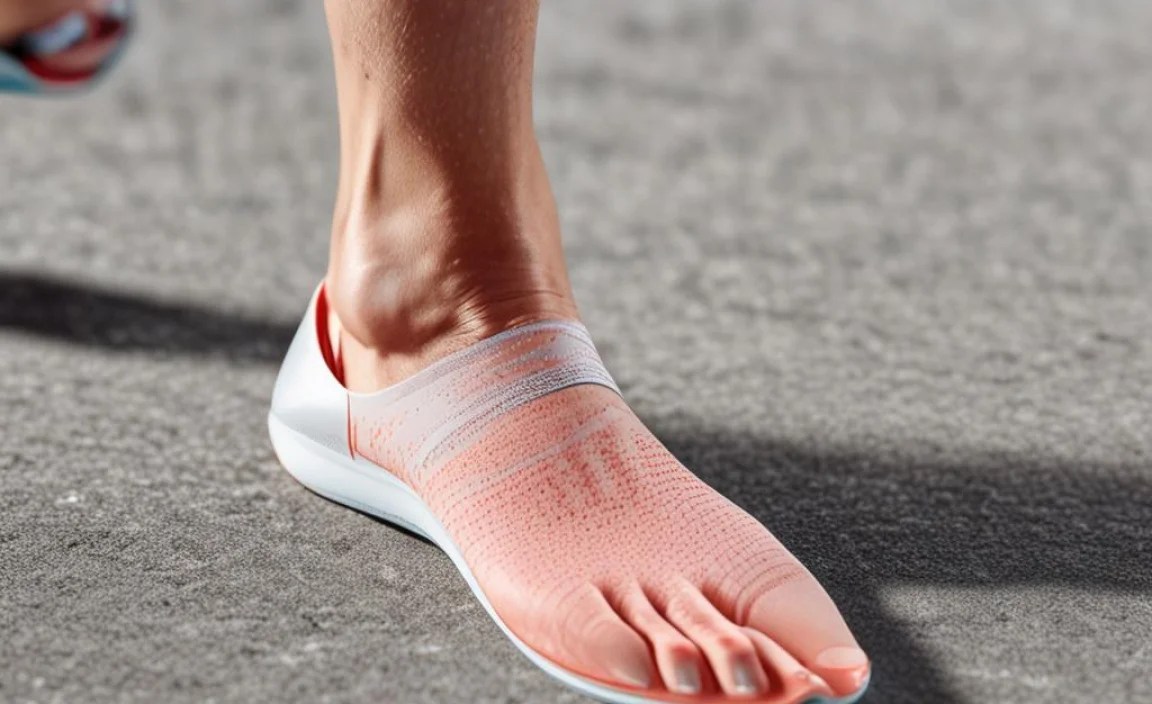
Do you ever feel like your feet aren’t working with you when you run? Maybe you experience aches after a few miles, or perhaps you’ve been told your running stride could be smoother. It’s a common frustration among runners, from beginners to seasoned pros. The good news is, simple adjustments can make a world of difference. One effective, often overlooked, solution lies right inside your running shoes: insoles. These clever inserts can help realign your feet, absorb shock, and encourage a more efficient running posture. Let’s walk through how the right insoles can transform your run, making it more comfortable and injury-free. We’ll explore how to pick the perfect pair and use them to your advantage.
Understanding How Insoles Can Help Your Running Form

Think of your feet as the foundation for your entire body’s movement, especially when you’re running. When that foundation is slightly off, it can send ripples of imbalance up through your ankles, knees, hips, and even your back. Insoles, also known as orthotics or shoe inserts, are designed to provide that missing support or correction from the ground up. They work by:
- Arch Support: Helping to support your natural arch, whether it’s high, low, or neutral. This prevents overpronation (foot rolling inward) or supination (foot rolling outward), which can lead to strain.
- Cushioning: Absorbing the impact of each stride, reducing stress on your joints and muscles.
- Alignment: Gently guiding your foot into a more neutral and efficient position, encouraging better biomechanics.
- Shock Absorption: Distributing pressure more evenly across the bottom of your foot, minimizing impact points.
By addressing these key areas, insoles can effectively influence your running form, making your stride more stable, powerful, and less prone to fatigue or injury. They aren’t a magic bullet, but they are a powerful tool in a runner’s arsenal for form correction.
Identifying Your Foot Type: The First Step to Better Form

Before you even look at insoles, you need to understand your own feet. This is the most crucial step in choosing an insole that will genuinely help your running form. Your foot type dictates the kind of support you need.
The Wet Test: A Simple Way to Check Your Arch
A quick and easy way to get a good idea of your arch type is the “wet test.”
- Get a piece of paper or cardboard that will show a footprint.
- Wet the bottom of your foot.
- Step onto the paper, distributing your weight evenly.
- Examine the footprint left behind.
Here’s what your footprint might tell you:
- Normal Arch: You’ll see about half of your arch imprinted. This means your foot likely rolls inward slightly (pronates) to absorb shock naturally. You might benefit from neutral support to keep things balanced.
- Flat Arch (Low Arch): You’ll see almost your entire foot imprinted, with little to no curve. This often means your foot rolls inward excessively (overpronates). You’ll likely need insoles with good arch support and motion control to help guide your foot.
- High Arch: You’ll see mostly your heel and the ball of your foot, with a very thin or no connection between them. This often means your foot doesn’t absorb shock well (supinates or underpronates). You’ll likely need insoles with ample cushioning and less aggressive arch support to help with shock absorption.
Understanding Pronation
Pronation is the natural inward rolling motion of your foot as it strikes the ground. It’s a vital part of shock absorption. However, when this motion is too extreme or not functional enough, it can cause issues.
- Overpronation: The foot rolls inward too much. This is common with flat arches and can lead to knee pain, shin splints, and plantar fasciitis.
- Supination (Underpronation): The foot doesn’t roll inward enough, or rolls outward. This is common with high arches and means the foot doesn’t absorb shock effectively, leading to stress on the outer foot, ankles, and knees.
- Neutral Pronation: The foot rolls inward a healthy amount, distributing impact evenly.
Your foot type, combined with how you pronate, will guide you toward the right kind of insole.
Types of Insoles for Running Form Correction

Insoles come in various forms, each designed to address specific needs. For running form correction, you’ll generally encounter a few main categories:
1. Cushioning Insoles
These are all about shock absorption. They often feature softer materials like foam or gel. They are excellent for runners with high arches who need extra help absorbing the impact of each step, or for those who simply prefer a softer ride and want to reduce stress on their joints.
- Best for: Supinators, runners seeking maximum shock absorption, those with sensitive feet.
- How they help form: By cushioning impact, they can reduce fatigue, allowing for a more consistent and controlled stride over longer distances. They don’t actively correct form but provide a more forgiving surface.
2. Support Insoles (Stability Insoles)
These insoles offer a balance of cushioning and support. They often have firmer materials in key areas, like the arch, to help guide the foot. They are ideal for runners with normal arches and mild overpronation.
- Best for: Runners with neutral pronation or mild overpronation, those seeking a balance of comfort and stability.
- How they help form: They provide gentle guidance, preventing excessive inward rolling without being overly restrictive. This helps maintain a more aligned foot and ankle position, leading to better knee and hip alignment during your stride.
3. Motion Control Insoles
These are the most structured insoles. They are designed for individuals who severely overpronate. They typically feature a rigid heel counter and a firm, contoured arch to limit excessive inward rolling of the foot.
- Best for: Significant overpronators, runners with flat feet.
- How they help form: By controlling the foot’s range of motion, they promote a more neutral foot strike. This can significantly reduce the strain on ankles, knees, and hips caused by excessive pronation, promoting a straighter and more efficient leg swing.
4. Heel Cups/Heel Supports
While not a full insole, these can be very effective for heel strike issues or heel pain. They cradle the heel to provide cushioning and stability, which can influence how your foot lands and rolls through the stride.
- Best for: Runners experiencing heel pain, those with significant heel strike impact, or to add stability to the heel of the shoe.
- How they help form: By stabilizing the heel, they can prevent excessive wobbling upon impact, encouraging a smoother transition through the stride.
Choosing Insoles for Running Form Correction: Key Features to Look For

Selecting the right insole goes beyond just picking a category. Here are specific features to consider:
Material and Cushioning
Insoles are made from various materials, each offering a different feel and function:
- Foam (EVA, Polyurethane): Versatile, lightweight, and good for cushioning and support. EVA is common in many standard insoles, while polyurethane offers more durability and firmer support.
- Gel: Excellent for shock absorption and provides a soft, responsive feel. Often used in heel cups or specific impact zones.
- Cork: Moldable to your foot over time, offering custom support and decent shock absorption.
- Carbon Fiber: Very rigid and lightweight, offering maximum stability and energy return. Typically found in high-performance insoles for serious runners.
Consider how much cushioning you prefer and where you feel the most impact. If you’re a heavier runner or pounding pavement, more substantial cushioning might be beneficial. If you’re looking for a snappier feel, less cushioning with more support might be the way to go.
Arch Height and Support
As discussed in the foot type section, arch support is paramount. Ensure the insole’s arch rise matches or complements your natural arch. Too little support won’t do anything, and too much can cause discomfort or even injury.
Heel Cup Depth
A deeper heel cup provides more stability for your heel and can help keep your foot properly aligned within the shoe. This is particularly important for runners who overpronate or have issues with their heel striking the ground.
Flexibility vs. Rigidity
For running, you generally want an insole that flexes with your foot but still offers structural support where needed. Highly rigid insoles might restrict natural foot movement, which isn’t ideal for everyone. However, for severe overpronation, some rigidity can be beneficial. It’s a balance that depends on your specific needs.
Durability
Running insoles take a beating. Look for materials and construction that suggest good durability. This will ensure they continue to provide effective support and cushioning over many miles.
Integrating Insoles into Your Running Routine for Optimal Form Correction
Once you’ve chosen your insoles, it’s time to put them to work. This isn’t just about popping them into your shoes and hitting the trails. A gradual and mindful approach is key.
Step-by-Step Integration Guide
To get the most out of your new insoles and allow your body to adapt, follow these steps:
- Start Slowly: Don’t wear your new insoles for your longest or hardest runs immediately. Begin by wearing them for short, easy runs or walks. This allows your feet, ankles, and legs to get accustomed to the new feel and support.
- Gradual Increase: Over the first week or two, gradually increase the duration and intensity of your runs with the insoles. As your comfort and form improve, you can incorporate them into all your running activities.
- Listen to Your Body: Pay close attention to how your body feels. If you experience any new or increased pain, it might mean the insole isn’t the right fit, or you need to slow down the integration period.
- Check Shoe Fit: Insoles can take up space in your shoe. Ensure your running shoes still fit comfortably with the insoles inserted. You shouldn’t feel any pinching or excessive tightness, especially in the toe box.
- Proper Placement: Ensure the insoles are sitting flat and centered in your shoes. They should not bunch up or shift during your run.
When to Seek Professional Advice
While many runners can find great success with off-the-shelf insoles, some situations warrant professional help:
- Persistent Pain: If you experience ongoing foot, ankle, knee, or hip pain that doesn’t resolve with new insoles or other self-care.
- Complex Foot Conditions: For conditions like severe bunions, neuromas, or significant deformities, custom orthotics prescribed by a podiatrist might be necessary. You can learn more about podiatric care on the American Podiatric Medical Association (APMA) website.
- Uncertainty about Foot Type: If you’re still unsure about your foot type or pronation after trying the wet test and reading guides.
A podiatrist can conduct a thorough biomechanical analysis and recommend or create custom-fit orthotics tailored to your exact needs. These are often more supportive and prescriptive than over-the-counter options but also come at a higher cost.
Common Running Form Issues Insoles Can Address
Insoles can make a noticeable difference in correcting several common running form issues:
1. Overstriding
This is when your foot lands too far in front of your center of gravity. It usually involves overpronation and can lead to braking forces, inefficiency, and impact-related injuries. Stability or motion control insoles can help bring your foot back under your body by providing better alignment and support.
2. Heel Striking
While not inherently bad for everyone, a heavy or excessive heel strike can be inefficient and lead to greater impact. Insufficient cushioning or arch support can contribute. A well-cushioned insole, especially with a supportive heel cup, can help absorb this impact and encourage a more balanced foot strike.
3. Foot Slap
This is the slapping sound your foot makes as it hits the ground, often associated with a lack of muscle control or support. It can indicate that your foot isn’t controlling its descent. Insoles that provide good arch support and a more structured heel can help stabilize the foot and reduce this slapping motion.
4. Knee/Hip Pain Related to Foot Mechanics
Issues like knee valgus (knees collapsing inward) or hip instability during running are often rooted in poor foot mechanics, specifically overpronation or inadequate support. By correcting how your foot lands and rolls, insoles can improve the alignment of your entire kinetic chain, potentially alleviating knee and hip pain.
5. Plantar Fasciitis and Shin Splints
These common running ailments are frequently linked to biomechanical issues. Overpronation and lack of arch support can put excessive strain on the plantar fascia and the muscles/tendons in the shins. Insoles that provide proper arch support and cushioning can distribute pressure more evenly and reduce stress on these areas, aiding in prevention and recovery.
Insoles vs. Running Shoes: What’s the Difference?
It’s a common question: should I focus on buying a shoe that corrects my form, or use insoles in a neutral shoe? The reality is, both play a role, but they do so differently.
| Feature | Running Shoes | Insoles |
|---|---|---|
| Primary Role | Overall cushioning, protection, and the shoe’s inherent support structure. | Targeted correction of foot mechanics, enhanced support, and cushioning. |
| Adjustability | Generally fixed support characteristics based on shoe category (neutral, stability, motion control). | Can be swapped between shoes, offering flexibility. Can be specific to individual foot needs. |
| Correction Type | Can offer general stability or motion control features. | Can offer precise medical-grade or specialized support for specific issues. |
| Lifespan | Typically 300-500 miles, depending on usage and material. | Varies greatly, from 100 miles for basic foam to thousands for high-end orthotics. |
| Impact on Form | Sets the baseline for your foot’s interaction with the ground. | Fine-tunes and can significantly correct specific aspects of how your foot lands and moves. |
Many runners find the best results by pairing a well-fitting, comfortable neutral running shoe with an insole that specifically addresses their foot mechanics. This offers a good balance of the shoe’s designed benefits and personalized support. For example, if you overpronate, you might choose to wear a neutral shoe and add a motion control insole, rather than a dedicated stability shoe which might be too much correction combined with a shoe’s inherent stability features.
Maintaining Your Insoles and Running Shoes
To ensure your insoles and shoes continue to work effectively, proper care is essential:
- Cleaning Insoles: Most insoles can be cleaned with mild soap and lukewarm water. Air dry them completely away from direct heat, as heat can damage materials like foam or gel. Some insoles, especially fabric-topped ones, can be hand-washed. Always check the manufacturer’s instructions.
- Drying Shoes: Always air dry your running shoes after runs, especially if they’ve gotten wet. Remove the insoles to help them dry faster and prevent odor buildup. Stuffing shoes with newspaper can help absorb moisture.
- Rotation: If possible, rotate between two pairs of running shoes. This allows the cushioning and support materials in each shoe (and the insoles within them) to “rest” and recover their structure between runs, extending their lifespan.
- Inspection: Regularly inspect your insoles for signs of wear, such as compression of materials, thinning in key support areas, or fraying edges. If they’ve lost their cushioning or support, it’s time for a replacement.
