Quick Summary: If you have hyperpronation, your feet roll inward too much. Insoles designed for hyperpronation control offer crucial arch support and cushioning to realign your feet, reduce pain, and improve overall foot health. Choosing the right pair can make a significant difference in your comfort and activity levels.
Tired of foot pain after a long day? Do your arches sometimes feel like they’re collapsing inward when you walk or run? You might be experiencing something called hyperpronation. It’s a common foot issue where your arch flattens too much during movement. This can lead to discomfort, tiredness, and even pain in your feet, ankles, knees, and hips. It sounds worrying, but the good news is that there are simple, effective ways to manage it. This guide will walk you through exactly what hyperpronation is and, more importantly, how the right insoles can be your secret weapon for happier, healthier feet. We’ll break down everything you need to know to find the perfect insoles to control your stride and get you moving comfortably again.
Understanding Hyperpronation and Why It Matters
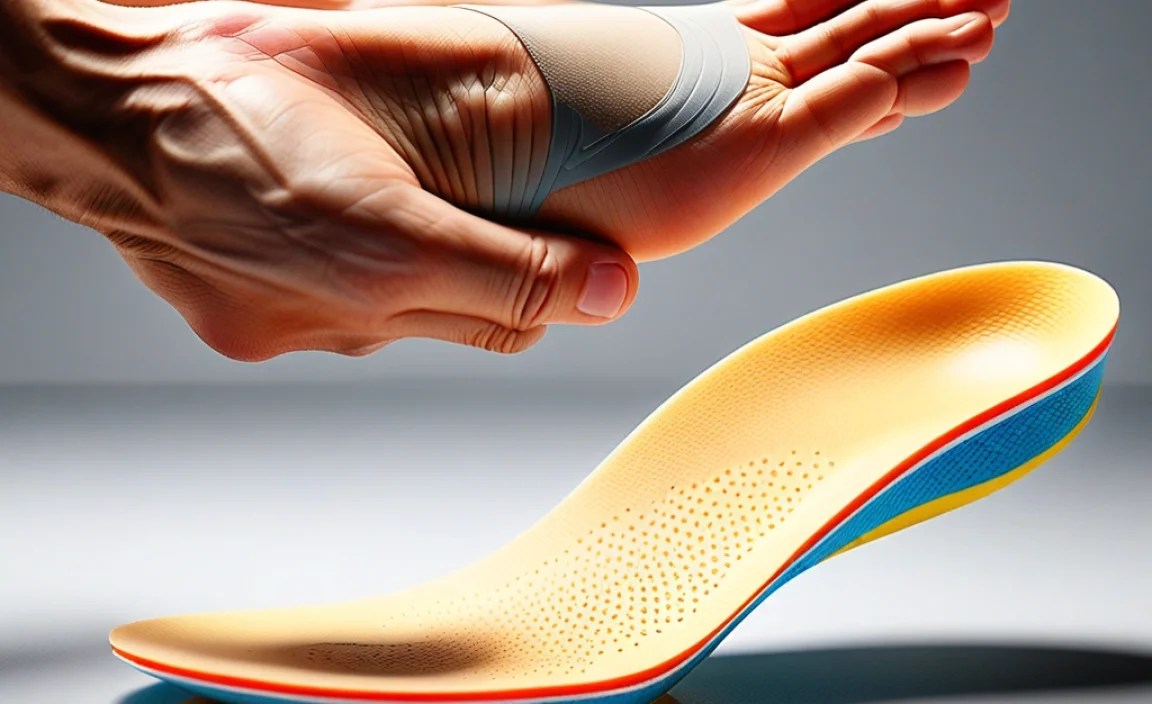
Hyperpronation, often called “overpronation,” happens when your foot rolls inward excessively after landing on it. Imagine your arch as a natural shock absorber. When you step, your arch should subtly flatten to absorb impact, then spring back to help propel you forward. In hyperpronation, this arch flattens more than it should, and the rolling in can continue for too long during your gait cycle. This means your foot isn’t functioning as efficiently as it could, and the stress isn’t distributed evenly.
Why is this a big deal? When your feet roll inward too much, it can force your ankles, knees, and even your hips and back out of their natural alignment. This can lead to a cascade of problems. You might notice:
- Arch pain or flat feet
- Plantar fasciitis (heel pain)
- Shin splints
- Ankle instability or frequent sprains
- Knee pain, especially on the inside
- Hip pain
- Lower back discomfort
It’s not just about discomfort; it can affect your performance in sports, your stamina during daily activities, and your overall quality of life. Thankfully, you don’t need to suffer. Understanding your foot mechanics is the first step, and insoles are a fantastic, accessible tool to help correct this common issue.
What to Look for in Insoles for Hyperpronation

When you’re dealing with hyperpronation, you need insoles that actively support your arch and help guide your foot into a more neutral position. Not all insoles are created equal, and some are designed more for cushioning or general comfort, while others target specific biomechanical issues like overpronation. Here’s what to prioritize:
Key Features for Hyperpronation Control Insoles
- Firm Arch Support: This is the most critical feature. The insole should have a well-defined, firm arch that matches the natural curve of your foot, preventing excessive flattening. It should feel supportive, not squishy.
- Heel Cup: A deep, secure heel cup helps to stabilize your heel and ankle, preventing them from rolling inward excessively. This keeps your foot properly aligned from the moment it strikes the ground.
- Motion Control or Stability Features: Some insoles have specific designs, like a firmer density in the midsole or a supportive rearfoot posting, to limit excessive inward motion.
- Cushioning: While support is paramount, adequate cushioning is also important for absorbing shock, especially if you’re active. Look for a balance between firm support and comfortable shock absorption.
- Orthotic Grade Materials: High-quality materials that are durable and maintain their supportive properties over time are essential. Cheaper insoles can break down quickly, losing their effectiveness.
- Proper Fit: The insole should fit well in your shoe and your foot. It shouldn’t be too long, too short, or too wide, as this can cause friction and discomfort.
Types of Insoles for Hyperpronation
Insoles for hyperpronation generally fall into a few categories, based on their construction and purpose:
- Semi-Rigid Orthotics: These offer a good balance of support and flexibility. They often have a firm base with a supportive arch and heel cup. They are a great starting point for many people with mild to moderate hyperpronation.
- Rigid Orthotics: These are typically custom-made or of very high quality and are designed for maximum correction and support. They are often recommended for severe cases of overpronation or for individuals who need significant biomechanical correction.
- Forefoot and Rearfoot Posting Insoles: These insoles have specific wedges (posts) built into the heel or forefoot to create a more neutral alignment. For hyperpronation, you’ll often see rearfoot posting designed to prevent the heel from collapsing inward.
How to Choose the Right Insoles: A Step-by-Step Guide

Selecting the perfect insoles for hyperpronation might seem daunting, but by following a few simple steps, you can find a pair that makes a real difference. It’s all about understanding your needs and what the insoles offer.
Step 1: Assess Your Foot and Arch Type
Before you even look at insoles, take a moment to understand your feet. You can do this with a simple “wet test.” Wet the soles of your feet and step onto a flat surface (like a piece of paper or a dark tile). Examine the imprint:
- Flat Arch (associated with hyperpronation): You’ll see almost your entire foot. This means your arch flattens considerably and likely rolls inward excessively.
- Normal Arch: You’ll see about half of your arch’s imprint.
- High Arch: You’ll see mainly your heel and the ball of your foot, with a very thin or no connection between them.
If you have a flat arch and suspect hyperpronation, you’re in the right place! Also, consider how much time you spend on your feet and what activities you engage in.
Step 2: Consider Your Footwear
The type of shoes you wear is crucial for insole success. Insoles need space to work and should fit comfortably within your shoes without making them too tight. Certain shoes are better suited for orthotics:
- Athletic Shoes: Most running shoes, walking shoes, and trainers have removable insoles and adequate depth for supportive inserts.
- Boots: Many boots, especially hiking or work boots, can accommodate insoles well.
- Dress Shoes: This can be trickier. Look for shoes with a slightly deeper toe box and consider thinner, semi-rigid insoles designed for dressier footwear. Avoid very flat or tightly fitting dress shoes.
- Casual Shoes: Loafers, sneakers, and other casual shoes can often fit insoles, but it depends on the shoe’s construction and depth.
It’s generally harder to fit insoles into very flat shoes, high heels, or minimalist footwear that offers little structure.
Step 3: Evaluate Insole Features (Support vs. Cushioning)
As mentioned earlier, for hyperpronation, support is key. Look for insoles that are specifically marketed for “overpronation control,” “arch support,” or “stability.” While some cushioning is always nice, don’t let it be the primary selling point. A very soft, plush insole might feel good initially but won’t provide the necessary structural support to correct your foot’s rolling motion.
Step 4: Decide Between Over-the-Counter (OTC) vs. Custom
- Over-the-Counter (OTC) Insoles: These are readily available from pharmacies, sporting goods stores, and online. They are much more affordable than custom options and can be very effective for mild to moderate hyperpronation. They come in various sizes and levels of support.
- Custom Orthotics: These are molded to your feet by a podiatrist or other foot specialist. They offer the most precise fit and support and are often recommended for severe foot conditions, persistent pain, or when OTC options haven’t worked. While more expensive, they can be a worthwhile investment for long-term foot health.
For most beginners dealing with hyperpronation, starting with a reputable pair of OTC insoles designed for overpronation control is a sensible and effective approach.
Step 5: Trying Them Out and Adjusting
Once you’ve purchased your insoles, don’t just shove them in and forget about them. Here’s how to introduce them:
- Break-in Period: Wear your new insoles for short periods initially. Start with an hour or two a day and gradually increase the duration as your feet get used to the added support.
- Listen to Your Feet: Some initial awareness of the support is normal. However, if you experience sharp pain, blisters, or significant discomfort that doesn’t subside, the insoles might not be the right fit or type for you.
- Adjust Lacing: In athletic shoes, you might need to adjust your lacing to accommodate the insole and ensure a snug, comfortable fit.
Remember, patience is key. It might take a few days or even a week to fully adjust to the new feel and benefits.
Top Insoles for Hyperpronation Control: A Comparative Look
Navigating the world of insoles can be overwhelming with so many brands and models available. To help you out, here’s a look at some highly-regarded options known for their effectiveness in controlling hyperpronation. These are generally available as over-the-counter products. Keep in mind that individual fit and comfort can vary.
When looking at insoles, it’s helpful to consider their construction, intended use, and consumer feedback. Here’s a table summarizing popular choices:
| Brand/Model | Key Features for Hyperpronation | Best For | Pros | Cons |
|---|---|---|---|---|
| Superfeet GREEN | Deep heel cup, moderate arch support, durable construction. | Everyday wear, walking, mild to moderate overpronation. | Excellent stability, long-lasting, versatile. | Can feel firm for some, may require a break-in period. |
| Align Footwear 3D/4D Series | Patented 3-arch support system, heel cup. | Active individuals, athletes, moderate to severe overpronation. | Proprietary support system targets multiple arches, good shock absorption. | Can be pricier than basic insoles, specific models for different needs. |
| Powerstep Pinnacle Maxx | Semi-rigid support, deep heel cup, advanced cushioning. | Pain relief, moderate to severe overpronation, high-impact activities. | Excellent combination of firm support and cushioning, targets pain points. | Can be a bit bulkier, may need to be trimmed for a perfect fit. |
| CurrexSole Dynamic (RunPro) | Dynamic Arch-Support, heel stabilization, specific for running. | Runners and athletes experiencing overpronation. | Designed to adapt to foot movement, improve running form, reduce fatigue. | More sport-specific, pricier than general insoles. |
| Dr. Scholl’s Performance Series (e.g., Running) | Shock absorption, arch support, motion control technology. | Beginners, casual athletes, general comfort for overpronation. | Widely available, good value, decent support for the price. | May not offer the same level of correction for severe cases as specialized orthotics. |
Choosing the Right Shoe for Support
Sometimes, the shoe itself plays a huge role. For those with hyperpronation, looking for shoes with a “stability” or “motion control” designation is highly recommended. These shoes are built with features that help limit excessive inward rolling. For example, a stability shoe might have firmer foam on the inside edge of the midsole and a less flexible sole. A motion control shoe is even more structured and is designed for severe overpronation.
The American Podiatric Medical Association (APMA) provides resources to help understand footwear and foot health. They often highlight the importance of well-constructed shoes that can work in conjunction with supportive insoles. You can find more information on their general advice for healthy footwear by visiting apma.org.
Integrating Insoles into Your Daily Life
Once you’ve found the perfect insoles, it’s time to make them a regular part of your routine. This isn’t just about popping them into your favorite pair of sneakers; it’s about a holistic approach to foot health.
Making the Transition Smoothly
Remember the break-in period mentioned earlier? Be patient with yourself and your feet. Start by wearing your insoles in your most supportive shoes for a few hours a day. As your feet adapt, you can begin to wear them for longer periods and in more of your footwear collection. It’s a gradual process, and your feet will thank you for the gentle introduction to improved alignment and support.
Daily Foot Care Additions
Insoles are fantastic, but they work best as part of a comprehensive foot care strategy. Consider incorporating these habits:
- Stretching: Regular calf and foot stretches can help improve flexibility and reduce tightness that can exacerbate pronation issues. Focus on calf stretches and stretching the plantar fascia.
- Strengthening Exercises: Exercises that strengthen the muscles in your feet and ankles can also improve stability. Try picking up marbles with your toes, doing calf raises, and ankle circles.
- Proper Footwear Beyond Insoles: Ensure the shoes you wear, even when not using insoles, provide adequate support, a secure heel, and enough room in the toe box.
- Listen to Your Body: Pay attention to any signals of discomfort or pain. Don’t push through sharp pain; take a break, rest your feet, and reassess your activity level and footwear.
- Hydration and Nutrition: While not directly related to insoles, staying hydrated and eating a balanced diet supports overall tissue health, including your feet.
When Are Insoles Not Enough?
While insoles are a powerful tool for managing hyperpronation, there are times when more professional intervention may be needed. If you experience persistent or severe pain, if your condition significantly impacts your daily life, or if you have underlying medical conditions like diabetes or arthritis, it’s crucial to consult a healthcare professional. A podiatrist or orthopedic specialist can provide a thorough diagnosis and recommend further treatment options, which might include custom orthotics, physical therapy, or other medical interventions.
The American Podiatric Medical Association (APMA) website offers a “Find A Podiatrist” tool to help you locate a qualified foot and ankle specialist in your area. You can access this resource at apma.org/findapodiatrist.
Frequently Asked Questions About Insoles for Hyperpronation
Q1: How do I know if I actually have hyperpronation?
A1: The most common indicator is the “wet test” (described earlier) showing a flat foot impression. You might also notice your ankles rolling inward more than usual when you walk, shoes wearing out unevenly on the insides, or experiencing pain in your arches, shins, or knees.
Q2: Can insoles completely cure hyperpronation?
A2: Insoles are designed to control and manage hyperpronation, not necessarily cure it. They help realign your foot and improve its mechanics, reducing symptoms and preventing further issues. For some, consistent use can lead to improved foot posture over time.
Q3: How often should I replace my insoles?
A3: This depends on the quality of the insole and how often you use them. For most people, over-the-counter insoles used daily should be replaced every 6-12 months. Look for signs of wear, such as flattened cushioning, visible cracks, or a loss of support.
Q4: Can I use the same insoles in all my shoes?
A4: It’s ideal to have a pair of insoles for your primary everyday shoes (e.g., sneakers, work shoes). While you can transfer them, it involves frequently removing and inserting them, which can be inconvenient and may lead to faster wear. It’s best to have dedicated pairs for different shoe types when possible.
Q5: Will insoles make my shoes feel tighter?
A5: Yes, adding an insole will take up some space in your shoe. This is why it’s important to ensure your shoes have enough depth to accommodate the insole comfortably. If your shoes feel too tight, you might.
