Running insoles are specially designed inserts that go into your running shoes to provide extra cushioning, support, and shock absorption. They help improve comfort, reduce fatigue, and can even help prevent injuries for runners of all levels by aligning your feet and reducing impact.
Hey there, fellow runners and soon-to-be runners! Millard Mar here from SoleForShoes. Do your feet ever ache after a run, or do you feel that nagging discomfort that makes you want to hang up your running shoes for good? You’re not alone. Many runners experience foot pain, and it can be frustrating. The good news? A simple, often overlooked solution could be right under your feet: insoles! Think of them as a comfy upgrade for your running shoes. They’re not just for fancy orthotics anymore; nowadays, there are fantastic options for everyone. We’re going to dive into the basics of insoles for runners, making it super easy to understand what they are, why you might need them, and how to pick the perfect pair. Get ready to step into a more comfortable and supportive run!
Insoles for Runners Basics: Your Essential Guide
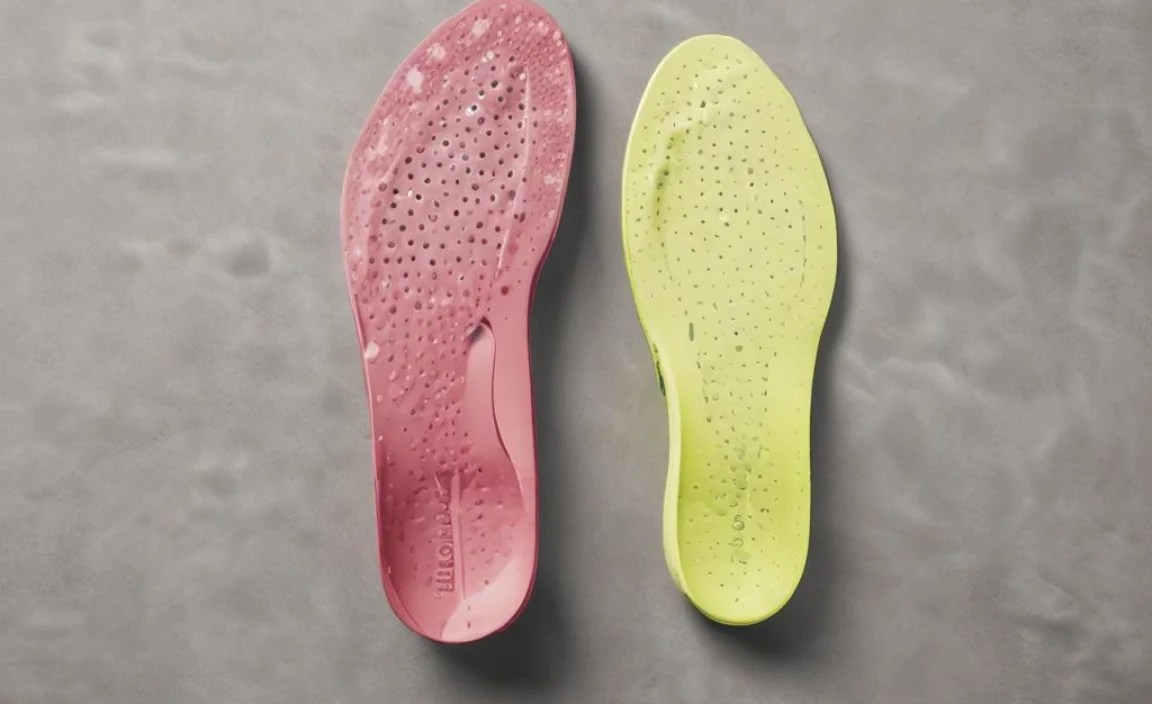
Running is amazing for your body and mind, but it also puts a lot of repeated stress on your feet and lower legs. Without the right support, this stress can lead to discomfort, pain, and even injuries like plantar fasciitis, shin splints, or knee pain. This is where insoles for runners come in. They’re like a custom upgrade for your running shoes, designed to enhance comfort, provide targeted support, and help your feet function better while you pound the pavement or trails.
This guide will break down everything you need to know as a beginner. We’ll cover what insoles are, why they’re beneficial for runners, the different types available, and how to choose the right ones for your unique needs. By the end, you’ll feel confident about finding insoles that will make your runs more enjoyable and your feet happier.
What Exactly Are Running Insoles?

Insoles, also known as shoe inserts or sockliners, are removable cushions that sit inside your running shoes. They’re designed to sit on top of the shoe’s existing insole (the one that’s built into the shoe). Their primary purpose is to provide an additional layer of cushioning and support. While running shoes offer a base level of comfort, insoles can significantly enhance this, particularly in areas like arch support, heel cushioning, and overall shock absorption. They can help correct minor biomechanical issues, distribute pressure more evenly, and provide a more personalized fit within your shoe.
Why Should Runners Consider Using Insoles?
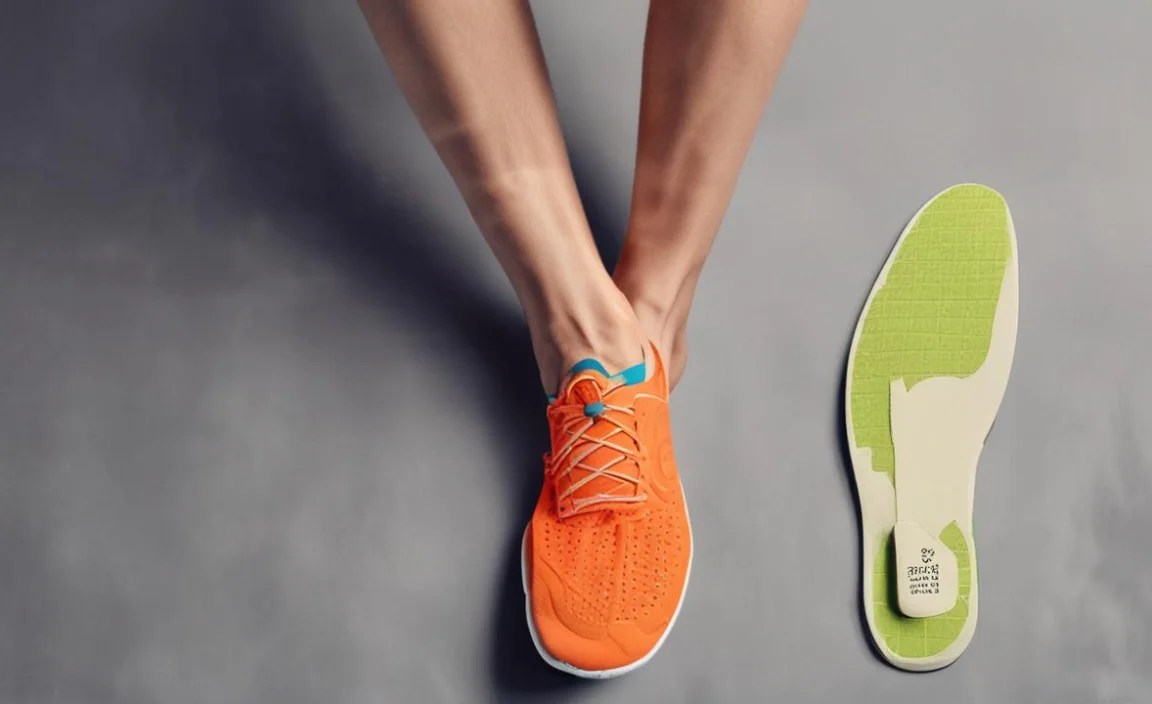
Runners put their feet through a lot of impact with every stride. Insoles can make a big difference by:
- Enhanced Cushioning: They add an extra layer of softness, absorbing more of the shock from each foot strike. This is especially helpful on hard surfaces like roads.
- Arch Support: The arch of your foot is crucial for support and shock absorption. Insoles can provide support to your arch, preventing it from collapsing and reducing strain on your plantar fascia.
- Improved Alignment: Some insoles help guide your foot into a more neutral and stable position as you run, which can correct subtle issues like overpronation (foot rolling inward excessively) or supination (foot rolling outward excessively).
- Pain Reduction: By improving support and cushioning, insoles can alleviate pain associated with conditions like plantar fasciitis, heel spurs, shin splints, and general foot fatigue.
- Increased Comfort: Simply put, they make your runs more comfortable, allowing you to run longer and more often without discomfort.
- Injury Prevention: By properly supporting your foot and absorbing shock, insoles can help reduce the risk of common running injuries.
Understanding Your Foot Type and Arch
One of the most important factors in choosing the right insoles is understanding your foot type, particularly your arch height. This impacts how your foot strikes the ground and how much support it needs. You can easily check your arch type with a simple wet test:
- Wet the bottom of your foot.
- Step onto a piece of heavy paper (like a brown paper bag or cardboard).
- Step off and observe the imprint your foot leaves.
Here’s what the imprints generally mean:
- High Arch (Supinator): You’ll see a very thin connection, or no connection at all, between your heel and the ball of your foot. This means your foot doesn’t roll inward much (or at all) to absorb shock. You may need insoles with excellent cushioning, especially in the heel, and some flexibility to help with shock absorption.
- Normal Arch (Neutral): You’ll see a distinct curve along the inside of your foot, with a band connecting the heel to the forefoot that’s about half the width of your foot. This is the most common foot type, and your foot likely rolls inward a healthy amount to absorb shock. You can typically use a wide range of insoles, focusing on general comfort and support.
- Flat Arch (Overpronator): You’ll see most of your foot, with little to no curve on the inside. This means your foot rolls inward excessively after landing, which can put stress on your arches and shins. You’ll likely benefit most from insoles with strong arch support and stability features to help control pronation.
Types of Insoles for Runners

Insoles come in various forms, catering to different needs. They are generally categorized by their level of support and cushioning.
1. Cushioning Insoles
These are all about comfort and shock absorption. They are typically made from softer materials like gel, foam, or specialized compounds that provide a plush feel underfoot. They are ideal for runners who want to reduce impact on their joints, especially if they run on hard surfaces or experience general foot fatigue.
- Best for: Runners seeking maximum shock absorption, those with sensitive feet, or runners who prioritize a soft feel.
- Pros: Excellent comfort, reduces impact on joints.
- Cons: May offer less arch support or stability, can wear out faster due to softer material.
2. Support/Stability Insoles
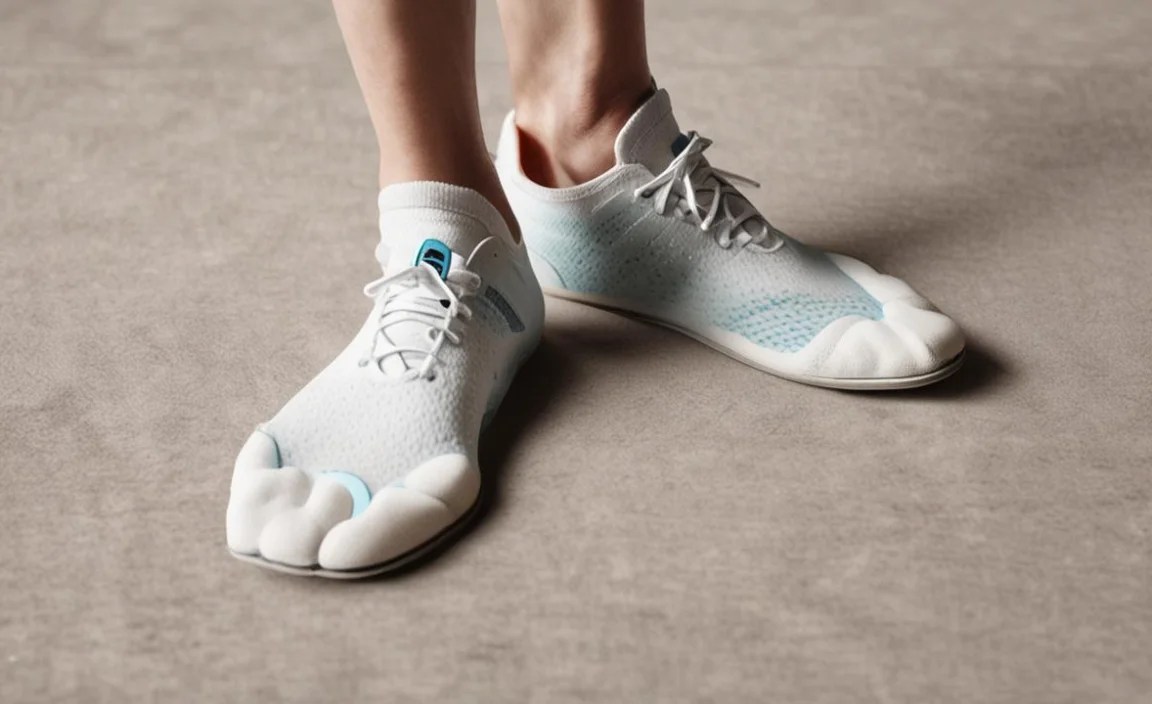
These insoles are designed to provide more structure and help control the foot’s motion. They often feature firmer materials, especially in the arch area, and may have a structured heel cup to stabilize the foot. They are beneficial for runners who overpronate or need extra help keeping their foot in a neutral position.
- Best for: Runners who overpronate, those with flat feet, or runners dealing with mild to moderate foot instability.
- Pros: Helps control overpronation, provides better foot guidance, can improve posture.
- Cons: Can feel firmer, might require a break-in period.
3. Performance Insoles
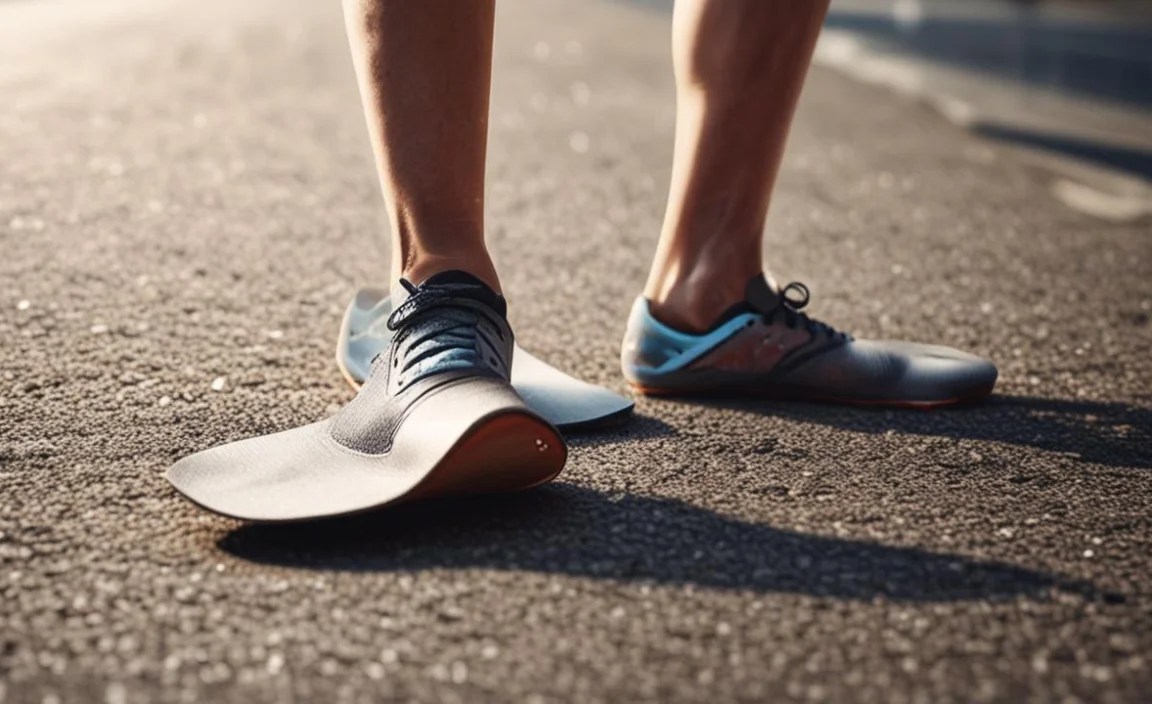
These are often a hybrid, combining cushioning with some degree of support and responsiveness. They might be lighter and more streamlined, designed to enhance energy return and provide a balance of comfort and performance. Some may feature specific technologies to help push off more efficiently.
- Best for: Runners looking for a balance of comfort, support, and a performance edge without excessive bulk.
- Pros: Good for overall running experience, lightweight, can offer responsiveness.
- Cons: May not provide as much targeted support as specialized stability insoles.
4. Custom Orthotics vs. Over-the-Counter (OTC) Insoles

It’s worth mentioning the difference:
- Custom Orthotics: These are made by a medical professional (like a podiatrist) after a thorough examination of your feet and gait. They are tailored precisely to your foot’s anatomy and biomechanics. They are highly effective but also the most expensive option.
- Over-the-Counter (OTC) Insoles: These are readily available at sporting goods stores, pharmacies, and online. They come in pre-determined sizes and support levels. While not as personalized as custom orthotics, many high-quality OTC insoles offer excellent benefits for a fraction of the cost. For most beginner runners, OTC insoles are a fantastic starting point.
Key Features to Look For in Running Insoles

When you’re shopping for insoles, keep an eye out for these important features:
- Arch Support: The level of arch support should match your foot type. Too much or too little can cause problems.
- Heel Cup: A well-defined heel cup helps cradle your heel, providing stability and preventing your foot from sliding around.
- Cushioning Material: Look for materials like EVA foam, PU (polyurethane), or gel inserts, which offer good shock absorption and durability.
- Flexibility: While some support is good, extremely rigid insoles can feel uncomfortable and may not adapt well to your foot’s natural movement. A balance is key.
- Thickness/Profile: Insoles vary in thickness. A thicker insole offers more cushioning but takes up more space in your shoe, potentially making it feel too tight. A thinner insole is less bulky but might offer less cushioning. Consider the volume of your current running shoe.
- Moisture-Wicking Top Sheet: Many good insoles have a fabric top layer that helps manage sweat and keep your feet drier and more comfortable.
How to Choose the Right Insoles for You

Choosing the right insole can seem daunting, but it boils down to a few key considerations:
Step 1: Assess Your Foot Type and Needs
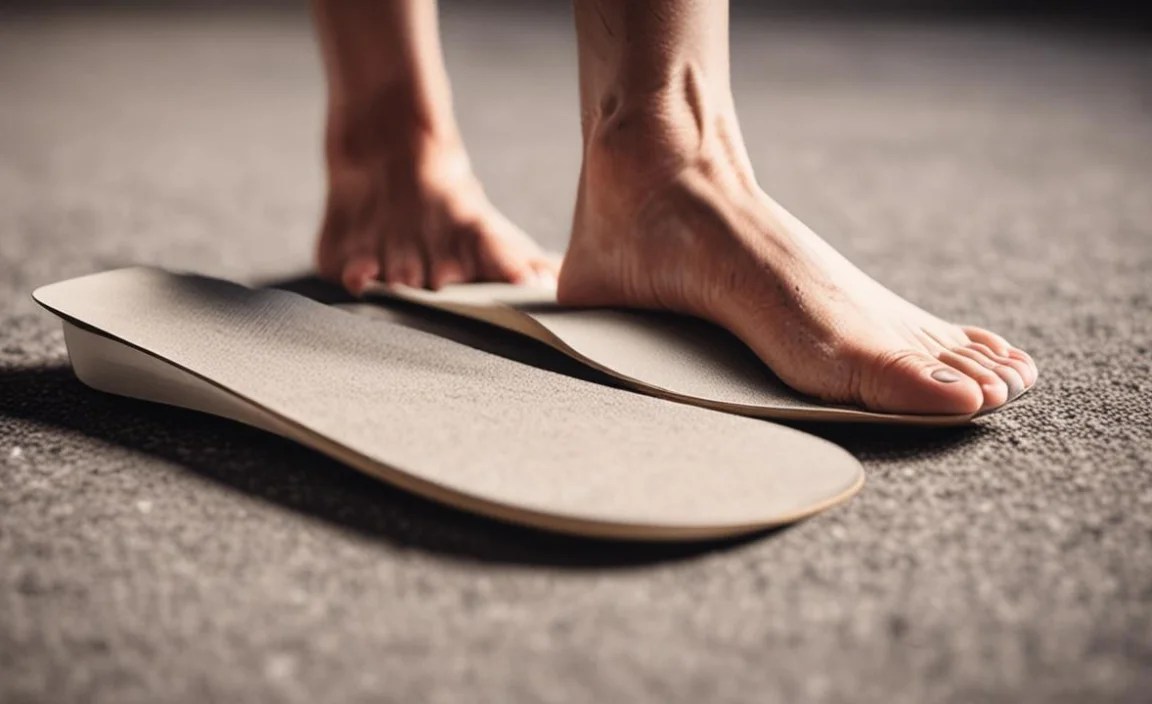
Refer back to the wet test for your arch type. Are you experiencing specific pain points? Think about:
- Do you have flat feet or high arches?
- Do you feel pain in your heels, arches, or ball of your foot?
- Do your feet get fatigued quickly?
- Is your current running shoe lacking in support or cushioning?
Step 2: Match Your Foot Type to Insole Type

Here’s a general guide:
| Foot Type | Recommended Insole Type | Key Features to Look For |
|---|---|---|
| Flat Arch (Overpronator) | Support/Stability Insoles | Strong arch support, deep heel cup, firmer materials for control. |
| Normal Arch (Neutral) | Cushioning or Hybrid Performance Insoles | Moderate arch support, good cushioning, balanced feel. |
| High Arch (Supinator) | Cushioning Insoles | Maximal cushioning (especially heel), flexibility, softer materials. |
Step 3: Consider Your Running Style and Shoe Type
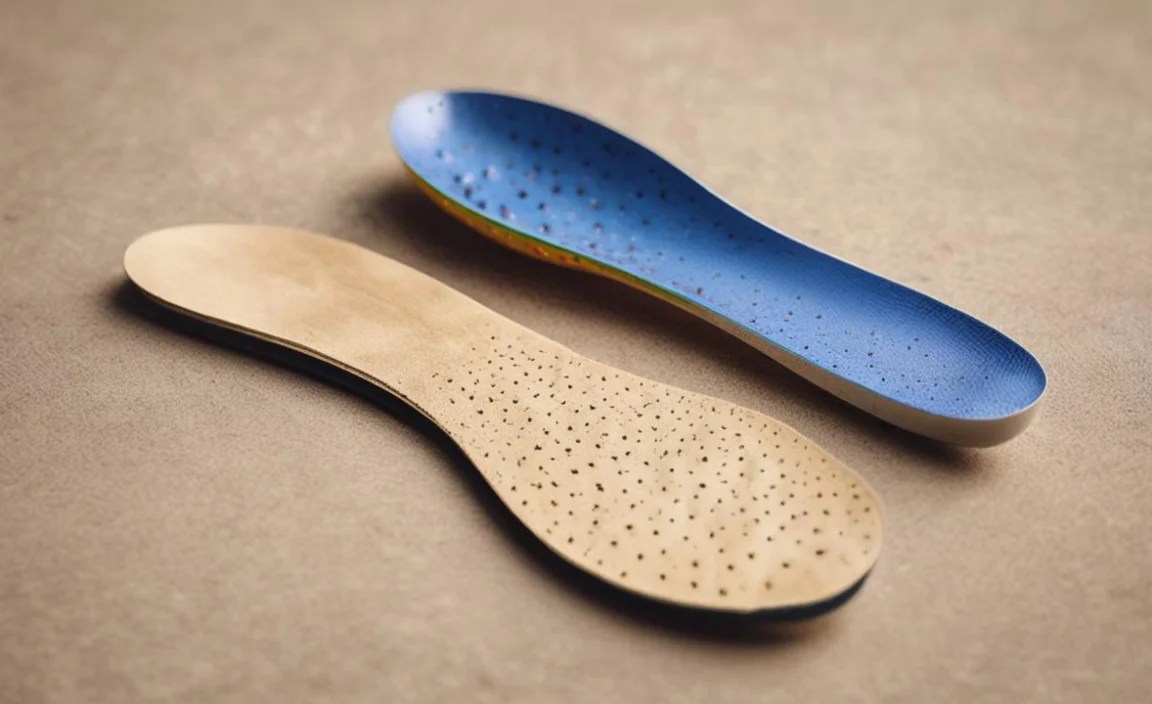
Are you a casual jogger or training for a marathon? Do you run on trails or roads? If you have a very minimalist shoe, a thick, bulky insole might not fit well or be appropriate. Conversely, if your shoes are already very cushioned, you might prioritize support over extra padding.
Step 4: Try Them On (If Possible)
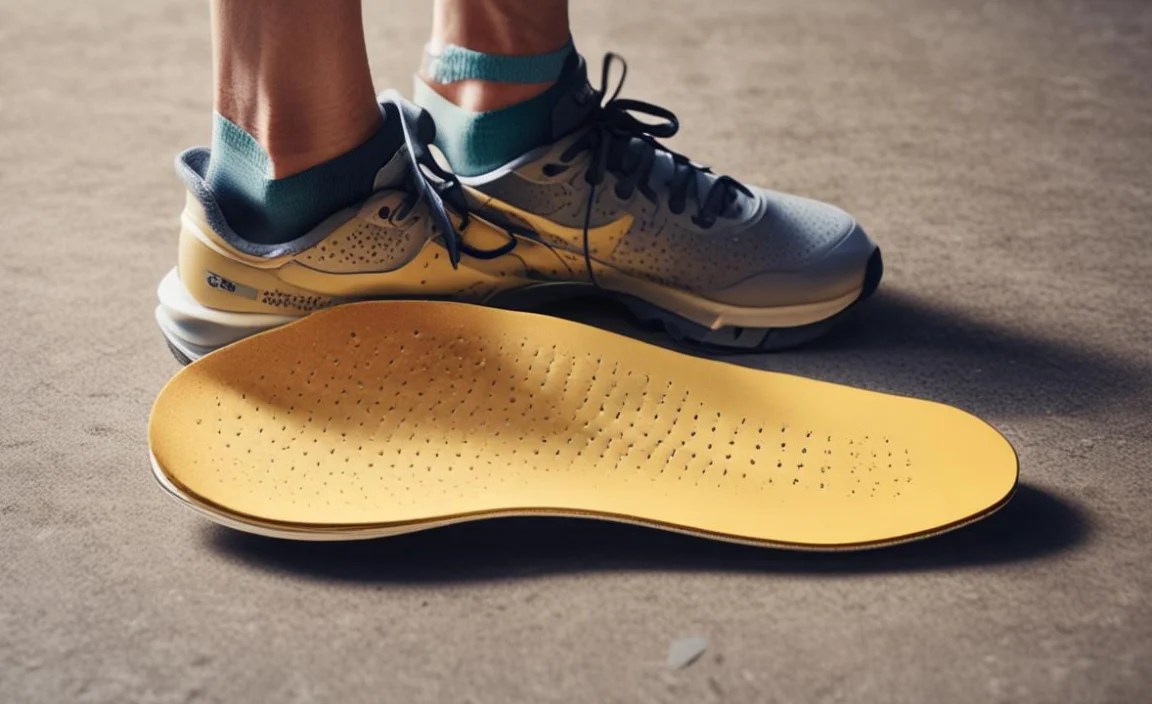
If you can, try insoles on in-store. Wear the type of socks you normally run in and ideally bring your running shoes. Walk around and feel for pressure points or areas of discomfort. Some running specialty stores may even have gait analysis that can help further guide your choice.
Step 5: Read Reviews!
Online reviews from other runners can be incredibly valuable. Look for feedback from people with similar foot types and running habits. Reputable running websites and forums often have detailed insole reviews.
How to Insert and Use Your New Insoles

Getting your new insoles into your shoes is simple:
- Remove the Original Insole: Most running shoes have a removable sockliner. Gently peel or lift out the existing insole from your shoe. Some might be glued down, so be careful not to force them if they resist excessively.
- Check the Fit: Place the new insole inside the shoe. It should lie flat and fit snugly without bunching up or extending beyond the shoe’s edge. If it’s too long, you might need to trim it carefully with scissors. Many insoles are designed with trim lines to help with this.
- Ensure Proper Placement: Make sure the heel of the insole is seated correctly in the shoe’s heel cup, and the arch support is properly aligned with your foot’s arch.
- Test it Out: Go for a short walk or a gentle jog to see how the insoles feel. Pay attention to any immediate discomfort or areas where you feel improved support.
Important Usage Tips:
- Break-in Period: Some insoles, especially more supportive ones, may require a short break-in period. Start by wearing them for shorter runs and gradually increase the duration. This allows your feet to adapt.
- One Pair Per Shoe: It’s generally best to have dedicated insoles for each pair of running shoes you use. Swapping them can be a hassle and might not provide consistent support.
- Listen to Your Body: If you experience new or increased pain after using insoles, stop using them and reassess. It might be that the insole type isn’t right for you, or you need a different size or support level.
- Maintenance: Follow the manufacturer’s instructions for cleaning. Most can be wiped down or hand-washed with mild soap and water, then air-dried away from direct heat.
When to See a Professional
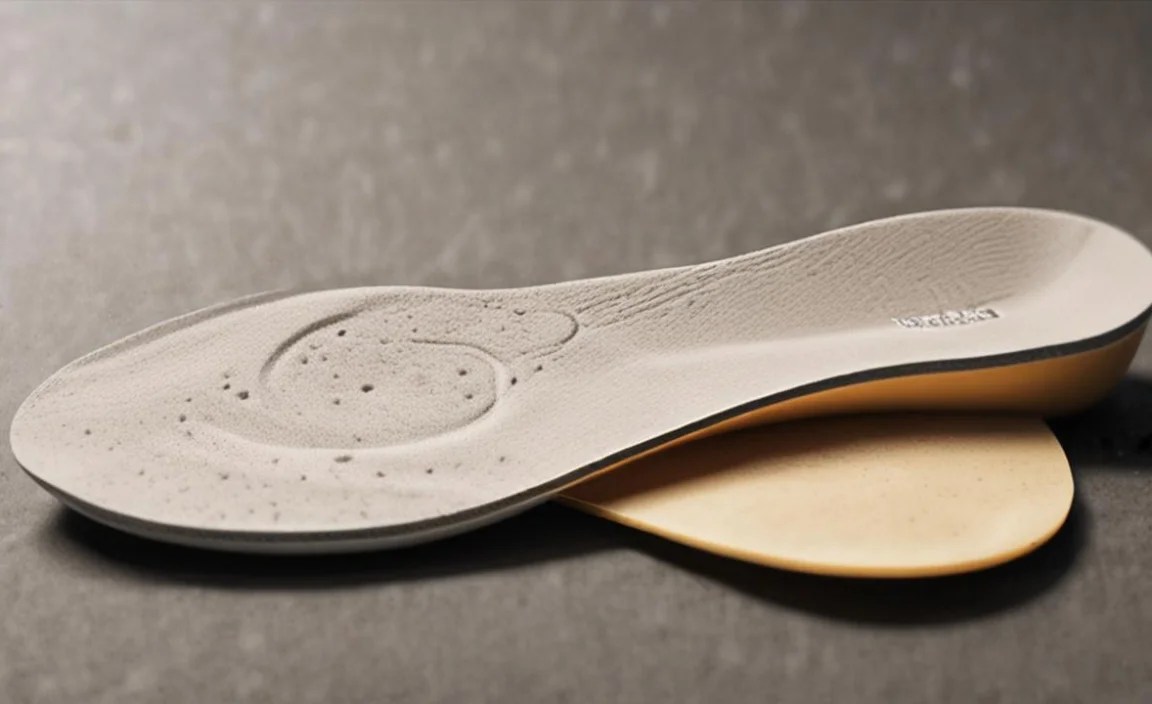
While OTC insoles can solve many common discomforts, there are times when professional help is necessary:
- Persistent Pain: If your foot pain is severe, doesn’t improve with rest or OTC insoles, or worsens over time.
- Significant Deformities: If you have noticeable foot deformities, such as severe bunions, hammertoes, or significant structural issues.
- Injury Recovery: If you are recovering from a significant foot or ankle injury, a podiatrist can provide the most appropriate treatment and recommend custom solutions if needed.
- Specific Medical Conditions: Conditions like diabetes require specialized foot care to prevent complications. A podiatrist can advise on the best footwear and inserts.
A podiatrist can perform a detailed biomechanical assessment and recommend custom orthotics if necessary. You can learn more about foot health from resources like the American Podiatric Medical Association (APMA), a trusted source for foot health information.
Frequently Asked Questions (FAQs) about Insoles for Runners
Q1: Do I really need insoles if my running shoes feel fine?
A1: Not necessarily. If you experience no discomfort and your feet feel well-supported during and after your runs, your current shoes might be providing all the support you need. However, insoles can offer an extra layer of protection and comfort, especially if you run frequently or on hard surfaces, and can help prevent future issues.
Q2: How long do insoles typically last?
A2: The lifespan of insoles varies depending on the material, your weight, how often you run, and the surfaces you run on. Generally, you can expect good quality performance or cushioning insoles to last anywhere from 500 to 800 miles of running, or about 6 months to a year of regular use. Look for signs of wear, such as flattening, loss of cushioning, or visible tears.
Q3: Can I use the same insoles for all my shoes?
A3: While you can swap insoles between shoes, it’s not ideal for optimal performance and comfort. To get the most benefit, it’s best to have a dedicated pair of insoles for each pair of running shoes you use regularly. This ensures consistent support and prevents you from forgetting to switch them.
Q4: Will insoles make my shoes too tight?
A4: Running insoles add a layer inside your shoe, so they can make your shoes feel snugger. If your shoes already fit very snugly, you might need to opt for thinner insoles or slightly loosen your shoelaces. If an insole feels too thick or causes discomfort due to pressure, consider a lower-profile option or see if you can trim it down (following the manufacturer’s guide).
Q5: Are gel insoles or foam insoles better for runners?
A5: Both have their advantages. Gel insoles often provide excellent shock absorption and can feel very comfortable initially. Foam insoles, particularly those made from EVA or PU, tend to offer a good balance of cushioning and support, and can be more durable. The “better” type depends on your personal preference for feel and your specific support needs. Many high-quality insoles use a combination of materials.
