Using insoles in recovery shoes significantly boosts comfort by adding customized support, cushioning, and alignment. This guide helps you choose and use the right insoles to make those post-activity or tired-day shoes feel amazing and aid your foot’s well-being.
Welcome! If you’ve ever slipped into a pair of recovery shoes after a long day or a tough workout, you know the immediate relief they can offer. But what if we told you that relief could be even better? By adding the right insoles, you can transform your favorite comfortable shoes into personalized comfort zones. This guide will walk you through everything you need to know about insoles for recovery shoes, helping you find the perfect fit for maximum comfort and foot support.
Why Insoles Matter for Your Recovery Shoes

Recovery shoes are designed for comfort and to give your feet a break. They often feature soft materials, roomy fits, and gentle cushioning. However, they might not provide the specific support your unique feet need. This is where insoles come in. Think of them as a personalized upgrade for your footwear.
Wearing any shoe without proper support, even a comfortable one, can sometimes lead to issues. Your feet might still ache, or you might notice fatigue setting in faster than you’d like. Insoles can address this by:
- Adding extra cushioning where you need it.
- Providing arch support to help align your foot.
- Absorbing shock with every step.
- Helping to redistribute pressure points.
- Potentially improving posture and reducing strain on other joints like knees and hips.
When your feet feel great, the rest of your body tends to follow. Insoles are a simple yet effective way to enhance the natural benefits of your recovery shoes.
Understanding Different Types of Insoles

Not all insoles are created equal. They come in various materials, levels of support, and designs, catering to different needs. For recovery shoes, the goal is usually to maximize comfort and gentle support.
Cushioning Insoles
These are your go-to for cloud-like comfort. Made from materials like memory foam, gel, or soft EVA (ethylene-vinyl acetate), they excel at absorbing shock and providing a plush feel. They’re great for everyday wear and for people who need extra padding to reduce impact on their feet.
Support Insoles (Orthotic Insoles)
While true prescription orthotics are custom-made, many over-the-counter insoles offer significant foot and arch support. These often have a firmer construction and a contoured shape designed to cradle your heel and support your arch. They can help with conditions like plantar fasciitis or overpronation (when your foot rolls inward too much) by guiding your foot into a more neutral position.
Combination Insoles
Many insoles blend cushioning with support. They might have a supportive base with a softer top layer, offering the best of both worlds. This is often ideal for recovery shoes where you want both a soft feel and some structural help.
Material Matters
- Memory Foam: Molds to your foot shape over time for personalized comfort and cushioning.
- Gel: Offers excellent shock absorption and can provide a cooling sensation.
- EVA Foam: Lightweight, flexible, and provides good cushioning and shock absorption.
- Cork: Natural, can mold to the foot, and offers a good balance of support and cushioning.
- Leather/Fabric: Often used as a top layer for breathability and a smoother feel against the skin.
When to Consider Insoles for Your Recovery Shoes

Recovery shoes are a fantastic start, but sometimes they aren’t enough on their own. Here are some signs that adding insoles could make a big difference:
- Persistent Foot Pain: If your feet still ache after wearing your recovery shoes, especially in the heels, arches, or balls of your feet.
- Flat Feet or High Arches: Both extremes can benefit from added structural support that standard recovery shoes might not provide.
- After Exercise or Long Days: If you feel your feet are particularly tired, sore, or achy following periods of high activity or extended standing/walking.
- Plantar Fasciitis: This common condition causes heel pain, and the right insoles can offer much-needed relief and support.
- Knee or Hip Discomfort: Sometimes, foot misalignment can contribute to pain in other joints. Correcting foot mechanics with insoles can sometimes alleviate these issues.
- Swelling: While insoles won’t cure swelling, better support and cushioning can make swollen feet feel more comfortable.
Even if you don’t have a specific foot condition, if you simply want to maximize the comfort of your recovery shoes, adding a cushioned insole can be a game-changer. It’s about proactive care for your feet.
Choosing the Right Insoles: A Step-by-Step Approach

Selecting the perfect insole can feel overwhelming with so many options. Here’s a simple way to figure out what’s best for you and your recovery shoes.
Step 1: Identify Your Primary Need
What is the main reason you’re looking for insoles?
- Maximum Cushioning: For a plush, shock-absorbing feel.
- Arch Support: To help align your foot and relieve strain.
- Heel Pain Relief: Specifically targeting pain in the heel area.
- General Comfort Boost: For an overall improvement in how your feet feel.
Step 2: Assess Your Foot Type
Understanding your arch type is key:
- Normal Arches: You likely have a balanced foot. Medium arch support and cushioning would be suitable.
- Flat Feet (Low Arches): Your foot may roll inward (pronation). You’ll benefit from insoles with good heel cupping and firmer arch support to help guide your foot.
- High Arches: Your foot may not absorb shock well. Insoles with plenty of cushioning and some arch support to fill the gap can be beneficial.
Tip: The “wet test” can help! Wet your foot, step onto a piece of paper or cardboard, and examine the imprint. A full imprint indicates flat feet; an imprint with a very thin line connecting the heel and ball suggests high arches; a balanced imprint with a curve on the inside is a normal arch.
Step 3: Consider the Shoe’s Structure
Recovery shoes often have a removable insole. If yours does, carefully remove it and use it as a template for sizing. If your recovery shoe has a built-in, non-removable sole, you’ll need to find insoles that are relatively thin and flexible, or those designed to fit over existing insoles (though this is less common and can sometimes alter the shoe’s fit too much).
Pay attention to:
- Depth: Some insoles are thicker than others. Too thick an insole in a snug shoe can make it uncomfortable or too tight.
- Shape: Does the insole need to be a specific length or width? Most insoles are trim-to-fit.
Step 4: Read Reviews and Compare Options
Once you have an idea of what you need, explore different brands and models. Look for reviews from people with similar foot types or concerns. What works for one person might not work for another, so diverse feedback is valuable.
Step 5: Trim to Fit (If Necessary)
Most universal insoles come in larger sizes that you trim down to fit your specific shoe size. Follow the instructions carefully, using the original insole or the shoe’s footbed as a guide. Better to cut too little initially and trim more if needed.
Step 6: Test and Adjust
Once you’ve inserted the new insoles, wear them around the house for a bit. How do they feel? Do your arches feel supported? Is the cushioning hitting the right spots? If something feels off, you might need to adjust them or consider a different type.
Top Recommended Insoles for Recovery Shoes (Examples)

While personal needs vary, certain types of insoles consistently get high marks for comfort and support in casual and recovery footwear. Here are a few categories and examples of what people look for:
| Insole Type | Best For | Key Features | Example Brands/Products (Illustrative) |
|---|---|---|---|
| Maximum Cushioning | Anyone seeking a plush, soft feel and superior shock absorption, great for tired feet. | Deep heel cups, thick foam or gel layers, flexible design. | Superfeet Green (often too firm for pure cushioning, but popular), SOF SOLE Airr, Powerstep Full Cushion |
| Arch Support & Comfort | Those needing moderate arch support and balanced cushioning, good for mild pronation or flat feet. | Contoured design, supportive yet flexible arch, heel cradle. | CurrexSole Low Profile, Powerstep Original, Vionic Petunia |
| All-Day Comfort | Everyday wearers wanting a blend of soft cushioning and gentle support for long periods on their feet. | Breathable materials, good shock absorption, moderate arch contour. | Dr. Scholl’s (various comfort options), Spenco Rx Comfort, Align Footwear (mid-level support) |
Note: Specific product names change and availability varies. The brands listed are examples of companies that offer insoles in these categories. Always check the latest reviews and product specifications. Look for reputable retailers or direct from manufacturer websites for the most accurate product details. For example, the National Institutes of Health (NIH) offers general information on foot health.
How to Insert and Use Insoles in Your Recovery Shoes

It’s usually straightforward, but a few tips can ensure you get the best fit and feel.
1. Remove Old Insoles
If your recovery shoes have removable insoles, carefully slide them out. Sometimes they’re glued in, which is less ideal for adding new ones, but often they just lift out.
2. Prepare the New Insoles
If you bought insoles that need trimming:
- Place the new insole on top of the old one, aligning the heels and edges.
- Trace the outline of the old insole onto the new one with a pen or marker.
- Use sharp scissors to carefully cut along the traced line. It’s often best to cut slightly inside your traced line, as you can always trim more if needed.
If your insoles are not trim-to-fit or your shoe didn’t have a removable insole, carefully test the fit before making any permanent changes. Some recovery shoes are designed to accommodate a standard insole directly over their existing footbed.
3. Place the New Insoles
Slide the trimmed insoles into your recovery shoes. Make sure they lie flat and are positioned correctly within the shoe, covering the entire footbed without bunching up.
4. Wear and Assess
Slip on your shoes and walk around. How do they feel?
- Initial Comfort: Does it feel immediately better?
- Support: Do you feel your arch being supported?
- Pressure Points: Are there any new areas of pressure or discomfort?
If they feel good, great! If you notice a slight pressure point or a bit of gapping, you might need to make a minor adjustment to the trim or the placement. Sometimes, it takes a day or two for your feet to adapt to the new support.
Maintaining Your Insoles for Longevity
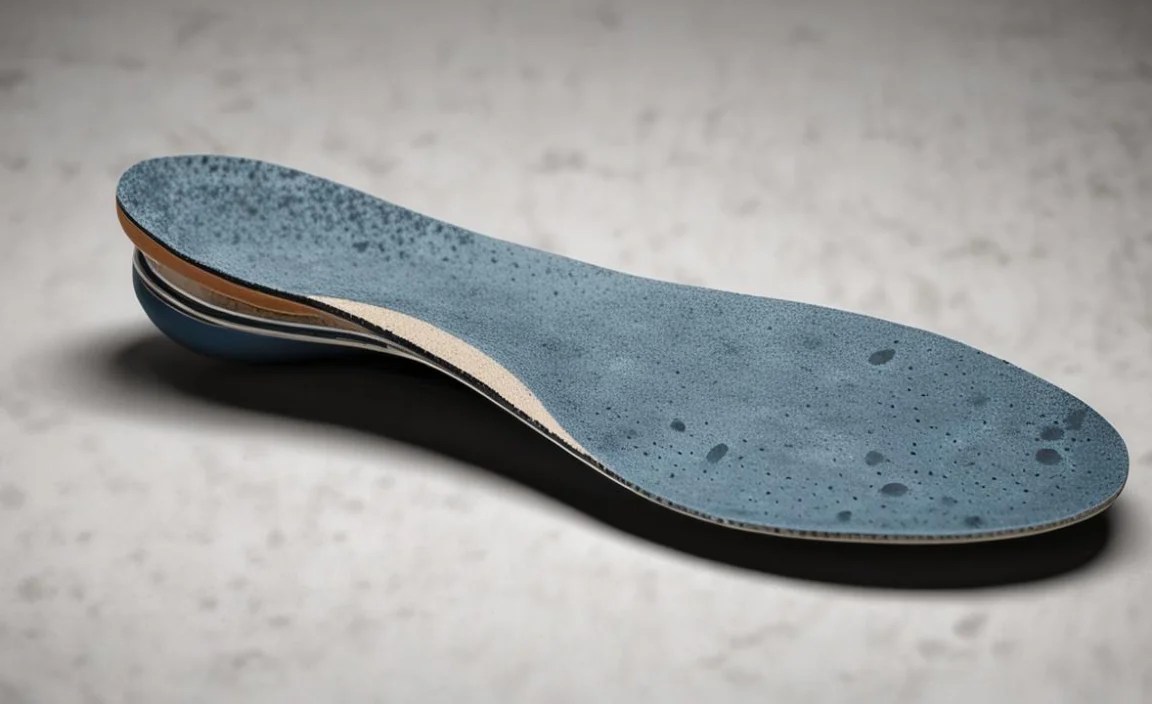
To keep your insoles performing at their best and smelling fresh, a little regular care goes a long way.
Daily:
- Air them out! After wearing, take the insoles out of your shoes and let them dry in a well-ventilated area. This is especially important if your feet tend to sweat.
Weekly/As Needed:
- Spot Clean: Use a damp cloth with mild soap and water to wipe down the insoles. Avoid soaking them.
- Gentle Scrub: For stubborn dirt, a soft brush can be used.
- Dry Thoroughly: Always ensure the insoles are completely dry before putting them back into your shoes.
Replacement:
- Insoles don’t last forever. Depending on usage and the material, they typically need replacing every 6-12 months. Signs they need replacing include:
- Loss of cushioning or support
- Visible wear and tear (flattening, tears, holes)
- Persistent odor that even cleaning can’t resolve
- A return of foot pain or discomfort that they previously helped
Frequently Asked Questions About Insoles for Recovery Shoes
Q1: Can I use any insole in my recovery shoes?
A: While you can physically put many insoles into recovery shoes, it’s best to choose insoles designed for comfort and support. Very rigid or specialized medical orthotics might be too stiff for the relaxed fit of recovery shoes. Look for cushioning, flexibility, and appropriate arch support for your foot type.
Q2: Will insoles change the fit of my recovery shoes?
A: Yes, insoles add volume. If your recovery shoes fit snugly, adding thick insoles might make them feel tighter. Opt for thinner insoles, or insoles with less padding if your shoes are already a close fit. Most good recovery shoes have enough depth to accommodate standard insoles.
Q3: How do I know if I need arch support?
A: If you have flat feet, high arches, or experience arch pain, heel pain (like plantar fasciitis), or general foot fatigue, you likely benefit from arch support. An insole with a contoured shape and a defined arch can help provide this necessary alignment and support.
Q4: Can insoles help with plantar fasciitis in my recovery shoes?
A: Absolutely. Insoles with good heel cupping and substantial arch support are often recommended for plantar fasciitis. They help reduce strain on the plantar fascia ligament and absorb shock, providing significant relief within comfortable shoes like recovery footwear.
Q5: How often should I replace my insoles?
A: For most people, insoles should be replaced every 6 to 12 months, depending on how often you wear them and the type of activity. If you notice they’ve lost their cushioning, don’t support your feet anymore, or you start experiencing pain again, it’s time for new ones.
Q6: Are there any downsides to using insoles in recovery shoes?
A: The primary potential downside is that they can alter the shoe’s fit, making it tighter. Also, if you choose the wrong type of insole for your foot, you might experience new discomfort. It’s important to select based on your needs and try them out.
Conclusion
Recovery shoes are a wonderful invention for giving your feet a well-deserved break. By understanding the benefits of insoles and how to choose them wisely, you can take the comfort and support of your recovery footwear to a whole new level. Whether you’re seeking plush cushioning after a strenuous workout, essential arch support for tired feet, or simply an overall enhancement to your daily comfort, the right insole is a powerful ally.
Don’t underestimate the impact that a simple piece of material can have on your foot health and daily well-being. Take the time to assess your needs, explore your options, and invest in insoles that make your recovery shoes feel like they were custom-made just for you. Your feet will thank you for it, step after well-supported step!
