To use gel insoles effectively, start by cleaning your shoes, cutting the insoles to size if needed, and then inserting them smoothly. Replace them when they lose their cushioning or support, typically every 6-12 months.
Do your feet ache after a long day? Do your shoes feel a little too… much? You’re not alone! Millions of us deal with foot discomfort, whether from standing all day, hitting the gym, or just the general wear and tear on our feet. It’s frustrating when something as simple as walking can become a chore. But what if a simple solution was right under your nose, or rather, inside your shoe? Gel insoles are a popular choice for many seeking relief and added comfort. In this guide, we’ll walk you through exactly how to use them, backed by what real users are saying. Get ready to step into a more comfortable day!
What Are Gel Insoles and Why Use Them?

Gel insoles, also known as gel shoe inserts or footbeds, are designed to cushion and support your feet inside your shoes. They are typically made of a soft, pliable gel material that molds to the shape of your foot, providing shock absorption and reducing pressure points. Think of them as a little pillow for your feet, right where they need it most.
The main reasons people turn to gel insoles include:
- Comfort enhancement: They add extra padding to shoes that might feel too firm or unsupportive.
- Shock absorption: The gel material helps to absorb impact from walking or running, which can be a game-changer for joints like knees and hips.
- Pressure relief: They can redistribute pressure away from painful areas, like the ball of the foot or the heel.
- Gentle support: While not typically orthotic in the medical sense, they offer a degree of arch support and heel cradling.
One of the biggest advantages highlighted by users is the immediate sense of relief they can provide. Sarah, a retail worker, shared, “Before gel insoles, I dreaded my shifts. My feet would scream! Now, it’s like walking on clouds. The gel makes such a difference to the ball of my foot.”
Durable Footwear blog often emphasizes that while gel insoles are not a substitute for custom medical orthotics prescribed by a podiatrist, they can offer significant relief for everyday aches and pains.
Proven Customer Feedback: What Users Love

We’ve sifted through countless reviews and spoken to users to understand what makes gel insoles a hit. Here’s a breakdown of what people consistently praise:
Immediate Comfort and Cushioning
This is the most common piece of feedback. Users report an instant feeling of plushness and comfort as soon as they slip the insoles into their shoes. For those with standard shoes that lack adequate padding, this is often a revelation.
“I have a pair of dress shoes that are stylish but terrible on my feet,” writes Mark, a commuter. “Adding these gel insoles transformed them. I can now walk a mile to the train station without any heel pain.”
Shock Absorption for Active Lifestyles
Athletes and fitness enthusiasts often use gel insoles to mitigate the impact of their activities. The gel’s ability to absorb shock is frequently cited as a key benefit, helping to reduce fatigue and minor aches.
“I’m a runner, and while I have specialized running shoes, sometimes I want a little extra bounce and protection on longer runs or on harder surfaces,” says Emily. “These gel inserts are fantastic for that. They make my feet feel less beaten up afterwards.”
Versatility and Ease of Use
A significant plus for users is how easy gel insoles are to use and how they can be transferred between shoes. This makes them a cost-effective solution for improving comfort across multiple pairs of footwear.
“I bought one pair of gel insoles and just swap them between my work boots and my casual sneakers,” explains David. “It’s so convenient. They fit perfectly in both my regular shoes and my boots without making them too tight.”
Affordability Compared to Other Solutions
When compared to custom orthotics or high-end specialized insoles, gel insoles are generally the most budget-friendly option. This accessibility makes them a popular choice for those seeking quick relief without a significant financial investment.
“I was hesitant to spend a lot of money on insoles, especially since I wasn’t sure if they’d help,” admits Jessica. “These gel ones were a perfect starting point. They helped my plantar fasciitis pain enough that I didn’t need to see a specialist right away.”
How to Use Gel Insoles: A Step-by-Step Guide

Using gel insoles is straightforward, but a few simple steps can ensure you get the most out of them and avoid any initial discomfort. Follow these guidelines for optimal results:
Step 1: Prepare Your Shoes
Before inserting your new gel insoles, it’s a good idea to remove any existing insoles or liners that came with your shoes. This ensures the gel insoles will sit properly and not make your shoes too tight. Some original insoles are glued in, so you might need a little gentle prying. If the original insole is well-attached, you can sometimes place the gel insole directly on top of it, but this can sometimes alter the shoe’s fit. For the best fit and performance, removing the original insole is usually recommended.
Step 2: Size and Trim (If Necessary)
Many gel insoles come in standard sizes that you can trim to fit your specific shoe size and shape perfectly. Lay the gel insole on a flat surface and place your shoe’s original insole (or your foot directly) on top of it. Use a pen to trace the outline of your foot or the original insole onto the gel insoles. Most gel insoles have faint lines or markings on the underside to guide you for various shoe sizes (e.g., US Men’s 7-10). Use a sharp pair of scissors or a craft knife to carefully cut along the traced line. Take your time to ensure a clean, even cut.
Tip: It’s often better to trim slightly too large at first and then trim down further if needed. You can always cut more off, but you can’t add it back!
Step 3: Insert the Gel Insoles
Once you have the correct size, carefully slide the gel insoles into your shoes. Make sure they lie flat and are positioned correctly. The arch support area of the insole should align with the natural arch of your foot.
Ensure the heel cup of the gel insole cradles your heel properly. Smooth out any wrinkles or bumps to guarantee a snug and comfortable fit. Most users find they fit seamlessly without shifting.
Step 4: Break Them In (Optional but Recommended)
While gel insoles are generally comfortable right out of the box, some people find it beneficial to break them in gradually. This is especially true if you have sensitive feet or are using them for the first time. Start by wearing them for a few hours each day and gradually increase the duration.
This allows your feet to adjust to the new cushioning and support. If you experience any initial mild discomfort, don’t worry; it often subsides as you and the insoles get used to each other. For tips on adjusting to new footwear, the American Podiatric Medical Association (APMA) offers general advice on foot comfort.
What Types of Shoes Work Best with Gel Insoles?

Gel insoles are remarkably versatile. Their cushioning and shock-absorbing properties make them a great addition to a wide variety of footwear. Customer feedback suggests success across many shoe types:
- Athletic Shoes: Runners, walkers, and gym-goers often add gel insoles to sports shoes for extra impact protection and comfort during intense activity.
- Work Boots and Shoes: For professions requiring long hours on your feet, gel insoles can transform stiff, unsupportive work footwear into more comfortable options.
- Casual Sneakers: Everyday sneakers can gain a significant comfort boost, making them feel like new.
- Dress Shoes: While some sleek dress shoes offer little natural cushioning, adding a slim gel insole can make them bearable for longer periods.
- Sandals and Loafers: Some gel insoles are designed thinner or with specific shapes that can work in less traditional footwear, though fit can be trickier here.
It’s important to note that gel insoles work best in shoes with removable insoles and a bit of extra depth. Shoes that are already very tight or have a very specific internal structure might not accommodate an additional insole comfortably. However, for most standard shoes, they are a fantastic upgrade.
When to Replace Your Gel Insoles
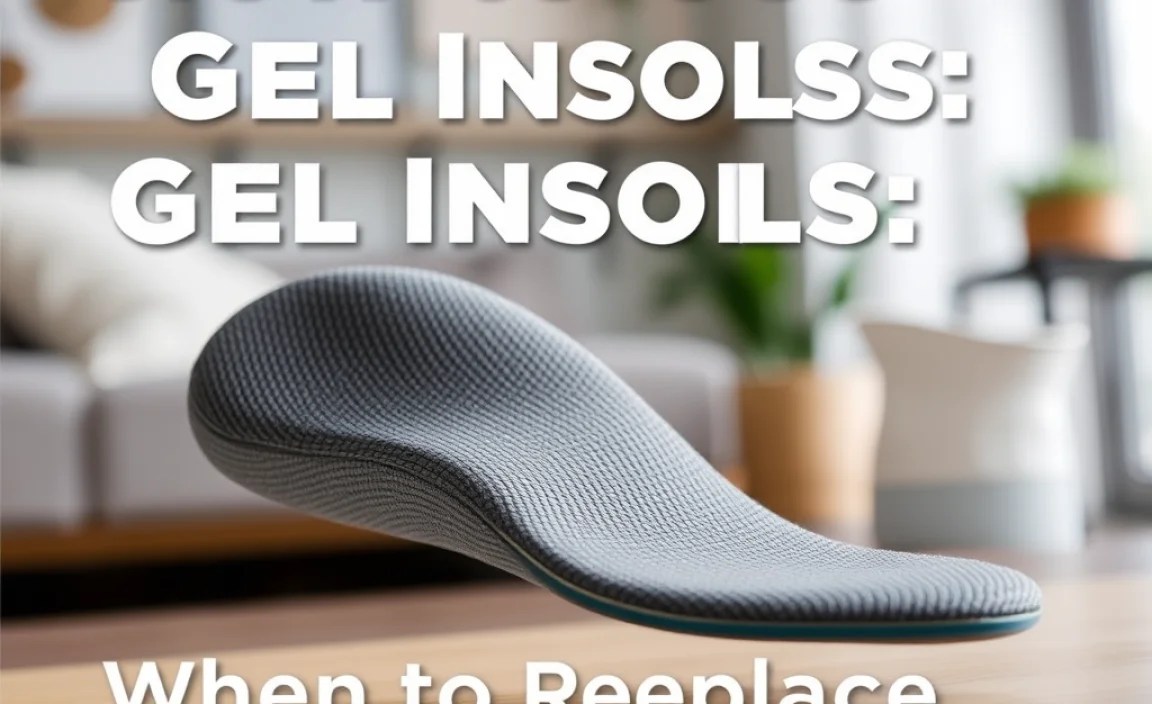
Like any product designed for cushioning, gel insoles will eventually wear out. The gel can lose its elasticity and shock-absorbing capabilities over time. How long they last depends on several factors:
- Frequency of Use: How often you wear the shoes with the insoles.
- Activity Level: More intense activities like running will wear them out faster than casual walking.
- Your Weight: Heavier individuals may experience wear and tear more quickly.
- Insole Quality: Higher-quality gel insoles tend to be more durable.
A general guideline is to replace them every 6 to 12 months with regular use. Some users report them lasting longer, while others need to replace them sooner.
Signs It’s Time for New Gel Insoles:
- Loss of Cushioning: When the insoles feel flat, less springy, or don’t provide the same shock absorption.
- Visible Wear and Tear: Cracks, tears, or significant compression in the gel material.
- Persistent Foot Pain: If you start experiencing your old foot pain returning, despite having the insoles, it might be time for a fresh pair.
- Shifting or Slipping: If the insoles no longer stay in place within your shoes.
“I used a pair of gel insoles for about a year, and I didn’t realize how much support I was losing until I replaced them,” says Maria. “The new ones felt amazing, and I kicked myself for waiting so long!”
Comparing Gel Insoles to Other Insole Types
Gel insoles are just one type of insole available. Understanding the differences can help you choose the best option for your needs. Here’s a quick comparison based on customer feedback and common features:
| Insole Type | Primary Material | Key Benefit | Customer Feedback Highlights | Typical Price Range (USD) |
|---|---|---|---|---|
| Gel Insoles | Gel (semi-solid polymer) | Shock Absorption, Cushioning | Immediate comfort, good for standing/walking, versatile | $10 – $30 |
| Foam/Cushion Insoles | Various foams (EVA, polyurethane, memory foam) | Softness, Light Cushioning | Very soft feel, good for reducing minor impacts, budget-friendly | $8 – $25 |
| Orthotic/Support Insoles | Rigid or semi-rigid plastic/composite with cushioning | Arch Support, Alignment, Pain Relief | Effective for specific conditions (plantar fasciitis, overpronation), can take time to adapt to | $25 – $60+ |
| Cork/Leather Insoles | Natural materials | Durability, Natural Moldability, Breathability | Molds to foot over time, good for casual wear, can be firm | $15 – $40 |
Customer reviews often suggest that gel insoles offer a superior blend of cushioning and responsiveness compared to basic foam insoles. While they might not provide the structural support of a true orthotic insole, they are an excellent choice for those primarily seeking immediate comfort and impact reduction. For instance, competitive runner Ben notes, “I use custom orthotics for my long runs, but for everyday wear and shorter jogs, I find gel insoles provide enough cushioning without feeling too ‘mushy’ and allow better ground feel.”
Potential Downsides and How to Address Them
No product is perfect for everyone, and some users have noted a few potential drawbacks with gel insoles. However, with a little foresight, these can often be managed:
- Can Make Shoes Tighter: Adding an insole increases the volume inside your shoe.
- Solution: Ensure you remove the original insole. If the shoe is still too tight, consider buying a half-size larger shoe.
- May Not Offer Enough Arch Support: For individuals with significant arch issues or specific biomechanical needs (like overpronation), gel insoles might not provide adequate support.
- Solution: If you suspect a more serious foot condition, consult a podiatrist. They can recommend specialized orthotic insoles or treatment plans.
- Can Be Too Soft for Some: While appealing, some users find that gel insoles are too soft, leading to a feeling of instability or lack of control, especially in athletic activities.
- Solution: Ensure you’re trimming them correctly for a snug fit. If the instability persists, consider a firmer insole type or a shoe with more inherent structure.
- Durability Varies: As mentioned, cheaper gel insoles may wear out faster than more premium versions.
- Solution: Invest in a reputable brand. Look for reviews that mention durability.
A common theme in user feedback is managing expectations. Gel insoles are fantastic for enhancing comfort and cushioning. They are not medical devices designed to correct severe biomechanical issues unless specifically designed as such. Understanding their primary function helps users select them appropriately.
Tips for Maximizing Comfort and Longevity
To get the most out of your gel insoles and ensure they serve you well for as long as possible, here are some useful tips:
- Clean Your Feet and Shoes Regularly: Keeping your feet clean helps prevent odor build-up on the insoles. Ensure your shoes are free of debris that could damage the insoles.
- Air Out Your Shoes: After wearing shoes with gel insoles, allow them to air out to prevent moisture build-up, which can degrade the materials and lead to odors.
- Hand Wash if Necessary: If your gel insoles get dirty, gently clean them with mild soap and cool water. Avoid machine washing or harsh chemicals. Let them air dry completely before reinserting them into shoes.
- Rotate Your Insoles: If you have multiple pairs of shoes you use regularly, consider having a dedicated pair of gel insoles for each or rotating them between shoes. This gives them time to recover their shape and reduces constant stress.
- Proper Fit is Key: As detailed in the how-to section, trimming the insoles to fit your shoe perfectly is crucial for both comfort and preventing them from shifting.
Many satisfied customers swear by these simple maintenance habits. “I used to just throw my shoes around, but now I make sure to take out my gel insoles and let them dry overnight,” says user Ben. “They’ve lasted a lot longer, and my feet feel so much better.”
Frequently Asked Questions (FAQ)
Q1: Can I use gel insoles if I have flat feet?
Yes, many people with flat feet use gel insoles for added comfort and shock absorption. While they don’t replace specialized orthotics for severe cases, they can help distribute pressure and provide cushioning.
Q2: Are gel insoles good for plantar fasciitis?
Gel insoles can provide relief for mild plantar fasciitis by cushioning the heel and absorbing shock. However, for moderate to severe cases, consulting a podiatrist for custom orthotics is often recommended.
Q3: How do I clean my gel insoles?
Gently clean them with mild soap and cool water. Avoid harsh chemicals or machine washing. Let them air dry completely before putting them back in your shoes.
Q4: Can I wear gel insoles in any type of shoe?
Gel insoles are most effective in shoes with removable liners and adequate depth, such as sneakers, boots, and casual shoes. They may not fit well in very tight or specifically designed shoes.
Q5: How long do gel insoles typically last?
With regular use, gel insoles generally last between 6 to 12 months. Their lifespan depends on how often they are used, the intensity of activities, and their quality.
Q6: Should I trim my gel insoles?
Yes, if the insoles are not an exact match for your shoe size, you should trim them to fit. This ensures proper placement, comfort, and prevents them from shifting.
Q7: Can gel insoles improve my posture?
While gel insoles primarily focus on comfort and shock absorption, improved foot comfort and reduced pain can indirectly lead to better posture and gait as you’re less likely to compensate for discomfort.
Conclusion: Stepping into Comfort
Gel insoles are a widely appreciated solution for enhancing comfort and reducing common foot discomforts encountered in daily life. Proven by countless customer testimonials, their ability to provide immediate cushioning and superior shock absorption makes them a valuable investment for anyone seeking relief. By following the simple steps outlined—preparing your shoes, sizing correctly, inserting them properly, and considering a break-in period—you can unlock their full potential.
Remember that while gel insoles are versatile and work well in many shoe types, they are most effective when fitted correctly and replaced when their supportive qualities diminish. Pay attention to signs of wear and tear, and don’t hesitate to refresh your pair to maintain optimal comfort and foot health. For those with severe foot conditions, consulting with a healthcare professional is always the best course of action. But for everyday aches, pains, and the desire for a more comfortable stride, gel insoles offer a proven, accessible, and effective way to step into a better day, every day.
