How to Size Insoles Correctly: Effortless Fit
Achieving an effortless fit with your insoles starts with accurately understanding how to size insoles correctly. It might seem like a straightforward process, but a few key considerations can make the difference between a supportive, comfortable addition to your footwear and an insert that causes more problems than it solves. Whether you’re looking to enhance athletic performance, alleviate foot pain, or simply add an extra layer of cushioning to your daily shoes, getting the right size is paramount. This guide will walk you through the essential steps to ensure your insoles fit perfectly, every time.
Understanding Insole Sizing Fundamentals
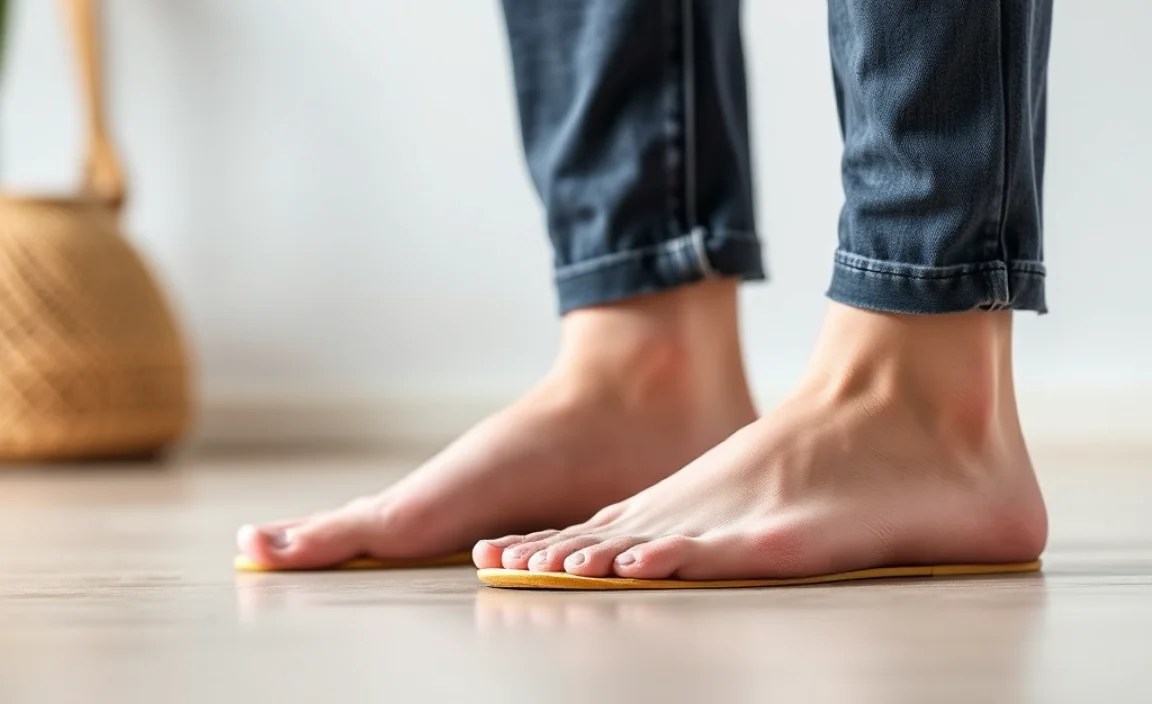
Before diving into the practical steps, it’s important to grasp the basic principles of insole sizing. Unlike shoes, which come in a wide array of widths and specific shapes, most insoles are designed to be trimmed to fit. This means the initial sizing is less about finding an exact match and more about choosing an insole that is larger than your shoe size or at least the closest available size. The excess material is then carefully trimmed away to conform to the unique internal shape of your specific shoe.
Several factors influence how to size insoles correctly:
Your Shoe Size: This is your primary starting point. Insoles typically correspond to shoe size ranges (e.g., Men’s 7-9, Women’s 8-10). Always select an insole that encompasses your shoe size. If you’re on the cusp of two sizes, it’s usually best to opt for the larger size, as you can always trim more off.
The Type of Shoe: Different shoes have vastly different interior volumes and shapes. Running shoes, dress shoes, boots, and casual sneakers all require slightly different approaches. A thicker, more supportive insole might be perfect for a sturdy hiking boot but too bulky for a sleek dress shoe.
Your Foot Shape and Arch Type: While not strictly about sizing, understanding your foot’s profile (e.g., high arch, neutral arch, flat foot) will help you choose the right type of insole, which in turn can affect how you trim and fit it.
Step-by-Step Guide: How to Size Insoles Correctly

The most reliable method for how to size insoles correctly involves using your existing shoe as a template. This ensures a precise fit that maximizes support and comfort without creating pressure points or slippage.
Step 1: Choose the Right Insole Size Range
As mentioned, begin by selecting an insole that covers your shoe size. If your shoes are a US Men’s 9.5, look for an insole labeled as “Men’s 9-10” or “Men’s 9.5-10.5.” Avoid insoles that are significantly smaller than your shoe size. Once you have your chosen insole, remove the factory-installed insoles from the shoes you intend to use them in. If the factory insoles are not removable, you’ll need to outline the shoe’s interior directly.
Step 2: Trace the Original Insole (If Possible)
This is the most common and easiest method.
1. Place the original factory insole from your shoe onto the new insole, lining up the heel and ensuring the toes are aligned as closely as possible.
2. Using a pen or marker, carefully trace the outline of the original insole onto the new one. Pay close attention to the curves of the heel cup and the shape at the toe box.
3. If the original insole is not a perfect fit for the shoe’s interior (e.g., it’s poorly shaped or doesn’t reach all edges), you may need to adjust your tracing slightly to better match the shoe’s internal contours.
Step 3: Trace the Shoe Interior Directly (If No Original Insole)
If your shoes don’t have removable insoles, or if the original ones are not a good guide, you’ll trace the inside of the shoe itself.
1. Place the new insole inside the shoe.
2. Gently press it down to get a feel for the shoe’s internal shape.
3. Using a pen or marker, carefully trace the outline of the shoe’s interior onto the insole. Again, focus on the heel cup and the overall shape. You might need to remove the shoe and angle it to get a clear view and trace effectively.
Step 4: Make the Cut
This is where precision is key.
1. Using sharp scissors or a craft knife, carefully cut along the traced line. It’s always better to cut slightly larger than you think you need in the initial stages. You can always trim more off if the fit is too loose.
2. Take your time. Sloppy cuts can result in an insole that shifts around, creating discomfort and reducing its effectiveness.
Step 5: Test the Fit and Trim Further if Necessary
This is the crucial moment of truth.
1. Insert the trimmed insole into the shoe. It should fit snugly without bunching up or pushing against the sides of the shoe uncomfortably.
2. Walk around in the shoe for a few minutes. Pay attention to any pressure points, rubbing, or a feeling that the insole is too high or too low.
3. If the insole feels good but is still a bit large, mark any areas that need further trimming. Remove the insole and make small, incremental adjustments.
4. Repeat the test fit until you achieve a perfect, seamless feel. The insole should feel like a natural extension of the shoe, providing support where needed without being intrusive.
Advanced Tips for Perfect Insole Fit

Beyond the basic steps of how to size insoles correctly, a few advanced tips can elevate your experience:
Consider the Heel Cup: The heel cup of an insole is designed to cradle your heel. Ensure it aligns with the natural shape of your heel and the shoe’s heel counter. Some insoles have deeper heel cups than others, so choose one that suits your needs.
Toe Box Matters: Be careful not to make the toe area of the insole too wide or too narrow. It should comfortably accommodate your toes without cramming them together or leaving excessive empty space.
Arch Support Alignment: Ensure the arch support of the insole aligns with the natural arch of your foot. If it feels like it’s in the wrong place, the insole won’t provide the intended benefits and could cause discomfort.
Material Considerations: Different insole materials (e.g., foam, gel, cork, carbon fiber) have different thicknesses and compressibility. A thicker insole might require more careful trimming to ensure it doesn’t make your shoe too tight.
Break-In Period: Some insoles, particularly those with more rigid support structures, may require a short break-in period. Try wearing them for a few hours at a time before embarking on long activities.
By following these guidelines on how to size insoles correctly, you can transform your favorite footwear into more supportive and comfortable options. Taking the time to achieve an effortless fit will pay dividends in improved comfort, reduced fatigue, and better foot health.
