Quick Summary: Lift insoles for a shorter leg provide essential height correction to improve posture, balance, and reduce pain from uneven leg length. Choosing the right type and thickness is crucial for comfort and effectiveness, helping you walk evenly and feel better.
Lift Insoles for One Leg Shorter: Your Essential Aid for Even Stride and Comfort

Does walking feel a little off-kilter? You might have a leg that’s slightly shorter than the other. This common difference, known as leg length discrepancy, can lead to all sorts of issues, from backaches to knee pain. But don’t worry, there’s a simple and effective solution: lift insoles. These clever aids can help even out your stride, improve your posture, and bring much-needed comfort back into your daily life. In this guide, we’ll explore everything you need to know about lift insoles, how they work, and how to choose the perfect ones for you.
Understanding Leg Length Discrepancy
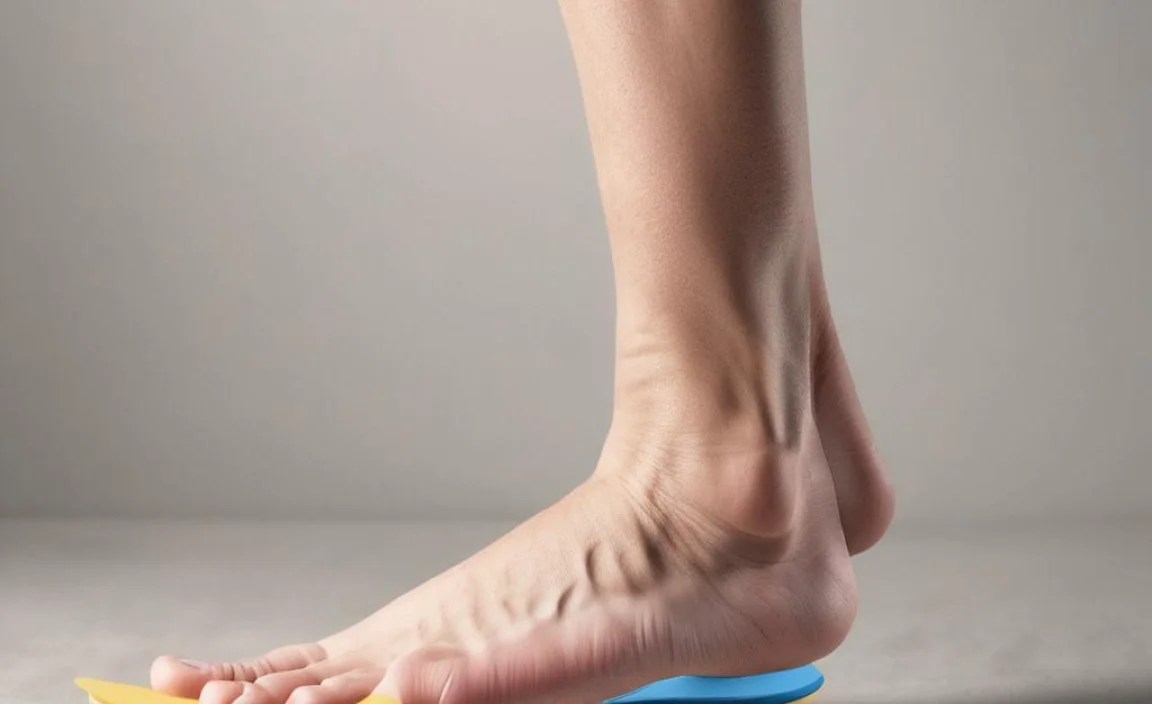
Leg length discrepancy (LLD) is when one leg is measurably shorter than the other. This might be something you’ve had since birth, or it could develop over time due to injury, surgery, or certain medical conditions. Even a small difference, like half an inch, can significantly impact how you walk and how your body feels.
When your legs aren’t the same length, your body tries to compensate. This can lead to:
- Uneven Gait: You might find yourself leaning to one side or walking with a limp.
- Pain: Your lower back, hips, knees, and even feet can ache as they work harder to adjust.
- Posture Problems: Over time, LLD can affect your overall posture, leading to further discomfort.
- Increased Wear on Shoes: You might notice one shoe wearing out faster than the other.
It’s important to get a proper diagnosis from a healthcare professional, like a doctor or physical therapist, to confirm if you have LLD and to understand the exact difference in your leg length. They can measure your legs accurately and recommend the best course of action.
What Are Lift Insoles?

Lift insoles, also sometimes called shoe lifts, heel lifts, or elevator insoles, are specially designed inserts that add height to the affected shoe. They are placed inside your shoe to compensate for the shorter leg, effectively making both legs appear and function at the same length.
These aren’t your average arch supports; their primary purpose is to add vertical height. They come in various materials and thicknesses, allowing for precise “lifting” to match your specific needs. The goal is simple: to help you walk more evenly, reduce strain on your body, and improve your overall comfort and balance.
How Lift Insoles Help

The magic of lift insoles lies in their ability to create a level playing field for your feet. By adding height to the shoe on your shorter leg, they:
- Restore Natural Alignment: They help bring your pelvis and spine back into a more neutral position, reducing the compensatory leaning or tilting your body does.
- Alleviate Pain: By correcting the uneven pressure distribution, they can significantly reduce pain in your back, hips, and knees.
- Improve Balance and Stability: When your legs are even, your sense of balance improves, making you feel more stable and less likely to stumble.
- Enhance Gait: You’ll likely notice a more natural, smoother walking pattern.
- Prevent Future Issues: Addressing LLD early can help prevent long-term problems like scoliosis or chronic joint pain.
Think of it like this: if you have a wobbly table, you put a coaster under one leg to make it stable. Lift insoles do the same for your body, ensuring a stable and even foundation.
Types of Lift Insoles

Lift insoles come in a variety of forms, each suited for different needs and footwear types. Understanding these options will help you make the best choice.
Material Matters
- Cork: Natural, lightweight, and offers good shock absorption. It can be easily shaped and trimmed. Often used for custom or semi-custom lifts.
- Foam (EVA, Polyurethane): Lightweight, provides decent cushioning, and is generally affordable. EVA (ethylene-vinyl acetate) is a very common and durable foam.
- Rubber: Durable and provides good grip but can be heavier and less comfortable for all-day wear compared to foam or cork.
- Silicone: Often used for heel cups and shock absorption, but less common for full-sole lifts due to potential for slippage.
Full Sole Lifts vs. Heel Lifts
- Full Sole Lifts: These insoles run the entire length of the shoe. They provide a uniform increase in height and can offer more overall support and cushioning. They are best for slight to moderate discrepancies.
- Heel Lifts: These are designed to fit only under the heel of the shoe. They are ideal for situations where the discrepancy is minimal, or when you only need to correct the heel height, which can be common post-surgery or from Achilles tendon issues. They are often easier to insert into various shoe types.
Adjustable and Trim-to-Fit Options
Some lift insoles are designed to be adjustable, often with layers that can be added or removed. Others are made from materials that can be easily trimmed with scissors to perfectly contour to the inside of your shoe, especially at the toe area. Always follow the manufacturer’s instructions for trimming to ensure a proper fit and optimal function.
Choosing the Right Lift Insole
Selecting the right lift insole involves considering several factors. It’s not just about grabbing the thickest one you can find!
1. Determine the Necessary Height
This is the most critical step. As mentioned, a healthcare professional can measure your leg length difference precisely. They might recommend a specific millimeter height. If you don’t have a precise measurement, start conservatively. You can always add more lift, but too much at once can cause new problems.
A general guideline:
- Minor Discrepancy (up to 5mm): A thin heel lift or a thin full sole lift might suffice.
- Moderate Discrepancy (6mm to 12mm): A thicker heel lift or a medium-thickness full sole lift is typically needed.
- Significant Discrepancy (over 12mm): You may need thicker full sole lifts, potentially stacked lifts in custom orthotics, or even a shoe modification by a cobbler. For very significant differences, a custom orthotic or a medical shoe lift might be necessary.
2. Consider Your Footwear
Not all insoles fit in all shoes. Think about which shoes you’ll be using the lift in most often.
- Athletic Shoes and Boots: These generally have more room and can accommodate thicker, full-sole lifts.
- Dress Shoes and Flats: These often have less depth, making them better suited for thinner heel lifts or very slim full-sole options. Ensure the lift doesn’t make your foot feel cramped.
- Sandals and Slippers: Some specialized insoles or adhesive heel lifts are available for these, but it can be trickier to find a secure fit.
3. Material and Comfort
If you plan to wear the lifts all day, comfort is key. Foam and cork offer a good balance of support and cushioning. If you have sensitive feet or conditions like plantar fasciitis, look for options with added shock-absorbing properties.
4. Stability and Non-Slip Features
You don’t want your lift sliding around inside your shoe! Look for insoles with a textured bottom or a material that grips the inside of the shoe. Some lifts come with adhesive strips for added security.
5. Budget
Prices can range from a few dollars for basic heel cups to over $100 for premium full-sole lift systems or custom orthotics. Determine your budget, but remember that investing in a quality lift that provides comfort and support is worth it.
How to Use Lift Insoles: A Step-by-Step Guide
Once you have your lift insoles, it’s time to put them to use. Proper insertion and wear are essential for optimal results and comfort.
Step 1: Prepare Your Shoe
Remove any existing insoles or cushioning from the shoe where you’ll be placing the lift. This ensures the lift sits correctly and provides the intended height without making the shoe too tight.
Step 2: Position the Lift
Place the lift insole into the shoe. For heel lifts, ensure they are snug against the back of the shoe. For full-sole lifts, make sure they lie flat and cover the entire base of the shoe.
Step 3: Trim if Necessary
If you have a trim-to-fit insole, put your shoe on with the lift inside. Walk around a bit to feel where the lift might be pressing or causing discomfort, particularly at the toe. Take the shoe off, mark the excess material with a pen, and carefully trim it away using sharp scissors or a craft knife. Aim for a smooth contour that matches the natural shape of your shoe’s interior.
Step 4: Insert Your Foot
Slide your foot into the shoe. It should feel more balanced and comfortable. You might notice an immediate difference in how you stand and walk.
Step 5: Test and Adjust
Wear the shoes with the lifts for a short period initially – perhaps an hour or two. Walk around your home. Pay attention to how your body feels. Is there less strain? Do you feel more stable? If you experience any discomfort, the lift might be too high, or the placement isn’t quite right. You might need to try a slightly thinner lift or adjust its position.
Step 6: Gradual Adaptation
If you have a significant leg length discrepancy, it’s often best to introduce the lift gradually. Your body may need time to adjust to the new alignment. Start by wearing the lifts for a few hours a day and slowly increase the duration as you feel more comfortable. This helps prevent muscle soreness or fatigue as your body adapts.
For more information on footwear modifications and orthotics, organizations like the British Association of Chartered Physiotherapists in Sports and Exercise Medicine (BASP in SM) offer valuable insights into biomechanics and supportive devices.
When to Consider Professional Options
While off-the-shelf lift insoles are excellent for many, there are times when professional help is necessary.
- Significant Discrepancy: If your leg length difference is more than about 2cm (roughly ¾ inch), standard lifts might not be sufficient or comfortable.
- Complex Issues: If your LLD is related to a more complex condition, or if you experience severe pain, balance problems, or have tried lifts without success, consult a podiatrist or orthopedic specialist.
- Custom Fit: For very specific needs, custom-made orthotics or shoe modifications by a qualified orthotist or cobbler can provide the perfect solution.
Shoe Modifications
A skilled cobbler can permanently modify a shoe by adding a lift to the sole. This is often done for more significant discrepancies and results in a more integrated and stable lift than an insert alone. This modification can range from adding a wedge to the heel to building up the entire sole. Resources from organizations like the American Podiatric Medical Association (APMA) can guide you on seeking professional foot care and orthotic solutions.
Pros and Cons of Lift Insoles
Like any solution, lift insoles have their advantages and disadvantages.
Pros:
- Non-Invasive: They don’t require medical procedures.
- Affordable: Generally much cheaper than custom orthotics or shoe surgery.
- Accessible: Available online and in many shoe stores and pharmacies.
- Versatile: Can be used in a variety of shoes.
- Adjustable: Can often be trimmed or replaced as needed.
- Immediate Relief: Many users feel a difference right away.
Cons:
- Can Be Noticeable: Thicker lifts might make shoes feel bulkier or change their appearance.
- Potential for Slipping: Without proper fit or securement, they can slide around.
- Comfort Limitations: Not all lifts are comfortable for long-term, all-day wear, especially in dress shoes.
- May Not Solve Underlying Issues: They address the symptom (uneven length) but not necessarily the root cause if it’s a structural problem.
- Requires Consistency: You need to remember to use them in the appropriate shoes.
Table: Lift Insole Features Comparison
Here’s a look at how different types of lifts stack up:
| Feature | Heel Lifts (Basic) | Full Sole Lifts (Foam/Cork) | Adjustable/Modular Lifts | Custom Orthotics with Lift |
|---|---|---|---|---|
| Height Range | Small to moderate (typically 3mm – 12mm) | Moderate to significant (can build up to 2cm+) | Variable, can be adjusted | Precise, designed for specific needs |
| Primary Use | Minor LLD, heel pain, Achilles issues | Moderate LLD, posture correction | Gradual adjustment, temporary use | Significant LLD, complex biomechanics, pain management |
| Comfort | Can be good, but limited shock absorption | Good cushioning and support | Varies by component | Excellent, tailored to foot shape |
| Cost | Low ($) | Moderate ($$) | Moderate to High ($$-$$$) | High ($$$) |
| Best For | Dress shoes, boots, quick fixes | Athletic shoes, everyday shoes | Temporary solutions, self-adjustment | Chronic pain, severe LLD, athletes |
Frequently Asked Questions (FAQ)
Q1: How do I know if I need lift insoles?
You might need lift insoles if you experience pain in your back, hips, or knees, notice uneven wear on your shoes, have a visible limp, or have been diagnosed with a leg length discrepancy by a healthcare professional.
Q2: What is the difference between a heel lift and a full sole lift?
A heel lift only adds height to the back of the shoe, under the heel. A full sole lift covers the entire bottom of the shoe, providing a more even distribution of added height throughout the foot.
Q3: Can I use lift insoles in any type of shoe?
You can use them in most shoes, but they fit best in shoes with a removable insole. Thicker lifts are easier to accommodate in athletic shoes or boots, while thinner ones work better in dress shoes or loafers. Ensure the shoe still feels comfortable and not too tight.
Q4: How much height should I add?
It’s best to get a professional measurement of your leg length discrepancy. If that’s not possible, start with a very small lift (e.g., 3-5mm) and gradually increase the height if needed. Too much height too quickly can cause discomfort.
Q5: Will lift insoles fix my posture?
Lift insoles can significantly help improve posture by leveling your pelvis and spine, which often become misaligned due to leg length differences. However, they are one part of a potential posture correction plan.
Q6: How do I clean my lift insoles?
Most foam or cork insoles can be cleaned with mild soap and water. Gently scrub them with a brush, rinse, and then let them air dry completely away from direct heat. Avoid machine washing or drying.
Q7: Can my child use lift insoles?
Yes, children can use lift insoles if they have a diagnosed leg length discrepancy. It’s crucial to consult with a pediatrician or pediatric orthopedist to determine the correct height and type of lift, especially as children’s skeletons are still developing.
Living Comfortably with Uneven Legs
Living with a leg length discrepancy doesn’t have to mean a lifetime of pain or discomfort. Lift insoles are a remarkably simple yet effective tool that can make a world of difference in your daily life. By understanding your condition, choosing the right type of lift for your needs and footwear, and using them correctly, you can restore balance, reduce pain, and walk with renewed confidence.
