Transitioning to zero-drop shoes doesn’t have to be a pain. Insoles can provide the perfect, gentle ramp-up, cushioning your feet and supporting your natural stride for a comfortable and effortless move to a more natural way of walking.
Insoles for Zero Drop Transition: Genius Effortless

Feeling a bit hesitant about making the switch to zero-drop shoes? You’re not alone! Many of us have spent years in shoes with a raised heel, and our feet and bodies have become accustomed to that familiar tilt. When you first try on a pair of zero-drop shoes, where the heel and the forefoot are at the same height, it can feel… well, different. For some walking and running enthusiasts, this difference can even lead to discomfort or a feeling of being unbalanced. But what if I told you there’s a super simple, incredibly effective way to ease into this natural footwear style without the struggle? What if you could make the transition feel genuinely effortless? Keep reading, because we’re about to unlock that secret.
At SoleForShoes, I’m all about making foot health accessible and understandable. My goal is to demystify things like insoles and shoe technology so you can make informed choices that feel great. Today, we’re diving into how the right insoles can be your secret weapon for a smooth and comfortable transition to zero-drop footwear. We’ll cover why this transition matters, how insoles can help, and what to look for. Get ready to discover a genius, effortless path to enjoying the benefits of zero-drop shoes!
Why Consider the Zero Drop Transition?
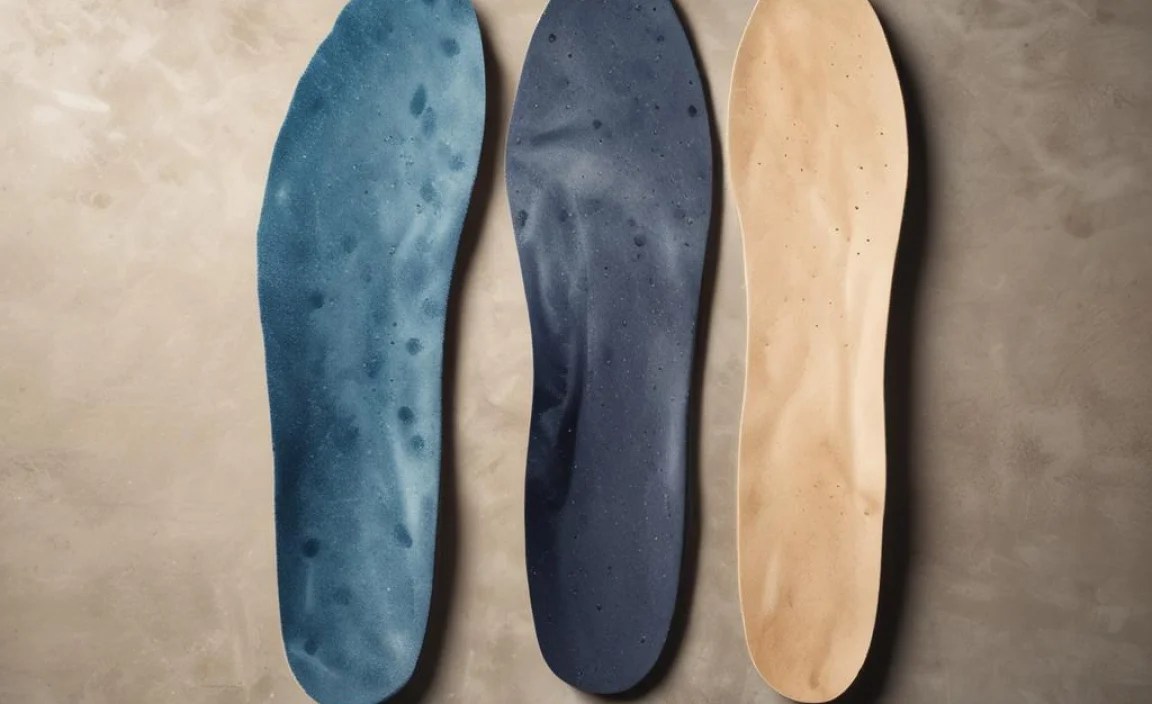
Before we jump into insoles, let’s quickly touch upon why so many people are interested in zero-drop shoes. Traditional shoes, especially many athletic and dress shoes, feature a “heel drop” – a difference in height between the heel and the forefoot. This can range from a few millimeters to over a centimeter. For years, this was the norm. However, advocates for zero-drop footwear, also known as “minimalist” or “barefoot” style shoes, suggest that shoes with a zero-drop heel allow your feet to function more naturally. They promote a more neutral foot posture and encourage a midfoot or forefoot strike when walking or running, rather than a heeled strike.
The potential benefits often cited include:
- Improved posture and alignment: By allowing your body to rest in a more natural, neutral position.
- Reduced stress on the knees: A forefoot strike can often absorb impact differently than a heel strike.
- Strengthened foot muscles: Encouraging more natural foot mechanics can help build intrinsic foot strength.
- Enhanced proprioception: A better sense of where your feet are in space due to increased ground feel.
However, for individuals accustomed to significant heel drop, a sudden switch can be jarring. The muscles, tendons, and ligaments in your ankles and calves might not be used to the increased load or the different biomechanics. This is precisely where insoles come into play as a brilliant transitional tool.
The Role of Insoles in Your Zero Drop Journey

Think of insoles as your personal transition ramp. When you step into a zero-drop shoe with a standard insole, it’s like going from rolling down a gentle slope to suddenly standing on a flat surface. Your body needs time to re-adapt. Insoles can provide a subtle, controlled way to bridge that gap. They can:
- Provide Gradual Elevation: You can choose insoles that offer a subtle lift in the heel. This isn’t about recreating the heel drop of traditional shoes, but rather about creating a slightly gentler slope than pure zero-drop might feel initially. It’s a way of saying, “Okay body, we’re moving in this direction, but let’s take it easy.”
- Offer Cushioning and Support: Many people transitioning to zero-drop find they naturally want a bit more shock absorption as their gait changes. Insoles can add this cushioning where you need it, making the experience more comfortable. They can also provide arch support if you’re used to that or need it during the adjustment period.
- Encourage Proper Foot Placement: Some structured insoles can subtly guide your foot into a more neutral position, which is beneficial as you learn to walk and run with a zero-drop shoe.
- Mimic Familiar Sensations (Initially): A slightly thicker insole with a gentle rise can offer some of the familiar cushioning and support you’re used to, making the overall sensation less alien and more welcoming.
The key is to use insoles strategically, not to replicate your old shoes, but to ease your body into the new biomechanics. It’s about making the learning curve smoother and more enjoyable.
Choosing the Right Insoles for Your Zero Drop Transition

Not all insoles are created equal, and for this specific transition, your choice matters. Here’s what to look for:
Consider the Material and Thickness
You’ll want a balance. Too thin, and you might not get enough cushioning or gentle ramp. Too thick, and you could negate the zero-drop benefit or alter the shoe’s fit too much. Materials like high-density EVA foam or polyurethane offer good shock absorption and durability without being overly bulky.
Look for Gradual Heel-to-Toe Contouring
While the ultimate goal is zero drop, for the transition, an insole with a gentle, subtle contour that’s slightly thicker at the heel and tapers towards the forefoot can be ideal. Some insoles are designed with this gradual rise in mind, subtly reducing the perceived “flatness” of the zero-drop shoe for a more comfortable entry point.
Arch Support (Optional but Beneficial)
If you typically wear supportive shoes or have specific arch needs, look for insoles that offer moderate arch support. This support can help maintain comfort and alignment as your feet adapt to the new shoe structure. Podiatrist-recommended brands often provide excellent, anatomically shaped support.
Flexibility
You still want your feet to move naturally. Highly rigid insoles might hinder this. Opt for insoles that offer support but allow for a good range of motion in your foot and ankle.
The “Rocker” Sole Effect (Subtle)
Some insoles are designed with a slight “rocker” effect, meaning they have a gently curved underside. This can facilitate a smoother, more natural rolling motion from your heel (or midfoot) to your toe throughout your stride, which is particularly helpful when adapting to zero-drop.
How to Use Insoles for a Genius Effortless Transition

The “genius” part of this method is its simplicity and adaptability. You’re not trying to force anything; you’re gently guiding your body. Here’s a step-by-step approach:
- Start with a Minimal Lift Insole: Begin with an insole that offers a very slight heel lift or a cushioned feel, as described above. It should feel supportive but not so elevated that it negates the zero-drop nature of the shoe. The idea is to make the initial sensation familiar and comfortable.
- Wear Them for Shorter Durations: Initially, wear your zero-drop shoes with these transitional insoles for short periods. Think of them as your “walking around the house” or “short errand” shoes. Listen to your body. Are you feeling any unusual strain in your calves, Achilles tendon, or the balls of your feet?
- Gradually Increase Wear Time: As your feet and lower legs get used to the new mechanics, slowly increase the amount of time you wear the zero-drop shoes. This might take days or even weeks, depending on your activity level and how accustomed you are to the sensation.
- Consider “Graduated” Insoles: Once you feel comfortable with the initial transition, you might consider switching to insoles that offer less of a heel lift or are flatter. Some people find that after a few weeks, they can remove the transitional insoles altogether and thrive in the shoes as they are. Others find they prefer a very thin, flat insole for long-term comfort and protection.
- Listen to Your Body (Crucial!): This cannot be stressed enough. If you experience persistent pain, stop. Backtrack to less time or a slightly more supportive insole. The goal is gradual adaptation, not pushing through significant discomfort. Your body will tell you when it’s ready to progress.
- Foot Strengthening Exercises: Complement your insole use with simple foot and calf strengthening exercises. Exercises like towel scrunches, calf raises, and toe lifts can help build the muscles needed for natural foot function. Resources from organizations like the American Academy of Orthopaedic Surgeons (AAOS) often have great visual guides for these kinds of exercises.
Insole Types: What to Look For
Let’s break down some common insole types and how they might fit into your zero-drop transition plan:
Cushioning Insoles
These are typically made from soft materials like EVA foam or gel. They offer excellent shock absorption. For zero-drop transition, look for ones with a slightly firmer heel cup for stability and a gradual taper.
Support Insoles (Arch Support)
These feature a shaped contour to support the arch of your foot. They can be beneficial if you need help maintaining alignment or are used to orthotic support. For zero-drop, ensure they don’t create an excessive heel build-up.
Performance Insoles
Often designed for athletes, these blend cushioning with support and stability features. Some may have a mild heel-to-toe drop built-in, making them excellent transitional tools. Others are designed for a neutral feel.
Minimalist Insoles
These are very thin and flexible, offering protection from the ground without altering the shoe’s natural feel. You might graduate to these after a period of using transitional insoles.
Transitioning Specific Activities
Your approach might vary slightly depending on how you plan to use your zero-drop shoes:
Walking
This is often the easiest transition. Start with short walks around your home or neighborhood. Use insoles that offer comfort and a slight ramp. As you feel more comfortable landing on your midfoot, you can gradually increase duration and distance.
Running
This requires more deliberate adaptation. Running puts more impact on your feet. Start with very short, slow runs, perhaps alternating zero-drop shoes with your old pair. Insoles that offer good cushioning and a stable, mild heel-to-toe contour are key here. Focus on a midfoot strike. Many sources, like the National Institutes of Health (NIH), have research exploring the biomechanics of running in different shoe types, which can be insightful.
Standing/Working
If you stand for long periods at work, zero-drop shoes can be great for posture but might introduce fatigue initially. A well-cushioned, supportive insole with a subtle heel lift can provide the comfort you need to get through the day while your body adapts.
A Comparison: Transitional Insoles vs. Other Options
To solidify the “genius effortless” aspect, let’s see how transitional insoles stack up:
| Feature | Transitional Insoles (The Genius Way) | No Insoles, Immediate Zero Drop | Thick, High-Heel-Drop Insoles |
|---|---|---|---|
| Ease of Transition | High – Gradual, comfortable adaptation | Low – Can be jarring, potential for pain | Moderate – May feel familiar but delays true zero-drop adaptation |
| Risk of Discomfort/Injury | Low – By design, minimizes stress | High – Without support, can overload muscles/tendons | Low (initially) – but risks prolonging unnatural biomechanics |
| Promotes Natural Foot Mechanics | Starts the process, guides gently | Immediately – if body is ready | Delayed – can hinder natural mechanics |
| Best For | Beginners, those with sensitive feet, gradual adopters | Those already accustomed to minimalist footwear or very resilient to change | May be used temporarily if a very slight cushion is needed, but not the ideal long-term transitional tool |
As you can see, the transitional insole approach is designed for maximum comfort and minimal fuss. It’s about working with your body, not against it.
What to Expect in the First Few Weeks
Be patient with yourself! During the transition, you might notice a few things:
- Calf Soreness: This is common as your calf muscles and Achilles tendon adjust to a more natural stride. Gentle stretching can help.
- Foot Fatigue: Your smaller foot muscles are working differently and may get tired.
- A Different Gait: You might naturally start landing on your midfoot rather than your heel.
- Increased Ground Feel: You’ll likely feel the surface beneath your feet more acutely.
With the right transitional insoles, these sensations should be mild and manageable, not painful. If they become intense, it’s your cue to slow down the transition.
Frequently Asked Questions About Zero Drop Transition Insoles
Can I use my regular orthotics in zero-drop shoes?
It depends on the orthotic. Most custom orthotics are designed for traditional shoes with a heel cup and may create an unwanted heel lift in zero-drop shoes. You might need to consult with your podiatrist about a modified or flatter orthotic for zero-drop footwear. For a transitional insole, you’re looking for something designed specifically for this bridging purpose, not just any supportive insole.
How long should I use insoles during the zero-drop transition?
This is highly individual! Some people might only need them for a week or two, while others might prefer them for a couple of months. Pay attention to how your feet and body feel. The goal is to feel comfortable and strong in the zero-drop shoes without the transitional insole before you stop using it.
Will using insoles defeat the purpose of zero-drop shoes?
Not if you use them strategically for transition. The purpose of zero-drop is to encourage natural foot mechanics. Using a transitional insole is a tool to help you get there comfortably. It’s not about creating a new heel drop, but about providing a gentle ramp and support during adaptation. Once you’re accustomed to the shoes, you can easily remove the insoles.
What if I experience foot pain during the transition?
If you experience significant or persistent pain, it’s a sign to slow down or stop. Rest, consider ice, and re-evaluate your insole choice or the amount of time you’re wearing the shoes. Consulting a podiatrist or physical therapist familiar with minimalist footwear running biomechanics can provide personalized advice.
Can I use insoles to transition into zero-drop running shoes specifically?
Absolutely! Running requires a more careful transition. Look for cushioning and support. A performance insole designed for a neutral feel or with a very subtle gradual contour can be ideal. Focus on a midfoot strike and gradually build mileage. Don’t hesitate to seek advice from experienced coaches or physical therapists who understand running gait.
Should I add insoles to shoes that already have some cushioning?
Yes, you can. Zero-drop shoes don’t automatically mean they are barefoot or minimalist in every other aspect. If the zero-drop shoe itself feels too flat or hard for your feet during transition, adding a suitable insole can enhance comfort and aid adaptation, even if the shoe has some existing padding.
Conclusion
Making the switch to zero-drop footwear doesn’t need to be a daunting or painful experience. By embracing a bit of foresight and using the right tools, you can engineer a “genius effortless” transition that prioritizes comfort and promotes healthy adaptation. Insoles are your secret allies in this journey, acting as a gentle ramp to ease your body into a more natural way of moving. They provide that crucial cushioning, support, and subtle contouring that bridges the gap between what your feet are used to and the liberating biomechanics of zero-drop shoes.
Remember to choose insoles that offer a gradual feel rather than immediate elevation, listen closely to your body’s feedback, and slowly increase your wear time. Complement your efforts with simple foot-strengthening exercises, and don’t hesitate to consult with experts if you encounter persistent issues. The world of zero-drop shoes offers exciting potential for improved posture, stronger feet, and a more natural stride. By using insoles intelligently, you can unlock these benefits seamlessly, ensuring your path to zero-drop is as comfortable and joyful as it can be. Here’s to happy, healthy feet!
