Quick Summary: Proper insoles are crucial for tactical boot support, offering essential arch help to reduce fatigue, prevent injuries, and enhance stability. Choosing the right insole ensures maximum comfort and performance, especially during demanding activities or long shifts.
Insoles for Tactical Boots Support: Essential Arch Help

When you wear tactical boots, you’re likely on your feet a lot. Whether you’re on duty, hitting a tough trail, or just navigating a busy day, your feet work hard. Sometimes, even the best tactical boots can leave your feet feeling tired, achy, or unsupported. This is where the right insoles make a massive difference. Think of them as an upgrade for your feet, providing the crucial arch support that can transform your comfort and endurance. Let’s dive into how insoles can give your tactical boots the support they truly need.
Why Tactical Boots Need Good Insoles
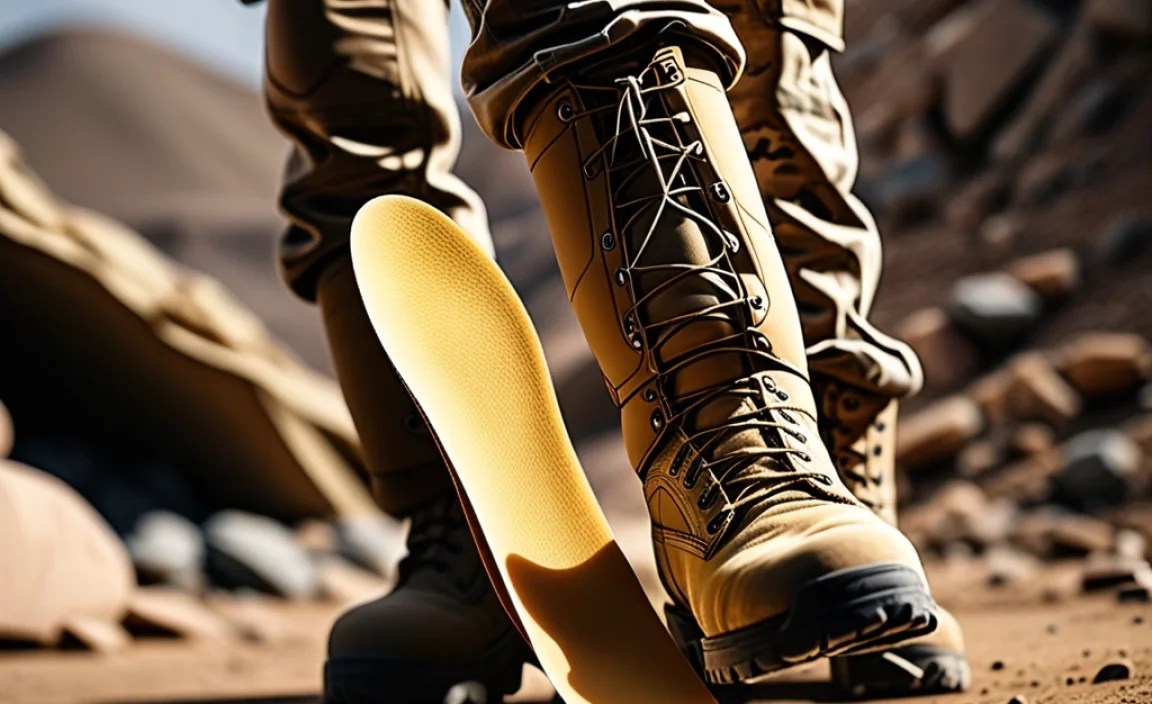
Tactical boots are built for durability, protection, and stability in challenging environments. They often have sturdy soles and robust construction to handle rough terrain and provide ankle support. However, the standard insoles that come with most boots, often called “stock insoles,” are usually thin and offer minimal cushioning or arch support. They’re a one-size-fits-all solution that doesn’t cater to individual foot shapes or needs.
Without adequate support, especially in the arch, your feet can suffer. This can lead to:
- Foot fatigue: Your feet feel tired and heavy more quickly.
- Arch pain: Discomfort or a burning sensation in your arch.
- Plantar fasciitis: A common cause of heel pain.
- Knee and back pain: Poor foot support can affect your alignment from the ground up.
- Blisters and friction: Insufficient cushioning leads to rubbing.
Investing in a good pair of insoles designed for support is one of the most effective ways to enhance the comfort and functionality of your tactical boots. They act as a custom upgrade, giving your feet the specific help they need to keep you going.
Understanding Arch Support and Its Importance

Your foot’s arch is a critical structure. It’s not just a bend; it’s an intricate series of bones, ligaments, and tendons that work together to support your body weight, absorb shock, and provide flexibility when you walk, run, or jump. There are three main types of arches:
- High arches: The arch is very pronounced, and the middle part of your foot doesn’t make much contact with the ground.
- Normal arches: A moderate curve, with good contact when standing.
- Flat feet (low arches): The arch collapses, and most of your foot touches the ground.
The type of arch you have significantly influences how your foot interacts with the ground and how it distributes pressure. When an arch doesn’t receive adequate support, the natural biomechanics of your foot can be disrupted. This can lead to:
- Overpronation: The foot rolls inward excessively. This is common with flat feet and can lead to shin splints, knee pain, and plantar fasciitis.
- S u p i n a t i o n (or underpronation): The foot doesn’t roll inward enough, placing extra stress on the outer edge of the foot. This is often seen with high arches and can cause ankle sprains and impact injuries.
Insoles with built-in arch support help to correct these imbalances. They gently guide your foot into a more neutral position, ensuring that pressure is distributed evenly across your foot. This not only relieves pain but also improves overall posture and can prevent long-term injuries. For tactical boots, where stability and prolonged wear are key, this foundational support is non-negotiable.
Types of Insoles for Tactical Boots

When looking for insoles for your tactical boots, you’ll find a variety designed to target different needs. Understanding these will help you choose the best option for your feet and your work.
1. Cushioning Insoles
These insoles prioritize shock absorption. They are typically made from softer materials like foam or gel and are great for reducing impact, especially on hard surfaces. While they offer comfort, they might provide less structural arch support.
2. Stability Insoles
These are engineered to control foot motion and provide enhanced arch and heel support. They often have a firmer construction, sometimes with a rigid or semi-rigid heel cup and structured arch contouring. They are ideal for people who overpronate or supinate.
3. Performance or Sport Insoles
Designed for active individuals, these insoles often blend cushioning with support. They aim to improve energy return, reduce fatigue, and maintain foot alignment during strenuous activities. Many tactical professionals find these beneficial because of the demanding nature of their work.
4. Medical or Orthotic Insoles
These are often recommended by a podiatrist or other foot health professional. They are specifically designed to address particular foot conditions, such as severe plantar fasciitis, flat feet, or bunions. They offer the most targeted support and correction but can be more expensive.
5. All-Purpose/Supportive Insoles
These strike a balance between comfort and support. They offer more arch structure than basic cushioning insoles but are generally more flexible than high-control stability insoles. They are a good starting point for many individuals looking for an upgrade from stock insoles.
Key Features to Look for in Tactical Boot Insoles
Not all insoles are created equal, and what works for one person might not work for another. Here are the crucial features to consider when selecting insoles for your tactical boots:
- Arch Support Level: This is paramount. Do you need mild, moderate, or firm support? If you have very flat feet or high arches, you’ll likely need more pronounced support.
- Cushioning: Tactical environments can be unforgiving. Look for insoles that offer good shock absorption, especially in the heel and forefoot, without being so soft that they feel unstable.
- Heel Cup: A deep heel cup helps to cradle your heel, providing stability and preventing excessive side-to-side motion. This is especially important for preventing ankle rolls.
- Material: Insoles are made from various materials like EVA foam, polyurethane, gel, or cork. EVA and polyurethane offer a firm but cushioned feel, good for support. Gel can offer excellent shock absorption but sometimes lacks firm structure.
- Durability: Tactical boots are subjected to wear and tear. Choose insoles made from robust materials that won’t flatten out quickly under pressure.
- Moisture-wicking properties: Keeping your feet dry is essential for comfort and preventing blisters, especially during long shifts or in varying weather conditions.
- Fit and Thickness: Insoles add volume to your boot. Ensure the insole you choose fits well within your boot without making it too tight. Too thick an insole can cause discomfort and reduce stability.
Many reputable brands offer insoles specifically designed for work boots or athletic footwear that incorporate these features. It’s often beneficial to look for insoles that are adaptable to different types of footwear, but understand that the demands of tactical boots might require a more robust solution.
How to Choose the Right Insoles for Your Feet
Selecting the right insole often comes down to understanding your own feet and how they behave. Here’s a step-by-step approach:
1. Identify Your Arch Type and Foot Strike
The easiest way to do this is the “wet test.” Wet the soles of your feet and step onto a piece of paper or a dry surface. Look at the imprint:
- Flat Feet (Low Arch): You’ll see almost your entire foot imprint. You likely overpronate.
- Normal Arch: You’ll see a distinct curve in your arch.
- High Arch: You’ll see mostly your heel and the ball of your foot, with very little connecting them. You may supinate.
Observe your current shoe wear pattern. If the outer edges of your soles are worn down, you might be a supinator. If the inner edges are heavily worn, you likely overpronate.
2. Consider Your Activity Level and Foot Pain
- For long hours of standing/walking: Look for a balance of cushioning and support.
- For heavy impact or running: Prioritize shock absorption and stability.
- For specific pain (e.g., plantar fasciitis): You might need a firmer arch support and deep heel cup.
3. Try Them On (If Possible)
If purchasing in person, bring your tactical boots and try out different insoles inside. Walk around the store to get a feel for the support and comfort. Pay attention to any pressure points or areas of discomfort.
4. Read Reviews
Online reviews can be incredibly valuable. Look for feedback from people who use their insoles for similar activities or in similar footwear.
5. Consult a Professional
If you have persistent or severe foot pain, or a known foot condition, consulting a podiatrist is the best course of action. They can recommend specific types of insoles or even create custom orthotics.
Benefits of Using Insoles in Tactical Boots
The advantages of pairing your tactical boots with supportive insoles extend beyond just immediate comfort. They can lead to significant improvements in your overall well-being and performance.
Enhanced Comfort and Reduced Fatigue
This is the most immediate benefit. Properly supportive insoles distribute pressure evenly across your foot, reducing strain on your arches and heels. This means you can stand and walk for longer periods without your feet feeling tired, achy, or sore. For professionals who spend their entire shift on their feet, this is invaluable.
Improved Stability and Balance
Tactical environments often require navigating uneven terrain or maintaining balance in dynamic situations. Insoles with a stable heel cup and good arch support help to keep your foot in a natural alignment, improving your overall stability and reducing the risk of slips or twists.
Injury Prevention
Many common overuse injuries, such as plantar fasciitis, shin splints, and Achilles tendinitis, are linked to poor foot mechanics and inadequate support. By correcting overpronation or supination and providing proper shock absorption, insoles can significantly lower your risk of developing these painful conditions. As the American Academy of Orthopaedic Surgeons notes, proper footwear and support are key to musculoskeletal health.
Better Posture and Alignment
Your feet are the foundation of your body. When your feet are properly aligned and supported, it positively impacts the rest of your skeletal structure. This can lead to improved posture, reduced strain on your knees and hips, and potentially alleviate lower back pain.
Increased Durability of Boots
While it might seem indirect, good insoles can help your boots last longer. By absorbing some of the impact and stress your feet endure, they can reduce the overall wear and tear on the boot’s internal cushioning and structure.
How to Insert and Maintain Your Insoles
Getting the most out of your new insoles involves proper insertion and a little care.
Inserting Your Insoles
- Remove Original Insoles: Take out the flimsy insoles that came with your tactical boots.
- Check the Fit: Place the new insole inside the boot to see if it fits snugly. Most insoles are designed to be trimmed to fit.
- Trim if Necessary: If the insole is too long, use sharp scissors to carefully trim the excess material along the edges, particularly at the toe. It’s often best to trim a little at a time and re-check the fit. Take your time to get a precise fit; a well-fitting insole is crucial for comfort and effectiveness.
- Place Firmly: Once it fits, slide the insole into your boot, ensuring it lies flat and securely in place. Make sure there are no wrinkles or folds.
Maintaining Your Insoles
To ensure your insoles last and remain effective, follow these maintenance tips:
- Air Them Out: After each use, especially if your feet sweat, remove the insoles from your boots to let them air dry. This prevents odor buildup and material breakdown.
- Clean Gently: If they get dirty, clean them with mild soap and cool water. Avoid harsh detergents or machine washing, as this can damage the materials.
- Rotate Insoles: If you use multiple pairs of boots or insoles, rotating them can allow them to recover their shape and reduce wear.
- Inspect Regularly: Check your insoles periodically for signs of wear, such as flattening, cracks, or loss of cushioning. Replace them when they no longer provide adequate support or comfort, typically every 6-12 months depending on usage.
Top Picks for Tactical Boot Insoles: A Comparison
Choosing the best insole can be overwhelming. Here’s a look at some popular and highly-rated options that often cater well to the demands of tactical boots, highlighting their strengths. We’ll focus on features that provide essential arch help.
| Insole Brand/Model | Primary Benefit | Arch Support Type | Ideal For | Considerations |
|---|---|---|---|---|
| Superfeet Trim-to-Fit (e.g., Green, Black) | All-around support and stability | Moderate to firm, depending on model | Most foot types, active use, reducing fatigue | Requires trimming; can feel firm to some |
| Sorbothane Shock Absorbers | Maximum shock absorption | Light to moderate; focus is cushioning | Individuals needing heavy impact protection, joint pain relief | May lack robust arch structure; can be bulky |
| Powerstep Pinnacle | Strong arch support and stability | Firm, structured | Flat feet, overpronation, plantar fasciitis | Can be too rigid for those with normal arches |
| Dr. Scholl’s Work Insoles | Comfort and shock absorption for long shifts | Moderate, designed for standing all day | Office workers, retail, healthcare professionals | Less robust for extreme tactical demands; focus on comfort |
| Sof Sole Fit Series | Customizable arch support | Adjustable support levels (often included inserts) | Variety of arch needs, active individuals | Learning to adjust can take time; performance varies by model |
When selecting, always consider your specific foot type and the primary function you need from your insoles. For tactical boots, a balance of firm arch support and effective shock absorption is often the winning combination.
Common Myths About Insoles
There are many misconceptions about insoles. Let’s clear a few up:
- Myth: All insoles are the same. – Reality: Insoles vary greatly in design, materials, and support levels. What works for one person won’t work for another.
- Myth: Insoles are only for people with foot problems. – Reality: Anyone looking to improve comfort, reduce fatigue, or enhance stability can benefit from good insoles, even if they don’t have a diagnosed condition.
- Myth: You can’t wear insoles with your existing boots. – Reality: Most insoles are designed to be used as replacements for the original insoles in your shoes or boots.
- Myth: Custom orthotics are always better than over-the-counter insoles. – Reality: While custom orthotics are excellent for severe conditions, many high-quality over-the-counter insoles can provide significant relief and support for common issues.
- Myth: Once you put them in, you forget about them. – Reality: Insoles need care and maintenance to last and perform optimally.
Can Insoles Really Help with Tactical Boot Support?
Absolutely. The core function of an insole designed for support is to provide a stable, comfortable, and well-aligned platform for your foot. Tactical boots are built for performance in demanding conditions, and proper foot support is a critical component of that performance. Without it, the boot’s structure might not be enough to prevent fatigue and discomfort over long periods or during strenuous activity.
Insoles can:
- Elevate your arch: This is crucial for maintaining the natural “shock absorber” function of your foot.
- Cradle your heel: This prevents unnatural rolling and provides a stable base.
- Distribute pressure: This reduces hot spots and pain points.
- Cushion impact: This protects your joints and bones from hard landings.
For instance, staying on your feet for an extended period, like during a tactical operation or a long security shift, can put immense pressure on your feet. The ability of insoles to cushion and support can mean the difference between enduring the call.
