For surgeons facing demanding shifts, specialized insoles offer crucial foot pain relief and sustained comfort, transforming long hours on their feet.
Standing for hours on end can be incredibly tough on your feet, especially if your job keeps you on your toes for extended periods. Surgeons, in particular, know this struggle all too well. The operating room demands focus, precision, and often, many consecutive hours of standing. This can lead to tired, achy feet and even more serious discomfort. But what if there was a simple, effective way to find relief? This guide will walk you through everything you need to know about insoles specifically designed to support you through those long, demanding hours, revealing how they can make a world of difference.
Understanding the Demands of Long Hours for Surgeons’ Feet

The surgical profession is a calling that requires immense dedication, skill, and physical stamina. The operating room environment presents unique challenges. Beyond the mental acuity needed, the physical demands are significant. Surgeons often stand for hours at a time, sometimes for an entire workday, with minimal breaks. This relentless pressure on the feet, ankles, and legs can lead to a cascade of issues.
Common problems include plantar fasciitis, metatarsalgia (pain in the ball of the foot), Achilles tendinitis, shin splints, and general fatigue. The hard, unforgiving surfaces of operating rooms exacerbate these conditions. Without proper support, the natural cushioning and shock absorption of the feet become overwhelmed, leading to inflammation and pain. This discomfort isn’t just a physical burden; it can affect concentration and overall well-being.
The Anatomy of Foot Fatigue and Pain
Our feet are wonderfully complex structures, designed with arches that act as natural shock absorbers and springs. When we stand for prolonged periods, especially on hard surfaces, these arches are constantly engaged and under stress. The muscles, ligaments, and tendons in the feet and lower legs work overtime to maintain stability and absorb impact. Over time, this can lead to:
- Arch Strain: The plantar fascia, a thick band of tissue running along the bottom of the foot, can become inflamed (plantar fasciitis).
- Pressure Points: The metatarsal bones, located in the ball of the foot, can experience excessive pressure, leading to pain (metatarsalgia).
- Joint Compression: The cartilage in the ankle and foot joints can be compressed, leading to stiffness and pain.
- Muscle Fatigue: The muscles in the feet and calves become overworked and fatigued, leading to cramping and soreness.
- Reduced Blood Circulation: Prolonged standing can sometimes impede blood flow, contributing to swelling and discomfort.
Introducing Insoles: Your First Line of Defense
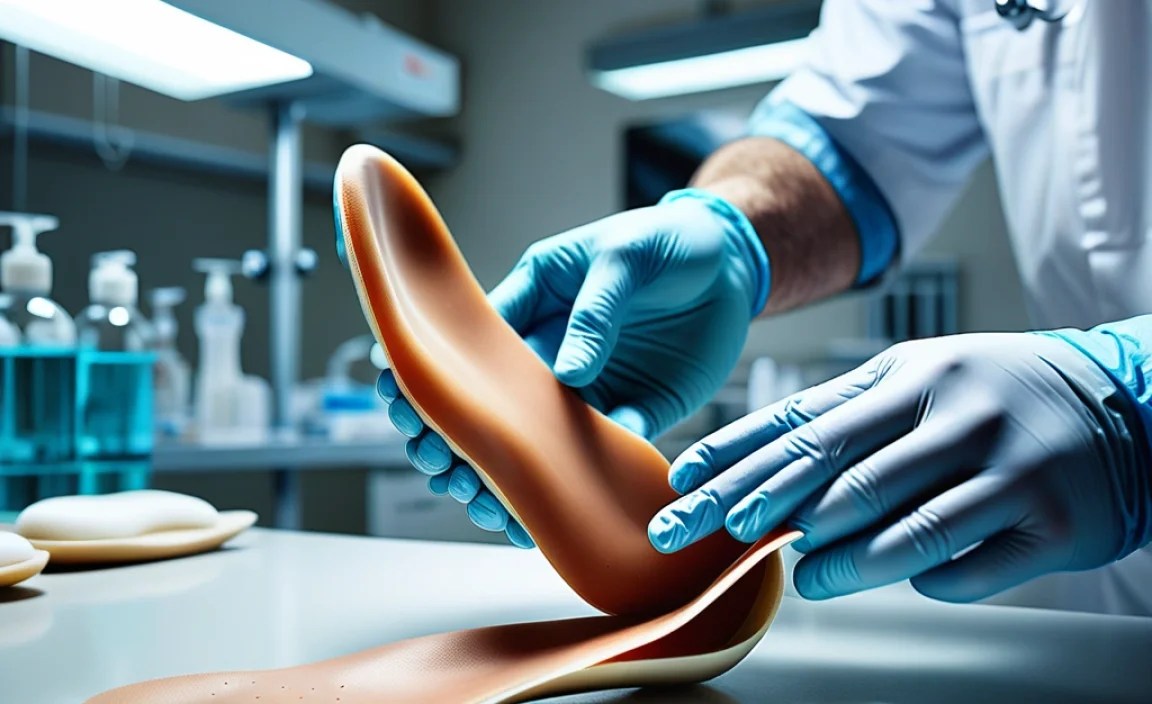
Insoles, also known as orthotics or inserts, are devices placed inside your shoes to provide support, cushioning, and alignment. They are designed to enhance comfort, alleviate pain, and improve foot function. For individuals who spend long hours on their feet, such as surgeons, nurses, teachers, and retail workers, insoles can be a game-changer.
Think of insoles as the unsung heroes of your footwear. They work by:
- Providing Cushioning: Absorbing shock from each step, reducing impact on the joints and bones.
- Supporting the Arches: Distributing pressure more evenly across the foot, relieving strain on the plantar fascia and supporting natural foot mechanics.
- Improving Alignment: Helping to keep the foot in a more neutral position, which can correct overpronation (foot rolling inward) or supination (foot rolling outward).
- Enhancing Stability: Offering a more stable base for the foot, which can prevent the fatigue that comes from muscles constantly working to keep you balanced.
Types of Insoles: Finding Your Perfect Fit
Not all insoles are created equal. They come in a variety of materials, levels of support, and intended uses. For surgeons, the focus is often on durability, ample cushioning, and excellent arch support to combat extensive standing.
Here’s a look at common types:
- Cushioning Insoles: Primarily focused on shock absorption. Often made from soft materials like foam or gel. Great for general comfort but may lack structural support.
- Stability Insoles: Designed to control the motion of the foot, especially overpronation. They often have a firmer heel cup and a supportive shank (a rigid or semi-rigid component that runs along the length of the insole).
- Arch Support Insoles: Specifically engineered to provide targeted support to the foot’s arches, whether high, normal, or flat.
- Medical/Orthotic Insoles: These are often custom-made or semi-custom by a podiatrist or orthotist. They are designed to address specific foot conditions and biomechanical issues. While excellent, they can be a significant investment.
- Performance Insoles: Often designed for athletes, these combine cushioning with stability and energy return features. Some of these can be highly beneficial for those with demanding physical jobs.
Key Features of Insoles for Surgeons on Long Shifts

When selecting insoles for the unique demands of a surgical career, certain features rise to the top. These aren’t just about general comfort; they are about sustained performance throughout a taxing day.
Essential Features to Look For:
- Superior Cushioning: Look for insoles with advanced cushioning materials like high-density EVA foam, memory foam specifically designed for durability, or gel inserts strategically placed in high-impact areas (heel and ball of the foot). This absorbs the shock that would otherwise travel up your legs.
- Robust Arch Support: Adequate arch support is paramount. It helps distribute body weight evenly, reducing stress on the plantar fascia ligament. Consider insoles with semi-rigid or rigid arch support that matches your foot’s natural arch height (high, medium, or low).
- Deep Heel Cup: A well-defined heel cup helps to cradle and stabilize the heel. This is crucial for preventing excessive motion and providing a stable foundation, which can reduce the risk of ankle rolls and improve overall posture.
- Metatarsal Pad/Support: For those experiencing pain in the ball of the foot, a metatarsal pad or support can lift and separate the metatarsal bones, relieving pressure and pain.
- Durability and Breathability: Surgical environments often involve long hours and potentially sterile conditions. Insoles should be made from durable materials that can withstand constant use without breaking down quickly. Additionally, breathable top layers help manage moisture and reduce the risk of foot odor and fungal infections. Anti-microbial treatments are a plus.
- Flat or Low Profile Design: While some shoes offer ample space, surgeons often need insoles that fit comfortably without making the shoe too tight. A flatter profile, especially in the toe box, can be preferable for many professional shoes.
- Shock Absorption: Beyond general cushioning, look for materials and designs specifically engineered for shock absorption. This is especially important for the repetitive impact of standing and walking on hard hospital floors.
Insole Technologies and Materials: What Works Best?

The effectiveness of an insole often comes down to the innovative technologies and materials used in its construction. Understanding these can help you make a more informed choice.
Common Technologies and Materials:
- EVA (Ethylene Vinyl Acetate): A flexible, lightweight, and cushioning foam widely used in insoles. Different densities of EVA can offer varying levels of support and shock absorption.
- Memory Foam: Molds to the unique shape of the foot over time, providing personalized comfort and cushioning. Some high-density memory foams are designed for greater durability and support.
- Gel: Often used in heel cups and forefoot pads, gel inserts provide excellent shock absorption and can help redistribute pressure.
- Polyurethane (PU): A durable and supportive material that offers good shock absorption and is often used in more supportive, long-lasting insoles.
- Carbon Fiber: Used in some high-performance insoles, carbon fiber plates offer rigidity and energy return, promoting a more efficient stride. While less common for direct surgeon use focused on pure comfort, some may find their rigidity beneficial.
- TPU (Thermoplastic Polyurethane): A strong, flexible plastic offering good support and durability, often used for the shank or arch support structure within an insole.
- OrthoLite® Foam: A proprietary open-cell foam known for its breathability, moisture-wicking properties, and long-term cushioning. Many reputable brands use this material in their insoles.
- Anti-Microbial Top Covers: Fabrics treated to inhibit the growth of odor-causing bacteria and fungi, crucial for maintaining foot hygiene during long shifts.
Selecting the Right Insoles: A Step-by-Step Guide

Choosing the perfect insole can feel overwhelming, but by following a structured approach, you can find relief. It’s a process of self-assessment, understanding your needs, and making an informed decision.
Your Guide to Choosing:
- Assess Your Foot Type and Arch Height: Stand on a flat surface and wet your feet. Step onto a piece of paper. Examine the imprint. A full imprint means flat feet. A print with a very thin line connecting the heel and forefoot indicates high arches. A print showing about half of your arch is a neutral arch.
- Identify Your Primary Pain Points: Where do you feel the most discomfort? Is it the heel (potential plantar fasciitis), the ball of your foot (metatarsalgia), or general arch fatigue? This will help you prioritize features like heel cushioning or metatarsal support.
- Consider Your Work Shoes: What kind of shoes do you wear most often in the operating room or during your shifts? Are they loafers, clogs, athletic shoes, or something else? Insoles need to fit well within these existing shoes. Measure the inside of your shoes if possible.
- Read Reviews and Look for Surgeon-Specific Recommendations: Many insole manufacturers target professionals. Look for reviews from nurses, doctors, or anyone who stands for long hours. Pay attention to comments on durability, comfort over time, and how well they hold up.
- Prioritize Durability and Support Over Extreme Softness: While comfort is key, a softer insole might break down faster. For long hours and significant standing, you often need a firmer, more supportive insole that maintains its structure.
- Look for Reputable Brands: Stick to well-known brands that specialize in foot health and orthotics. Brands often have a range of products for different needs.
- Consider a Trial Period: If possible, purchase insoles that offer a satisfaction guarantee or a trial period. This allows you to test them in your work shoes to see if they provide the relief you need.
Top Insoles for Surgeons: Features and Benefits Compared

To help illustrate, let’s look at a few examples of insole types that often fit the needs of professionals like surgeons. The best choice will depend on individual needs, but this table highlights common strengths.
| Insole Type/Brand Example | Primary Benefit | Ideal For | Key Features |
|---|---|---|---|
| Superfeet Green (High Arch Support) | Deep heel cup, excellent arch support | High arches, pronation control | Structured heel cup, robust support, durable top layer |
| Powerstep Pinnacle (Full Support) | Balanced cushioning and support | Medium arches, general foot fatigue | Semi-rigid support, breathable material, heel cushioning |
| Dr. Scholl’s Work Insoles (Heavy Duty) | Shock absorption for standing | All arch types, hard surfaces, long standing periods | Triple-layer cushioning, shock-absorbing heel, durable |
| Spenco Rx Comfort (Gel/Foam Blend) | Plush cushioning with some support | Foot pain, general comfort seekers | Silicone gel forefoot and heel, contoured shape |
| CurrexSole (Kinetic) | Dynamic support, motion control | Athletic movement, dynamic standing | Arch stabilization, metatarsal support options, breathable |
How to Properly Insert and Break In Your New Insoles

Getting the most out of your new insoles involves more than just buying them; it’s also about proper insertion and a gentle break-in period. This helps your feet adapt and ensures maximum comfort and benefit.
Insertion Steps:
- Remove Existing Insoles: Take out the original insoles from your work shoes. If they are glued in, gently pry them loose.
- Trim if Necessary: Many insoles come in a range of sizes and may need to be trimmed to fit your specific shoe size. Place your original insole on top of the new insole and trace the outline, or place the new insole in your shoe, mark where it goes past the heel, and trim carefully.
- Place the New Insole: Slide the new insole into your shoe. Ensure it sits flat and snug against the bottom of the shoe.
- Test the Fit: Put on your socks and then your shoes with the new insoles. Walk around for a few minutes. They should feel supportive and comfortable, not too tight or pinching.
Breaking Them In:
Don’t wear your new insoles for a full 12-hour shift on day one! Your feet need time to adjust to the new support and cushioning.
Recommended Break-In Schedule:
- Days 1-3: Wear them for the first 2-3 hours of your shift, then switch back to your old insoles or go without if comfortable.
- Days 4-7: Gradually increase wear time by a few hours each day.
- After 7 Days: Most people find they can wear their new insoles for their entire shift comfortably.
If you experience any sharp pain, stop wearing them and re-evaluate the fit or type of insole. Mild soreness or a “breaking-in” feeling is normal as your feet adapt, but significant pain is a sign something isn’t right.
Beyond Insoles: Complementary Foot Care Strategies
While insoles are a powerful tool, they are most effective when part of a holistic approach to foot health. For surgeons, incorporating these practices can amplify the benefits of their insoles and prevent long-term issues.
Essential Foot Care Practices:
- Proper Footwear Selection: Even with insoles, the base shoe matters. Opt for shoes with good support, adequate cushioning, a wide toe box to prevent crowding, and slip-resistant soles suitable for hospital environments. Learning about shoe construction can help, here is a resource on understanding shoe construction.
- Regular Stretching: Perform gentle calf stretches, Achilles tendon stretches, and toe flexes throughout the day, especially during breaks.
- Foot and Leg Elevation: Whenever possible, elevate your feet above your heart to reduce swelling and improve circulation. Even a few minutes can make a difference.
- Hydration and Nutrition: Staying well-hydrated and consuming a balanced diet rich in anti-inflammatory foods can support tissue health and reduce inflammation.
- Massage and Self-Care: Use a foam roller for your calves, or a tennis ball or massage roller under your feet to relieve tension.
- Appropriate Hosiery: Consider compression socks designed for individuals who stand for long periods. These can help improve circulation and reduce fatigue and swelling. Ensure they are comfortable and don’t interfere with your insoles.
- Listen to Your Body: Don’t ignore early signs of discomfort. Address pain promptly through rest, stretching, or consulting a healthcare professional.
When to Consult a Podiatrist or Foot Specialist
While over-the-counter insoles can provide significant relief for many, there are times when professional help is not just recommended but essential. A podiatrist, also known as a doctor of podiatric medicine (DPM), is a medical professional specializing in the diagnosis and treatment of foot and ankle problems. They are invaluable resources for persistent pain or complex conditions.
Signs You Should Seek Professional Advice:
- Persistent or Worsening Pain: If pain doesn’t improve with rest, stretching, or OTC insoles, it’s time to see a specialist.
- Deformities: Significant changes in foot shape, bunions, hammertoes, or structural issues.
- Numbness or Tingling: This can indicate nerve compression or damage.
- Swelling That Doesn’t Recede: Chronic or sudden severe swelling needs evaluation.
- Signs of Infection: Redness, warmth, pus, or fever related to a foot issue.
- Difficulty with Balance: Foot pain can significantly impact balance and increase the risk of falls.
- Diabetes or Circulatory Issues: Individuals with these conditions require specialized foot care due to increased risk of complications.
A podiatrist can perform a thorough biomechanical evaluation, diagnose the root.
