Insoles for strongman training boots transform heavy lifts by providing crucial stability, shock absorption, and arch support. Choosing the right insole significantly enhances performance, reduces injury risk, and boosts comfort during rigorous training sessions.
When you’re pushing your limits in strongman training, every ounce of support matters. Your boots are your foundation, and what goes inside them can make a world of difference. Many athletes overlook the power of good insoles, but they are far from a luxury – they are essential for peak performance and injury prevention. If you’re experiencing discomfort, instability, or just want an edge, understanding how insoles can help is your first step towards stronger, safer training.
This guide will walk you through everything you need to know about selecting and using insoles specifically for your strongman training boots. We’ll cover why they’re so important, what features to look for, and handy tips to ensure you make the best choice for your feet and your lifts. Get ready to feel the difference!
Why Insoles Are Crucial for Strongman Training Boots

Strongman training is intense. You’re dealing with massive weights, explosive movements, and often unforgiving surfaces. Your feet and ankles are taking a beating. While strongman boots are designed for ruggedness and support, the factory insoles are typically basic and don’t offer much in the way of specialized support or cushioning. This is where performance insoles come into play.
Think of your insoles as the bridge between your foot and the incredibly tough sole of your boot. They absorb shock during heavy impacts like stone loads or yoke walks, provide a stable platform for grounding during deadlifts, and help correct any biomechanical inefficiencies that could lead to pain or injury. Without proper insoles, you might be leaving performance on the table and putting yourself at greater risk.
Enhanced Stability and Power Transfer
During heavy compound lifts, stability is paramount. You need to feel grounded, with your feet firmly planted. Insoles can improve this by providing a more consistent and supportive surface. By distributing pressure evenly and preventing your foot from rolling excessively, they help ensure that every bit of force you generate transfers directly into the barbell or implement, rather than being lost to micro-movements within your boot.
Shock Absorption for High-Impact Movements
Events like the Atlas Stones, Farmers Walk, and Sandbag Lifts involve significant impact. Your body needs to absorb these forces, and your feet are the first line of defense. High-quality insoles are engineered with materials that can cushion these impacts. This not only protects your feet and joints (ankles, knees, hips) from unnecessary stress but also reduces fatigue, allowing you to train harder for longer.
Injury Prevention and Pain Relief
Many common training ailments, from plantar fasciitis to shin splints and even knee pain, can be exacerbated or caused by poor foot biomechanics and lack of support. Insoles can correct issues like overpronation (foot rolling inward) or supination (foot rolling outward) by providing targeted arch support and alignment. This can alleviate pressure points, reduce strain on ligaments and tendons, and help prevent overuse injuries that can sideline your training.
Improved Comfort During Long Training Sessions
Strongman training often involves long sessions with multiple events. Discomfort in your feet can be a major distraction and a significant deterrent to pushing yourself. Supportive and cushioned insoles make your boots feel more comfortable, reducing blisters, hot spots, and general foot fatigue. This allows you to stay focused on your performance, not on your aching feet.
Key Features to Look for in Strongman Boot Insoles

Not all insoles are created equal, and the demands of strongman training require specific features. You’ll want insoles that are durable, supportive, and designed to handle intense activity. Here’s what to consider:
Material and Cushioning
Strongman insoles need a blend of cushioning and firmness. Look for materials like:
- EVA (Ethylene Vinyl Acetate): A popular choice for its excellent shock absorption and lightweight properties. It provides a good balance of cushioning without being too soft.
- Polyurethane: Often found in more robust insoles. It’s durable, offers excellent cushioning and support, and can withstand heavy compression.
- Poron / XRD Extreme Impact Protection: Some high-end insoles incorporate these advanced materials that offer superior shock absorption while remaining relatively thin and flexible.
Avoid insoles that are overly soft or exclusively made of gel, as they can compress too much and reduce stability, which is counterproductive for heavy lifting.
Arch Support
The level of arch support you need depends on your foot type:
- High Arches: You’ll likely benefit from insoles with moderate to high arch support to help distribute pressure and provide cushioning. Rigid support might be uncomfortable.
- Medium Arches: Most insoles with medium or moderate support will work well.
- Low Arches / Flat Feet: These typically require more substantial arch support to help control pronation and provide stability.
Some insoles offer a universal arch shape, while others come in different profiles. If possible, try to find one that matches your foot’s natural contour. The NHS recommends understanding your foot arch to select proper footwear and support.
Heel Cup Design
A deep heel cup is essential for stability. It cradles your heel, preventing it from sliding side-to-side within the boot during movement. This is crucial for maintaining balance during heavy lifts and reducing the risk of ankle rolls. Look for insoles with a structured, somewhat deep heel cup.
Durability and Thickness
Strongman training is brutal on footwear. Your insoles need to be able to withstand constant compression, moisture, and friction. Thicker insoles generally offer more cushioning and support, but they can also take up more space in your boot. You need a good compromise between cushioning, stability, and fit within your boot without making it too tight.
Traction
The top surface of the insole should offer some grip. You don’t want your foot to slip inside the boot, especially during dynamic movements. Materials like nylon, microfiber, or textured rubber provide better friction than smooth plastic or fabric.
Types of Insoles for Different Needs
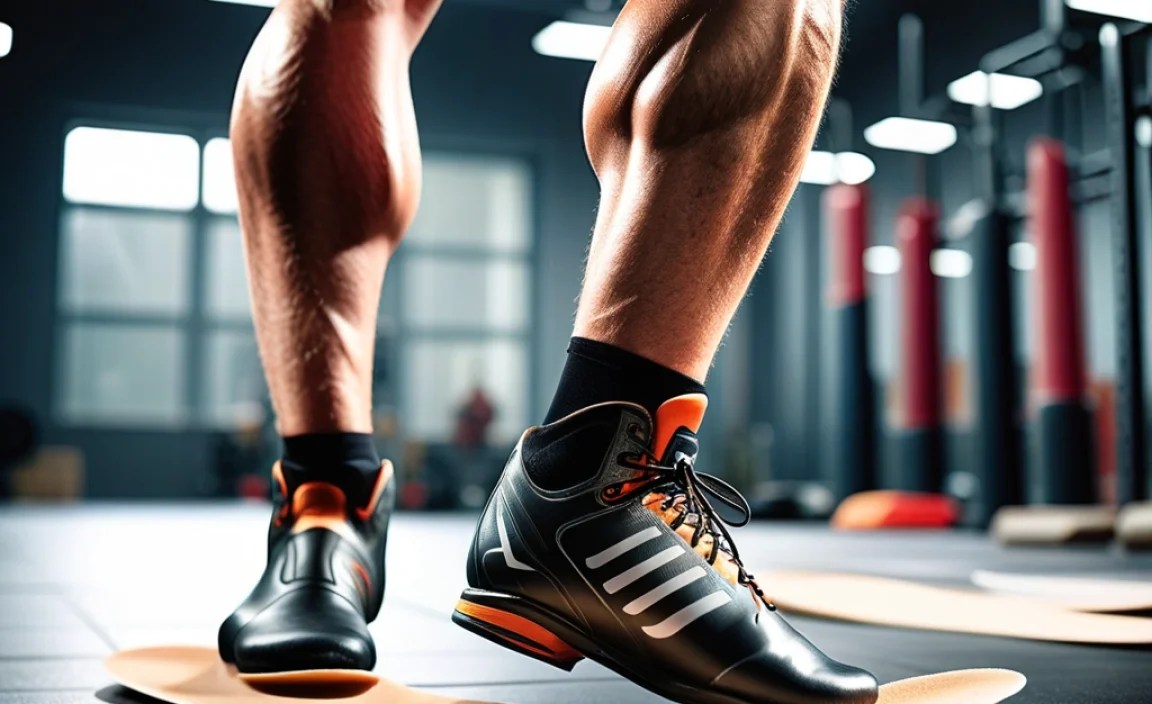
Insoles can be broadly categorized, and understanding these can help you pinpoint what’s best for your strongman training:
1. Supportive/Orthotic Insoles
These are designed to provide maximum support and help correct biomechanical issues. They often have a firmer construction, structured arch support, and a deep heel cup. If you have existing foot pain or instability, these are usually the best starting point. They focus on alignment and preventing excessive foot motion.
2. Cushioning Insoles
While cushioning is important, these insoles prioritize shock absorption above all else. They typically use softer foams or gels. For strongman, pure cushioning insoles might be too soft and reduce power transfer. However, a good balance within a supportive insole can be highly beneficial for high-impact events.
3. Performance Insoles
This is a broad category that often blends support and cushioning for athletic activities. For strongman training, you’re looking for a performance insole that leans heavily on the supportive and stable side, with adequate, but not excessive, cushioning. They are made with advanced materials designed to enhance athletic performance by improving stability and energy return.
4. Custom Insoles
These are made from direct impressions of your feet. They offer the most personalized fit and support, targeting your specific foot structure and issues. While expensive, they can be incredibly effective for severe foot problems or for athletes seeking the absolute best. However, for most strongman trainees, high-quality off-the-shelf insoles are perfectly adequate.
Choosing the Right Insole: A Step-by-Step Guide
Finding the perfect insole for your strongman boots doesn’t have to be complicated. Follow these steps:
Step 1: Assess Your Feet and Your Needs
Before you even start looking, take a moment to understand your feet:
- Foot Type: Are your arches high, medium, or low? (The wet footprint test can help: step on a surface where your footprint will show, like a piece of paper after stepping in water. A full footprint indicates low arches, a footprint with a visible arch indicates medium, and a print showing mostly your heel and the ball of your foot with little to no arch is high.)
- Pain Points: Where do you feel discomfort or pain during or after training? (e.g., heel, arch, ball of foot, ankles)
- Training Style: What lifts do you focus on? Explosive lifts might benefit from more shock absorption, while heavy static lifts need maximum stability.
Step 2: Consider Your Boots
Your strongman boots are designed with a certain type of sole and interior.
- Space: How much room is there inside your boots? You don’t want an insole that’s too thick, forcing your foot into a cramped position. If your boots are already snug, you might need a ‘trim-to-fit’ insole or one with a lower profile.
- Boot Support: Does your boot already have a very rigid sole with minimal flex? This might mean you can opt for slightly more cushioning without sacrificing stability.
Step 3: Research and Read Reviews
Look for brands known for quality athletic insoles. Read reviews specifically from individuals who use them for heavy lifting or similar demanding activities. Pay attention to comments on:
- Durability
- Support level
- Comfort during long wear
- Effectiveness for stability
- How they hold up to abuse
Checking industry-specific forums or athlete reviews can be more valuable than general consumer feedback.
Step 4: Try Them Out (If Possible)
If you can, try insoles on in person. Walk around in them. If purchasing online, check the return policy. Some companies offer trial periods. Mimic some of your training movements if you can within a safe environment.
Step 5: Trim to Fit (If Necessary)
Most aftermarket insoles are designed to be trimmed to fit your specific boot size. Use your original boot insole as a template. Lay the new insole on top, trace the outline with a pen or pencil, and carefully trim with sharp scissors. Smooth any rough edges.
Step 6: Insert and Test
Remove the original insole from your strongman boot and insert the new one. Lace up your boots and walk around. Pay attention to how they feel. Wear them for a light training session first before attempting your heaviest lifts. Allow your feet to adapt to the new support.
Top Insole Features for Strongman Boot Durability and Performance
When durability and performance are the top priorities, specific features come to the forefront. Here’s a breakdown of commonly found features in high-performance insoles and why they matter for the harsh environment of strongman training.
| Feature | Benefit for Strongman Training | Example Materials/Design |
| Reinforced Arch Support | Prevents excessive pronation or supination under heavy axial load, crucial for stability during squats and deadlifts. Enhances power transfer by maintaining foot alignment. | Semi-rigid composites, firm polyurethane, integrated support structures. |
| Deep, Structured Heel Cup | Stabilizes the heel, preventing slippage and reducing the risk of ankle rolls during dynamic movements like stone loading or strongman pushes. Provides a secure fit. | Molded EVA, firm plastic inserts, contoured heel padding. |
| High-Density Cushioning (Strategic Placement) | Absorbs shock during high-impact phases of lifts (e.g., landing from a jump, dropping implements) without sacrificing responsiveness. Reduces foot fatigue. | High-density EVA foam, closed-cell polyurethane, Poron XRD. |
| Durable Top Fabric/Cover | Resists abrasion from friction, keeps feet drier by managing moisture, and provides grip to prevent foot sliding within the boot. | Nylon, reinforced microfiber, anti-bacterial treated materials. |
| Moderate Thickness Profile | Offers substantial support and cushioning without making the boot too tight. Ensures a snug, secure fit crucial for proprioception and control. | Designed to fit most athletic footwear; can be trimmed to customize. |
| Rigid to Semi-Rigid Construction | Provides a stable platform that doesn’t collapse under extreme load. Allows for better force production and prevents energy loss. | Rigid nylon shanks, multi-density polyurethane blends. |
Popular Insole Brands and Models to Consider
While specific models change, certain brands consistently deliver quality for demanding athletic activities. When looking for insoles, consider these reputable names known for their performance and durability. Always check the latest versions and reviews for specific applications.
- Superfeet: Known for their structured support and variety of arch profiles. Models like the “Run Pain Relief” or “Trailblazer” can be good starting points due to their robust support, though you might look for their more broadly supportive hiking or work boot insoles too.
- Powerstep: Offers a range of orthotic insoles with excellent arch support and cushioning. Their “Full Length Shoe Inserts” or “Orthotic Insoles” are often recommended for active individuals.
- Sole: Offers moldable insoles that can conform to your foot. Their “Performance” or “Active” series insoles are designed for durability and comfort in athletic footwear. You can often heat mold them for a more custom fit.
- OESH (now part of Aldila): While perhaps not as mainstream for strongman, their focus on foot health and shock absorption in their materials can be a good consideration if you prioritize cushioning and joint protection.
- Currex: Offers dynamic insoles designed for specific foot types and activities, with excellent biomechanical support. Their “Pro-Fit” or “EdgePro” lines might be suitable.
When choosing, look for descriptions that mention “stability,” “support,” “shock absorption,” and “durability” for athletic or work boots. Avoid insoles marketed purely for extreme softness or “fashion.”
Maintaining Your Insoles for Longevity
To get the most out of your investment in good insoles, proper maintenance is key. Strongman training pushes equipment to its limits, so taking care of your insoles will extend their life and effectiveness.
Regular Cleaning
After training, it’s a good practice to remove your insoles from your boots to allow them to air out. This helps prevent moisture buildup, which can lead to odor and material breakdown.
- Hand Wash: The best method is usually to wash them by hand with mild soap and cool water.
- Avoid Machine Washing/Drying: High heat and harsh detergents can damage the materials, compromise their structure, and reduce their cushioning and support capabilities.
- Air Dry: Always air dry insoles completely away from direct heat sources like radiators or sunlight.
Rotation of Insoles or Boots
If you train very frequently, consider having a second pair of insoles. Rotating between two pairs allows each pair to fully dry out and recover its shape between uses. Similarly, rotating between two pairs of boots (if you have them) can also extend the life of both footwear and insoles.
Inspect for Wear and Tear
Periodically check your insoles for signs of wear. Look for:
- Significant compression or flattening
- Cracks in the material
- Torn or peeling top fabric
- Changes in the arch support structure
If you notice any of these, especially a loss of support or cushioning, it’s time to replace them. Worn-out insoles can lead to reduced performance and increased risk of injury.
Integrating Insoles with Strongman Training Techniques
The right insoles can complement your training techniques, not just provide passive support. Understanding how they work with your body’s mechanics can unlock further benefits.
Deadlifts and Squats: The Foundation of Stability
For heavy deadlifts and squats, you want to feel absolutely locked in. Good insoles with a firm base and a supportive arch help:
- Prevent “Foot Collapse”: Under heavy load, your arches can naturally try to flatten. Insoles resist this, keeping your foot in a more stable, neutral position.
- Improve Ground Feel: While cushioning is present, a quality insole aims to maintain a responsive connection to the ground, allowing you to feel and adjust your pressure distribution effectively.
- Maximal Force Transfer: With a stable base, more of your generated power is directed into lifting the weight, rather than being absorbed by unstable foot movements.
