Insoles for stroke rehab walking can be a game-changer, providing crucial support and stability to improve gait, reduce pain, and boost confidence as you regain mobility.
Reclaiming your stride after a stroke is a significant journey, and sometimes, the support you need is right at your feet. Walking is key to recovery, but it can be challenging when balance, coordination, or sensation is affected. You might feel unsteady, experience foot pain, or notice your gait is different. It’s completely normal and can be frustrating, but the good news is there are simple, effective tools to help. We’re going to explore how the right insoles can make a genius difference in your stroke rehabilitation walking, making each step safer and more comfortable.
Think of insoles as tiny therapists for your shoes. They work behind the scenes, offering cushioning, alignment, and stability that can transform how you walk. Whether you’re just starting to take steps or looking to refine your walking pattern, understanding these foot helpers is the first step towards a smoother recovery. Let’s dive into how insoles can be your essential partner in getting back on your feet.
Insoles for Stroke Rehab Walking: Your Essential Guide

After a stroke, changes in muscle control, sensation, and coordination can significantly impact your ability to walk. This can lead to issues like foot drop, uneven gait, balance problems, and pain. The goal of stroke rehabilitation walking is to improve mobility, safety, and independence.
Insoles, also known as orthotics or inserts, are designed to be placed inside your shoes. They offer a range of benefits that are particularly helpful during stroke recovery. They can help correct foot alignment, provide extra cushioning where needed, improve shock absorption, and enhance overall stability. For individuals recovering from a stroke, these benefits can translate into a more confident and effective walking experience.
Why Insoles Matter in Stroke Rehabilitation

The impact of a stroke on walking can be multifaceted. Often, there’s weakness or paralysis in the leg and foot, leading to conditions like foot drop, where the foot slaps down when you lift your leg. This can cause you to trip or alter how you walk to compensate, potentially leading to secondary issues like knee or hip pain.
Insoles offer targeted solutions:
- Improved Stability: They can provide a more stable base for your foot, helping to correct pronation (rolling inward) or supination (rolling outward) that might occur due to muscle weakness.
- Enhanced Comfort and Cushioning: Many stroke survivors experience changes in sensation, sometimes leading to discomfort or increased pressure points. Insoles add a layer of cushioning to absorb shock and reduce pressure.
- Support for Foot Drop: Certain types of insoles, often combined with other assistive devices, can help lift the front of the foot, mitigating the effects of foot drop.
- Better Gait Mechanics: By improving foot and ankle alignment, insoles can encourage a more natural and efficient walking pattern.
- Pain Reduction: Uneven weight distribution and altered gait can lead to pain in the feet, ankles, knees, or hips. Insoles can help redistribute pressure more evenly, alleviating discomfort.
- Increased Confidence: With improved stability and reduced pain, individuals often feel more secure and confident when walking, which is crucial for motivation and participation in therapy.
It’s important to remember that insoles are a supportive tool, often used in conjunction with physical therapy and other rehabilitation strategies. They are not a standalone cure but a powerful aid to help you make the most of your recovery efforts.
Choosing the Right Insoles: A Step-by-Step Approach

Selecting the best insoles for stroke rehab walking isn’t always straightforward, as individual needs vary greatly. Here’s a guide to help you navigate the options:
Step 1: Consult Your Healthcare Team
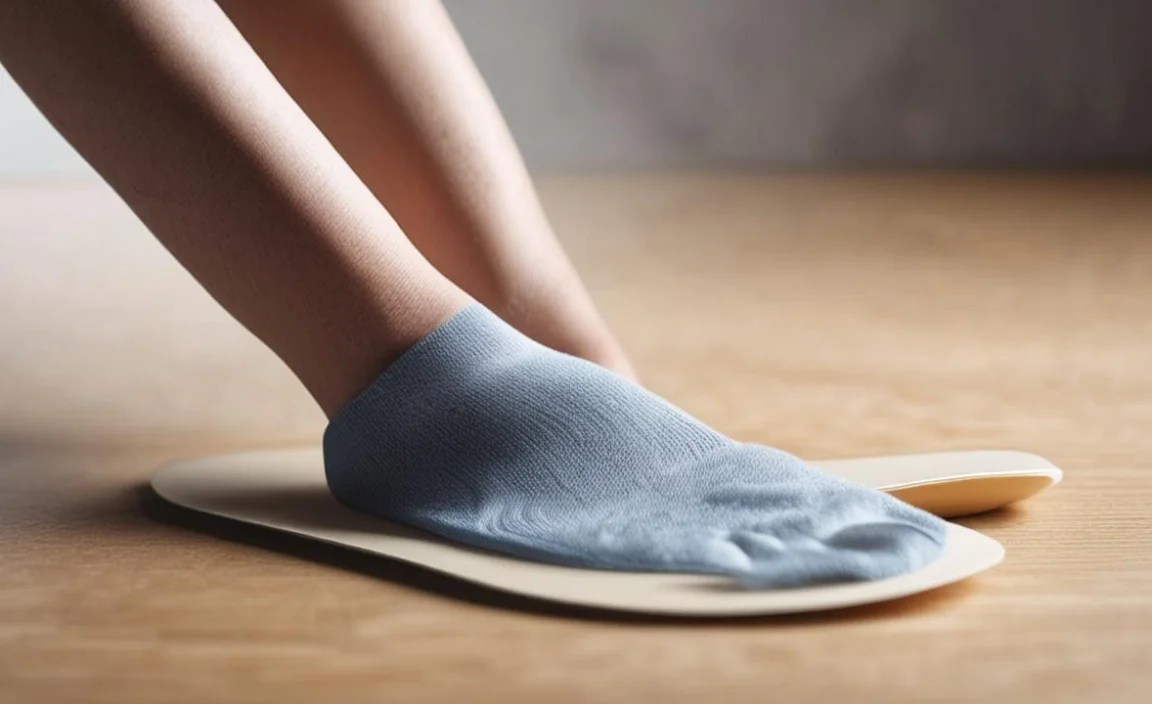
Before purchasing any insoles, it’s essential to talk to your doctor, physical therapist, or occupational therapist. They understand your specific neurological condition, the extent of any motor or sensory deficits, and your rehabilitation goals. They can assess your foot mechanics and recommend the type of support you need. They may even have specific brands or types of insoles they recommend based on your condition.
Step 2: Understand Your Needs

Consider the primary challenges you face during walking:
- Foot Drop: Do you have trouble lifting the front of your foot?
- Balance Issues: Do you feel unstable or sway frequently?
- Plantar Fasciitis or Heel Pain: Is heel pain affecting your steps?
- Arch Support: Is your arch collapsing, or is it too high?
- General Discomfort: Do your feet just feel tired or sore after walking?
Step 3: Types of Insoles for Rehabilitation
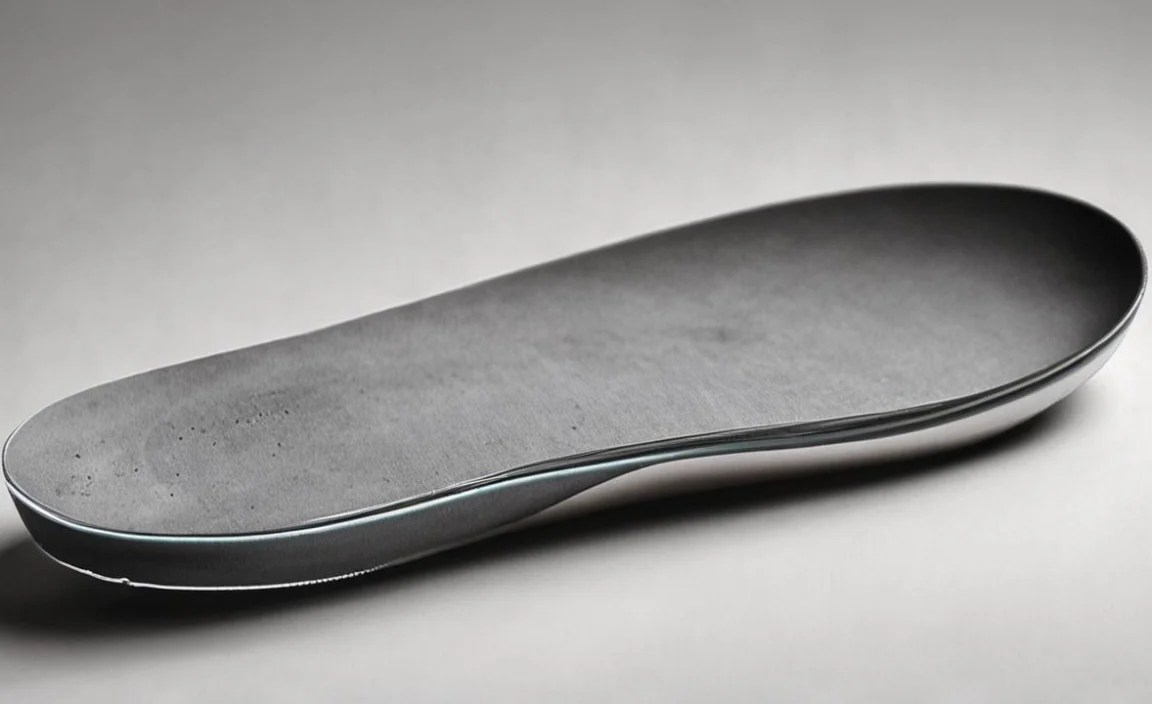
Insoles generally fall into a few categories, each offering different benefits:
| Insole Type | Primary Benefit for Stroke Rehab | Considerations |
|---|---|---|
| Cushioning Insoles | Absorb shock, reduce impact on joints, provide comfort for sensitive feet. | Offer minimal structural support. Good for general discomfort or if pain is due to impact. |
| Supportive/Stability Insoles | Help control foot motion, align the ankle and foot, prevent overpronation or supination. | Often have a firmer heel cup and arch support. Can improve overall balance. |
| Orthotic-Grade Insoles (Custom or Semi-Custom) | Provide highly specific correction for significant biomechanical issues like severe arch collapse or pronation. | Most expensive option. Often prescribed and fitted by a podiatrist or orthotist. Essential for complex needs. |
| Metatarsal Pads/Arch Supports | Specifically target arch support or redistribute pressure from the ball of the foot. | Can be added to other insoles or used on their own for localized issues. |
| Night Splints (worn on the foot, not in a shoe, but related) | Maintain a stretched position of the foot and ankle overnight to combat contractures. | Not for walking, but can complement daytime walking by improving ankle dorsiflexion. |
For stroke rehabilitation, a combination of cushioning and stability is often ideal. For instance, a supportive insole with adequate cushioning can provide both the necessary alignment and shock absorption.
Step 4: Material Matters

Insoles are made from various materials, each with pros and cons:
- Foam (EVA, Polyurethane): Lightweight, good cushioning, affordable. Can wear out over time.
- Gel: Excellent shock absorption, can be cooler than foam. May offer less structured support than firmer materials.
- Cork: Moldable to the foot over time, offers firm support and good shock absorption. Can be heavier and less flexible.
- Carbon Fiber: Very rigid and lightweight. Primarily used for structural support in advanced orthotics, less common for general comfort.
For stroke rehab, especially if you have reduced sensation, materials that offer superior shock absorption and prevent pressure points are often preferred. Look for insoles with good breathability if foot sweating is an issue.
Step 5: Fit and Comfort
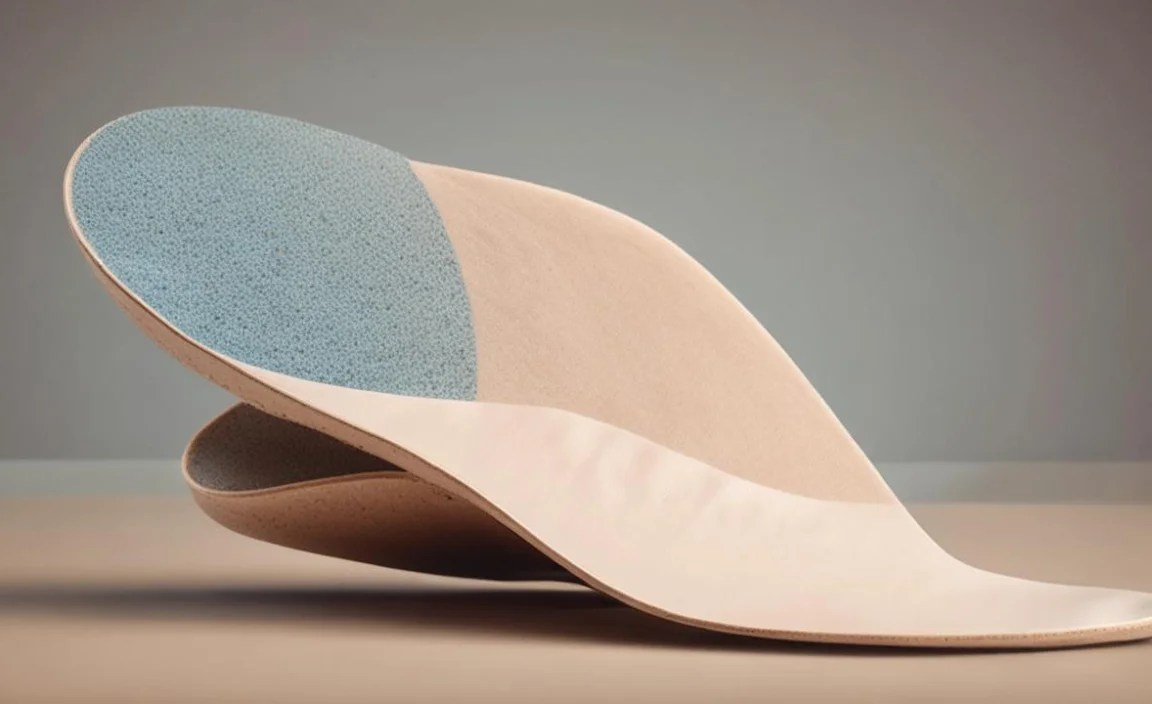
This is paramount. Even the most technically advanced insole is useless if it’s uncomfortable or doesn’t fit your shoe properly.
- Try Before You Buy (if possible): Walk around in shoes with the insoles.
- Trim to Fit: Many insoles can be trimmed to match the shape of your shoe insole. Ensure you do this accurately.
- Avoid Pinching or Rubbing: The insole should not create new pressure points or rub against your foot or shoe.
- Consider Your Shoes: Insoles work best in shoes with adequate depth and a removable factory insole. Tight shoes with no room for an insert won’t accommodate them well.
Step 6: Gradual Introduction

If you’re new to wearing insoles, especially supportive ones, start by wearing them for short periods and gradually increase the duration. This allows your feet and body to adjust and prevents fatigue or discomfort.
Insoles and Foot Drop: A Closer Look

Foot drop is a common challenge after a stroke, making it difficult to lift the front of the foot. This can lead to a “foot slap” during the swing phase of walking, increasing the risk of trips and falls. While specialized ankle-foot orthoses (AFOs) are often the primary solution, insoles can play a complementary role depending on the severity of the foot drop and the individual’s goals.
Here’s how insoles can assist with foot drop:
- Toe Lifters: Some insoles have a built-up section at the front of the arch or a slight ramp that can help to passively lift the toes. While not as effective as mechanical devices, they can offer a mild improvement.
- Firm Heel Counter: A sturdy heel counter in the insole can help stabilize the heel, which can indirectly improve control over the foot’s position during gait.
- Adding to AFOs: In some cases, a cushioning or stabilizing insole might be worn inside a shoe that also has an AFO. This combination can enhance comfort and provide an additional layer of support.
It’s crucial to work with a physical therapist or orthotist to determine the most appropriate approach for foot drop. They can advise if insoles alone are sufficient, or if they should be used in conjunction with other assistive devices like specific AFOs. For more information on assistive devices for mobility, resources from the National Institute on Aging can be helpful.
Addressing Balance and Stability with Insoles

Balance is a critical component of walking safely, and it’s often compromised after a stroke due to weakened muscles, reduced proprioception (the sense of where your body is in space), and slower reaction times.
Supportive insoles can make a significant difference in improving balance:
- Wider Base of Support: Insoles that extend to or slightly beyond the edges of your foot can provide a more stable platform.
- Arch and Heel Support: Proper arch and heel support helps to align the foot correctly. An aligned foot is a more stable foot, which can improve your overall center of gravity.
- Shock Absorption: Reduced shock impact means less jarring movement, which can help maintain steadiness and prevent losing balance from sudden jolts.
- Proprioceptive Feedback: Some insoles are designed to provide gentle feedback to the foot, which can help the brain better understand the foot’s position and make unconscious adjustments for balance.
When choosing insoles for balance, look for options with a deep heel cup and a supportive, yet not overly rigid, structure. Materials like firmer EVA or polyurethane foam can offer a good balance of cushioning and stability. Consider insoles designed for activities that require good balance, as these are often well-suited for rehabilitation needs.
Insoles for Pain Management During Stroke Rehab

Pain in the feet, ankles, or even the knees and hips is a common complaint during stroke recovery. This can stem from altered gait patterns, prolonged pressure, muscle spasticity, or even changes in nerve function.
Insoles can help manage pain by:
- Redistributing Pressure: Insoles can spread your body weight more evenly across the sole of your foot, reducing pressure on specific painful areas like the heel or ball of the foot.
- Absorbing Shock: The repetitive impact of walking can aggravate painful joints and tissues. Good cushioning insoles act as shock absorbers, minimizing this stress.
- Correcting Biomechanics: If pain is due to how your foot rolls or strikes the ground, insoles that provide proper arch support and alignment can correct these issues and alleviate pain over time.
- Providing Arch Support: For conditions like plantar fasciitis or general arch pain, insoles with built-in arch support can relieve strain on the plantar fascia and surrounding muscles.
When selecting insoles for pain, prioritize those that offer a combination of cushioning and support tailored to your specific pain points. For example, if heel pain is the issue, look for insoles with enhanced heel cushioning. If arch pain is dominant, focus on good arch contouring.
Materials to Look For in Insoles
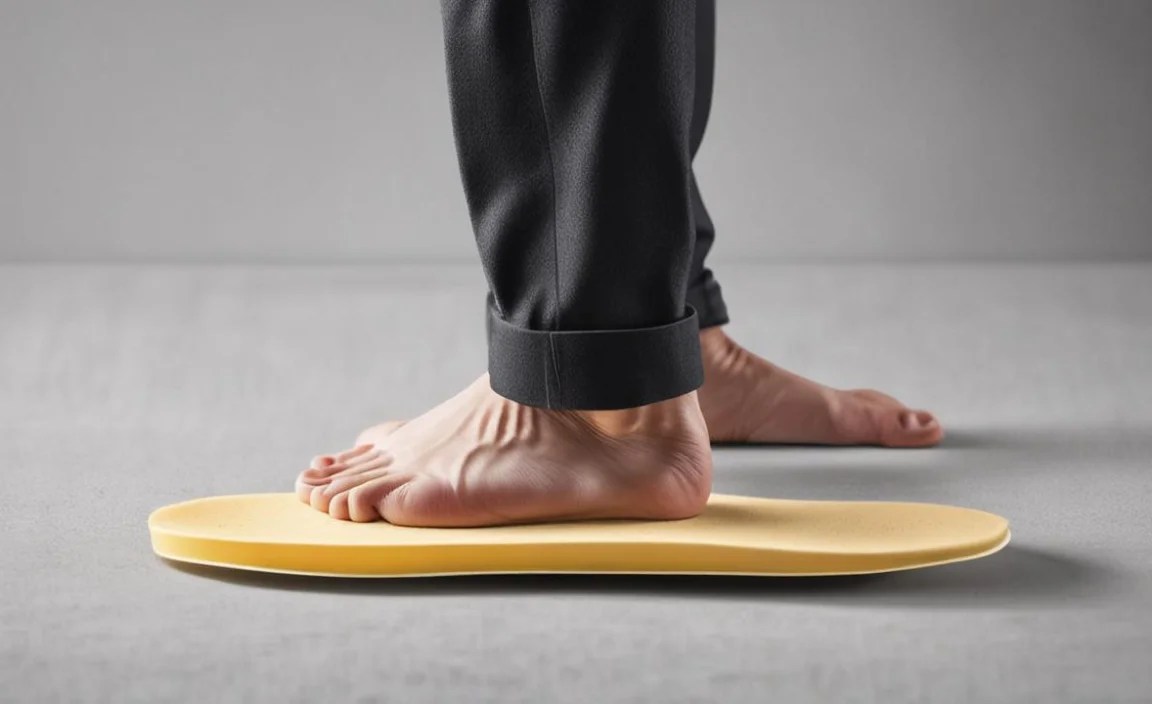
The material of an insole plays a huge role in its performance and comfort. For stroke rehabilitation, several materials stand out:
- Ethylene-vinyl acetate (EVA): A closed-cell foam that is lightweight, flexible, and offers excellent cushioning and shock absorption. It’s often used in the mid-layer of insoles and is a good all-around choice for comfort.
- Polyurethane (PU): Denser and more durable than EVA, PU provides excellent support and shock absorption, especially for heavier individuals or those needing more robust stability. It holds its shape well over time.
- Silicone/Gel: Known for superior shock absorption and redistributing pressure. Gel insoles can be very effective for comfort and pain relief, especially in high-impact areas like the heel. Some gel insoles are less supportive structurally compared to foam or PU.
- Cork: A natural material that can mold to the wearer’s arch over time, offering personalized support and good shock absorption. It’s durable but can be less flexible.
- Memory Foam: Conforms to the foot’s shape, providing personalized cushioning and comfort. However, it can sometimes retain heat and may not offer as much long-term structural support as firmer materials.
Often, the best insoles utilize a combination of these materials to achieve optimal support, cushioning, and durability. For instance, a PU base for stability, an EVA mid-layer for cushioning, and a gel insert in the heel for extra shock absorption.
When to Consider Custom Orthotics
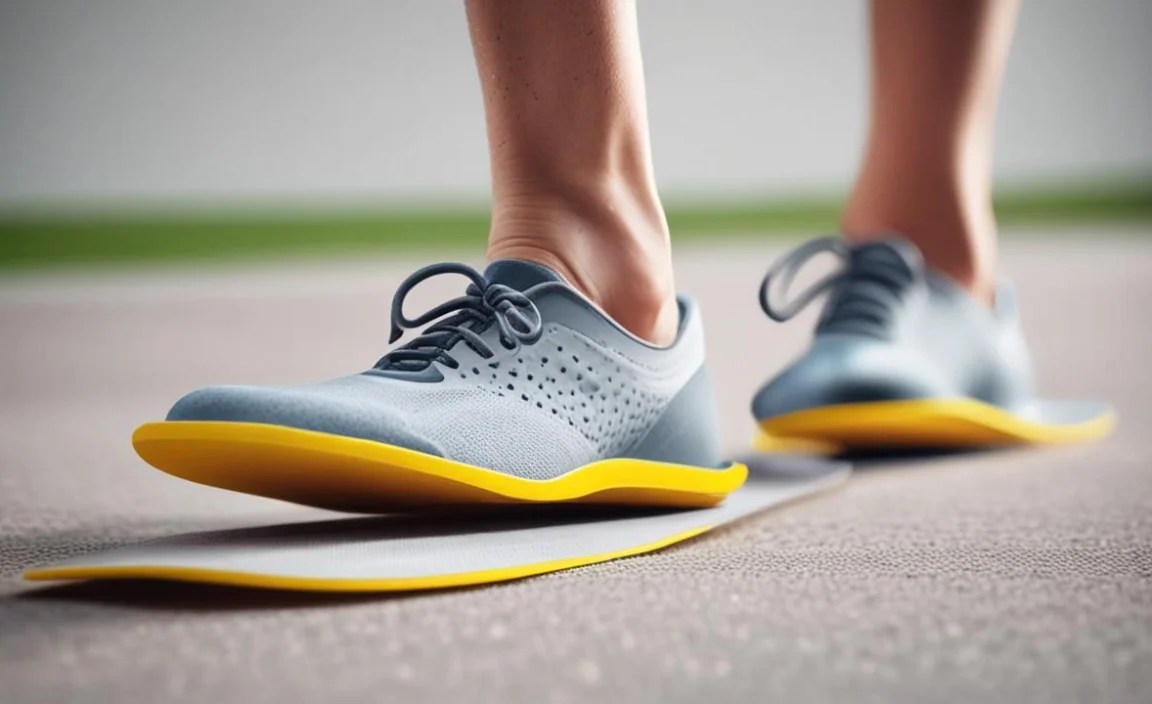
While over-the-counter insoles can be incredibly effective for many stroke survivors, there are situations where custom-made orthotics might be a better option. These are professionally designed and manufactured to perfectly match the unique contours and biomechanical needs of your feet.
Consider custom orthotics if:
- Severe Biomechanical Issues: You have significant foot deformities, severe pronation/supination, or complex gait abnormalities that over-the-counter options cannot adequately address.
- Persistent Pain: You’ve tried various over-the-counter insoles and therapies without significant relief from foot or lower limb pain.
- Specific Medical Conditions: Your therapist or doctor recommends them due to conditions like advanced arthritis, significant spasticity, or high risk of foot ulceration.
- Need for Precise Correction: You require very specific adjustments to gait, alignment, or pressure distribution that standard insoles don’t offer.
Custom orthotics are typically prescribed and fitted by a podiatrist or a certified orthotist. The process involves a thorough examination, possibly gait analysis, and custom molding of your feet. They are generally more expensive than off-the-shelf insoles but can provide superior correction and comfort for complex rehabilitation needs.
Tips for Maintaining Your Insoles
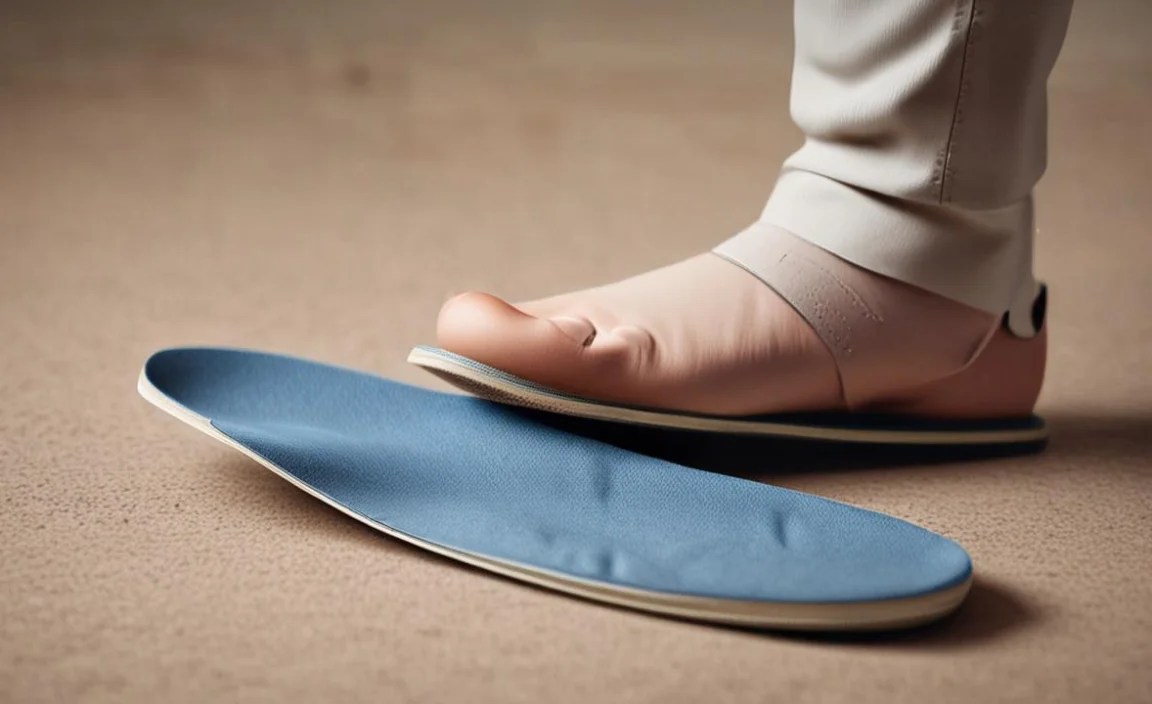
To get the most out of your insoles and ensure they remain effective and hygienic, follow these simple maintenance tips:
- Regular Cleaning: Wipe insoles with a damp cloth and mild soap. Avoid harsh chemicals or submerging them in water, especially if they contain cushioning foams that can degrade. Allow them to air dry completely, away from direct heat.
- Daily Airing Out: Remove insoles from shoes when not in use to allow both the insoles and shoes to air out. This prevents odor buildup and helps maintain the insole’s structure.
- Inspect for Wear: Periodically check your insoles for signs of wear, such as flattened cushioning, worn-out edges, or loss of support. Most insoles last between 6-12 months depending on use and material.
- Proper Storage: If you have multiple pairs, store them flat and out of direct sunlight.
- Replacement as Needed: Don’t hesitate to replace insoles when they show significant wear. Degraded insoles can lose their therapeutic benefits and even contribute to discomfort.
Expert Recommendations and Brands to Consider
While specific recommendations depend on your individual needs, some brands are consistently praised for their quality and effectiveness in providing support and comfort. It’s always best to try them on or consult with a professional.
Brands often recommended for supportive and comfortable insoles include:
- Superfeet: Known for their biomechanically engineered designs offering excellent arch support and stability across various models.
- Powerstep: Offers a range of insoles with deep heel cups and effective arch support, often targeting common foot pain issues.
- Currex: Focuses on dynamic support and foot-specific inserts designed for different activity levels and foot types.
- Spenco: Provides a good balance of cushioning and support, with some options specifically.
