For performers who rock heels on stage, finding comfort and support is key. Insoles designed for high heels can transform your performance, reducing foot pain and fatigue. Look for options with good arch support, cushioning, and a secure fit to keep you focused on your act, not your feet.
Stepping onto a stage in heels can be an exhilarating experience, but the dazzling lights and cheering crowds can quickly fade when your feet start to ache. Many performers love the confidence and visual impact of heels, but the reality of long hours standing, dancing, or moving can turn a dream gig into a painful ordeal. The good news? You don’t have to suffer in silence. With the right insoles, you can significantly boost your comfort and stability, allowing you to shine.
This guide is here to help you navigate the world of insoles specifically designed for stage performer heels. We’ll break down what to look for, how they work, and how to choose the perfect pair so your focus stays on delivering a memorable performance, not on your throbbing feet. Get ready to dance, strut, and command the stage with newfound ease and confidence!
Why Stage Performers Need Special Insoles for Heels

Performing in heels presents unique challenges. The elevated heel shifts your body weight forward, putting immense pressure on the balls of your feet and the toes. This unnatural position can lead to a cascade of problems, including:
- Metatarsalgia: Pain and inflammation in the ball of the foot.
- Plantar Fasciitis: Irritation of the thick band of tissue on the bottom of your foot.
- Bunions: A bony bump that forms on the joint at the base of your big toe.
- Corns and Calluses: Thickened skin caused by friction and pressure.
- Ankle Instability: The elevated heel can make your ankles more vulnerable to sprains.
- Lower Back Pain: The altered posture from heels can strain your back muscles.
Standard shoe insoles often aren’t designed to address these specific issues, especially within the constricting space of a high heel. Insoles tailored for stage performers’ heels are engineered to redistribute pressure, provide targeted cushioning, and improve overall foot alignment within these demanding footwear choices.
Understanding Insole Basics for Heels
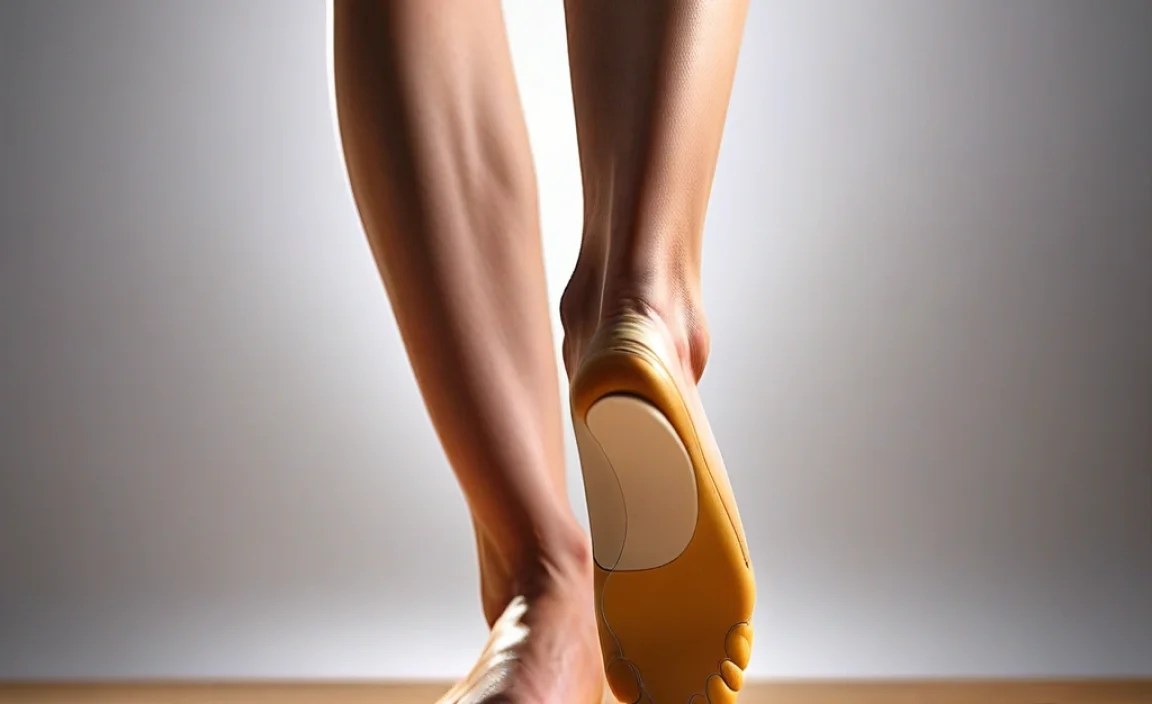
Not all insoles are created equal, and those for heels have to be particularly clever to fit and function inside narrow, often shallow, shoes. Here’s what makes an insole suitable for stage heels:
Key Features to Look For
When you’re choosing insoles for your stage heels, keep an eye out for these crucial features:
- Slim Profile/Low Volume: Heels are typically tight. Insoles must be thin enough to fit without making your shoes too snug, which can cause blisters and discomfort. Look for terms like “ultra-slim,” “low-profile,” or “designed for dress shoes/heels.”
- Targeted Cushioning: Focus on insoles with extra padding in the forefoot (ball of the foot) and heel. This is where most of the impact and pressure occurs in heels.
- Arch Support: Even in heels, proper arch support is vital. It helps distribute weight more evenly and can prevent foot fatigue. The amount and type of support will vary; a moderate arch is often best for heels to avoid feeling too intrusive.
- Heel Cup: A slightly cupped heel can provide stability and prevent your foot from sliding forward within the shoe.
- Shock Absorption: Materials like gel, foam, or specialized polymers help absorb the impact of every step, reducing stress on your feet and joints.
- Non-Slip Surface: A textured top layer can help keep your feet from sliding inside the shoe, especially important during dynamic movements.
- Breathability: Features like perforations or moisture-wicking fabrics can keep your feet cooler and drier, reducing the risk of blisters and odor.
Materials Matter
The materials used in an insole significantly impact its comfort and durability:
- Gel: Offers excellent shock absorption and cushioning, often with a cool sensation. Can sometimes be a bit slippery if not textured.
- Foam (EVA, PU): Lightweight and provides good cushioning. EVA (ethylene vinyl acetate) is common and offers a good balance of support and comfort. PU (polyurethane) is often more durable and offers superior cushioning.
- Silicone: Similar to gel, offers excellent shock absorption and can be very durable.
- Fabric Top Layer: A soft fabric, often with moisture-wicking properties, enhances comfort and helps manage sweat.
Types of Insoles for Stage Heels

Insoles come in various forms, each suited for different needs. For stage performers, the focus is on inserts that work within the specific constraints of high heels.
Full-Length vs. ¾ Length Insoles
- Full-Length Insoles: These run the entire length of the shoe. They can offer comprehensive support but might be too bulky for very pointed or shallow heels.
- ¾ Length Insoles: These end before the toes. They are an excellent choice for heels because they eliminate the problem of bunching up at the toe box, making them ideal for tight-fitting shoes. They still provide significant cushioning and support to the heel and arch.
Specialty Heel Insoles
Many brands now offer insoles specifically marketed for heels or dress shoes. These are usually:
- Ultra-thin: Designed to add minimal bulk.
- Targeted: With focused cushioning on the ball of the foot and heel.
- Contoured: Shaped to fit the natural curve of the foot and the inside of a heel.
Choosing the Right Insole: A Step-by-Step Guide
Selecting the perfect insole can feel overwhelming, but by following these steps, you can make an informed decision that leads to happy feet.
Step 1: Assess Your Needs and Your Heels
Think about your typical performance. How long do you wear heels? What kind of movements do you do? What is the shape and depth of your go-to stage heels? Most stage heels are fashion-focused, meaning they often have less natural support and cushioning than everyday shoes. Consider the:
- Heel Height: Higher heels generally require more forefoot cushioning.
- Shoe Material: Stiff materials might need more flexibility from the insole.
- Shoe Fit: Are they already snug, or is there room for a thin insert?
Step 2: Determine Your Primary Comfort Goal
What’s bothering you the most? Is it:
- Ball of foot pain? Look for insoles with significant forefoot cushioning.
- Heel pain or discomfort? Seek insoles with heel padding and shock absorption.
- General foot fatigue? A balanced option with arch support and cushioning might be best.
- Slipping in the shoe? Prioritize insoles with a non-slip top layer and a contoured design.
Step 3: Read Reviews Specifically for Heel Insoles
Search for reviews from other performers or individuals who wear similar types of shoes. Pay attention to comments about:
- Whether the insoles fit well in heels.
- How much cushioning they provide for the ball of the foot.
- Their durability during prolonged wear.
- Whether they help reduce slipping.
A great natural arch support can be found from some insoles, which can also help alleviate pain related to fallen arches. For more information on foot structure and support, the American Orthopaedic Foot & Ankle Society offers comprehensive resources.
Step 4: Consider the Thickness and Fit
This is critical for heels. Measure the insole of one of your stage shoes (if removable) or slide a ruler into the shoe to estimate the available space. Compare this to the product specifications of the insoles you’re considering. A ¼ inch thickness might be the absolute maximum for many heels. ¾ length insoles are often your best bet to avoid overstuffing.
Step 5: Try Them Out (If Possible)
Some companies offer trial periods or have good return policies. If you can, try them for a short rehearsal or wear them around the house before a performance to ensure they are comfortable and effective.
Insole Types Compared for Stage Heels
Here’s a quick comparison to help you visualize the options:
| Insole Type | Best For | Pros for Stage Heels | Cons for Stage Heels |
|---|---|---|---|
| ¾ Length Gel/Silicone Inserts | Ball of foot pain, shock absorption | Excellent forefoot cushioning, slim profile, good shock absorption. | May not offer significant arch support, can be slightly bulky in very narrow heels. |
| Thin Full-Length Cushioned Insoles | General comfort, moderate arch support | Even cushioning, some arch support, may offer stability. | Can be too thick for tight heels, might bunch near toes. |
| Contoured Dress Shoe Insoles | Foot alignment, moderate support, all-day comfort | Designed for dress shoes, often slim, provide good contour and support. | Cushioning might be less substantial than gel options. |
| Custom-Made Orthotics (if prescribed) | Specific biomechanical issues, severe pain | Perfectly matched to your feet, maximum correction and support. | Expensive, may not fit in fashion heels, requires professional fitting. |
Insole Reviews and Usage Tips for Performers
Real-world experiences can be incredibly valuable. Here’s what to look for in reviews and how to use your insoles effectively.
What Performers Say (Common Themes in Reviews)
Based on feedback from performers and those who wear heels regularly, you’ll often see:
- “A lifesaver for long sets.” Many users report a significant reduction in pain after hours of standing or dancing.
- “Fit perfectly in my stilettos/dance heels.” This is key – reviewers often mention how slim the insoles were and how well they avoided bunching.
- “Noticeable difference in the ball of my foot.” This highlights the effectiveness of targeted forefoot cushioning.
- “Helped with stability.” Some insoles provide just enough structure to feel more secure.
- “Need to replace them every few months.” Like most cushioning products, insoles wear out. Frequent use, especially with rigorous activity, can shorten their lifespan.
How to Use Your New Insoles
- Preparation is Key: If your shoes have old, worn-out insoles, remove them first. This creates more space for the new ones and ensures a better fit.
- Trimming (If Necessary for Full-Length): If you opt for full-length insoles that need to be trimmed, use the original insole or the shoe’s footbed as a guide. Trim carefully with sharp scissors. It’s better to trim a little at a time, checking the fit as you go.
- Placement: For ¾ length insoles, simply place them in the shoe, ensuring the heel sits snugly and the arch support aligns with your natural arch. For full-length, ensure they lie flat and the toe end doesn’t curl up.
- Break Them In: Wear your new insoles for short periods initially, perhaps around the house or during a light rehearsal. This allows your feet to adjust and helps you verify comfort before a critical performance.
- Daily Inspection: After each use, especially after a demanding performance, check your insoles for wear and tear. Look for signs of flattening, tearing, or loss of cushioning.
- Hygiene: If your insoles are washable, clean them periodically according to the manufacturer’s instructions. For non-washable insoles, a gentle wipe-down and air drying can help maintain them. Using proper foot care practices can also reduce issues that insoles need to compensate for.
Advanced Comfort Solutions
For performers dealing with persistent pain or requiring more specialized support, there are other options to consider beyond standard insoles.
Metatarsal Pads
These are small, adhesive pads that stick directly to the insole or shoe, offering concentrated support and cushioning to the ball of the foot. They are excellent for relieving pressure from metatarsalgia and can be used in conjunction with other thin insoles.
Custom Orthotics
While generally not recommended for fashion heels due to their thickness and cost, custom-made orthotics prescribed by a podiatrist are the gold standard for severe foot conditions. If you have a significant biomechanical issue, a podiatrist can create special, slim inserts that might fit into certain types of heels.
Taping Techniques
For dancers or performers who need extreme flexibility and support, athletic taping techniques can offer temporary relief and stability. This is a more advanced approach and often best learned from a physical therapist or athletic trainer.
Frequently Asked Questions About Insoles for Stage Heels
Q1: Can I put insoles in any kind of high heel?
A1: It depends on the heel and the insole. Slim, ¾ length insoles are your best bet for most fashion heels, especially those that are very pointed or shallow. Always check the thickness of the insole against the available space in your shoe.
Q2: How do I know if I need insoles for my stage heels?
A2: If you experience pain, aching, fatigue, or a burning sensation in your feet after wearing heels, especially during or after a performance, insoles can likely help. They can also provide preventative support.
Q3: Will insoles make my heels fit tighter?
A3: They can, especially if you use thicker insoles or your shoes are already a tight fit. Opting for ultra-slim or ¾ length insoles is the best way to minimize this. If your shoes are a bit too loose, insoles can actually improve the fit.
Q4: How often should I replace my insoles?
A4: For performers wearing heels regularly for their act, you might need to replace insoles every 3-6 months. Signs they need replacing include flattened cushioning, visible wear and tear, or a return of foot pain.
Q5: Can insoles help with ankle stability in heels?
A5: While some insoles offer improved foot alignment and a more secure feel, they are not a primary solution for ankle instability. A firm heel cup and good overall support can contribute to better stability, but severe instability may require professional medical advice.
Q6: Are gel or foam insoles better for stage heels?
A6: It often comes down to personal preference. Gel offers superior shock absorption and a cooling effect, which can be great for intense performances. Foam (like EVA or PU) provides a balance of cushioning and support and is often lighter and more stable. Many performers find success with both.
Conclusion: Step Confidently on Stage
Performing in heels doesn’t have to be a painful compromise. By understanding the unique demands placed on your feet and choosing insoles specifically designed to meet those needs, you can significantly enhance your comfort, stability, and overall performance experience. Remember to focus on slim profiles, targeted cushioning, and a secure fit.
Don’t let foot pain hold you back from giving your best performance. Invest in a good pair of insoles tailored for stage heels, and feel the difference. With the right support, you can focus on the art, the audience, and the magic of the stage, rather than the discomfort beneath your feet. Step out confidently, knowing your feet are well-cared for. Your feet will thank you, and your audience will feel the energy of a performer who is truly comfortable and in control.
