For sprinter comfort, adding the right insoles significantly boosts performance and protects your feet from the intense demands
of sprinting. Focus on thin, supportive insoles that fit snugly without crowding your spikes, enhancing stability and reducing impact for a faster, pain-free race.
Ever felt that sharp sting or nagging discomfort after a sprint? Those sleek, lightweight sprint spikes are built for speed, but they often lack the cushioning and support our feet crave. Running at top speed on a track places immense pressure on your soles, and without the right support, pain and even injuries can quickly sideline you. But don’t worry! The good news is that a simple solution can make a world of difference. We’ll walk through how to find and use insoles that will transform your sprint spike experience, keeping your feet happy and your performance high. Get ready to discover how a little extra comfort can lead to faster times and fewer aches.
Insoles for Sprint Spikes Comfort: Essential Tips

Sprint spikes are designed for raw speed. Their aggressive design, stiff plates, and minimal padding grab the track and propel you forward. However, this focus on performance often comes at the expense of comfort and support, especially over longer races or multiple heats. Many sprinters experience blisters, arch pain, or general foot fatigue due to the rigid nature of these specialized shoes. Fortunately, adding the right type of insole can dramatically improve comfort, provide much-needed support, and even help optimize your foot mechanics for better propulsion.
Why Consider Insoles for Sprint Spikes?

Sprint spikes are not like your everyday running shoes. They have a very specific purpose: to maximize energy transfer and grip. This means less cushioning and a snug, almost constricting fit. Here’s why insoles can be a game-changer:
- Enhanced Cushioning: While you don’t want thick, bulky insoles that will compromise the fit of your spikes, even a thin layer of advanced cushioning can absorb shock more effectively than the spike’s built-in sole.
- Improved Arch Support: Many sprinters have varying arch types. A good insole can provide tailored support to your arch, preventing strain and reducing the risk of plantar fasciitis.
- Better Shock Absorption: The repetitive impact of sprinting is hard on your feet and joints. Insoles help dissipate this impact, making each stride less jarring.
- Reduced Friction and Blisters: Proper insole material can wick away moisture and reduce friction points inside the spike, a common cause of painful blisters.
- Increased Stability: For some, a well-fitting insole can provide a more stable platform, helping to control foot pronation or supination and ensure efficient power transfer.
Understanding the Challenge: Sprint Spikes vs. Traditional Shoes

It’s crucial to understand the fundamental differences between sprint spikes and the shoes you might wear for daily activities or even longer-distance running.
| Feature | Sprint Spikes | Traditional Running Shoes / Casual Shoes |
|---|---|---|
| Primary Goal | Maximum Speed, Grip, Energy Transfer | Comfort, Cushioning, Support, Durability |
| Cushioning | Minimal to None | Varies widely, often significant |
| Flexibility | Very Stiff Sole Plate | More flexible, designed to bend with foot |
| Weight | Extremely Lightweight | Moderate to Heavy |
| Fit | Snug, Almost Tight, Minimal Internal Space | Comfortable, with room for foot movement |
| Purpose of Insoles | Add targetedcomfort and support without compromising performance or fit. | Replace worn-out insoles, addextra cushioning, or providespecific correction. |
This comparison highlights why generic insoles or those designed for maximum cushioning are generally not suitable for sprint spikes. The lack of space inside a spike means any added insole needs to be exceptionally thin and precisely designed.
What to Look for in Sprint Spike Insoles

Not all insoles are created equal, and for sprint spikes, you need to be particularly discerning. Forget those bulky, memory foam behemoths you might use for walking shoes. Here’s what to prioritize:
- Thin Profile: This is non-negotiable. The insole must be thin enough to fit inside your sprint spikes without making them feel too tight, which can impede blood flow and cause numbness or pain. Look for insoles specifically designed to be low-profile or “thin fit.”
- Targeted Arch Support: Whether you have high arches, flat feet, or neutral ones, the insole should offer support that matches your foot’s natural structure. Some insoles offer different levels of arch support (e.g., firm, moderate, flexible).
- Material: Opt for durable, lightweight materials that offer a good balance of cushioning and responsiveness. EVA (ethylene-vinyl acetate) or similar high-density foams are common, providing shock absorption without being too soft or compressing too quickly. Breathable materials can also help manage moisture.
- Heel Cup: A well-defined heel cup can help stabilize the foot and prevent slippage within the spike, contributing to better control and power transfer.
- Durability: While sprint spikes themselves aren’t known for longevity, you want insoles that can withstand the forces of sprinting without rapidly breaking down.
- Forefoot Flexibility: The forefoot of the insole should ideally offer some flexibility to allow for the natural mechanics of your toe-off.
Types of Insoles to Consider (and Avoid)

Let’s break down what works and what doesn’t:
Insoles to Consider:
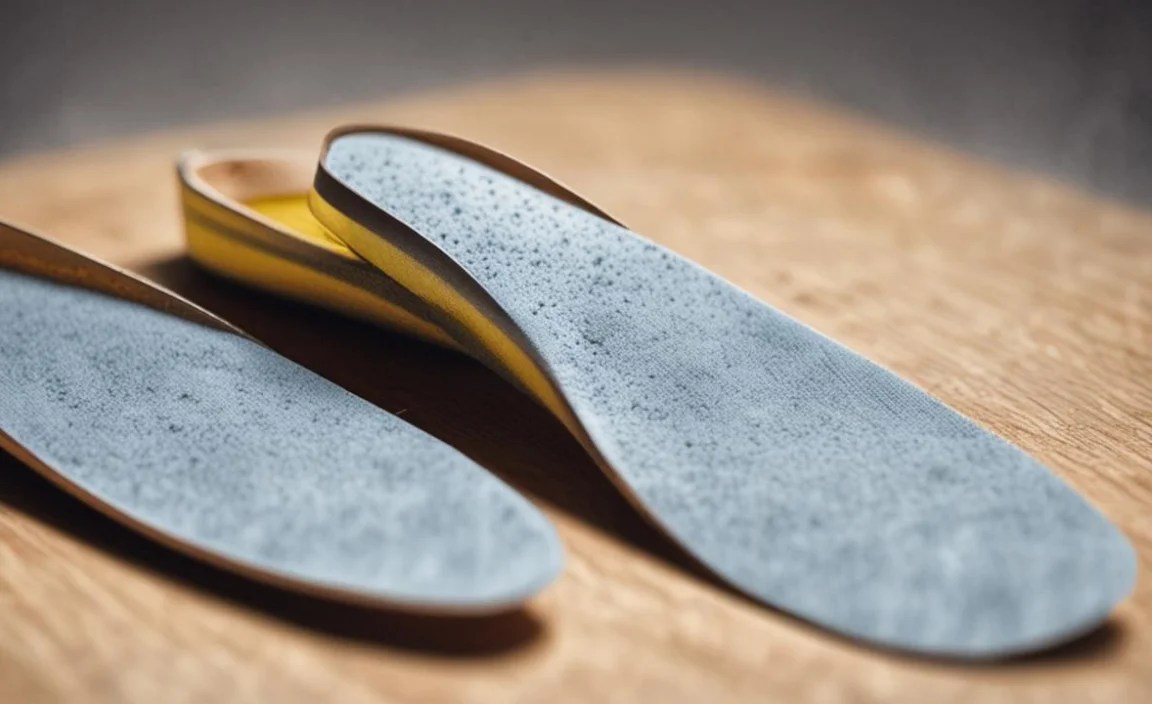
- Performance or Sports Insoles (Thin Versions): Many brands make insoles specifically for athletic use. Look for their “low profile” or “minimalist” models. These are often engineered with balanced cushioning and support.
- Custom-Molded Insoles (Thin Versions): If you have significant biomechanical issues or persistent pain, a podiatrist might recommend custom insoles. Ensure they create a thin, performance-oriented version suitable for spikes.
- Semi-Rigid Support Insoles: These provide a good balance of support and a degree of flexibility, which can be ideal for the demanding nature of sprinting.
Insoles to Avoid:
- Maximum Cushioning Insoles: These are too thick and will make your spikes unwearable. They offer excessive softness that can absorb power rather than transfer it.
- Heel Cups Only: While some heel support is good, insoles that only focus on the heel can destabilize the rest of the foot.
- Thick Orthotic Inserts: These are typically designed for comfort in casual shoes and are far too bulky.
- Generic Foam Inserts: Unless they are explicitly marketed as thin performance inserts, these will likely offer little real benefit and may even hinder performance.
How to Choose the Right Insole for Your Foot Type

Matching the insole to your foot’s mechanics is key for both comfort and performance. A reputable source for understanding foot types and biomechanics is the American Podiatric Medical Association (APMA). They offer great resources on foot health.
- Neutral Arch (Medium Arch): Most people have a neutral arch. You’ll benefit from insoles that offer balanced support and cushioning. Look for insoles that provide mild arch support and good shock absorption. Many standard performance insoles will work well.
- High Arch: If you have a high arch, your foot might not absorb shock very well, leading to impact-related pain. You need good cushioning and support that cradles your arch. Look for insoles with significant arch support and ample heel cushioning.
- Low Arch (Flat Feet): Flat feet can sometimes lead to overpronation (the foot rolling inward excessively). You need insoles that provide good stability and arch support to help control this motion. Look for insoles with firm arch support and a stabilizing heel cup.
A simple way to get an idea of your arch type is the “wet test.” Wet your feet, step onto a piece of paper or a dry surface, and examine the footprint.
Wet Test Footprint Guide:
Neutral Arch: You’ll see about half of your arch impression.
High Arch: You’ll see mostly your heel and the ball of your foot, with very little connecting them.
Low Arch/Flat Foot: You’ll see almost the entire outline of your foot.
Installing Insoles in Your Sprint Spikes: A Step-by-Step Guide

Getting insoles into your spikes correctly is just as important as choosing the right ones. A improper fit can cause more problems than it solves.
Step 1: Remove Existing Insoles (If Any)

Most sprint spikes have a very thin, often glued-in, insole. Very gently try to pry it out. Use a thin, flat tool like a credit card or a dull putty knife if needed. Be careful not to damage the inside of your spike. If it’s glued in very securely and you’re worried about damaging the spike, sometimes it’s better to place the new insole on top, but only if there is enough space. For most spikeless racing flats or training shoes masquerading as spikes, you can usually remove them. For true track spikes, sometimes removal is difficult, and you might work with what’s there if the new insole is thin enough.
Step 2: Trim the New Insoles (If Necessary)
This is a crucial step. Most aftermarket insoles are made to fit a range of shoe sizes. You’ll need to trim them to match the exact shape of your sprint spike’s interior.
Trace: Place the existing insole (or the inside of the spike if no insole was present) onto the new insole. Trace its outline carefully with a pen or pencil, paying close attention to the toe shape and heel.
Cut: Use sharp scissors or a craft knife to carefully cut along your traced line. It’s often best to cut slightly inside the line, so you don’t end up with an insole that’s too big. You can always trim more if needed.
Test Fit: Place the trimmed insole into the spike. It should fit snugly without bunching up or creating pressure points. Ensure there’s no significant overhang.

Carefully trim your new insoles to match the shape of your sprint spike.
Step 3: Insert the Trimmed Insoles

Once you’re happy with the fit, place the insoles into your sprint spikes. Make sure they are sitting flat and smoothly against the bottom of the shoe, with no wrinkles or folds.
Step 4: Try Them On and Test
Put on your sprint spikes with the new insoles. Wear them around for a bit, doing some light movements like walking or miming sprinting strides. Pay attention to:
Fit: Do your feet feel cramped? Are there any new pressure points?
Comfort: Can you feel the arch support? Is the cushioning noticeable?
Stability: Do your feet feel secure within the shoe?
If something feels off, take the insoles out and make minor adjustments to the trimming. It might take a couple of tries to get a perfect fit.
Best Practices for Using Insoles with Sprint Spikes

Once you’ve found and fitted your insoles, follow these tips to get the most out of them and protect your investment:
Break Them In Gradually: Don’t use brand-new insoles for your most important race. Wear them for a few training sessions first to allow them to mold slightly to your feet and the shoe, and to ensure they don’t cause any issues.
Clean Them Regularly: Sweat can degrade materials and contribute to odor. Allow your insoles to air out after each use. If they get particularly dirty, gently clean them with mild soap and water, and let them air dry completely before putting them back in your spikes. Avoid high heat, which can damage modern insole materials.
Inspect for Wear: Keep an eye on your insoles for signs of wear and tear. Look for excessive compression, loss of support, or tears in the material. If they’re not providing the support they used to, it’s time for a new pair. For most athletes, insoles might last a season of intense training and competition.
Proper Storage: When not in use, air out your spikes and insoles. Don’t store them in a damp gym bag for extended periods.
Consider Rotation (if applicable): If you also use performance shoes for training, consider if these insoles might also be suitable for them, or if a dedicated pair for spikes is best. For the purpose of this article, we are focusing solely on sprint spikes, where a precise fit is paramount due to limited space.
Insole vs. Orthotics: What’s the Difference?
It’s important to distinguish between insoles and orthotics, as the terms are often used interchangeably but have different meanings in the context of foot care.
Insoles (or Shoe Inserts): These are typically over-the-counter products designed to add cushioning, support, or comfort to a shoe. They are generally less rigid and less expensive than orthotics. They aim to improve the feel and performance of a shoe.
* Orthotics (or Orthotic Inserts): These are custom-made or prescription medical devices designed to correct a specific foot problem or biomechanical issue. They are often much more rigid and precisely molded to the individual’s foot. They are prescribed by a healthcare professional and are intended to treat or manage a medical condition.
For sprint spikes, you are almost always looking for specialized insoles. Custom orthotics, while potentially beneficial for underlying conditions, usually need to be very thin and specifically designed for athletic footwear by your podiatrist to be usable within the tight confines of a sprint spike.
Expert Insights on Foot Health for Sprinters

Maintaining foot health is paramount for sprinters. Dr. Emily Carter, a sports podiatrist at the American Academy of Podiatric Sports Medicine (a reputable organization for sports-related foot care), emphasizes, “The forces on a sprinter’s foot are immense – up to 5-8 times their body weight with each stride. While spikes offer a rigid platform for power, they can strip away crucial shock absorption and natural foot support. Thin, responsive insoles that don’t compromise the structural integrity of the spike can help mitigate some of this impact and provide stability, but they are not a substitute for good foot and lower leg strength.”
She also advises athletes to pay attention to their footwear beyond just the spikes: “Your training shoes are just as important. Ensure you have well-cushioned, supportive trainers for your track work and conditioning. And never underestimate the power of proper stretching and strengthening exercises. Stronger feet and ankles are more resilient to the stresses of sprinting.”
Frequently Asked Questions About Insoles for Sprint Spikes
Q1: Can I use the same insoles in all my sprint spikes?
A1: Generally, yes, if your spikes are from the same brand and model or have very similar interior dimensions. However, it’s always best to test the fit in each pair to ensure they don’t cause any discomfort or pressure points.
Q2: How do I know if my insoles are too thick for my spikes?
A2: If your spikes feel excessively tight after inserting the insoles, or if you experience numbness, tingling, or pain due to tightness, the insoles are likely too thick. You should feel a snug, supportive fit, but not one that restricts circulation.
Q3: Will insoles make me run faster?
A3: Insoles are not a magical performance enhancer, but they can contribute to faster times indirectly. By reducing pain and fatigue, and providing better stability and shock absorption, they allow you to train harder and perform more consistently without discomfort holding you back.
Q4: How often should I replace insoles in my sprint spikes?
A4: This depends on usage. For a competitive sprinter, insoles might hold up for one season. If you notice a significant loss of support, cushioning, or if they start to feel flattened, it’s time for a replacement. Inspect them regularly for wear.
Q5: My spikeless racing flats feel uncomfortable. Can I use insoles in those?
A5: Yes, absolutely. Spikeless racing flats often have more room than track-specific spikes and benefit greatly from comfortable, supportive insoles. The principles of choosing a thin, performance-oriented insole still apply.
Q6: Are there specific insole brands that are better for sprinting?
A6: Many reputable brands offer excellent thin, performance-oriented insoles. Popular choices include Superfeet (their trim-to-fit models), SOLE (various thin options), and Powerstep. It’s often a matter of personal preference and finding what fits your foot best. Always look for their lower-profile or athletic-specific lines.
Conclusion
Sprint spikes are incredible tools for achieving speed, but they demand attention to foot comfort and support. By understanding the unique needs of these specialized shoes and choosing thin, high-quality insoles that cater to your specific foot type, you can significantly enhance your comfort, reduce the risk of pain and injury, and focus on what matters most: your performance. Remember to trim them carefully, break them in, and keep an eye on their condition. Investing a little time and effort.
