Insoles for spin class shoes are a game-changer for comfort and performance. They provide crucial support, cushioning, and alignment, reducing foot fatigue and potential pain, making every ride more enjoyable and injury-free.
Spin class is fantastic for a great workout, but sometimes your feet can feel the burn in the worst way. If your spin shoes feel a bit stiff, or if your feet ache after a class, you’re not alone! Many cyclists, from newbies to seasoned pros, discover that the standard insoles in cycling shoes just don’t cut it. This can lead to discomfort, numbness, or even pain. But don’t worry, there’s a simple fix that can make a world of difference. We’re going to explore how the right insoles can transform your spin experience, making every pedal stroke feel better.
Why Your Spin Shoes Might Be Missing Something
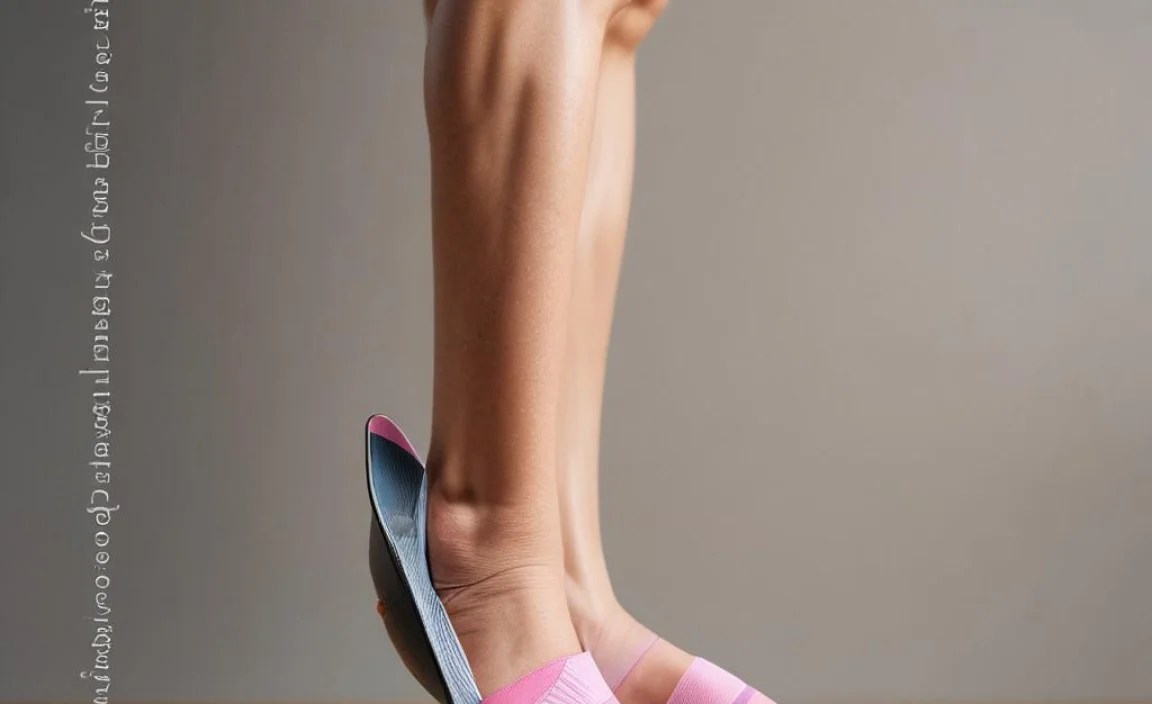
Spin shoes are designed for power and a secure connection to the pedals. This often means they have a firm sole to maximize energy transfer. While this is great for performance, it can leave little room for natural foot mechanics. The rigid structure of a spin shoe, combined with repetitive motion and the pressure from clipless pedals, can put a lot of stress on your feet. Without the right support, your arches might collapse, your heel could slip, or your toes might feel cramped. All of these can quickly turn a fun spin class into an uncomfortable ordeal.
Think of it like this: your spin shoes are a highly specialized tool. Just like a pro athlete might use custom gear, your feet can benefit from a little extra tuning. Insoles act as that tuning, offering personalized support and cushioning that standard shoe inserts can’t provide. They’re not just about making your feet feel softer; they’re about improving your foot’s alignment and function within the shoe, leading to a more stable and comfortable ride.
The Magic of Insoles: What They Do

Insoles, sometimes called orthotics or inserts, are designed to go inside your shoes to provide extra support and comfort. For spin class, their benefits are amplified. Here’s a breakdown of what good insoles can do for your cycling shoes:
- Arch Support: They help maintain the natural arch of your foot, preventing it from flattening out under pressure. This can reduce strain on your arches and the surrounding muscles.
- Cushioning: Insoles add an extra layer of shock absorption, which is crucial given the repetitive pounding and vibrations involved in cycling. This can help prevent foot fatigue and discomfort.
- Heel Stability: Many insoles have a contoured heel cup that cradles your heel, preventing it from moving around inside the shoe. This improves stability and can reduce the risk of blisters.
- Forefoot Comfort: Some insoles offer specific cushioning or metatarsal support in the forefoot, which can alleviate pressure points and numbness, especially during longer rides or intense efforts.
- Alignment: By supporting your arches and stabilizing your heel, insoles help promote better foot alignment. This can lead to improved overall biomechanics, potentially benefiting your knees and hips as well.
When you’re clipping in and out of pedals hundreds of times during a class, any slight misalignment or lack of support can become a major source of discomfort. Insoles help to keep your foot in a more neutral and supported position, allowing you to focus on your cadence and workout, not on aching feet.
Choosing the Right Insoles for Spin Class

Not all insoles are created equal, and what works for running might not be ideal for spin. Spin shoes are generally stiffer and more structured than running shoes. You’ll want insoles that offer support without being too bulky, as space inside cycling shoes is often limited. Here’s what to look for:
Types of Insoles
Insoles can be broadly categorized by their level of support and cushioning:
- Soft/Cushioning Insoles: These offer maximum shock absorption and are great for general comfort. They might be a good starting point if your primary issue is impact or a general feeling of hardness.
- Supportive Insoles: These have more rigid structures, often with built-in arch support. They are designed to correct minor biomechanical issues and provide a stable platform.
- Performance Insoles (often with some rigidity): These are designed for athletes. They often blend support and cushioning with a focus on energy transfer and stability. For spin, a moderately rigid, supportive insole often hits the sweet spot.
Key Features to Consider
When shopping for insoles specifically for your spin shoes, keep these features in mind:
- Arch Height: Your foot’s arch is unique. Insoles come in low, medium, and high arch support options. It’s crucial to match the insole to your arch type to provide effective support without causing new problems.
- Heel Cup Depth: A well-defined heel cup helps keep your foot stable within the shoe, preventing slippage and improving overall control.
- Material: Look for breathable materials that can wick away moisture to keep your feet dry and comfortable. Some insoles also feature anti-microbial treatments to reduce odor.
- Thickness/Profile: Spin shoes have limited vertical space. You’ll want insoles that offer excellent support and cushioning without being so thick that they make your shoes too tight or interfere with the fit. A lower-profile design is often best for cycling footwear.
- Flexibility vs. Rigidity: While some cushioning is good, excessive flexibility might not offer enough support for the repetitive motion of cycling. A balance of support and slight flex is often ideal.
Many reputable cycling brands and insole manufacturers, like Superfeet, offer excellent options tailored for athletic footwear. Exploring their ranges can give you a good idea of what’s available.
Step-by-Step: Adding Insoles to Your Spin Shoes

Putting insoles into your spin shoes is usually a straightforward process. Follow these simple steps for a perfect fit:
- Remove the Original Insole: Most spin shoes have a thin, factory-issued insole. Carefully slide your hand into the shoe and try to lift it out. You might need to gently pry it up if it’s slightly glued.
- Clean the Interior: Once the original insole is out, take a moment to wipe down the inside of the shoe. This removes any dust or debris, ensuring the new insole sits flat and securely.
- Position the New Insole: Place the new insole inside the shoe. Make sure it’s oriented correctly – the heel of the insole should align with the heel of the shoe.
- Check the Fit: Gently press down on the insole to ensure it lies flat and conforms to the shoe’s interior. It should fit snugly without bunching or overlapping the edges.
- Try with Your Sock: Put on your cycling sock and then try on the shoe with the new insole. Assess the comfort and fit. Your foot should feel more supported, and there shouldn’t be any new pressure points or excessive tightness.
- Walk Around (Optional but Recommended): If possible, walk around a bit in the shoes before your next spin class. This helps your feet adjust to the new support and allows you to identify any immediate issues.
If an insole feels a little too long, some brands offer trim-to-fit options. In such cases, you’d trace the original insole onto the new one and trim any excess with sharp scissors before inserting. Always check the manufacturer’s instructions for specific guidance.
Common Foot Issues and Insole Solutions for Spinners
Here’s how different foot concerns can be addressed with the right insoles for your spin ride:
Plantar Fasciitis
Characterized by sharp heel pain, especially in the morning or after periods of rest. This condition involves inflammation of the plantar fascia, a band of tissue running across the bottom of your foot. Insoles with excellent arch support and a well-cushioned heel can help reduce strain on the plantar fascia and provide relief.
Metatarsalgia
Pain in the ball of your foot, often described as a burning or sharp sensation. This can be caused by excessive pressure on the metatarsal bones. Insoles with metatarsal pads or a forefoot cushion can redistribute pressure and alleviate discomfort.
Arch Pain (High or Low Arches)
High Arches: Feet with high arches don’t effectively absorb shock. Insoles with ample cushioning and moderate arch support can help improve shock absorption and provide a more comfortable stride.
- Low Arches/Flat Feet: When arches collapse, it can lead to overpronation and pain. Supportive insoles with firm arch support are essential to help maintain proper foot alignment and reduce strain.
Numbness or Tingling
This can occur when nerves in the foot are compressed. Often, this is due to a lack of support causing the foot to flatten and spread, or pressure points from stiff shoes. Insoles that provide better overall foot support and redistribute pressure can often resolve this issue. A properly contoured insole can also prevent the foot from sliding forward, which is a common cause of toe numbness.
Insoles vs. Shoe Modifications: What’s Best?
While insoles are a fantastic, accessible solution, sometimes more specialized modifications might be considered. However, for the vast majority of spin class enthusiasts, insoles are the go-to solution for several reasons:
Pros of Insoles
- Cost-Effective: Insoles are significantly cheaper than custom orthotics or specialized shoe modifications.
- Versatility: You can easily swap insoles between different pairs of shoes (though dedicated spin insoles are recommended for dedicated spin shoes).
- No Shoe Alteration: You don’t need to permanently alter your expensive spin shoes.
- Immediate Relief: Most users feel a difference in comfort soon after inserting good quality insoles.
- Wide Availability: There’s a vast range of off-the-shelf insoles to choose from.
Cons of Insoles
- Potential for Poor Fit: If you choose the wrong type or size, they might not be effective or could even cause discomfort.
- Limited for Severe Issues: For very complex biomechanical problems, custom orthotics prescribed by a podiatrist might be necessary.
When to Consider Shoe Modifications or Professional Help
If you try several types of insoles and still experience significant pain, or if you have a diagnosed foot condition like severe bunions, hammertoes, or structural deformities, it’s wise to consult a medical professional, such as a podiatrist or a sports medicine specialist. They can assess your specific needs and recommend custom orthotic solutions or advise on whether your spin shoes themselves are the primary issue. Sometimes, a shoe with a wider toe box or a different cleat position might be part of the solution, but insoles are almost always beneficial.
It’s also worth noting that some high-end cycling shoes come with advanced footbeds that offer a good balance of support and comfort. However, even these can often be improved with aftermarket insoles tailored to individual foot types. A great resource for understanding foot mechanics and biomechanics in sports is often found through university sports science departments, such as those at The University of Texas at Arlington’s Foot and Ankle Research Lab, which highlights the importance of foot health in athletic performance.
Insoles in Action: Real-World Benefits for Spin Classes
Let’s look at how insoles practically improve your spin class experience:
Enhanced Comfort During Long Rides
Even if your typical spin class is only 45-60 minutes, comfort is key. Insoles cushion your feet against the hard sole of the shoe and the vibrations from the bike. This reduced fatigue means you can push harder, maintain better form, and enjoy the ride more. For longer outdoor rides or endurance classes, this comfort becomes even more critical, preventing painful hot spots and numbness.
Improved Power Transfer and Stability
When your foot is well-supported and stable within the shoe, your energy is transferred more efficiently to the pedals. Insoles help create a more solid platform, minimizing energy loss due to foot collapse or excessive movement. This means every watt you generate is put to better use, potentially improving your performance on the bike. A stable foot also leads to better overall control while cycling.
Injury Prevention
Many common cycling complaints, like knee pain or shin splints, can sometimes be linked to poor foot biomechanics or inadequate support. By correcting minor alignment issues and reducing stress on your feet and lower legs, insoles can play a role in preventing these overuse injuries. Taking proactive steps to care for your feet can save you from discomfort and time off the bike.
Adapting to Cycling Shoes
Cycling shoes, especially spin shoes, have a very different feel from everyday shoes. Their stiffness is great for power, but they offer little natural cushioning or arch support. Insoles bridge this gap, making the transition to cycling shoes much smoother and more comfortable for your feet, especially if you’re accustomed to softer footwear.
Popular Insole Brands and Types for Cyclists
Several brands have made a name for themselves by offering excellent insoles that cater to cyclists and athletes. Here are a few types you might encounter:
The “Supportive Everyday” Insole
Brands like Superfeet (mentioned earlier) offer a range of insoles with varying degrees of support and cushioning. Their Green, Blue, and Orange models are popular choices, with the Green and Blue offering good all-around support and cushioning suitable for many spin enthusiasts. They often have a structured heel cup and good arch support.
Performance-Oriented Cycling Insoles
Some companies specialize in cycling-specific insoles. These often have a lower profile to fit better in tight cycling shoes and may feature targeted support for the forefoot and heel. Brands like G8 Performance Insoles or specialized cycling brands might offer models with adjustable support or unique biomechanical features. These are excellent if you’re seeking a very precise fit and targeted performance benefits.
| Insole Type | Ideal For | Key Features | Example Brands/Models |
|---|---|---|---|
| General Support & Cushioning | Beginners, general comfort, moderate foot pain | Balanced arch support, good heel cup, moderate thickness | Superfeet Green/Blue, Powerstep Pinnacle |
| High Arch Support | Individuals with naturally high arches | Molded for high arches, excellent cushioning, shock absorption | Superfeet Berry, Sole Softec Response |
| Flat Foot / Low Arch Support | Individuals with flat feet or overpronation | Rigid orthotic support, deep heel cup, firm arch contour | Superfeet Black, Powerstep Control |
| Performance/Cycling Specific | Serious cyclists, performance-focused riders | Low profile, targeted support (forefoot/heel), advanced materials | G8 Performance 2620, ESI Grips (often sole-based, but represents cycling focus) |
You can often find these at local bike shops, specialty running or cycling stores, or online retailers. Looking at customer reviews for specific models can give you great insight into their suitability for spin cycling.
Frequently Asked Questions about Insoles for Spin Class Shoes
Do I really need special insoles for spin class shoes?
While not strictly mandatory, many people find them essential for comfort, especially during longer rides or if they experience foot pain. They can significantly enhance your experience by providing better support and cushioning than standard insoles.
What’s the difference between insoles and orthotics?
Insoles are typically over-the-counter inserts designed to add comfort and support. Orthotics are custom-made devices prescribed by a podiatrist to correct specific biomechanical issues. For most spin class participants, high-quality insoles are sufficient.
How do I know if I have high or low arches?
A simple test is the “wet foot test.” Wet the bottom of your feet and step onto a piece of cardboard or paper. If you see only the heel and the ball of your foot with a thin line connecting them (or no connection), you likely have high arches. If you see almost your entire foot, you have low arches or flat feet. A full imprint suggests a normal arch.
Can insoles make my shoes too tight?
It’s a possibility. Spin shoes are often a snug fit. If you add a thick insole to an already tight shoe, it can cause discomfort. It’s best to look for lower-profile, performance-oriented insoles for spin shoes or consider if your shoes are already a touch too small.
How often should I replace my insoles?
For active use, like in spin classes, insoles usually last anywhere from 6 months to a year. You’ll know it’s time to replace them when the cushioning feels compressed.
