Insoles and shoe volume explained is a topic that often gets overlooked, yet it’s fundamental to achieving true comfort and optimal foot health.
Many of us consider the length and width of a shoe when purchasing, but the often-mysterious “volume” plays an equally crucial role. Think of it as the height or depth of the shoe’s interior. If your footwear is too shallow, it can pinch, rub, and cause discomfort. Conversely, if it’s too deep, your foot might slide around, leading to instability. Understanding this interplay between insoles and shoe volume is your passport to happy feet.
Why Shoe Volume Matters
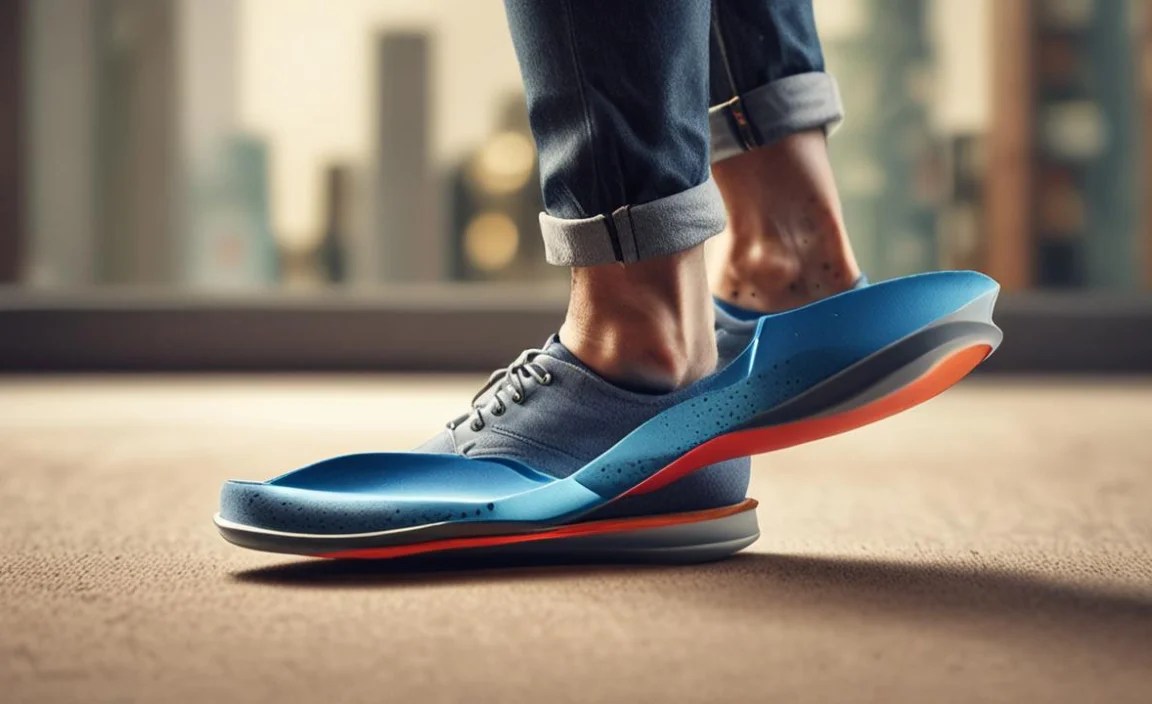
Imagine trying to cram a large, fluffy pillow into a shoebox. It won’t fit comfortably, and you’ll likely have to force it, distorting the pillow’s shape. Your foot, with its unique contours and any existing cushioning or arch support devices, functions similarly within your shoes.
Shoe volume refers to the total internal space available within a shoe. This space is influenced by several factors:
Toe Box Depth: The height from the insole to the top of the toe box. This is particularly important for individuals with bunions, hammertoes, or those who simply prefer more room for their toes to wiggle.
Instep Height: The vertical space over the arch and the top of the foot. A high instep can feel constricted in shallow shoes, leading to pressure points and pain.
Heel Cup Depth: The snugness of the heel counter. Too shallow, and your heel might slip out; too deep, and it might rub.
When a shoe’s volume doesn’t match your foot’s needs, problems arise. A shoe with insufficient volume can lead to:
Soreness and Blisters: Constant pressure on the top of your foot or toes can cause irritation and blisters.
Reduced Circulation: Tightness can restrict blood flow, leading to numbness or a cold sensation in your feet.
Pain: Discomfort can radiate to the arch, ankle, and even up to your shins.
Aggravated Foot Conditions: Conditions like plantar fasciitis, bunions, and neuromas can be exacerbated by ill-fitting shoe volume.
The Role of Insoles in Shoe Volume

This is where insoles come into play. Insoles, also known as orthotics or inserts, are designed to add support, cushioning, or correction to the inside of your shoe. They essentially occupy some of the existing shoe volume.
Insoles and shoe volume explained reveals a dynamic relationship.
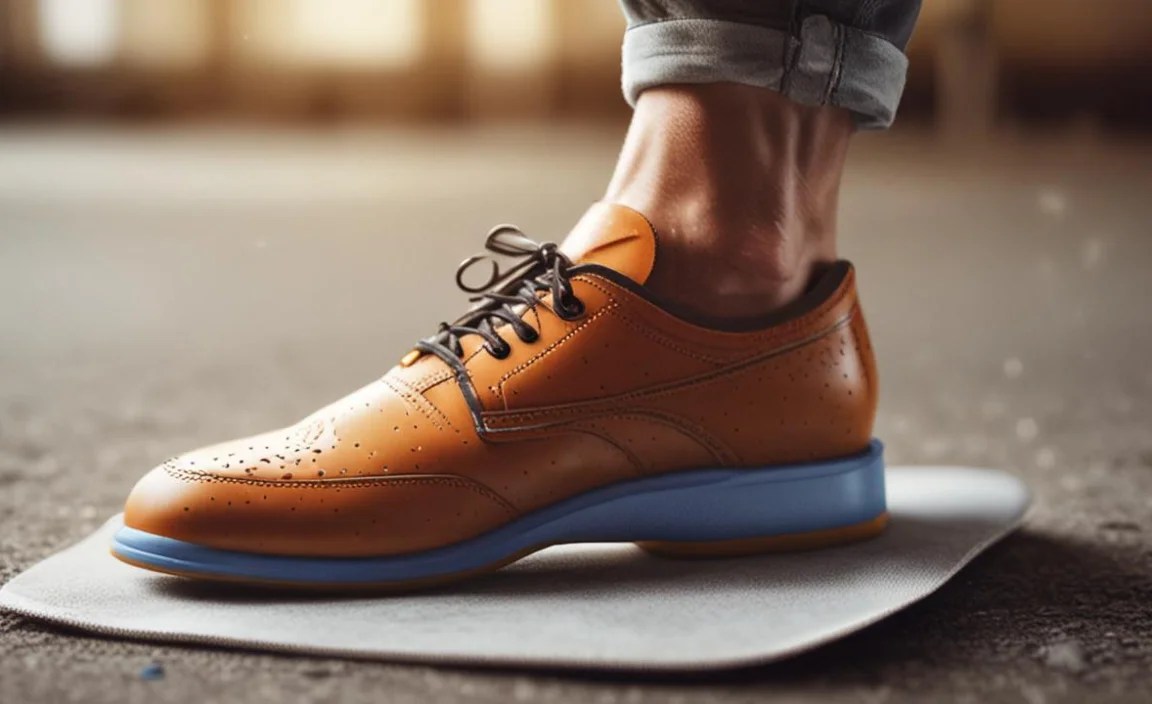
Adding Volume: When you insert a thicker, more supportive insole into a shoe with ample volume, you might find the fit becomes perfect. The insole fills some of the excess space, creating a more secure and comfortable feel. This is often the case for people who need extra arch support or cushioning.
Reducing Volume: Conversely, if you have a shoe that feels a bit too large or has too much internal space, a thinner insole can help snug it up. This can improve stability and prevent your foot from sliding, especially in shoes with a deeper toe box or instep.
Modifying Volume: For individuals with very specific foot needs, custom orthotics can be designed to both support the foot biomechanically and occupy a precise amount of shoe volume, effectively customizing the shoe’s internal space.
Choosing the Right Shoe for Your Volume Needs

When shopping for shoes, pay attention to how your foot feels from top to bottom, not just front to back.
Try shoes on later in the day: Your feet naturally swell throughout the day. Trying on shoes in the afternoon or evening will give you a more accurate sense of fit.
Wear your usual socks: The thickness of your socks can significantly impact how a shoe fits and how much volume it feels like it has.
Assess the toe box: Can you wiggle your toes freely? Is there a centimeter or so of space between your longest toe and the front of the shoe?
Feel the instep: Does the top of the shoe press uncomfortably on your arch? If so, you might need a shoe with more instep volume.
Consider different brands and styles: Shoe manufacturers have different lasts (the mold a shoe is built around), resulting in varying volumes across brands and even within different models of the same brand. Running shoes, for example, often have more volume than dressier flats.
The Impact of Insoles on Shoe Volume

When considering insoles, ask yourself:
What am I trying to achieve with this insole? Are you looking for more cushioning, arch support, stability, or a combination?
How thick is the insole? A thick, cushioned insole will take up more volume than a thin, supportive one.
Will this insole fit comfortably in my current shoes? If an insole is too thick, it might make shoes that were previously a good fit feel too tight.
Do I need to remove the original insole? Many factory-inserted insoles are thin and easily removable. Removing them can create more space for a thicker aftermarket insole.
Insoles and shoe volume explained highlights that the goal is a harmonious balance. You want a shoe that accommodates your foot’s natural shape and any enhancements (like insoles) without creating pressure points or excessive looseness.
When to Seek Professional Help
If you consistently struggle with shoe fit, experience recurring foot pain, or have a diagnosed foot condition, it’s wise to consult a podiatrist or a certified pedorthist. They can:
Analyze your gait and foot structure: Understanding your biomechanics is crucial.
Recommend appropriate footwear: They can guide you towards shoe brands and styles known for accommodating specific volume needs.
Prescribe or design custom orthotics: This is often the best solution for complex foot issues, ensuring both therapeutic benefits and a perfect fit within your chosen footwear.
Advise on insole selection: They can help you choose over-the-counter insoles that are suited to your needs and won’t negatively impact your shoe volume.
By understanding the nuances of insoles and shoe volume explained, you empower yourself to make informed footwear choices. It’s not just about aesthetics; it’s about investing in your comfort, health, and mobility for years to come. Take the time to explore how the internal space of your shoes interacts with your feet and any supportive devices you use – your feet will thank you for it.

