Quick Summary: Insoles can offer significant relief for kids with Severs disease by providing essential cushioning and support to the heel. Choosing the right insoles helps reduce impact, alleviate pain, and allow young athletes to stay active comfortably. Proper fit and material are key to effective pain management.
Insoles For Severs Disease Kids: Essential Relief

Is your child sidelined by heel pain after activity? Does a limp appear after sports or even a long day at school? If so, they might be dealing with Severs disease. It’s a common cause of heel pain in active kids, and the good news is that relief is often within reach. You don’t need complicated treatments to help your child get back to playing without that nagging ache. This guide will walk you through why insoles are a game-changer for Severs disease and how to pick the best ones.
We’ll explore what Severs disease is, how it affects your child’s feet, and most importantly, how the right insoles can make a world of difference. Get ready to learn how simple insoles can bring essential comfort and relief, so your child can enjoy their favorite activities again.
Understanding Severs Disease
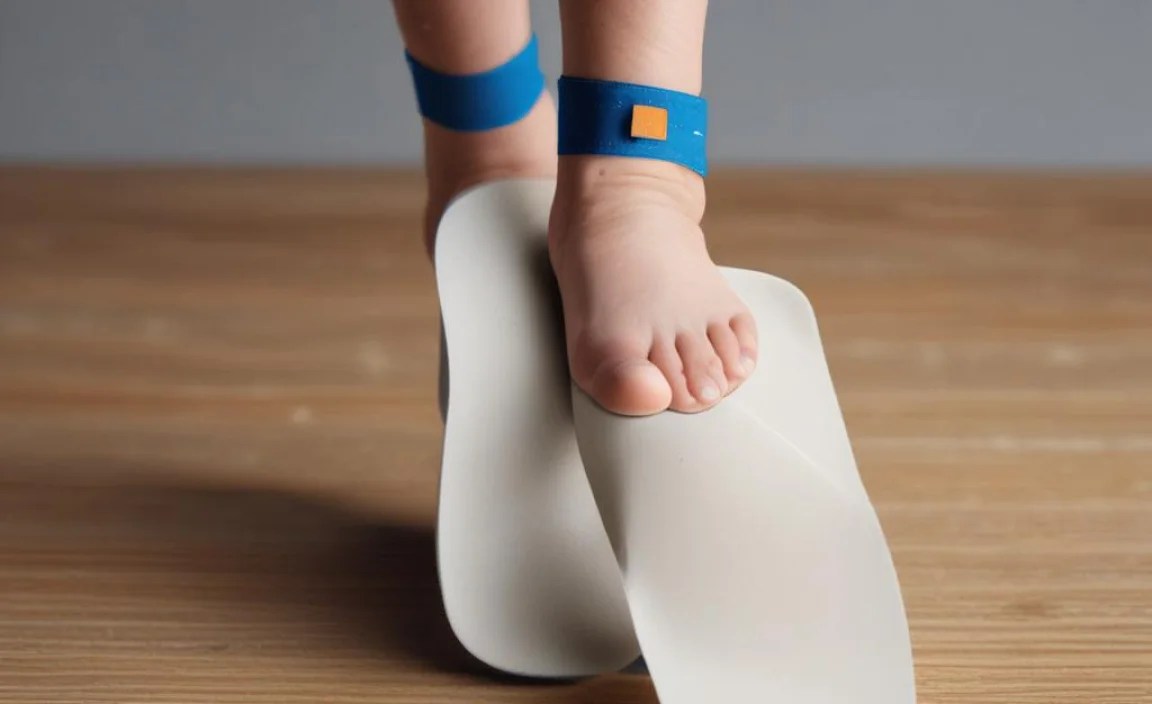
Before we dive into insoles, let’s quickly understand what Severs disease is. Also known as calcaneal apophysitis, it’s an inflammation of the growth plate in the heel bone. This happens in active children and adolescents, typically between the ages of 8 and 14, when their bones are still growing. The Achilles tendon, which connects the calf muscles to the heel bone, can become tight. When kids are active, this tendon pulls on the growth plate, causing pain and inflammation.
Think of it like this: the heel bone is still growing, and the Achilles tendon is attaching to a spot that’s not quite hardened yet. When this area is repeatedly stressed by running, jumping, or even sudden stops, it gets sore. Common activities that can trigger pain include:
- Running and jumping sports like soccer, basketball, and track.
- Gymnastics and dance.
- Any sport that involves a lot of impact on the feet.
The pain is usually felt right where the Achilles tendon attaches to the heel bone. It can feel like a deep ache or a sharp pain, especially when the child is standing on their tiptoes, walking, or during physical activity. Sometimes, the pain is worse right after a game or practice, and it can even wake them up at night. It’s important to note that Severs disease is not a condition that permanently damages the heel bone; it’s a temporary condition related to growth and activity.
Why Insoles Are a Key Solution
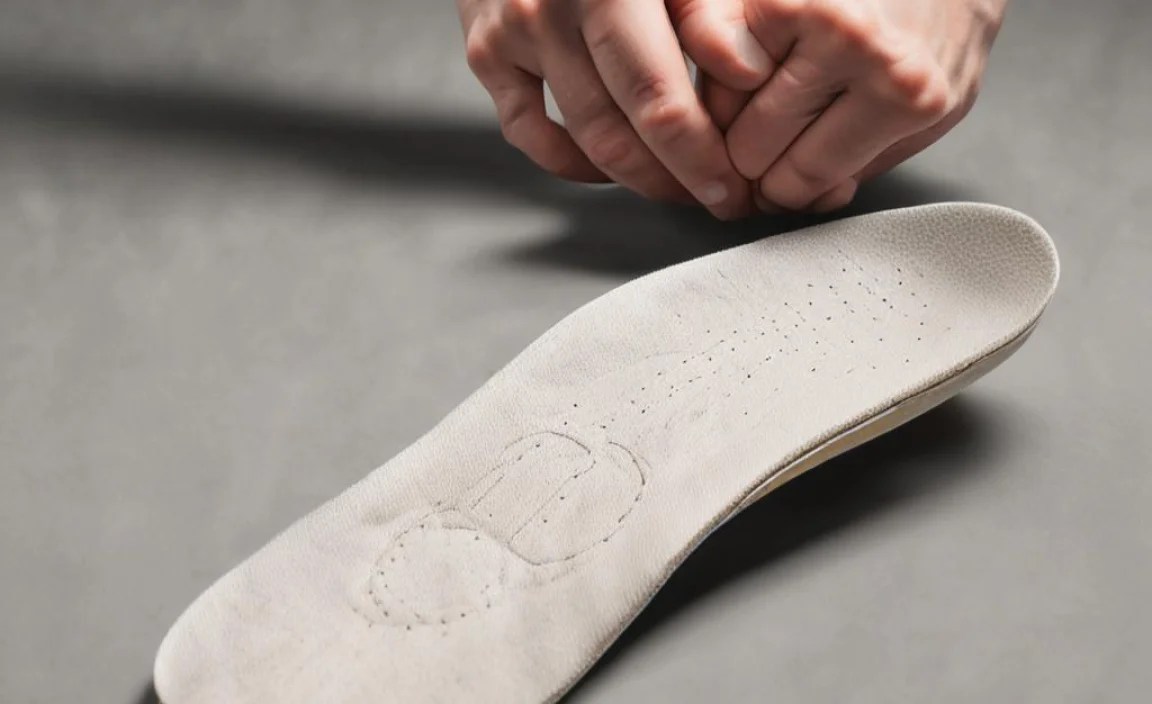
Insoles, also known as orthotics or inserts, are designed to be placed inside your child’s shoes. For Severs disease, they offer a dual benefit: cushioning and support. By adding an extra layer of padding, insoles absorb some of the shock that would otherwise be absorbed by the heel bone. This directly reduces the impact that irritates the inflamed growth plate.
Furthermore, good insoles can help realign the foot and ankle. A common issue with Severs disease is related to how the foot strikes the ground and the tension in the Achilles tendon. Insoles can provide gentle correction, improving gait and reducing the strain on the heel. Some insoles have a built-in heel cup or arch support that can help distribute pressure more evenly across the foot, taking some of the load off the sore spot.
Think of it as giving the irritated heel special protection. When the foot is properly supported and cushioned, the repetitive stress that causes pain is minimized. This allows the inflammation to calm down, giving the growth plate a chance to heal. It’s a non-invasive way to manage pain and allow kids to continue participating in sports and daily activities with less discomfort.
Choosing the Right Insoles for Severs Disease

Not all insoles are created equal, and using the wrong ones might not help and could even make things worse. For Severs disease, here’s what to look for:
Key Features to Consider:
- Cushioning: This is paramount. Look for insoles with good shock-absorbing materials like EVA foam, gel, or specialized cushioning compounds. The goal is to soften the impact on the heel.
- Heel Support: A deep heel cup can help cradle the heel, providing stability and reducing side-to-side motion that can aggravate the growth plate.
- Arch Support: While not always the primary focus for Severs, some mild to moderate arch support can help with overall foot mechanics and reduce strain on the Achilles tendon. Avoid overly rigid or high arches that might press uncomfortably on the heel.
- Material: Breathable materials are a plus, especially for active kids. Look for fabrics that can wick away moisture to keep feet dry and comfortable.
- Flexibility: The insole should be flexible enough to move with the foot but firm enough to offer support. An insole that is too stiff might cause discomfort or alter the natural biomechanics in an unhelpful way.
- Fit: This is crucial. The insole should fit snugly inside the shoe without causing pressure points or making the shoe too tight.
Types of Insoles to Explore:
When you start looking for insoles, you’ll find a few main categories that are suitable for Severs disease.
| Insole Type | Pros for Severs Disease | Cons for Severs Disease | Best For |
|---|---|---|---|
| Cushioning Insoles | Excellent shock absorption, immediate comfort, reduces impact. | May offer less structural support for severe cases, can be less durable if very soft. | Mild to moderate pain, long periods of standing, general comfort. |
| Heel Cups/Pads | Specifically targets and cushions the heel, provides excellent shock absorption and stability at the heel. | May not address overall foot alignment, can sometimes shift inside the shoe if not secured well. | Direct pain relief at the heel, children who land hard on their heels when running. |
| Supportive Insoles with Moderate Arch Support | Provides a balance of cushioning and support, can help improve foot alignment and reduce Achilles tension. | Needs to be the right type of arch support; too high or rigid can be uncomfortable. Ensure it’s not overly firm at the heel. | Children with mild pronation issues, those who benefit from gentle foot biomechanical correction. |
| Gel Insoles | Very good at absorbing shock, can provide a “floating” sensation, often easily transferable between shoes. | Can sometimes feel “slippery” to some users, may lack firm structural support of other types. | Children who need maximum shock absorption, especially for high-impact activities. |
It’s often recommended to start with a well-cushioned insole with good heel support. If your child’s pain is persistent or accompanied by other foot issues (like flat feet or overpronation), consulting a podiatrist or healthcare professional can help pinpoint the exact need for specific arch support or corrective features.
How to Use Insoles Effectively for Severs Disease

Simply buying a good pair of insoles isn’t the whole story. Using them correctly is key to unlocking their benefits for your child.
Step-by-Step Usage Guide:
- Remove Existing Insoles: If your child’s shoes have removable insoles, take them out. This creates space for the new insoles and ensures a proper fit. If the shoes only have built-in footbeds, you’ll likely place the new insoles directly on top.
- Trim to Fit (If Necessary): Many insoles come in standard sizes and can be trimmed to fit your child’s shoe perfectly. Usually, you’ll place the existing shoe insole or the child’s foot on top of the new insole and mark the correct length. Use sharp scissors for a clean cut. Ensure there are no bumps or folds after trimming.
- Insert the Insoles: Place the trimmed insoles into your child’s shoes. Make sure they lie flat and are positioned correctly – the heel of the insole should align with the heel of the shoe.
- Check the Fit in the Shoe: Have your child try the shoes on with the new insoles. The shoes shouldn’t feel too tight or cause any pressure points. Their toes should have enough room to wiggle comfortably. If the shoe feels too snug, you might need to consider shoes that are a size larger or have a wider fit.
- Gradual Introduction: For the first few days, have your child wear the shoes with insoles for shorter periods. This allows their feet to gradually adjust to the new support and cushioning. For example, wear them for an hour or two at home before a full day at school or sports.
- Monitor for Comfort: Pay attention to your child’s feedback. Are they reporting less pain? Are they more comfortable? If they experience new discomfort or increased pain, you may need to adjust the insole (e.g., check the fit, trim it differently) or consult their doctor.
- Regular Wear: Once adjusted, encourage your child to wear the insoles consistently during activities that tend to aggravate their heel pain. This includes sports, P.E. class, and even long walks or standing periods. Consistency is key for pain management and to allow the heel to heal.
Important Considerations:
- Shoe Choice Matters: Insoles work best in supportive shoes. Avoid flip-flops, flimsy sandals, or worn-out shoes, as these offer little to no support of their own and don’t hold insoles well. Athletic shoes, sturdy walking shoes, and supportive casual shoes are ideal.
- Hydration and Rest: While insoles are fantastic tools, they work best as part of a comprehensive approach. Ensure your child stays hydrated, gets enough rest, and incorporates gentle stretching exercises for their calf muscles and Achilles tendon, as recommended by a healthcare professional. Often, medical professionals recommend specific stretches. You can find resources on proper calf stretches from reputable sources like the American Academy of Orthopaedic Surgeons.
- When to See a Doctor: If the pain is severe, doesn’t improve with conservative measures like insoles and rest, or if your child develops a fever or redness around the heel, it’s important to consult a pediatrician or podiatrist. They can confirm the diagnosis and recommend further treatment.
Top Insoles for Kids with Severs Disease
Navigating the world of insoles can be overwhelming. Here are a few types and features that commonly receive high marks for addressing the needs of children with Severs disease. The specific brand isn’t as important as the features these insoles offer. Look for insoles that prioritize:
- Excellent cushioning in the heel area.
- Contoured support that gently cradles the heel.
- Durable, shock-absorbing materials like high-density EVA foam or medical-grade gel.
- A design that can help reduce tension on the Achilles tendon.
When you’re shopping (online or in-store), look for descriptions that highlight “shock absorption,” “heel pain relief,” “cushioning,” and “support for active kids.” Many brands offer specific “performance” or “athletic” insoles that often have these characteristics. Generic store-brand insoles can also be effective if they possess the right combination of cushioning and support.
Example Insole Features to Look For:
| Feature Category | What to Look For | Why it Helps Severs Disease |
|---|---|---|
| Material | High-density EVA foam, medical-grade gel inserts, polyurethane foam. | Provides superior cushioning and shock absorption, reducing impact on the inflamed heel growth plate. |
| Heel Design | Deep heel cup, reinforced heel cushioning, “cupped” heel shape. | Stabilizes the heel, prevents excessive movement, and absorbs direct impact forces more effectively. |
| Arch Support | Moderate, flexible arch support; some offer adjustable or minimal arch support. | Helps improve foot alignment and biomechanics, which can indirectly reduce strain on the Achilles tendon. Overly rigid or high arch support can sometimes increase pressure on the heel. |
| Durability | Look for reviews indicating good longevity, especially for active children using them daily. | Ensures the cushioning and support features remain effective over time, providing consistent relief. |
| Comfort & Breathability | Soft top covers, breathable materials. | Keeps feet comfortable, reduces moisture, and prevents irritation, making them easier for kids to wear consistently. |
Some brands specialize in pediatric orthotics, which can be a good starting point. However, many high-quality adult athletic insoles can also work well for children if they are the correct size and offer the necessary features. Always check the sizing charts carefully and consider the width of your child’s current shoes to ensure a good fit.
Beyond Insoles: A Holistic Approach to Severs Relief
While insoles are incredibly effective, they are often part of a broader strategy for managing Severs disease. Here are other important elements that contribute to a child’s recovery and comfort:
Stretching is Crucial
Tight calf muscles are a major contributor to Severs disease. Regular stretching can help lengthen these muscles and reduce the pull on the heel bone. Simple stretches, performed gently and consistently, can make a big difference.
Recommended Stretches:
- Calf Stretch (Gastroc): Stand facing a wall, place hands on the wall for support. Step one foot back, keeping that leg straight and the heel on the ground. Lean forward from the hips until a stretch is felt in the calf of the back leg. Hold for 20-30 seconds, repeat 2-3 times on each leg.
- Calf Stretch (Soleus): From the same position, slightly bend the back leg’s knee while keeping the heel on the ground. You should feel the stretch lower down in the calf. Hold and repeat.
- Achilles Tendon Stretch: Sit with legs extended. Loop a towel around the ball of one foot and gently pull back towards your body, keeping the knee straight. Hold for 20-30 seconds.
It’s best to perform these stretches after activity or when the muscles are warm, and always under the guidance of a healthcare provider to ensure proper form and avoid injury.
Activity Modification
Complete rest is rarely necessary or advisable for Severs disease, as it can lead to deconditioning. However, reducing the intensity and duration of high-impact activities is usually very helpful. Encourage low-impact alternatives like swimming, cycling, or using an elliptical trainer. When returning to sports, gradually increase activity levels to allow the heel to adapt.
Footwear Recommendations
Beyond insoles, the shoes themselves play a vital role. Ensure your child wears:
- Supportive Athletic Shoes: Shoes with good cushioning, a firm sole, and a stable heel counter are essential.
- Proper Fit: Shoes should not be too tight or too loose. Ensure there’s adequate toe room.
- Avoid Flat/Minimalist Shoes: For daily wear, steer clear of shoes with very little cushioning or support, like casual flip-flops or fashion sneakers, which can exacerbate heel pain.
Ice Therapy
Applying ice to the heel can help reduce inflammation and pain, especially after activity. Wrap an ice pack or a bag of frozen peas in a thin towel and apply to the sore area for 15-20 minutes at a time, several times a day. This is a simple home remedy that can provide significant comfort.
When to Seek Professional Help
While insoles and home care are usually sufficient, persistent or severe pain warrants a visit to a healthcare professional. A pediatrician, family doctor, or podiatrist can:
- Confirm the diagnosis of Severs disease.
- Rule out other potential causes of heel pain.
- Provide personalized recommendations for insoles and stretches.
- Prescribe physical therapy or other treatments if needed.
Early intervention and a combined approach can significantly speed up recovery and minimize the impact of Severs disease on your child’s active lifestyle.
