Discover simple, effective insoles designed for sesamoiditis relief. This guide explains how the right insoles can reduce pain, improve comfort, and help you walk pain-free again by properly supporting the bones in your big toe joint. Find out what to look for and how to choose the best support for your feet today.
Hello foot friends! Millard Mar here from SoleForShoes, ready to talk about something that can really put a damper on your day: pain under the ball of your foot, specifically around your big toe. This is often a sign of sesamoiditis, a common issue that affects many of us. But don’t fret! The good news is that the right support can make a world of difference. We’re going to walk through the ABCs of insoles for sesamoiditis, making it super simple to understand what you need for happier, healthier feet. Let’s get your feet feeling great again!
Understanding Sesamoiditis: What It Is and Why It Hurts

Sesamoiditis is an inflammation of the sesamoid bones, which are two tiny bones located within the tendons beneath the ball of your foot, right under your big toe joint. Think of them as little kneecaps for your big toe, helping it move smoothly. When these bones or the surrounding tendons get irritated or inflamed, it leads to that specific, often sharp, pain you feel when you bend or press on your big toe. This can happen from overuse, sudden increases in activity, or even wearing shoes that don’t offer enough cushioning and support.
The pain can make simple things like walking, standing, or even just resting your foot feel uncomfortable. It’s like having a tiny pebble stuck in your shoe, but it’s actually inside your foot! This condition can be frustrating because it directly impacts how you move, but understanding it is the first step to finding relief. And that’s where the right insoles come in.
The Role of Insoles in Managing Sesamoiditis

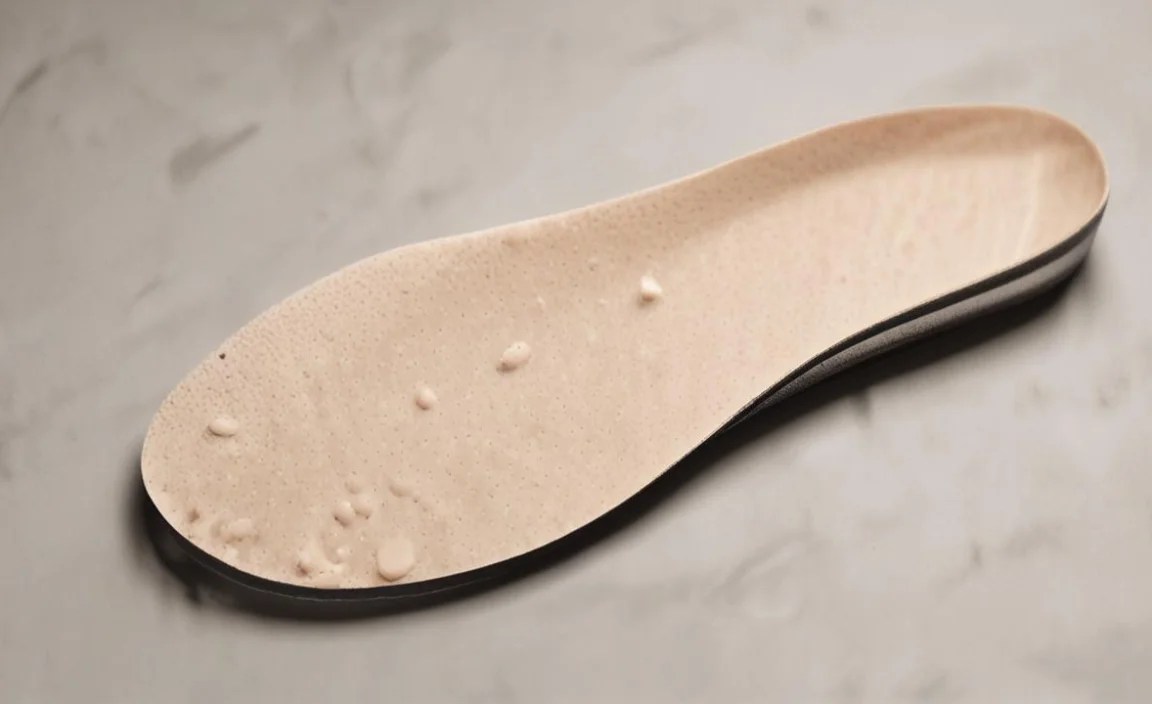
Insoles, also known as orthotics or arch supports, can be incredibly helpful for sesamoiditis pain. Their primary job is to help redistribute pressure away from the painful sesamoid bones. Imagine a regular shoe sole is flat. When you step, all the force under the ball of your foot is concentrated right where those tiny sesamoid bones are. Insoles can change that by:
- Cushioning the Impact: They provide a soft layer that absorbs some of the shock when you walk or run, reducing the direct pressure on your sesamoids.
- Supporting the Arch: A well-supported arch helps to improve your foot’s biomechanics. This means your foot naturally aligns better, shifting weight distribution and taking some of the load off the ball of your foot.
- Reducing Pressure Points: Some insoles have specific cutouts or materials designed to create a ‘well’ under the ball of the foot, preventing direct pressure on the painful area.
- Stabilizing the Foot: By providing a stable base, insoles can help prevent excessive movement that might aggravate the sesamoiditis.
It’s important to remember that insoles are a tool for management and relief, not necessarily a cure. They work best as part of a broader approach that might include rest, stretching, and proper footwear choices.
Choosing the Right Insoles: Key Features for Sesamoiditis

When shopping for insoles specifically for sesamoiditis, focus on features that address the root cause of the pain: pressure and lack of support. Here’s what to look for:
1. Cushioning and Shock Absorption
This is paramount. The more cushioning an insole offers, the better it can absorb impact. Look for materials like:
- EVA (Ethylene-vinyl acetate): A common, lightweight, and shock-absorbent foam. Many good quality insoles use this.
- Gel: Often found in heel cups or targeted areas, gel provides excellent shock absorption and can feel very comfortable.
- Poron or Urethane Foams: These advanced materials offer superior cushioning and durability, dispersing impact forces effectively.
2. Firm Arch Support
While too much pressure can be bad, inadequate arch support can also worsen sesamoiditis by causing the foot to collapse and overload the forefoot. You’ll want an insole with a noticeable but not overly aggressive arch. The support should cradle your arch naturally, preventing it from flattening excessively during your stride. Consider an insole with a medium to firm arch contour.
3. Metatarsal Pads (Optional but Helpful)
Some insoles come with a built-in metatarsal pad, or you can find ones where you can add a separate pad. This is a slightly raised area located just behind the ball of your foot. A metatarsal pad helps to spread the metatarsal bones apart, lifting them slightly. This action can relieve pressure from the sesamoid bones and the nerves in that area, offering significant pain relief for many.
4. Heel Cup Depth
A deeper heel cup helps to stabilize your foot and control pronation (when your foot rolls inward too much). Proper heel stability can indirectly reduce stress on the forefoot, including the sesamoid area. Look for insoles with a cradled heel design.
5. Flexibility
While you need support, the insole shouldn’t be completely rigid. It needs to allow for some natural foot movement. An insole that is too stiff can feel unnatural and potentially create new pressure points. A good insole will flex with your foot but still provide adequate resistance to excessive motion.
6. Breathability
While not directly related to sesamoid pain, comfortable feet are happy feet! Insoles made with breathable materials can help manage moisture and keep your feet cooler, preventing blisters and discomfort, which is especially important if you’re active.
Types of Insoles for Sesamoiditis

Not all insoles are created equal, and some are better suited for sesamoiditis than others. Here’s a breakdown:
Over-the-Counter (OTC) Insoles
These are readily available at drugstores, sporting goods stores, and online. They offer a good starting point and can provide significant relief for many.
- Pros: Affordable, widely accessible, easy to use, come in various levels of cushioning and support.
- Cons: Not custom-fitted, may not provide the perfect correction for severe cases, might require trying a few different types to find the best fit.
For sesamoiditis, look for OTC insoles specifically advertised for forefoot pain, ball-of-foot pain, or conditions like metatarsalgia. They often have built-in padding at the ball of the foot.
Semi-Rigid or Rigid Orthotics
These are typically more structured and may require a professional fitting or consultation. They offer stronger support and correction for biomechanical issues.
- Pros: Excellent support, can correct significant biomechanical problems, highly durable.
- Cons: More expensive, may feel too stiff initially, require a break-in period, professional fitting recommended.
While custom options can be great, many people find excellent relief with high-quality OTC insoles designed for forefoot support and cushioning.
Activity-Specific Insoles
Some insoles are designed for particular activities like running, hiking, or standing for long periods. If your sesamoiditis flares up during specific activities, consider insoles tailored for those needs. For example, running insoles will prioritize shock absorption and responsiveness, while work insoles might focus on sustained cushioning and arch support.
Top Insole Features to Consider in a Table Format

To make your choice easier, here’s a quick comparison of key insole features and why they matter for sesamoiditis:
| Feature | Why It’s Important for Sesamoiditis | What to Look For |
|---|---|---|
| Cushioning | Absorbs shock, reduces direct impact on sesamoid bones. | Thick EVA, gel inserts, Poron foams. |
| Arch Support | Proper support prevents foot collapse and shifts pressure away from the forefoot. | Medium to firm arch contour, subtle but supportive. |
| Metatarsal Pad | Lifts and spreads metatarsal bones, relieving pressure on sesamoids. | Integrated or attachable pad, soft to medium density. |
| Heel Cup | Stabilizes the foot, can help control excessive pronation. | Deep or contoured heel seat. |
| Flexibility | Allows natural foot movement without being too rigid. | Slight bend at the forefoot, but firm overall. |
| Material Durability | Ensures long-lasting support and cushioning. | High-density foams, quality construction. |
How to Use Insoles for Sesamoiditis Effectively

Simply buying the right insoles isn’t always enough. Using them correctly is key to getting the most relief. Here’s a step-by-step approach:
1. Choose the Right Shoe
Insoles work best inside well-fitting shoes that have sufficient depth and room. Avoid tight, narrow shoes that compress your foot. Shoes with a wider toe box and good cushioning are ideal. The shoe should have a removable insole to make space for your new one.
2. Remove Existing Insoles
If your current shoes have a factory-provided insole, remove it. This often creates the necessary space for your new, supportive insole to fit properly without making the shoe too tight.
3. Insert the New Insoles
Place the new insoles into your shoes. Make sure they lie flat and don’t bunch up. For insoles with a specific left/right designation or a prominent arch, ensure they are oriented correctly.
4. Break Them In Gradually
Your feet may need time to adjust to the new support. Start by wearing the insoles for a few hours each day. If you feel any discomfort, reduce the wear time and gradually increase it. This is especially important for insoles with metatarsal pads or firmer arch support.
5. Pay Attention to Your Body
Listen to your feet! If an insole causes new pain or significantly increases your discomfort, it might not be the right one for you, or you may need to adjust your break-in period. Some initial mild pressure is normal as your foot adapts, but sharp or persistent pain is a sign to stop.
6. Replace When Worn Out
Insoles don’t last forever. Over time, the cushioning and support will break down. For OTC insoles, this might be after 6-12 months of regular use. If you notice your pain returning, or the insoles look visibly compressed or worn, it’s time for a new pair.
When to See a Professional
While insoles can offer wonderful relief, they aren’t a magic wand. If your pain is severe, persistent, or doesn’t improve with the use of insoles and other self-care measures, it’s time to consult a healthcare professional. This could be:
- A Podiatrist: A doctor specializing in foot and ankle care. They can diagnose the exact cause of your pain, offer specific treatment plans (which might include custom orthotics), and provide expert advice.
- A Physical Therapist: They can help with strengthening exercises, stretching routines, and gait analysis to identify and correct underlying issues contributing to your sesamoiditis.
- Your Primary Care Physician: They can rule out other conditions and refer you to a specialist if needed.
A professional can also assess if your sesamoiditis requires more intervention, such as.
For more information on foot biomechanics and common conditions, the American Academy of Orthopaedic Surgeons provides excellent resources.
Frequently Asked Questions About Insoles for Sesamoiditis
Does cushioning really help sesamoiditis?
Yes, cushioning is very important. It acts like a shock absorber, reducing the impact and pressure on your sesamoid bones every time you take a step. Insufficient cushioning can aggravate the inflammation.
How long should it take for insoles to relieve my sesamoiditis pain?
Many people feel some relief shortly after using the right insoles, especially with cushioning and pressure reduction. However, it can take a few weeks of consistent use and gradual break-in for your feet to fully adapt and for significant pain reduction to occur. If pain worsens or persists, consult a doctor.
Can I use insoles in any shoe?
Insoles work best in shoes with enough depth to accommodate them without making the shoe too tight. They are typically used in most closed-toe shoes, like athletic shoes, walking shoes, boots, and even some dress shoes. Avoid very flimsy or tight shoes where the insole won’t fit well or could cause the shoe to pinch.
What is a metatarsal pad, and do I need one for sesamoiditis?
A metatarsal pad is a slightly raised, often rounded support found just behind the ball of your foot. It helps to spread the metatarsal bones apart, which can lift and relieve pressure directly off the sesamoid bones. Many people with sesamoiditis find them very beneficial, but they can take some getting used to.
Do I need custom orthotics or can I use over-the-counter (OTC) insoles?
For many people, high-quality OTC insoles designed for forefoot pain and cushioning can provide excellent relief. Custom orthotics are typically recommended for more complex biomechanical issues or when OTC options haven’t worked. It’s often best to start with well-chosen OTC insoles.
How often should I replace my insoles?
Insoles wear out over time, losing their cushioning and support. For most OTC insoles, this is typically after 6 to 12 months of regular use. If you notice your foot pain returning or the insoles look compressed and worn, it’s time to get a new pair.
Are there any exercises I can do with my insoles?
While insoles provide support, complementary exercises are crucial. Gentle stretching of the calf and Achilles tendon, and strengthening exercises for the muscles in your feet and ankles, can improve overall foot health. Always perform these gently and avoid any movements that aggravate your sesamoid pain. Consulting a physical therapist for a tailored exercise program is highly recommended.
A Natural Conclusion to Foot Comfort
Living with sesamoiditis pain doesn’t have to be a chronic struggle. By understanding what’s happening in your feet and by choosing and using the right insoles, you’re taking significant steps towards comfort and mobility. Remember to look for key features like ample cushioning, proper arch support, and potentially a metatarsal pad. Break them in gradually, listen to your body, and don’t hesitate to seek professional advice if needed.
Here at SoleForShoes, our goal is to empower you with knowledge so you can make informed choices for your foot health. Investing in a good pair of insoles can truly transform your daily comfort, allowing you to stand, walk, and move with less pain. Here’s to happier feet and a more comfortable journey ahead!
