Insoles can offer significant sciatica relief by improving foot alignment, cushioning your stride, and reducing pressure points that can aggravate your sciatic nerve. Choosing the right insole, typically one with good arch support and ample cushioning, is key to finding proven comfort and reduced pain.
Hello there! Millard Mar here, your guide from SoleForShoes. Do you often deal with that sharp, sometimes achy pain that shoots down your leg? More than likely, you’re feeling the effects of sciatica, and it can really put a damper on your day. Many people experience this, and it often feels like it comes out of nowhere. But here’s good news: you don’t have to just live with it. Sometimes, the simplest solutions are the most effective. We’re going to explore how the right insoles can bring you much-needed comfort and help ease that sciatic pain. Stick with me, and we’ll navigate the world of insoles step-by-step, making sure your feet – and your back – feel better soon.
Understanding Sciatica and How Insoles Can Help
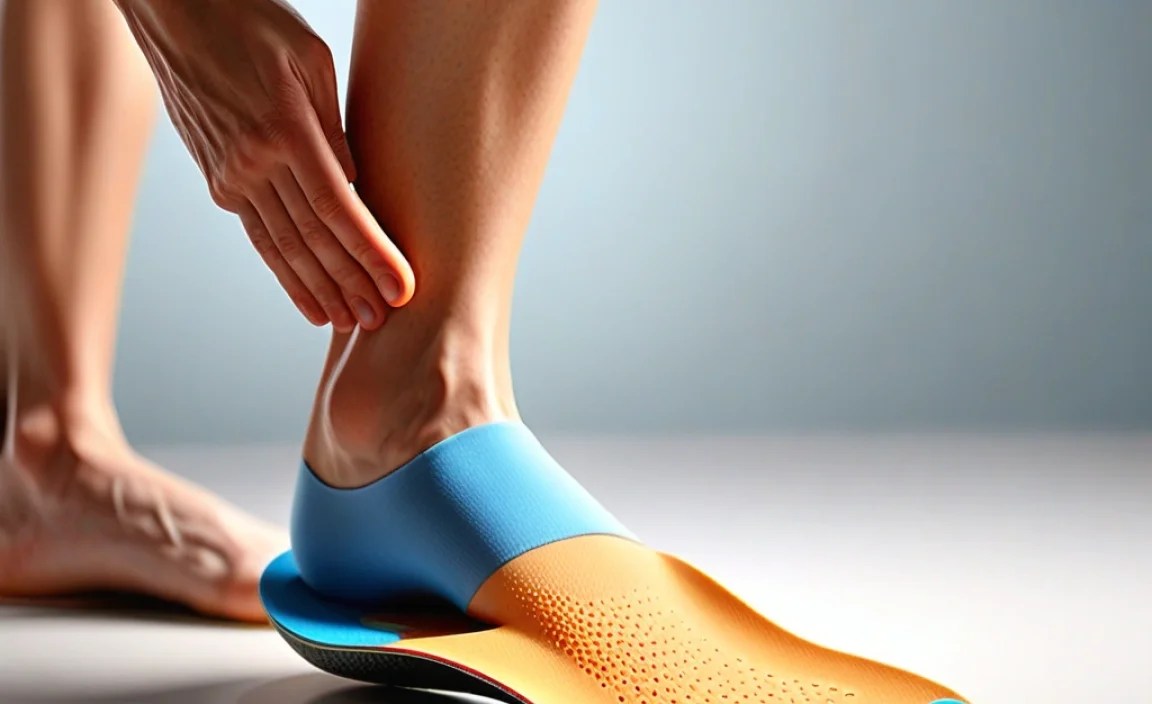
Sciatica isn’t a condition itself, but rather a symptom that arises from an underlying issue affecting the sciatic nerve, your body’s longest nerve. This nerve runs from your lower back, through your hips and buttocks, and down each leg. When it becomes irritated or compressed, it can cause a range of symptoms, including pain, numbness, and tingling. Common culprits behind sciatica include a herniated disc, bone spurs, or spinal stenosis (a narrowing of the spinal canal).
But how can something as simple as an insole make a difference for a problem originating in the back? It all comes down to biomechanics and alignment. Your feet are your foundation. When your feet are misaligned – perhaps due to flat feet, high arches, or pronation (where your foot rolls inward) – it can create a chain reaction that affects your ankles, knees, hips, and ultimately, your lower back. This misalignment can put extra strain on the muscles and joints in your lower back, potentially irritating the sciatic nerve.
The Biomechanical Connection
Think of your body like a carefully constructed building. If the foundation is a bit off-kilter, the entire structure above it is affected. Similarly, irregularities in your foot’s structure or how it moves can lead to:
- Altered Gait: You might unconsciously change the way you walk to compensate for foot pain or instability. This can overload certain muscles and joints, including those in your lower back.
- Pelvic Tilt: Foot mechanics can influence pelvic alignment. An uneven pelvic tilt can put direct pressure on the sciatic nerve.
- Muscle Imbalances: When certain foot muscles aren’t functioning optimally, other muscles, including those in your legs and back, have to work harder, leading to fatigue and strain.
Insoles work by providing support and cushioning to your feet. They can help to:
- Correct Pronation/Supination: Stabilizing your foot and encouraging a more neutral alignment can reduce stress on your ankles, knees, and hips.
- Improve Shock Absorption: Each step sends impact up through your body. Well-cushioned insoles act as a buffer, absorbing some of this shock before it reaches your spine.
- Provide Arch Support: Proper arch support is crucial for distributing pressure evenly across your foot and maintaining overall alignment.
- Reduce Pressure Points: Certain insoles can redistribute pressure away from sensitive areas that might be contributing to sciatic irritation.
It’s important to understand that insoles are not a cure for the underlying cause of sciatica. However, they can be a highly effective tool in managing symptoms and providing significant relief by addressing the biomechanical factors that contribute to the pain. For more in-depth information on the science behind foot orthotics and their impact on musculoskeletal health, you can explore resources from organizations like the National Institutes of Health (NIH), which often features research on biomechanics and pain management.
What to Look for in Insoles for Sciatica Relief

Not all insoles are created equal, especially when you’re dealing with sciatica. You need insoles that offer specific benefits to help mitigate the pain. Here’s a breakdown of the key features to prioritize:
1. Superior Arch Support
This is arguably the most critical factor. Whether you have flat feet or high arches, proper support is essential. Insoles should gently cradle your natural arch, preventing it from collapsing (if you have flat feet) or providing a stable surface (if you have high arches).
- For Flat Feet (Overpronation): Look for insoles with a firm, structured arch that helps to lift and support the arch, guiding your foot into a more neutral position.
- For High Arches (Supination): You might need insoles with more cushioning and flexibility, but still with enough contour to provide support and prevent your foot from rolling outward excessively.
- Neutral Arches: Most standard supportive insoles will work well, focusing on cushioning and general alignment.
2. Ample Cushioning
Sciatica pain is often exacerbated by impact and jarring movements. Insoles with excellent shock-absorbing properties can significantly reduce the force transmitted to your spine with every step. Materials like high-density foam, gel, or even specialized air cushioning can make a big difference.
- Heel Cup: A deep, supportive heel cup helps to stabilize the heel and absorb impact during the heel strike phase of your gait.
- Forefoot Cushioning: Don’t forget the balls of your feet! Extra padding here can prevent discomfort and pressure buildup.
3. Firmness and Structure
While cushioning is important, the insole shouldn’t be too soft and squishy. A semi-rigid structure provides the necessary support to maintain proper foot alignment throughout the day. Imagine trying to stand on a pillow versus a firm mat – the mat provides stability. Insoles should offer that same stable base. Too much flexibility can allow your foot to collapse, defeating the purpose of support.
4. Heel-to-Toe Stability
The insole should offer a stable platform from your heel to your toe. This means it shouldn’t feel like it’s excessively bending or collapsing in the middle when you walk. Good stability helps ensure even weight distribution and reduces stresses on your lower back.
5. Material Considerations
The materials used in insoles affect their durability, comfort, and breathability.
- Foam: EVA (ethylene-vinyl acetate) is a common, lightweight cushioning material. High-density EVA offers better support and durability than low-density foam.
- Gel: Gel insoles can provide excellent shock absorption, especially in the heel and forefoot areas.
- Ortholite: A popular brand known for its breathable, moisture-wicking, and cushioning insoles.
- Cork: Natural cork is antimicrobial, durable, and molds to the shape of your foot over time, offering customized support.
6. Depth and Fit
Insoles come in different depths (thicknesses). You’ll need to consider the type of shoes you’ll be inserting them into.
- Deep Heel Cup: Many supportive insoles have a deeper heel cup. These are ideal for shoes with adequate space, like athletic shoes or boots.
- Superfeet and Superfeet FLEX Insoles are great examples that offer varying depths and support levels suitable for different shoe types.
Consider consulting a podiatrist even before purchasing insoles. They can assess your foot structure and gait to recommend the best type of support for your specific needs, which is especially helpful for persistent sciatica pain. You can also find general guidelines on foot biomechanics from reputable sources like the American Podiatric Medical Association (APMA).
Types of Insoles for Sciatica Relief
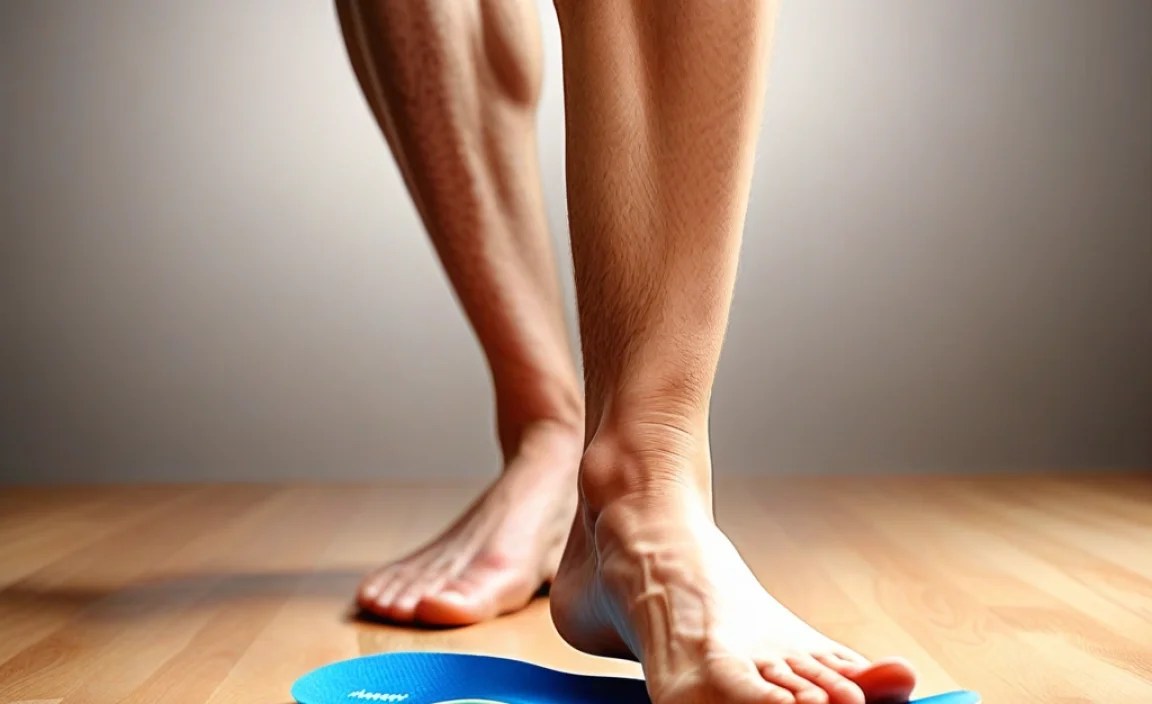
When looking for relief from sciatica, not all insoles are created equal. The best insoles for this specific condition are typically those offering robust support and cushioning. Let’s break down the most beneficial types:
1. Orthopedic Insoles (Ortho-Insoles)
These are designed to correct or support specific foot conditions and can be a game-changer for sciatica because they focus on restoring proper biomechanics from the ground up. They often feature:
- Rigid or Semi-Rigid Support: Made from materials like plastic or firm foam, they provide substantial arch support and heel stability.
- Medial/Lateral Support: They help control overpronation (foot rolling inward) and supination (foot rolling outward), which are common contributors to back pain.
- Deep Heel Cups: Crucial for heel stability and shock absorption.
Best for: Flat feet, overpronation, high arches, and anyone whose foot mechanics significantly impact their lower back. These are often recommended by podiatrists.
2. Cushioned Insoles
While orthopedic insoles focus on correction, cushioned insoles prioritize comfort and shock absorption. They are ideal for individuals who need extra padding to reduce the impact of walking and standing.
- Soft, Shock-Absorbent Materials: Often made from gels, specialized foams (like memory foam or high-density EVA), or even air cushioning systems.
- Relief from Impact: Excellent for reducing the jarring sensation that can travel up the legs to the spine.
Best for: People who experience pain from general impact, those with sensitive feet, or as a complement to other support structures. They might not offer significant correction but can significantly enhance comfort.
3. Stability Insoles
These strike a balance between firm support and cushioning. They are designed to provide a stable platform for the foot while still offering a degree of shock absorption and comfort.
- Targeted Support: They often feature a firmer mid-sole combined with a supportive arch contour and a stabilizing heel cup.
- Versatile Use: Good for everyday wear, walking, and light activities.
Best for: Those who need a combination of support and comfort, and want to improve overall foot alignment without the rigidity of a full orthopedic insole.
4. Heel Cups/Heel Inserts
While not full insoles, specialized heel cups can be very beneficial for sciatica. They focus specifically on stabilizing the heel and absorbing shock at the point of impact.
- Shock Absorption: Often made of gel or dense foam, they cushion the heel strike.
- Stability: A well-designed heel cup can help control excessive heel motion.
Best for: People who find that heel strike exacerbates their sciatica, or as an addition to shoes that already have good arch support.
5. Custom Orthotics
These are custom-made insoles prescribed by a podiatrist or orthotist after a thorough examination of your feet and gait. They are tailored precisely to your unique foot structure and biomechanical needs.
- Personalized Correction: Address specific deformities, imbalances, or weaknesses.
- Maximum Support and Comfort: Designed for optimal pain relief and improved function.
Best for: Severe or persistent sciatica symptoms, complex foot conditions, or when off-the-shelf insoles haven’t provided sufficient relief. They are typically the most expensive option.
The best insole for sciatica relief will often combine features from these categories. For instance, an ideal insole might be an orthopedic design with excellent cushioning in the heel and forefoot, and firm, yet flexible, arch support. When choosing, always consider the shoes you’ll put them in – running shoes need different insoles than dress shoes.
How to Choose the Right Insoles: A Step-by-Step Guide

Navigating the world of insoles can feel overwhelming, but it doesn’t have to be. By following these steps, you can make an informed decision and find insoles that genuinely help ease your sciatica pain and boost your comfort.
Step 1: Assess Your Foot Type and Needs
Before you even look at insoles, take a moment to understand your feet. Wet your feet and step onto a piece of paper or a dry surface. Look at the imprint:
- High Arch: You’ll see mostly your heel and the ball of your foot, with very little or no connection in the middle. This indicates your arch is high and may not absorb shock well.
- Normal Arch: You’ll see a clear imprint of your heel and forefoot, with a noticeable curve inward.
- Flat Foot: You’ll see almost the entire sole of your foot in the imprint, with little to no curve. This often means your foot rolls inward too much (overpronation).
Also, consider:
- Your Activity Level: Do you walk a lot, stand for long hours, or participate in sports?
- Your Types of Shoes: Do you wear athletic shoes, work boots, or dressier shoes? Insoles need to fit your footwear.
- The Severity of Your Pain: Mild discomfort might require simpler cushioning, while severe sciatica might benefit from structured orthopedic support.
Step 2: Determine the Level of Support and Cushioning Needed
Based on your foot type and pain level:
- For general comfort and mild sciatica: Look for well-cushioned insoles with moderate arch support.
- For moderate to severe sciatica, especially if related to foot alignment issues (pronation/supination): Opt for orthopedic insoles or stability insoles with firm arch support and a stabilizing heel cup.
- For impact-related pain: Prioritize insoles with advanced shock-absorbing materials like gel or high-density foam, especially in the heel.
Step 3: Consider the Shoe Compatibility
Insoles are designed to fit into existing shoes, so ensure they match your footwear:
- Athletic Shoes/Boots: These generally have more room and can accommodate thicker, more supportive insoles, including those with deep heel cups.
- Dress Shoes/Flats: These often have less depth. You’ll need to look for “slim fit” or “low profile” insoles that are thinner, especially in the toe box, to avoid making the shoe too tight.
Check the insoles’ specifications for their thickness or “drop” (the difference in thickness between the heel and forefoot). You want a minimal drop for most casual and athletic shoes, but some dress shoes might require significantly thinner insoles.
Step 4: Read Reviews and Compare Options
Don’t be afraid to do your research! Look for reviews that specifically mention comfort, support, and durability. Pay attention to what people with back pain or similar conditions are saying. Websites dedicated to foot health and product reviews can be invaluable.
Here’s a quick comparison table to help visualize:
| Insole Type | Key Benefit | Best For | Considerations |
|---|---|---|---|
| Orthopedic | Corrects biomechanical issues, strong support | Overpronation, flat feet, significant alignment problems | Can be rigid, ensure proper fit in shoe |
| Cushioned | Shock absorption, comfort | Impact pain, sensitive feet, general relief | May lack underlying support for alignment issues |
| Stability | Balance of support and cushioning | Everyday wear, moderate pain, general alignment improvement | Good all-rounder, but not for severe issues |
| Heel Cups | Heel stability, shock absorption | Heel strike pain, mild sciatica | Doesn’t support the arch, best as an add-on |
Step 5: Try Them Out (If Possible) and Allow an Adjustment Period
If you can try insoles on in a store, do it! Walk around a bit. If buying online, check the return policy. When you first start wearing new insoles:
- Start Gradually: Wear them for a couple of hours each day and gradually increase the time.
- Listen to Your Body: Some mild discomfort or adjustment period is normal, but sharp or increasing pain is a sign they aren’t right for you.
Step 6: Consider Professional Advice
If you’re unsure, or if your sciatica is severe or persistent, consult a podiatrist or physical therapist. They can perform a gait analysis and recommend specific types of insoles or custom orthotics tailored to your exact needs. They can also help diagnose if foot-related issues are truly contributing to your sciatica. Organizations like the American Podiatric Medical.
