Insoles for rowing erg shoes provide essential support and cushioning to enhance comfort, reduce fatigue, and improve performance during your workouts. Choosing the right insoles can transform your rowing experience, making every stroke feel better and less impactful on your feet. Explore key benefits and selection tips to find your perfect fit for a more enjoyable and effective erg session.
Hey everyone, Millard Mar here from SoleForShoes! If you’ve ever felt that familiar ache or discomfort after a solid rowing session on the erg machine, you’re not alone. Those hours spent strapped into your shoes can take a toll. But what if I told you there’s a simple, effective way to significantly boost your comfort and even your performance? We’re talking about insoles specifically designed for your rowing erg shoes. They might seem small, but they make a world of difference. Stick around, and I’ll walk you through everything you need to know about finding the perfect insoles to make your rowing feel like a dream, not a chore.
Why Your Rowing Erg Shoes Need Good Insoles

Think about it: rowing is a repetitive, high-impact activity. Your feet are locked into place, taking a beating with every powerful stroke. The shoes you wear are crucial, but often, the stock insoles that come with them just don’t cut it. They’re often thin, offer little to no arch support, and can’t handle the intense pressure and movement involved in rowing. This can lead to a cascade of problems, from simple discomfort to more serious issues like foot pain, shin splints, and even knee or hip problems down the line. Good insoles act as a crucial buffer and support system, aligning your feet properly and absorbing shock so you can focus on your pull, not your pain.
The Impact of Poor Foot Support on Rowers
When your feet aren’t properly supported during rowing, a few things can happen:
- Increased Fatigue: Your foot muscles have to work overtime to try and stabilize a poorly supported foot, leading to quicker fatigue.
- Pain and Discomfort: This can manifest in the arches, heels, balls of the feet, or even travel up your legs. Plantar fasciitis is a common culprit for rowers.
- Reduced Performance: Pain and fatigue directly impact your ability to maintain power and focus, hindering your workout progress.
- Altered Biomechanics: When your feet hurt, you unconsciously change your gait and posture, which can affect your entire body’s alignment and potentially cause injuries elsewhere.
- Blisters and Hot Spots: Poorly fitting insoles can cause friction, leading to uncomfortable blisters and hot spots.
Benefits of Using Dedicated Erg Insoles
Investing in the right insoles for your rowing erg shoes brings a host of advantages that directly enhance your rowing experience:
- Enhanced Comfort: This is the most immediate benefit. Cushioning absorbs shock, while proper support reduces strain on your feet and arches.
- Improved Arch Support: Insoles can provide the necessary support for your specific arch type (high, low, or neutral), promoting better foot alignment.
- Shock Absorption: Rowing involves significant impact. Insoles cushion your feet, reducing stress on joints and bones.
- Better Foot Alignment: Correctly aligned feet are a foundation for good posture and efficient movement, translating to better rowing form.
- Reduced Fatigue: With proper support and cushioning, your foot muscles can relax more, allowing you to row longer and harder.
- Injury Prevention: By addressing issues like overpronation or poor shock absorption, insoles can help prevent common rowing-related injuries.
- Increased Stability: Some insoles offer enhanced stability, which can be beneficial for maintaining a solid connection with the foot pedals.
Understanding Insole Basics for Rowers

Not all insoles are created equal, and for rowing, you need to consider what makes an insole effective for this specific activity. Here’s a quick rundown of the key elements:
Types of Insoles
When looking at insoles, you’ll generally encounter a few main types:
- Cushioning Insoles: These are all about shock absorption and comfort. They’re often made from softer materials like foam or gel. Great for general comfort and reducing impact.
- Support Insoles (Arch Support): These are designed to provide structure and support to your foot’s arches. They come in various levels of firmness and contouring to match different arch heights and needs. Essential for preventing arch collapse and related pain.
- Orthotic Insoles: These are often more rigid and biomechanically engineered to correct specific foot conditions or posture issues. They might be recommended by a podiatrist.
- Performance Insoles: These are a hybrid, often offering a good balance of cushioning, support, and sometimes even features to improve energy transfer.
Key Features to Look For
For rowing erg shoes, keep an eye out for these specific features:
- Durability: Rowing puts a lot of stress on insoles. Look for materials that can withstand repeated impact and pressure.
- Arch Support Level: This is crucial. Understand your arch type. Do you have flat feet, high arches, or something in between? The insole should match.
- Heel Cup: A well-defined heel cup helps stabilize the heel and absorb shock more effectively.
- Material: Many insoles use EVA foam, polyurethane, or gel. EVA offers a good balance of cushioning and responsiveness. Polyurethane is generally more durable and supportive. Gel provides excellent shock absorption but can sometimes feel less stable.
- Breathability: While comfort in the shoe is key, good airflow can help manage moisture and prevent odor.
- Thickness/Profile: Rowing shoes are typically snug to begin with. You don’t want an insole that’s too thick, as it can make your shoes uncomfortably tight. Many insoles come in different thicknesses.
Understanding Your Foot Type
Knowing your foot type is fundamental to choosing the right insole. It’s not just about comfort; it’s about biomechanics.
- Neutral Arch: Your foot has a normal arch height and a balanced pronation. You likely see a clear imprint of your foot with a defined curve along the inner edge. Most support insoles will work well.
- Low Arch (Flat Feet): Your arch collapses inward when you stand or move. Your foot imprint will show most of your sole. You need insoles with good arch support to help control pronation and provide stability.
- High Arch: Your arch doesn’t collapse much, and there’s a significant curve on the inside of your foot. You might experience more shock from impact. Insoles with ample cushioning and some arch support can help distribute pressure and absorb shock.
You can do a simple “wet test” to get an idea of your arch type. Wet the bottom of your foot, step onto a piece of paper, and observe the footprint. A full foot imprint suggests low arches, an imprint with a very thin (or no) connection between the heel and toes suggests high arches, and a print with a visible curve down the inside suggests neutral arches.
Choosing the Best Insoles for Rowing Erg Shoes
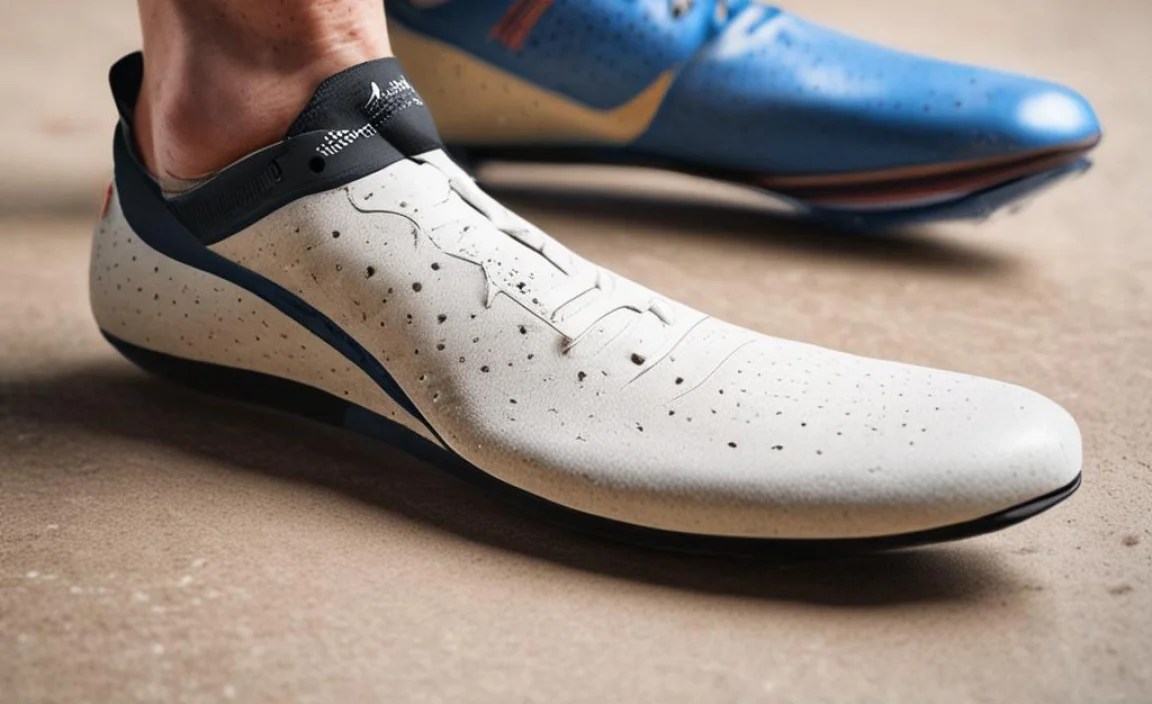
Now, let’s get down to picking the right insoles. This isn’t a one-size-fits-all situation, but here’s a guide to help you make an informed choice.
Step-by-Step Guide to Selecting Your Insoles
- Assess Your Needs: Are you experiencing specific pain (e.g., heel pain, arch strain)? Do your feet feel generally fatigued? Are you looking for a performance boost?
- Determine Your Arch Type: Use the wet test or examine the wear pattern on your current shoes to understand if you have low, neutral, or high arches.
- Consider Your Rowing Shoe Fit: Rowing shoes are often designed for a snug fit. Measure the space inside your shoe or remove the existing insole to get a sense of available volume. Look for insoles that match your shoe’s profile – thin for snug shoes, thicker for shoes with more room.
- Prioritize Support and Cushioning: Based on your arch type and comfort needs, decide whether you need more emphasis on rigid support for alignment or softer cushioning for shock absorption. Many rowers benefit from a good balance.
- Read Reviews: See what other rowers or athletes in similar activities are saying about specific insole models. Look for durability and comfort feedback.
- Try Them Out (if possible): Some retailers offer try-on periods or money-back guarantees, which are excellent for ensuring the insoles work for you.
Top Insole Features for Rowing Performance
When you’re looking at specific products, here are the features that often show up in top-rated insoles for athletic use:
- Semi-Rigid Arch Support: Provides structure without being overly stiff, helping to maintain proper foot alignment through the rowing stroke.
- Deep Heel Cup: Enhances stability and helps cradle the heel, absorbing impact and reducing the risk of heel-related pain.
- Durable Midsole Material: Materials like high-density EVA or proprietary foams offer lasting cushioning and support that won’t break down quickly.
- Moisture-Wicking Top Sheet: Helps keep your feet dry, reducing friction and the likelihood of blisters.
- Slim Profile: Essential for fitting into performance-oriented rowing shoes without compromising the shoe’s secure fit.
When to Consider Professional Orthotics
For many rowers, off-the-shelf insoles will be perfectly adequate. However, if you have significant foot pain, a diagnosed condition like severe plantar fasciitis, or complex biomechanical issues, it might be time to consult a professional.
- Podiatrist Consultation: A podiatrist can diagnose underlying issues and recommend or create custom orthotics tailored precisely to your feet and your activity.
- Correcting Pronation/Supination: Custom orthotics are excellent at correcting severe overpronation (inward rolling) or supination (outward rolling) that over-the-counter insoles might not fully address.
- Addressing Specific Conditions: If you have conditions like bunions, heel spurs, or specific nerve entrapments, custom orthotics can provide targeted relief and support.
While custom orthotics can be a significant investment, they offer unparalleled precision in addressing foot health concerns. For more general information on foot biomechanics and orthotics, resources from organizations like the American Podiatric Medical Association (APMA) can be very helpful.
Insole Reviews and Usage Tips
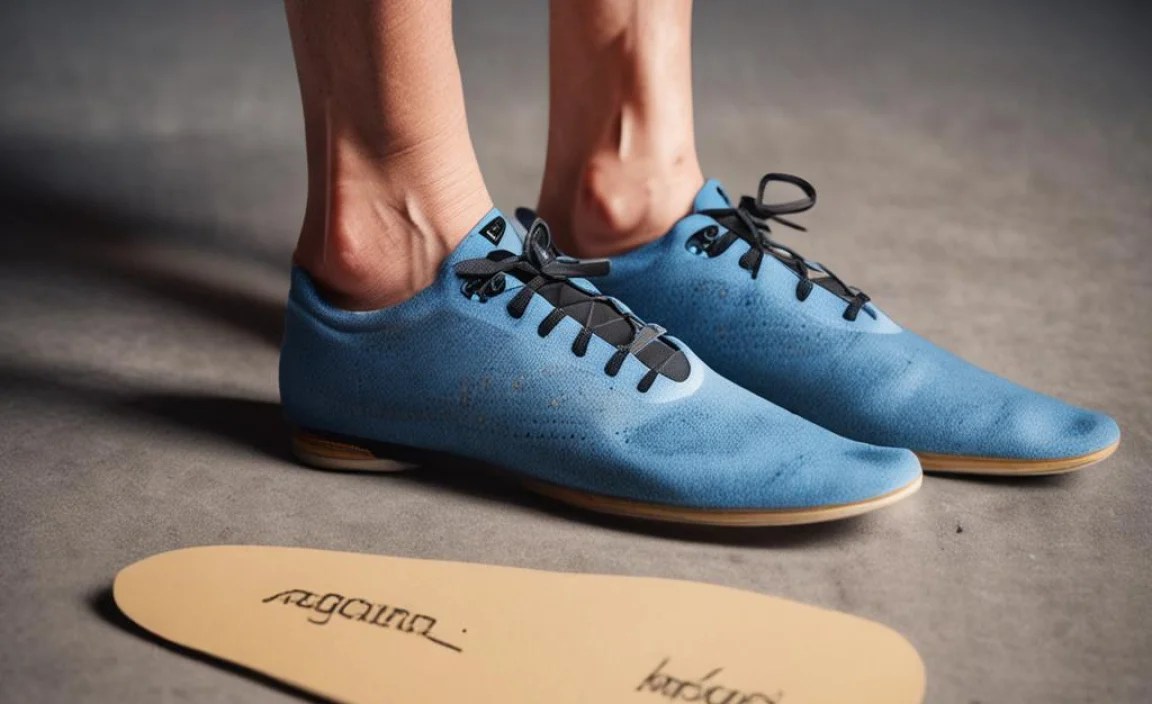
Choosing is one thing, but making sure they work and last is another. Let’s look at how to use them effectively and what to expect.
Popular Insole Brands and Models for Athletes
While specific models change, certain brands consistently receive high marks from athletes for comfort and support. It’s always a good idea to check recent reviews, but here are some well-regarded options that often cater to active individuals:
- Superfeet: Known for their structured support and variety of models (e.g., GREEN, CARBON, BERRY) tailored for different activities and arch types. They offer a good balance of support and cushioning.
- CurrexSole: These come in different profiles (Dynamic, Deep Heel) and are often recommended for specific sports, focusing on dynamic foot support.
- SOLEMates: Often highlighted for their comfort and shock absorption, with various options for different needs.
- Powerstep: Offers a range of semi-rigid orthotic insoles designed to support arches and control pronation, often at a more accessible price point.
It’s important to note that what works for one person might not work for another. I always recommend looking at reviews that specifically mention use in similar shoes or activities if possible.
How to Insert and Break In New Insoles
Getting your new insoles into your erg shoes is straightforward, but there are a couple of points to maximize comfort:
Inserting Insoles:
- Remove Old Insoles: Take out the existing insoles from your rowing shoes. You might need to pry them out gently if they’re glued in.
- Clean the Shoe Interior: Give the inside of your shoe a quick wipe down to remove any dust or debris.
- Place New Insoles: Lay the new insoles flat inside the shoes. Ensure they sit snugly and don’t wrinkle or bunch up. The heel of the insole should align with the heel of the shoe’s interior.
- Check the Fit: Put on your shoes with the new insoles. They should fit comfortably without making the shoe too tight or causing pressure points. If a shoe feels too tight, the insole might be too thick for that particular shoe.
Breaking Them In:
Most modern insoles don’t require a long break-in period, but it’s still wise to ease into them, especially if they offer more structured support than your old ones.
- Start Gently: Wear them for shorter rowing sessions initially.
- Listen to Your Feet: Pay attention to how your feet feel. If you experience any new discomfort, reduce the duration of wear and see if it subsides.
- Gradual Increase: Slowly increase the duration of your rowing sessions as your feet get accustomed to the new support.
For most people, this process takes anywhere from a few workouts to a week. If persistent discomfort arises, the insole might not be the right fit for your foot or shoe.
Maintaining and Cleaning Your Insoles
To get the most life and hygiene out of your insoles, follow these simple care tips:
- Regular Cleaning: After each use, remove the insoles from your shoes and let them air dry. This helps prevent moisture buildup, which can lead to odors and breakdown of materials.
- Washing: If they need a more thorough clean, use mild soap and cool water. Scrub gently with a soft brush or cloth. Avoid harsh detergents or machine washing, as this can damage the materials.
- Drying: Always air dry your insoles. Never place them in a dryer or near a direct heat source, as this can cause them to warp or shrink.
- Rotating Insoles: If you have multiple pairs of erg shoes or alternate between different athletic activities, consider rotating insoles. This allows each pair to fully dry out and prolongs their lifespan.
Troubleshooting Common Insole Issues
When Insoles Don’t Feel Right
It’s disappointing when new insoles don’t meet expectations. Here are some common snags and how to address them:
- Too Tight: If your shoes feel uncomfortably constricting, your insoles might be too thick for your shoes. Try a thinner profile insole, or consider if your shoes are already a very snug fit.
- Rubbing or Blisters: This can happen if the insole isn’t sitting quite right, or if its edges are too prominent for the shoe. Ensure the insole is perfectly flat and aligned. Sometimes, a different shape or a slightly softer material might be needed for the heel or arch area.
- Lack of Support: If you still feel unsupported or experience pain, the insole might not be providing enough arch support for your foot type, or it might be too soft. You may need an insole with more rigid support or a higher arch contour.
- Bottoming Out: If you can feel the hard base of the insole through the cushioning quickly, especially under pressure points like the heel or ball of the foot, the cushioning material might be insufficient or breaking down too fast. Look for insoles with denser EVA or dual-layer cushioning.
What to do:
- Re-check Foot Type: Go back to understanding your arch type and pronation.
- Try a Different Model: Brands offer various models for different needs. Don’t give up on the concept of insoles just because one pair didn’t work.
- Consult a Professional: If you’re struggling to find relief, a podiatrist or a specialist at an athletic shoe store can offer personalized advice.
Signs Your Insoles Need Replacing
Even the best insoles won’t last forever. Over time, their supportive and cushioning properties degrade. Here are common signs it’s time for a new pair:
- Visible Wear: Look for significant flattening, thinning in key areas (heel, ball of foot), or tears in the material.
- Loss of Cushioning: If your feet start feeling the hard surfaces more than they used to, the shock absorption has diminished.
- Decreased Support: You might notice your arches feeling unsupported again, or your foot feels less stable in the shoe.
- Persistent Discomfort: If you start experiencing new or recurring foot pain after a period of comfort.
- Unpleasant Odors: While cleaning helps, if a persistent odor remains after washing and drying, the materials may have broken down and are harboring bacteria.
