Insoles for roof inspectors boots are essential for enhancing comfort, reducing foot fatigue, and preventing injuries. Choosing the right insoles can transform your workday experience, providing crucial support on uneven surfaces and protecting your feet during demanding inspections.
Hey there! Millard Mar here from SoleForShoes. Are you a roof inspector who finds your feet aching by the end of the day? It’s a common problem, especially when you’re walking on roofs, climbing ladders, and spending hours on your feet. Your boots are important, but they might not be giving you all the support you need. The good news is, there’s a simple solution that can make a huge difference: insoles!
Insoles, also known as orthotics or shoe inserts, are designed to fit inside your existing boots, providing extra cushioning, arch support, and stability. They can help reduce pressure on your feet, absorb shock, and even improve your overall posture and alignment. Whether you’re dealing with plantar fasciitis, general foot soreness, or just want to make your long workdays more comfortable, the right insoles can be a game-changer. Let’s dive into why they are so important for roof inspectors and how to find the perfect pair!
Insoles for Roof Inspectors Boots: Essential Comfort for Demanding Jobs

Roof inspectors have one of the most physically demanding jobs. You’re not just sitting at a desk; you’re navigating challenging terrains, often at heights, for extended periods. Your feet bear a significant amount of strain from constant walking, standing, and climbing. This is where your choice of footwear, and more specifically what you put inside it, becomes critical.
Why Roof Inspectors Need Specialized Insoles

Roofing inspections involve more than just a casual stroll. You’re on your feet for hours, often on surfaces that are uneven, pitched, or exceptionally prone to heat and cold. This constant stress can lead to a variety of foot problems, including:
- Foot Fatigue and Pain: Long hours on hard surfaces without adequate support can quickly lead to tired, aching feet.
- Plantar Fasciitis: Inflammation of the thick band of tissue that runs across the bottom of your foot, causing heel pain.
- Arch Collapse: The arch of your foot can flatten over time due to excessive pressure and lack of support.
- Heel Spurs: Bony growths on the heel bone, often associated with plantar fasciitis.
- Shin Splints: Pain along the shinbone, often caused by stress on the bones, muscles, and connective tissue.
- Blisters and Calluses: Poorly fitting boots or excessive friction can lead to these painful skin issues.
- Knee and Back Pain: Foot problems can affect your entire body’s alignment, leading to discomfort in other areas.
Your standard work boots, while protective, might not offer the specific support needed to combat these issues. This is where insoles come in. They are designed to complement your boots, providing that extra layer of comfort, shock absorption, and therapeutic support tailored to your specific needs.
Understanding Insole Types
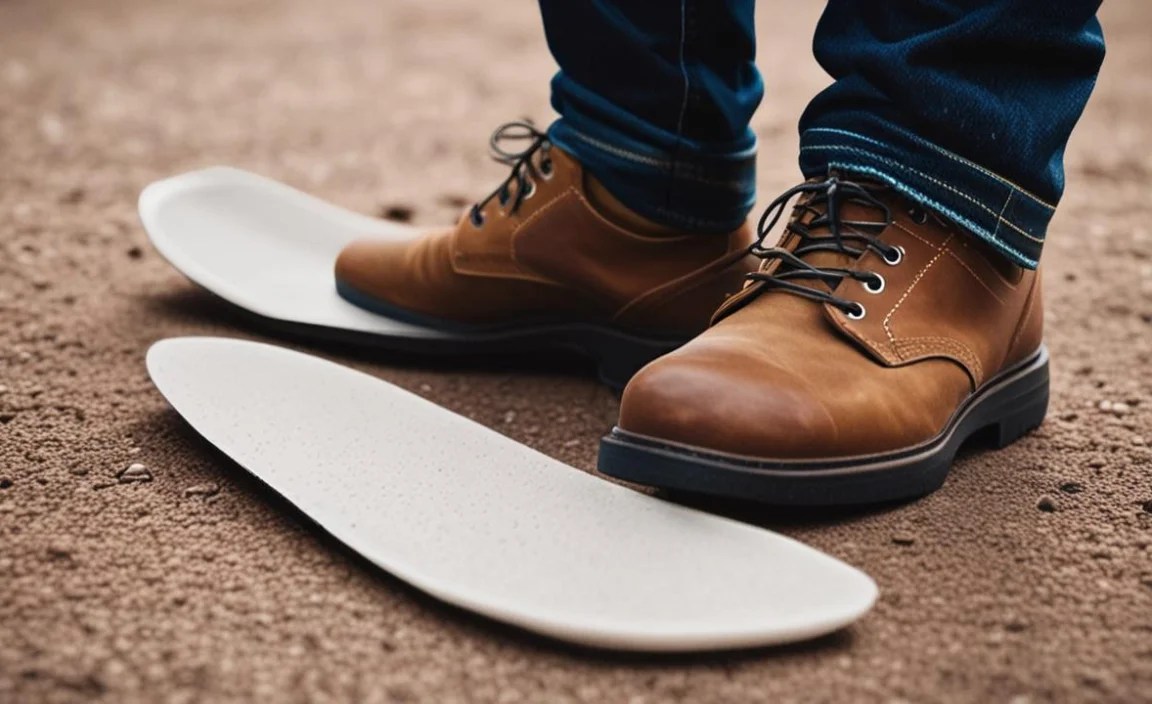
Not all insoles are created equal. They range from basic cushioning to advanced medical-grade orthotics. For roof inspectors, the focus should be on support, shock absorption, and durability. Here are the main types you’ll encounter:
1. Cushioning Insoles
These are typically made from soft materials like foam or gel. They offer basic shock absorption and a plush feel. While comfortable for short periods, they may not provide enough arch support or stability for long, demanding days on the roof.
2. Support Insoles (Arch Support)
These insoles are designed with a contoured shape to provide support to your foot’s natural arch. They help distribute pressure more evenly across the foot and can be very effective for people with flat feet or high arches. Many support insoles also include cushioning.
3. Stability Insoles
Similar to support insoles, stability insoles offer enhanced arch support but also feature firmer heel cups and sometimes a more rigid construction. This helps to control overpronation (when your foot rolls inward excessively) and offers greater overall stability, which is crucial on uneven surfaces.
4. Medical-Grade Orthotics
These are often custom-made or semi-custom and are prescribed by a podiatrist. They are designed to correct specific biomechanical issues with your feet and can be highly effective for severe foot conditions like severe plantar fasciitis or bunions. While very effective, they are also the most expensive option.
Key Features to Look for in Insoles for Roof Inspectors

When selecting insoles for your roof inspection boots, consider these critical features:
1. Arch Support Level
Your arch type is fundamental.
- Low Arches/Flat Feet: You need insoles with good arch support to prevent excessive pronation and provide a stable base.
- Normal Arches: Most standard support insoles will work well.
- High Arches: You might need insoles with extra cushioning under the arch and heel to absorb shock.
2. Cushioning and Shock Absorption
This is paramount for roof inspectors. Look for insoles with advanced cushioning technologies, like EVA foam, gel inserts, or memory foam, to absorb the impact of every step on hard or uneven surfaces. This reduces stress on your feet, ankles, and knees.
3. Heel Support
A deep heel cup is essential. It cradles the heel, providing stability and preventing the foot from sliding side-to-side within the boot. This is particularly important when working on pitched surfaces.
4. Material and Durability
Roof inspection work is tough on footwear. Your insoles need to be durable and made from breathable materials to manage moisture and prevent odor. Materials like semi-rigid plastic or firm foam offer better long-term support than soft gels alone.
5. Moisture-Wicking Properties
Working outdoors, especially in warmer weather, can lead to sweaty feet. Insoles with moisture-wicking topsheets help keep your feet dry and comfortable, reducing the risk of blisters and odor.
6. Fit and Compatibility
Ensure the insoles are designed to fit your boot size and style. Some are full-length, while others are ¾ length. Consider if you need to remove the boot’s original insole to make room for the new one.
A vital resource for understanding the biomechanics of the foot and common issues addressed by orthotics is the American Podiatric Medical Association (APMA), which offers extensive information on foot health.
Step-by-Step Guide: Choosing and Using Insoles for Roof Inspectors Boots

Here’s how to select and start using insoles to get the most comfort and support:
Step 1: Assess Your Foot Needs
Before buying, consider these questions:
- What kind of foot pain do you experience? (Heel, arch, ball of foot)
- Are your feet flat, or do you have high arches?
- Do your feet tend to roll inward or outward when you walk?
- Are your boots fairly new, or have they been worn extensively?
- Do you have any pre-existing foot conditions (e.g., plantar fasciitis)?
If you have persistent or severe pain, it’s always a good idea to consult a podiatrist. They can diagnose your condition and recommend the best type of insole, which might even be custom orthotics.
Step 2: Research and Select Insole Brands/Models
Look for reputable brands known for their quality and effectiveness in support and cushioning. Read reviews specifically from people in physically demanding jobs or those who stand for long hours. Some brands to consider (based on common recommendations for support and durability) include Superfeet, Powerstep, Dansko, and Currex.
Example Comparison: Popular Insole Types for Work Boots
| Insole Type | Best For | Key Features | Pros | Cons |
|---|---|---|---|---|
| All-Purpose Support (e.g., Superfeet Green) | Moderate arch support, general comfort | Firm, flexible support; deep heel cup; medium cushioning | Good balance of support and cushioning, durable | Can take time to break in, might not be enough for severe issues |
| Plantar Fasciitis Relief (e.g., Powerstep Pinnacle Premium) | Plantar fasciitis, heel pain, foot fatigue | High arch support, deep heel cup, shock-absorbing cushioning | Excellent for heel and arch pain, improved stability | Can feel very firm, arch placement might not be perfect for everyone |
| Maximum Cushioning (e.g., Scholl’s Work Insoles) | Long hours on hard surfaces, general shock absorption | Thick padding, gel inserts, shock-absorbing pads | Very comfortable, reduces impact significantly | May reduce boot space, might lack structured arch support |
Step 3: Prepare Your Boots
If your boots have removable insoles, take them out. This creates the necessary space for your new insoles and prevents your boots from feeling too tight. If your boots have glued-in insoles, you might need to carefully pry them out or consider insoles designed to be worn on top of existing insoles (though this can sometimes make boots too snug).
Step 4: Insert the New Insoles
Place the new insoles into your boots. Ensure they lie flat and fit snugly. Some insoles may need to be trimmed to match the exact shape of your boot’s interior. Most insoles come with trim lines that you can follow with scissors. Always try them in the boot before cutting!
Step 5: Wear and Adjust
Start by wearing your new insoles for short periods, gradually increasing the duration as your feet adjust. It’s common to feel a difference immediately, but sometimes your feet need a few days to get used to the new support. If you experience significant discomfort, check if the insole is positioned correctly or if you need a different type of support.
For information on proper footwear and its impact on workplace safety, the Occupational Safety and Health Administration (OSHA) provides guidelines on personal protective equipment, which can include appropriate footwear for hazardous environments.
Insole Maintenance and Longevity
To get the most out of your insoles, proper care is essential. They are an investment in your foot health and comfort, so treating them well will extend their lifespan.
Here are some tips for maintenance:
- Air Them Out: After each use, remove your insoles from your boots and let them air dry completely. This helps prevent moisture buildup, odor, and bacterial growth.
- Clean Regularly: Depending on the material, you can usually hand-wash your insoles with mild soap and water. Avoid harsh detergents or machine washing, as this can damage the materials. Rinse them thoroughly and let them air dry.
- Inspect for Wear: Periodically check your insoles for signs of wear and tear, such as flattened cushioning, cracked surfaces, or worn-down areas.
- Replace When Needed: Most insoles have a lifespan of 6–12 months, depending on usage and quality. If you notice a significant reduction in cushioning or support, it’s time for a new pair.
When to Consider Professional Help
While over-the-counter insoles can provide significant relief and comfort, there are times when professional intervention is necessary. If you experience any of the following, it’s time to see a podiatrist:
- Severe or persistent foot pain that doesn’t improve with insoles or rest.
- Visible signs of injury, swelling, or deformity.
- Conditions like diabetes that affect foot health and circulation.
- If you need insoles for specific medical reasons, such as major biomechanical issues.
A podiatrist can perform a thorough examination, identify the root cause of your foot problems, and recommend tailored solutions, which may include custom orthotics. Custom orthotics are molded specifically to your feet and are designed to correct your unique alignment issues, providing unparalleled support and pain relief. For professionals in demanding roles like roof inspecting, this can be a worthwhile investment for long-term foot health.
FAQs About Insoles for Roof Inspectors
Q1: Can I use the same insoles for all my boots, or do I need different ones for roof inspection boots?
A1: While you can use insoles across different pairs of boots, it’s ideal to have a dedicated pair for your roof inspection boots, as these are likely your most frequently worn and demanding footwear. Ensure the insoles are designed for the specific support and cushioning needed for that job.
Q2: How long does it take to get used to new insoles?
A2: Most people find that their feet adjust to new insoles within a few days to a week. It’s recommended to wear them for a few hours at a time initially and gradually increase usage. If significant discomfort persists, you might need to try a different type or consult with a professional.
Q3: Will insoles make my boots too tight?
A3: Adding an insole can make your boots feel snugger. If you remove the original insole, it often creates enough space. If your boots feel too tight, you might need to consider insoles with a lower profile or a different lacing technique for your boots.
Q4: How often should I replace my insoles?
A4: The lifespan of insoles varies, but for active professionals like roof inspectors, they typically last between 6 to 12 months. Visible wear, reduced cushioning, or returning foot pain are indicators that it’s time for a replacement.
Q5: Are insoles good for preventing foot injuries?
A5: Yes, properly chosen insoles can significantly help prevent injuries by providing better foot support, improving stability, and reducing impact on the feet and joints. This is especially important for preventing issues like sprains and stress fractures when working on uneven surfaces.
Q6: What’s the difference between cushioning insoles and support insoles?
A6: Cushioning insoles primarily add softness and absorb shock. Support insoles are designed with a structured shape to provide stability and align your foot’s natural arch. Many effective insoles combine both features.
Q7: Should I wear socks with my insoles?
A7: Always wear socks with your insoles and boots. Socks help to wick away moisture, reduce friction against the insole and boot, and provide an additional layer of comfort. Choose moisture-wicking socks for best results.
Conclusion
As a roof inspector, your feet are your most valuable tool. Investing in the right insoles for your boots is not just about comfort; it’s a crucial step towards protecting your foot health, reducing fatigue, and enhancing your overall performance and safety on the job. By understanding the different types of insoles available, identifying your specific foot needs, and considering the key features like arch support, cushioning, and durability, you can make an informed choice.
Remember to prepare your boots, insert the insoles correctly, and give your feet time to adjust. Regular maintenance will ensure your insoles last longer and continue to provide the support you need. Don’t hesitate to seek professional advice from a podiatrist if you have persistent foot pain or specific medical concerns. Your feet work hard for you every single day. Give them the support and comfort they deserve, and you’ll feel the difference from the ground up.
