Yes, insoles designed for roller skates can significantly boost comfort, support, and performance by absorbing shock, cushioning your feet, and improving alignment during skating. Choosing the right insole can transform your skating experience, reducing fatigue and preventing common foot issues.
Roller skating is a blast! Whether you’re cruising down the boardwalk, hitting the skate park, or just enjoying a leisurely spin, the freedom of gliding on wheels is fantastic. But sometimes, discomfort can put a damper on the fun. Your feet might ache, feel tired, or even experience sharp pains, especially after a longer session. You might wonder, “Is this normal?” or “Can I do anything about this?” The good news is, you absolutely can! Often, the secret to happier feet on skates isn’t more expensive skates, but the right kind of support inside. Let’s discover how simple insoles can be your new best friend for pain-free skating.
Why Your Roller Skates Might Be Hurting Your Feet

Roller skates are designed for movement, but they often lack the built-in cushioning and support that our feet need, especially during the dynamic motions of skating. Think about it: you’re constantly absorbing impact with every push-off and landing. Your feet are working hard to maintain balance and propel you forward. Without adequate support, the natural arch of your foot can collapse, leading to strain. Over time, this can cause a variety of problems like:
- Plantar fasciitis (that sharp heel pain)
- Metatarsalgia (pain in the ball of your foot)
- Bunions and hammertoes, exacerbated by pressure
- General foot fatigue and soreness
- Shin splints and even knee or hip pain due to poor alignment
The standard insoles that come with most roller skates are usually thin, flimsy, and made of basic foam. They offer minimal shock absorption and no real arch support. It’s like trying to run a marathon in flimsy flip-flops – your feet are going to protest!
The Magic of Insoles for Roller Skates
Insoles, also known as orthotics or inserts, are designed to go inside your shoes, including your roller skates, to provide an extra layer of comfort and support. For roller skates, they are particularly impactful because they can:
- Cushion and Absorb Shock: Skating involves repeated impacts. Good insoles act like a shock absorber, reducing the stress on your feet, ankles, and joints.
- Support Your Arches: Whether you have high arches, flat feet, or neutral arches, the right insoles can help maintain the natural structure of your foot, preventing it from flattening too much or collapsing under pressure.
- Improve Alignment: Proper arch support can help align your feet, ankles, and even your legs, which can reduce strain on your knees and hips.
- Increase Comfort: By distributing pressure evenly across your foot, insoles can prevent hot spots and reduce overall foot fatigue.
- Enhance Performance: When your feet are comfortable and well-supported, you can skate longer, with more stability and confidence.
Think of insoles as a personalized upgrade for your skates, making them feel more like custom-fitted shoes tailored to your foot’s needs.
Types of Insoles for Roller Skates

Not all insoles are created equal, and the best one for you depends on your specific foot type, skating style, and comfort needs. Here’s a breakdown of common types:
1. Cushioning Insoles (Soft Insoles)
- What they are: These are typically made from soft materials like gel, foam, or memory foam. They prioritize plush comfort and shock absorption.
- Best for: Casual skaters, those who prioritize maximum softness, or individuals prone to impact-related discomfort.
- Pros: Excellent shock absorption, immediate comfort, widely available and affordable.
- Cons: Can be less supportive for feet needing significant arch support, might wear out faster than firmer options.
2. Supportive Insoles (Arch Support Insoles)
- What they are: These insoles have a firmer construction and are designed with molded arch support. They come in various levels of support, from mild to rigid.
- Best for: Individuals with mild to moderate arch issues (flat feet or high arches), those looking for better foot alignment and stability.
- Pros: Improve foot posture, provide stability, help prevent overpronation (foot rolling inward) or supination (foot rolling outward).
- Cons: Can feel less cushioned initially, may require a break-in period, price can vary widely.
3. Performance Insoles
- What they are: These are often a hybrid, combining cushioning with structured support and sometimes features like heel cups for stability. They are designed for active use.
- Best for: More advanced skaters, those involved in more rigorous skating disciplines (like roller derby or speed skating), or anyone seeking a balance of comfort and performance.
- Pros: Offer a good mix of support and cushioning, designed to withstand higher impacts, can improve energy transfer.
- Cons: Can be more expensive, might be stiffer than pure cushioning insoles.
4. Custom Orthotics
- What they are: These are custom-molded insoles made specifically for your feet, often based on a podiatrist’s prescription or a detailed foot scan.
- Best for: Individuals with significant foot deformities, chronic pain, or specific medical conditions requiring precise support.
- Pros: Perfectly tailored to your foot’s unique biomechanics, offer the highest level of correction and support.
- Cons: Most expensive option, require a professional fitting and prescription.
Choosing the Right Insoles: A Step-by-Step Guide
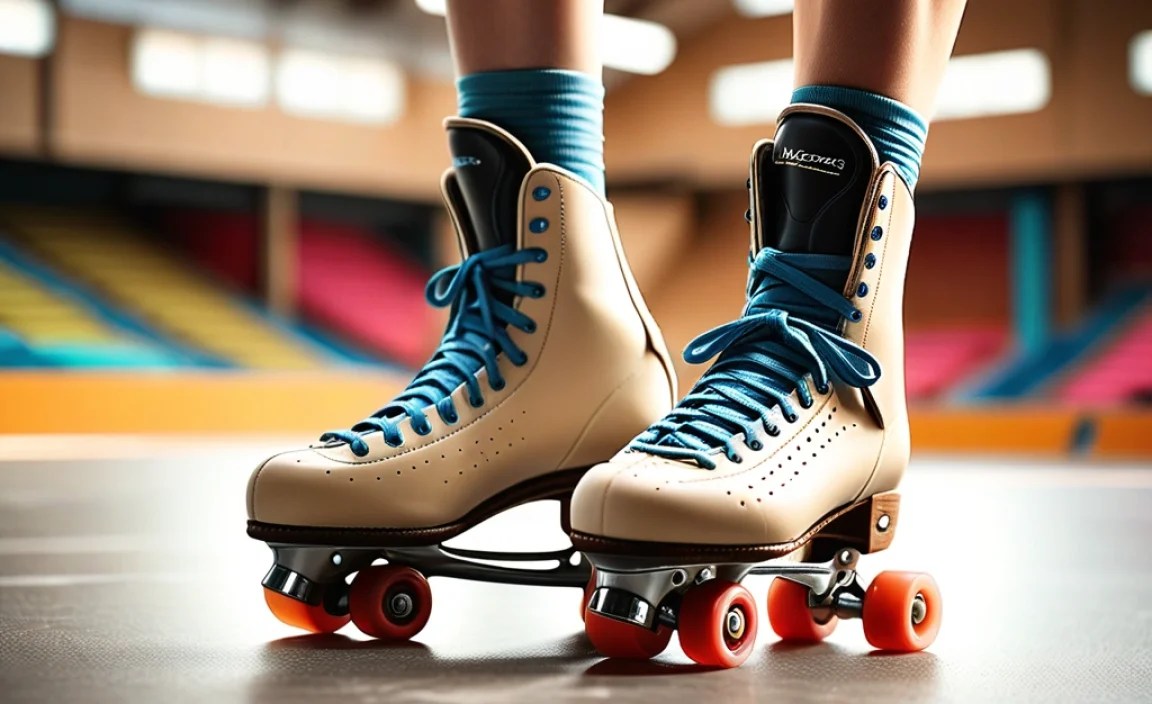
Selecting the perfect insole for your roller skates might seem daunting, but by following these steps, you can make a confident choice that will have your feet thanking you.
Step 1: Assess Your Foot Type and Needs
This is the most crucial step. Take a look at your feet:
- Wet Foot Test: Wet the soles of your feet and step onto a piece of cardboard or a dark surface. Look at the imprint:
- Normal Arch: You’ll see about half of your arch making contact. Most supportive insoles will work well.
- Fallen Arch (Flat Feet): You’ll see almost your entire foot, with little to no curve. You need insoles with good arch support to prevent overpronation.
- High Arch: You’ll see mostly your heel and the ball of your foot, with a very thin or no connection in the middle. You need insoles with ample cushioning and some moderate arch support to avoid pressure points.
- Pain Points: Where do you feel discomfort? Heel pain, arch pain, ball of foot pain, or general ache? This can guide you toward insoles with targeted support or cushioning.
- Skating Style: Are you a casual cruiser, a speed demon, or a derby warrior? Performance insoles might be better for intense activity, while cushioning might suffice for leisurely strolls.
Step 2: Consider the Space Inside Your Skates
Roller skates, especially traditional quad skates and many inline skates, can have limited internal volume. You don’t want an insole that’s too thick and makes your skates feel too tight, leading to blisters or circulation issues. Measure the thickness of your current insoles (if any) and consider the height of the shoe’s interior near the arch and heel.
Step 3: Read Reviews and Research Brands
Once you have an idea of what you need, it’s time to look at specific products. Search for reviews of insoles specifically mentioning their use in roller skates or similar athletic shoes. Look for comments on:
- Durability
- Comfort during activity
- Support level
- Fit within various skate types
- How well they hold up over time
Some reputable brands known for their quality insoles include Superfeet, Powerstep, Currex, and Sof Sole. Many offer different models tailored to specific needs.
Step 4: Try Them On (If Possible) or Go with a Good Return Policy
If you can, try on insoles in your skates at a specialty store. If you’re buying online, ensure the retailer has a good return policy in case they don’t work out.
Step 5: The Break-in Period
Don’t expect immediate bliss with every new insole, especially more supportive ones. Your feet might need time to adjust. Start by wearing them for short skating sessions and gradually increase the duration. If you experience significant discomfort, stop wearing them and re-evaluate if they’re the right fit or type for you.
Insoles vs. Different Roller Skate Types
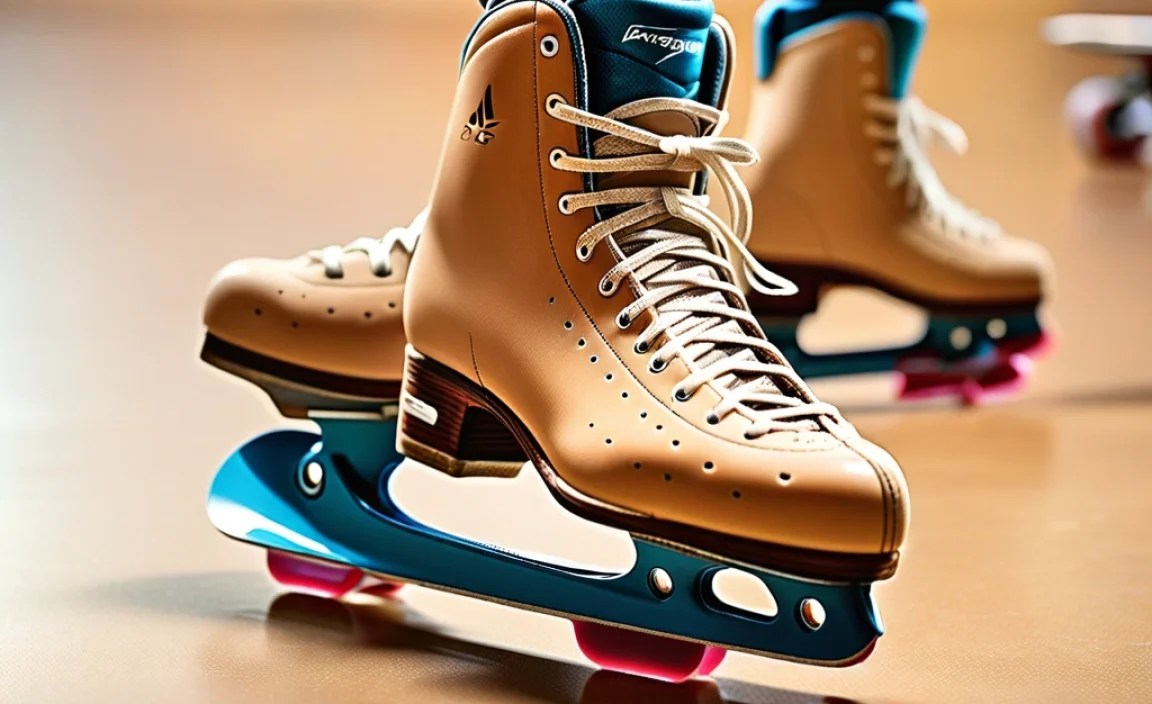
The type of roller skate you own can influence the best insole choice due to varying internal construction and intended use.
Quad Skates (Traditional Roller Skates)
Quad skates often have a boot that can be more structured, similar to a roller hockey or ice hockey skate. This means they can accommodate a wider range of insoles. A well-structured supportive insole can be particularly beneficial here for stability during turns and preventing foot fatigue on longer sessions.
Inline Skates (Rollerblades)
Inline skates can vary greatly. Speed skating boots are often rigid and minimalist, prioritizing power transfer, meaning insoles are crucial for comfort and shock absorption. Fitness and recreational inline skates might have more padding but can still benefit from added arch support and cushioning to manage the repetitive stress of skating.
Roller Derby Skates
These are built for high impact, agility, and rapid stops. Durability and support are paramount. Performance or custom orthotics are often preferred by derby athletes to handle the intense demands on their feet, providing stability during quick pivots and absorbing heavy impacts. A good insole can help prevent injuries that could sideline a skater.
Measuring and Fitting Your Insoles
Getting the right fit is almost as important as choosing the right type of insole. An ill-fitting insole can cause more problems than it solves.
Size Matters
Most insoles come in standard shoe sizes (e.g., Men’s 7-9, Women’s 8-10). It’s best to choose the size that corresponds to your shoe size. If you’re between sizes, you might need to trim them.
Trimming Your Insoles
Many insoles are designed to be trimmed to fit your specific skate boot. You can usually do this by:
- Removing the original insole from your skate.
- Placing the new insole on top of it, aligning the heel and the ball of the foot.
- Carefully tracing the original insole’s outline onto the new one, or marking where it needs to be trimmed based on the skate’s internal shape.
- Using sharp scissors or a craft knife to make clean cuts. Make sure to trim gradually, as you can always cut more off, but you can’t add material back.
Tip: Trim along the outside of your tracing line to be conservative. This ensures you don’t end up with an insole that’s too small.
Checking the Fit
Once trimmed, place the insole back into your skate. It should fit snugly without bunching up or creating pressure points along the edges. Your foot should feel comfortably supported without being squeezed. The heel should sit securely in the heel cup of the insole, and the arch should align with your foot’s natural arch.
Maintaining Your Insoles for Lasting Comfort
To get the most out of your insoles and ensure they continue to provide comfort and support, proper maintenance is key. Just like your skates, your insoles need a little care.
Regular Cleaning
- Spot Cleaning: For light dirt, use a mild soap and cool water with a soft cloth. Gently wipe down the insoles and allow them to air dry completely.
- Deep Cleaning: If they become very dirty or smelly, you can often hand wash them with a gentle detergent in cool water. Avoid harsh chemicals or machine washing, as this can degrade the materials. Always air dry; do not put them in a dryer or expose them to direct heat, which can warp or melt them.
Drying and Deodorizing
Skates and insoles can get sweaty, leading to unpleasant odors and an ideal breeding ground for bacteria. After each use, it’s a good idea to:
- Remove the insoles from your skates to allow both to air out completely.
- Store them in a well-ventilated area, away from direct sunlight or extreme heat.
- For persistent odors, consider using a natural deodorizer like baking soda sprinkled lightly on the insoles overnight (vacuum it off in the morning) or using specialized shoe deodorizer sprays.
Monitoring Wear and Tear
Insoles, like any product, wear out. Depending on the material and how much you skate, they typically last anywhere from 6 months to a year or more. Look for signs of wear such as:
- Flattening of cushioning
- Loss of arch support
- Cracking or tearing in the material
- Persistent odors that cleaning doesn’t resolve
When you notice these signs, it’s time to replace them. Continuing to use worn-out insoles can negate their benefits and potentially lead to foot pain again.
When to Consider Professional Help
While off-the-shelf insoles can be a game-changer for many, some foot issues might require more specialized attention. If you experience persistent or severe pain, have a diagnosed foot condition, or if your pain continues despite trying different insoles, it’s always a good idea to consult a healthcare professional. A podiatrist or a physical therapist can:
- Diagnose the root cause of your discomfort.
- Recommend specific types of insoles or orthotics.
- Develop a comprehensive treatment plan that might include exercises, stretches, or other therapeutic interventions.
- Assess your biomechanics to ensure proper foot and ankle function. A great resource for understanding foot health and common issues is the American Podiatric Medical Association (APMA), which offers extensive information on foot care and conditions.
For severe conditions, custom orthotics prescribed by a podiatrist can offer incredibly precise support tailored to your exact needs. While more expensive, they can be an invaluable investment in long-term foot health and comfort.
Common Foot Issues and Insole Solutions
Let’s match some common skating-related foot woes with the types of insoles that might help:
| Foot Issue | Symptoms | Recommended Insole Type | Why it Helps |
|---|---|---|---|
| Plantar Fasciitis | Sharp pain in the heel, especially in the morning or after rest. | Supportive Insoles with good Arch Support; Cushioned Heel Cups | Supports the arch to reduce strain on the plantar fascia. Cushions the heel to absorb shock. |
| Metatarsalgia | Pain or burning in the ball of your foot. | Cushioning Insoles, Insoles with Metatarsal Pads | Distributes pressure away from the metatarsal heads, cushioning the area. Some have specific pads to lift the metatarsal bones. |
| Flat Feet (Fallen Arches) | Foot fatigue, pain in arches or heels, tendency for feet |
