Insoles for referees soccer provide improved comfort and support, reducing foot fatigue during long matches by absorbing shock and aligning the foot. Choosing the right insole can significantly enhance a referee’s performance and well-being on the field.
Soccer referees are on their feet for the entirety of a match, often in challenging conditions and on varied terrain. This constant activity, combined with the need for quick movements and precise positioning, can put immense stress on the feet, ankles, and even the knees. Many referees experience foot pain, fatigue, and discomfort that can detract from their focus and enjoyment of the game. Fortunately, there’s a simple yet effective solution: the right insoles. This guide will walk you through selecting and using insoles specifically designed to keep soccer referees comfortable and performing at their best, allowing you to concentrate on the game, not your feet.
The Demands Placed on a Soccer Referee’s Feet

A soccer referee’s job is far from sedentary. Each match involves:
Constant Movement: Running, jogging, and sprinting across the field to maintain optimal positioning relative to the play.
Varied Surfaces: Adjusting to turf, grass, often uneven or damp, requiring different types of foot support and shock absorption.
Sudden Stops and Starts: Rapid changes in direction and pace to keep up with the game’s flow.
Long Durations: Matches can be 90 minutes or longer, with added time, meaning prolonged periods of standing and high-impact activity.
Weight Bearing: Carrying body weight while performing these dynamic movements puts significant pressure on the arches, heels, and balls of the feet.
These factors contribute to common referee foot complaints such as plantar fasciitis, metatarsalgia, Achilles tendonitis, shin splints, and general foot fatigue.
Why Insoles Make a Difference for Referees
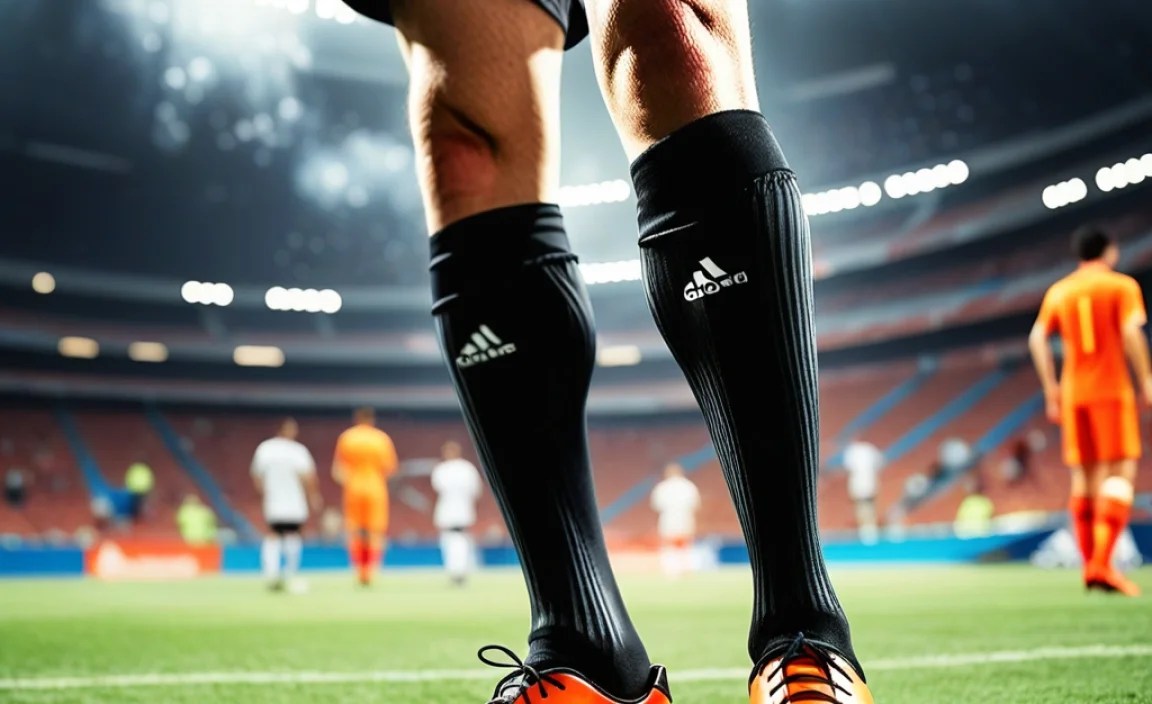
Traditional athletic shoes offer a baseline level of cushioning, but they often don’t provide the specialized support needed for the unique demands of refereeing. Insoles, also known as orthotics or inserts, are designed to enhance the functionality of your footwear. For referees, they can:
Improve Shock Absorption: A good insole acts as a secondary layer of cushioning, significantly reducing the impact shock that travels up your legs with every step, jump, or quick stop. This is crucial for preventing fatigue and injury.
Provide Arch Support: Whether you have high arches, flat feet, or neutral arches, proper support helps distribute pressure evenly. This prevents overpronation (foot rolling inward) or supination (foot rolling outward), both of which can lead to pain.
Enhance Stability: Insoles can offer better heel cupping and overall foot stability, reducing wobbling and improving balance, which is essential for quick movements.
Increase Comfort: By correcting biomechanical issues and providing cushioning, insoles make standing and moving for extended periods far more comfortable.
Potentially Improve Posture: When your feet are properly supported, it can have a ripple effect, influencing the alignment of your ankles, knees, hips, and even your spine, potentially leading to better posture and reduced strain on other joints. You can learn more about the importance of proper foot alignment on the American Academy of Foot & Ankle Surgery website.
Types of Insoles: Finding the Right Fit for the Field

Not all insoles are created equal, and the best choice for a soccer referee often depends on individual foot needs and the type of support required. Here’s a breakdown of common types:
1. Cushioned Insoles
What they are: These are primarily designed for shock absorption and comfort. They are often made from soft materials like foam or gel.
Best for: Referees who experience general foot fatigue and discomfort and need an extra layer of padding. They can provide immediate relief for aching feet.
Considerations: While comfortable, they may offer less structured support for biomechanical issues compared to other types.
2. Supportive (or Orthotic) Insoles
What they are: These insoles are designed to provide structural support to the foot, particularly the arch. They often have a firmer construction with contoured shapes to control foot motion.
Best for: Referees with specific foot conditions like plantar fasciitis, overpronation, or fallen arches. They help correct and stabilize the foot’s natural alignment.
Considerations: They can sometimes feel firmer initially but provide long-term benefits for foot health and pain reduction.
3. Performance Insoles
What they are: A hybrid that combines cushioning with performance-enhancing features. They often incorporate materials that offer energy return and stability tailored for athletic movements.
Best for: Referees seeking both comfort and an edge in agility and responsiveness. They aim to reduce fatigue while supporting dynamic actions.
Considerations: These can be a great all-around option for active referees who don’t have severe biomechanical issues but want enhanced comfort and support.
4. Heel Cups/Heel Inserts
What they are: Specifically designed to provide extra cushioning and support to the heel area.
Best for: Referees who experience heel pain or need additional shock absorption at the point of impact.
Considerations: These are often used in conjunction with other insoles or as a targeted solution for heel-specific issues.
Key Features to Look for in Referee Soccer Insoles

When shopping for insoles, keep these features in mind to ensure you’re investing in quality and effectiveness for those demanding 90 minutes:
Arch Support: Look for insoles that match your arch type (high, neutral, or low/flat). Good arch support is fundamental to distributing weight and preventing strain.
Heel Cushioning and Stability: A deep heel cup can cradle the heel, absorbing impact and preventing the heel bone from shifting unnaturally.
Shock Absorption Materials: Gel, memory foam, or advanced composite foam offer superior shock absorption compared to basic insoles. This is non-negotiable for the constant running.
Durability: As a referee, you’ll be putting a lot of mileage on your shoes. Choose insoles made from robust, long-lasting materials that won’t break down quickly.
Breathability: Feet can get warm and sweaty during a match. Look for insoles with breathable top layers or perforations to help manage moisture and prevent odor.
Lightweight Design: You don’t want anything that will noticeably add weight to your shoes. Most quality insoles are surprisingly light.
Trimmable Fit: Many insoles can be trimmed to perfectly fit your shoe size, ensuring no awkward pressure points or slipping.
A Simple Guide to Choosing Your Referee Insoles

Choosing the right insole can feel overwhelming, but it doesn’t have to be. Follow these steps for a confident selection:
Step 1: Assess Your Foot and Needs
Arch Type: The easiest way is the “wet test.” Wet your feet, step onto a piece of dark paper or a dry sidewalk, and examine the footprint.
High Arch: You’ll see mostly your heel and the ball of your foot, with very little connecting them. You might benefit from more cushioned and flexible insoles that help distribute pressure.
Neutral Arch: You’ll see about half of your arch area. Most standard supportive insoles will work well for you.
Flat Arch (Low Arch): You’ll see almost your entire foot. You likely need firm, supportive insoles with good pronation control.
Pain Points: Where do you feel the most discomfort? Heel pain? Ball of foot pain? Along the arch? This will guide you toward insoles with targeted support.
Activity Level: As a referee, your activity is high. This means prioritizing shock absorption and durable support.
Step 2: Consider Your Footwear
Shoe Type: Are you wearing cleats, turf shoes, or training shoes built for the sidelines? The insole should complement the shoe’s design. Most performance insoles will fit well in standard athletic shoes.
Existing Insoles: If your current shoes have removable insoles, measure them or note their shape to find a comparable replacement. If they don’t have removable insoles, you might need to remove the shoe’s original footbed first, or consider insoles designed to fit over existing ones (though this can sometimes alter shoe fit significantly).
Step 3: Research and Compare Options
Read Reviews: Look for reviews from other athletes or individuals with similar foot needs. Pay attention to comments about comfort, durability, and effectiveness over long periods.
Material Matters: Understand the difference between cushioning (gel, foam) and support (firm plastic, carbon fiber). For referees, a balance is often ideal.
Brand Reputation: Stick to well-known brands specializing in foot care and athletic performance insoles.
Step 4: Try Them On (If Possible)
In-Store: If you can, try insoles on in a store, ideally in a shoe similar to what you wear for refereeing. Walk around and see how they feel.
Home Trial: Many online retailers offer a trial period. This is invaluable for testing them during actual games or training.
Top Recommended Insoles for Soccer Referees (General Considerations)
While specific product recommendations can become outdated, here are categories and features that consistently perform well for referees. Always check current models and reviews.
| Insole Type | Key Features for Referees | Potential Benefits | Best For |
| Performance Sport| Moderate to high arch support, deep heel cup, firm cushioning, durability, semi-rigid construction. | Enhanced stability, shock absorption, reduced fatigue, improved responsiveness. | Most active referees with neutral to mild pronation needs. |
| Orthotic Support | Contoured shape, firm arch support, motion control features, durable materials, good heel stability. | Corrects overpronation/supination, reduces foot pain (plantar fasciitis), improves alignment. | Referees with diagnosed foot conditions or significant pronation issues. |
| Max Cushioning | Plush foam or gel layers, soft footbed, good shock absorption. | Supreme comfort, reduced impact on joints, ideal for long hours on feet. | Referees seeking maximum comfort, especially on hard surfaces, with minimal biomechanical issues. |
External Link: For more insights into foot biomechanics and common issues, the National Institutes of Health (NIH) offers a wealth of information on foot health that can help you understand your needs better.
Using Your New Insoles for Maximum Benefit
Once you’ve selected your insoles, proper usage is key to unlocking their full potential:
1. The Transition Period
Your feet and body need a short time to get used to the new support.
Start Slowly: Begin by wearing your new insoles for short periods during less demanding activities (e.g., walking around the house, short walks).
Gradual Increase: Over a few days, gradually increase the duration you wear them and the intensity of your activity.
Listen to Your Body: Some mild initial awareness is normal, but persistent or increasing pain means you might need to re-evaluate the insole type or how you’re breaking them in.
2. Proper Fit and Placement
Trim to Fit: If your insoles are trimmable, ensure you measure carefully against your shoe’s original insole or footbed. A poor fit can cause rubbing and discomfort. Many insoles have guide lines to help you trim.
Remove Original Insoles: For most shoes and insoles, it’s best to remove the shoe’s factory-made insole before inserting the new one. This ensures a snug fit and prevents the shoe from feeling too tight or altering its natural structure.
Smooth Surface: Ensure the new insole lies flat against the bottom of the shoe with no wrinkles or gaps.
3. Care and Maintenance
Regular Cleaning: Clean your insoles periodically. For most, a cloth with mild soap and water is sufficient. Allow them to air dry completely away from direct heat.
Air Them Out: After each use, remove insoles from your shoes to allow them to air out. This helps prevent moisture buildup, odor, and bacterial growth.
Rotation (Optional): If you wear multiple pairs of shoes for refereeing, consider rotating insoles between them, or have dedicated pairs for each shoe for optimal longevity and hygiene.
Replacement: Insoles don’t last forever. Depending on the material and usage, most insoles need replacing every 6–12 months. Signs they need replacing include loss of cushioning, flattened arch support, or visible wear and tear.
Insoles vs. Custom Orthotics
It’s worth clarifying the difference between over-the-counter insoles and custom orthotics.
Over-the-Counter (OTC) Insoles: These are the insoles you find in sporting goods stores or online. They come in standard sizes and offer general support and cushioning based on common foot types. They are a fantastic and cost-effective solution for many referees.
Custom Orthotics: These are molded specifically to your feet by a podiatrist or a medical professional. They are designed to correct very specific biomechanical issues and are often more rigid and targeted.
For most soccer referees, high-quality OTC insoles are more than sufficient to provide the needed comfort and support. If you have severe or complex foot problems, consulting a podiatrist for custom orthotics might be a worthwhile investment, but it’s always best to start with the more accessible OTC options.
Common Problems and How Insoles Can Help
Let’s look at some common referee foot ailments and how the right insoles can be a game-changer:
Plantar Fasciitis
What it is: Inflammation of the plantar fascia, a thick band of tissue running across the bottom of your foot. It often causes sharp heel pain, especially in the morning.
How Insoles Help: Supportive insoles with good arch support and heel cupping help reduce strain on the plantar fascia and provide cushioning to absorb shock.
Metatarsalgia
What it is: Pain and inflammation in the ball of the foot, often described as a burning or aching sensation.
How Insoles Help: Insoles with metatarsal pads or extra cushioning in the forefoot can help redistribute pressure away from the sensitive metatarsal heads.
Overpronation / Fallen Arches
What it is: The foot rolls inward excessively after landing, causing the arch to flatten. This can lead to knee pain, shin splints, and arch discomfort.
How Insoles Help: Stabilizing or motion-control insoles with strong arch support and a firm heel cup help control the inward rolling motion of the foot, promoting a more neutral alignment.
General Foot Fatigue and Soreness
What it is: Aching, tired feet after long periods of standing or activity, even without a specific diagnosed condition.
How Insoles Help: Any good quality insole with enhanced cushioning and support will help by reducing impact and providing a more comfortable foundation for your feet.
Frequently Asked Questions About Referee Soccer Insoles
Are special insoles really necessary for soccer referees?
For many referees, yes. The constant running, quick stops, and varied field conditions place significant stress on the feet. While standard athletic shoes offer some cushioning, specialized insoles can provide targeted arch support, superior shock absorption, and better stability to prevent fatigue and potential injuries, making long matches much more comfortable.
How often should I replace my referee insoles?
Insoles typically last between 6 to 12 months, depending on the quality of the material, how often you use them, and the intensity of your activities. If you notice a significant decrease in cushioning, a flattening of the arch support, or feel your foot pain returning, it’s a good sign they need to be replaced.
Can I use insoles in cleats?
Yes, in most cases. If your cleats have removable insoles, you can usually insert a performance or supportive insole. However, cleats are often designed with a very snug fit, so inserting a thicker insole might make the shoe feel too tight. If this happens, try a thinner profile insole or ensure your cleats are not already very snug.
How do I know if I need insoles for high arches or flat feet?
The easiest way is the “wet test.” Wet your feet, step onto a flat surface, and look at the imprint. A very thin or non-existent imprint in the middle suggests high arches, while a full footprint indicates flat feet. High arches may need more cushioning and flexibility, while flat feet often benefit from firm, supportive insoles that control pronation.
Do insoles help with knee or back pain?
Potentially, yes. Proper foot alignment is the foundation of your body’s kinetic chain. When your feet are well-supported and biomechanically sound, it can positively impact the alignment of your ankles, knees, hips, and spine. This improved alignment can reduce unnatural stress and strain on these other joints and structures, potentially alleviating knee or back pain for some individuals.
Are there any downsides to wearing insoles?
The primary downside can be the initial adjustment period, where your feet may feel slightly different. If an insole is not the correct type for your foot or activity, it could potentially cause discomfort or exacerbate existing issues. Additionally, some insoles can add bulk or change the fit of your shoes, so it’s important to choose wisely and trim them correctly if needed.
