Quick Summary: Enhance your rain boot comfort with the right insoles! Insoles for rain boots cushioning can transform soggy, unsupported steps into a cloud-like experience, reducing fatigue and foot pain, making wet weather adventures truly enjoyable.
Hey there, fellow comfort seekers! Ever splashed through puddles and felt that familiar ache in your feet afterwards? Rain boots are fantastic for keeping our feet dry, but let’s be honest, they’re not always the most comfortable things to walk in for long periods. That squishy, unsupportive feeling can really put a damper on your day.
But imagine this: stepping into your rain boots and feeling a gentle, supportive cushion that makes every stride a pleasure. It’s totally possible! You don’t have to suffer through dreary days with aching feet. We’re going to explore how adding the right insoles can make a world of difference, turning those trusty waterproof boots into your favorite cozy companions.
We’ll dive into why rain boots sometimes feel so uncomfortable and then explore the magic of insoles designed specifically to bring that much-needed cushioning and support. Get ready to discover how simple insoles can revolutionize your rainy day experience. Let’s get those feet happy!
Why Do Rain Boots Sometimes Feel So Uncomfortable?
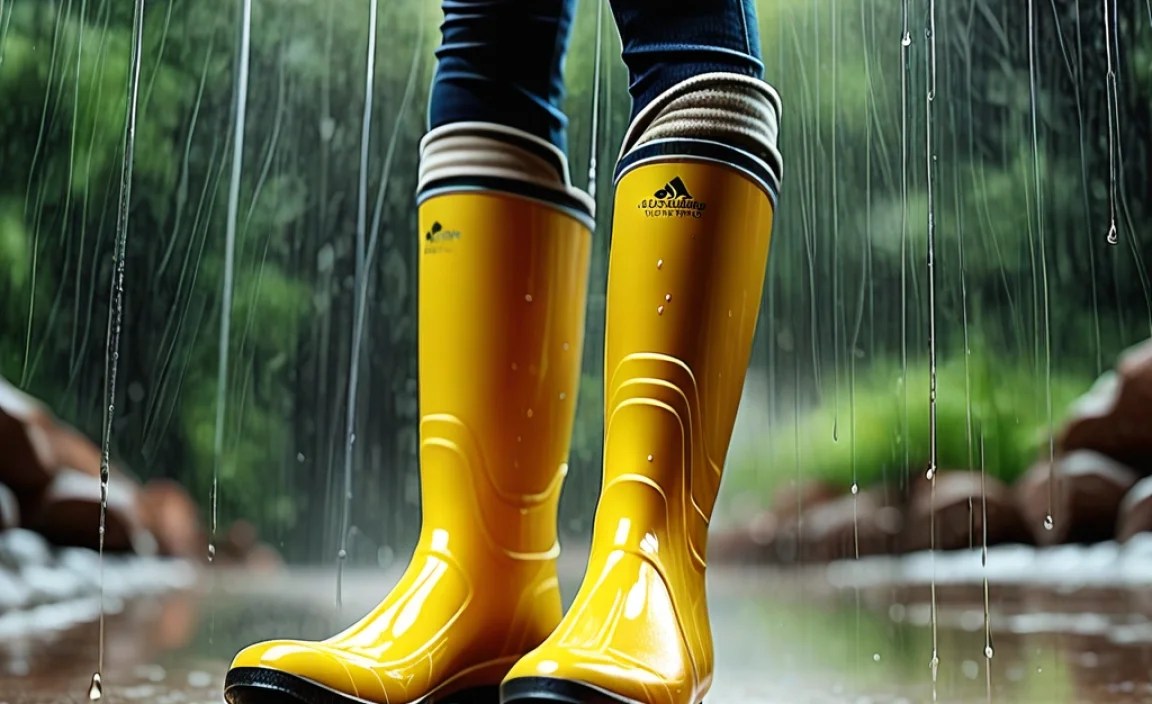
Rain boots, while brilliant at their primary job of keeping water out, often lack the sophisticated design features found in everyday shoes. Think about it: their main focus is waterproofing and durability, not necessarily the intricate support and plush cushioning our feet crave during prolonged wear. This can lead to several common issues:
- Lack of Arch Support: Many rain boots have a flat interior, offering no special support for your arches. This can cause strain, fatigue, and even lead to conditions like plantar fasciitis if worn for extended periods without proper help.
- Minimal Cushioning: The sole of a rain boot is often a single, rigid piece of rubber or PVC. This material provides protection but little to no shock absorption, meaning every step sends a jolt up your leg.
- Poor Ventilation: While this is more of a comfort issue than a direct pain cause, the materials that make rain boots waterproof can also trap moisture and heat, making feet feel sweaty and uncomfortable, which can exacerbate existing foot issues.
- Unsupportive Fit: The molded nature of many rain boots, while ensuring a snug waterproof seal, can sometimes lead to a generic fit that doesn’t accommodate the unique contours of your foot.
These factors combined mean that even a short walk can leave your feet feeling tired, sore, and unsupported. Luckily, there’s a simple and effective solution to combat this common problem.
The Magic of Insoles for Rain Boots Cushioning

Insoles, also known as inserts or orthotics, are specially designed footbeds that you place inside your shoes. They are the unsung heroes of foot comfort and can provide a second life to even the most basic footwear, especially rain boots. When we talk about “insoles for rain boots cushioning,” we’re focusing on inserts that prioritize shock absorption, gentle support, and a softer feel underfoot.
These aren’t your average, flimsy sock liners. High-quality insoles are engineered with advanced materials and ergonomic designs to address the shortcomings of unsupportive footwear. They work by:
- Adding a Protective Layer: They provide a buffer between your foot and the hard sole of the rain boot, absorbing impact with every step.
- Supporting Your Arches: Many insoles feature built-in arch support, helping to distribute pressure evenly and reduce strain on your feet and legs.
- Cradling Your Heels: Designed to cup your heel, these insoles stabilize your foot, preventing excessive movement and reducing the risk of foot fatigue and pain.
- Enhancing Overall Comfort: The combination of cushioning and support creates a more stable and comfortable walking experience, making those long walks in the rain a joy rather than a chore.
Choosing the right insole can feel overwhelming with so many options available. Don’t worry, we’ll guide you through what to look for and how to make the best choice for your feet.
What to Look for in Insoles for Rain Boots

Not all insoles are created equal, and what works wonders for street shoes might not be ideal for the specific environment of a rain boot. When selecting insoles for your watery adventures, keep these key features in mind:
1. Cushioning Level
This is paramount for rain boots. Look for insoles specifically designed with generous cushioning. Materials like EVA foam, gel, or memory foam are excellent choices. The goal is to add a shock-absorbing layer that softens the impact of every step, especially on hard, wet surfaces. A thicker insole generally means more cushioning, but ensure it doesn’t make your boots too tight.
2. Material & Moisture Wicking
Since rain boots are about keeping water out, the inside can sometimes get a bit humid. Opt for insoles made from breathable materials that can help wick away sweat and moisture. Some insoles are treated with anti-odor or anti-microbial properties, which is always a bonus for keeping your boots fresh.
3. Arch Support
Even with ample cushioning, proper arch support is crucial for long-term comfort and foot health. Consider your foot type:
- Neutral Arches: Most insoles will work well.
- Flat Arches (Low Arches): You’ll benefit from moderate to high arch support to help lift and support your foot.
- High Arches: Look for insoles with softer cushioning and less rigid arch support, as high arches often need more shock absorption and flexibility.
If you’re unsure about your arch type, a quick visit to a podiatrist or a specialized shoe store can help you get a professional assessment. For a DIY approach, try the “wet test”: wet your feet and step onto a piece of cardboard or dark paper. The imprint will reveal your arch type.
4. Durability and Water Resistance
Your insoles will be in a damp environment. While many insoles are water-resistant, some materials can break down faster with constant exposure to moisture. Look for durable materials and consider if the insole is easily washable or replaceable. Some materials, like closed-cell EVA foam, are naturally more resistant to moisture than open-cell foams.
5. Fit and Size
This is non-negotiable. Insoles come in various sizes, and some can be trimmed to fit. Measure the inside of your rain boot or compare the insole you’re replacing to find the right fit. An insole that’s too big will bunch up, and one that’s too small will shift, defeating the purpose and potentially causing blisters or discomfort. Most insoles designed for casual shoes can be trimmed with scissors to fit almost any boot.
Types of Insoles for RAIN BOOTS Cushioning
When you head to the store or browse online for insoles, you’ll encounter a few common types, each offering different benefits. For rain boot cushioning, we’ll focus on those that maximize comfort and support:
1. Cushioned Insoles (The Comfort Stars)
These are your go-to for rain boots. They are designed primarily to provide a soft, shock-absorbing layer. They often utilize materials like:
- Memory Foam: Molds to the unique shape of your foot for personalized comfort and excellent shock absorption.
- Gel: Offers superior shock absorption and can provide a cooling sensation. Gel insoles are often very durable.
- EVA Foam (Ethylene-vinyl acetate): A common, lightweight, and flexible cushioning material that provides good shock absorption.
These are ideal for general wear in rain boots when your primary goal is to reduce impact and add softness.
2. Supportive Insoles (For Extra Stability)
These insoles balance cushioning with a more structured design to support your foot’s natural alignment. They often include:
- Built-in Arch Support: Whether moderate or firm, this helps maintain the foot’s natural curve.
- Heel Cups: A deeper heel cup helps to stabilize the foot and control motion, reducing pronation (inward rolling) or supination (outward rolling).
- Semi-Rigid Materials: Often incorporating firmer plastic or composite materials alongside cushioning to provide structural integrity.
These are great if you experience foot fatigue, mild arch pain, or feel your foot rolling too much inside your boots.
3. All-Purpose / Multi-Purpose Insoles
These aim to offer a blend of cushioning and support, making them a versatile choice. They might have a medium level of cushioning and a moderate arch support structure. For rain boots, an all-purpose insole is often a good bet if you’re not dealing with severe foot issues but want a significant upgrade in comfort.
It’s important to note that while these categories exist, many insoles blend features. You’ll find cushioned insoles with mild arch support, and supportive insoles with substantial gel cushioning.
Insole Comparison Table: Cushioning Focus
To help you visualize the differences, here’s a table comparing common insole types often used for enhanced cushioning in footwear like rain boots:
| Insole Type | Primary Benefit | Best For | Considerations for Rain Boots |
|---|---|---|---|
| Memory Foam Insoles | Customized cushioning and shock absorption | Sensitive feet, long periods of standing, general comfort | Can retain heat; look for breathable top layers. May compress over time with heavy use. |
| Gel Insoles | Superior shock absorption, durable cushioning | High-impact activities, foot pain relief, stability | Can be slightly heavier; excellent at dissipating impact in stiff boot soles. |
| EVA Foam Insoles | Lightweight, flexible cushioning, good shock absorption | Everyday comfort, mild support needs, active use | A good all-around choice; often budget-friendly. Can vary in density and durability. |
| Hybrid/All-Purpose Insoles | Balanced cushioning and support | General wear, moderate foot fatigue, versatile comfort | Often a great starting point. Look for water-resistant properties if possible. |
How to Insert and Use Insoles in Your Rain Boots
Adding insoles to your rain boots is incredibly simple, but a few tips can ensure you get the best results. It’s a DIY job that takes only a minute!
Step-by-Step Guide:
- Remove Existing Inserts: If your rain boots came with a removable liner or a flimsy insole, take it out. This creates a clean space for your new insole and prevents stacking, which can make your boots too tight and unstable.
- Size Your New Insoles: If the insoles are too long or wide, you’ll need to trim them. Place your new insole on top of the original one (if you kept it) or directly inside the boot, tracing the outline of the boot’s interior. Use sharp scissors to carefully trim along the traced line. It’s often best to trim a little at a time and re-check the fit, as you can always trim more, but you can’t add material back. The goal is a snug fit without bunching.
- Place the New Insole: Put the trimmed insole into the rain boot, ensuring it lies flat and the heel cup (if present) sits correctly at the back of the boot. Make sure there are no wrinkles or overlaps.
- Test the Fit: Put on your rain boot with the new insole. Walk around a bit. Does it feel comfortable? Is there enough room for your foot without it being too tight? If it feels too snug, you might need to trim slightly more, or consider a thinner insole.
- Wear Them In: Most insoles don’t require a lengthy break-in period, but it’s always a good idea to wear boots with new insoles for a shorter period initially (e.g., an hour or two) and gradually increase the duration. This allows your feet to adjust to the new support and cushioning.
Maintenance Tips for Longevity:
- Air Them Out: After wearing your rain boots, if they are damp, remove the insoles and let them air dry completely away from direct heat.
- Clean Gently: Most cushioning insoles can be cleaned with mild soap and water. Avoid harsh detergents or abrasive scrubbers. Let them air dry thoroughly.
- Replace When Worn: Insoles don’t last forever. Signs they need replacing include flattened cushioning, worn-out arch support, or persistent odor. For regular use, consider replacing them every 6–12 months.
Comparing Insoles to Other Footwear Solutions
While insoles are a fantastic, accessible solution for rain boots, they’re not the only way to address foot comfort. It’s helpful to see how they stack up against other popular options:
1. Custom Orthotics
These are prescription-made devices, specifically molded to your feet by a podiatrist. They offer the highest level of support and correction for complex foot conditions.
- Pros: Highly personalized, excellent for severe biomechanical issues, pain relief.
- Cons: Expensive, can take time to get, often not ideal for the basic structure of many thick-soled rain boots (though some can be adapted).
Insoles vs. Custom Orthotics: For adding general cushioning and standard support to rain boots, over-the-counter insoles are much more practical and affordable. Custom orthotics are typically reserved for specific medical needs and are best used in more structured, everyday shoes.
2. Shoe Inserts (Different Types)
We’ve covered cushioned and supportive, but there are also:
- Activity-Specific Insoles: For running or hiking, focusing on high-impact or specific terrain needs.
- Medical/Therapeutic Insoles: Designed to address conditions like diabetes or severe heel pain.
Insoles vs. Other Inserts: For rain boots, you’re primarily looking for cushioned and supportive insoles. Activity-specific ones designed for high impact (like running) can also be excellent for shock absorption in boots. Medical insoles are usually best discussed with a healthcare professional.
3. Wearing Thicker Socks
A classic approach to adding comfort and warmth to boots.
- Pros: Adds slight cushioning and a lot of warmth; readily available.
- Cons: Limited support, can make boots too tight if too thick, doesn’t address underlying arch or sole support issues.
Insoles vs. Socks: Thick socks can add a little padding, but they don’t provide structured support or significant shock absorption like a good insole. Insoles work with socks to create a superior comfort experience. For example, a wool sock combined with a cushioned insole offers the best of both worlds.
4. Molded Shoe Liners/Footbeds
Some shoe brands offer specific aftermarket footbeds designed to fit their shoes. While not always for rain boots specifically, some generic molded footbeds can provide a decent compromise.
- Pros: Can offer better fit than generic insoles.
- Cons: Limited selection, might not be available for all boot types, often less advanced cushioning than dedicated insoles.
Insoles vs. Molded Liners: Dedicated insoles typically offer a wider range of cushioning technologies and support features tailored to solving comfort problems across various footwear, making them a more versatile choice for rain boots.
Overall, for enhancing the comfort and cushioning of rain boots, dedicated cushioned and supportive insoles are generally the most effective and practical solution.
Expert Tips for Maximum Rain Boot Comfort
Beyond just choosing the right insoles, a few extra tips can elevate your rain boot experience from tolerably dry to truly comfortable:
- Consider Boot Fit: Even with insoles, a boot that’s fundamentally too small or too large will be uncomfortable. Ensure your rain boots have enough toe room before adding insoles.
- Layering is Key: Combine your new insoles with moisture-wicking socks made from materials like merino wool or synthetic blends. This combination keeps feet dry from both external moisture (rain) and internal moisture (sweat). Avoid cotton for wet weather, as it holds moisture and can lead to blisters.
- Proper Lacing/Securing: If your rain boots have any lacing or adjustable straps, ensure they are snug but not constricting. This helps keep your foot stable within the boot, working with the insole for optimal support.
- Alternate Footwear: Even with the best insoles, it’s wise not to wear your rain boots all day, every day. If possible, switch to more supportive and breathable shoes for extended periods indoors or for activities that don’t require waterproof footwear. This allows your feet to recover and breathe.
