Radiologists don’t have to endure foot pain. Comfortable insoles can provide essential support and cushioning for long hours spent standing, significantly improving workday comfort and reducing fatigue. Choosing the right insoles makes a noticeable difference.
Standing for extended periods can be a real challenge, especially for professionals like radiologists who spend a significant portion of their day on their feet. The constant pressure on your feet, ankles, and even your back can lead to discomfort, fatigue, and sometimes, persistent pain. But what if there was a straightforward solution that could make those long hours feel significantly better? There is! We’re going to explore how the right insoles can be a game-changer for radiologists, providing the essential comfort and support you deserve.
In this guide, we’ll dive into why standing comfort is so critical for your role and how insoles can be your secret weapon. We’ll break down what to look for in the best insoles, offer some top picks tailored for standing professionals, and give you practical tips for using them effectively. Get ready to step into a world of more comfortable workdays!
The Radiologist’s Standing Challenge: Why Comfort Matters

Radiologists are the critical eyes behind countless medical diagnoses, meticulously examining images to provide vital information. While much of their work involves sitting at a workstation, there are often periods, particularly during rounds, patient consultations, or when repositioning equipment, that require prolonged standing. This isn’t like occasional standing; it’s continuous, often on hard hospital floors, day in and day out.
The feet are complex structures designed for movement, not for bearing static weight for hours on end. When subjected to prolonged standing, the arches can flatten, the plantar fascia can become strained, and pressure can build up in the heel and ball of the foot. This can lead to a cascade of issues:
- Foot Pain: Especially in the arches, heels, and balls of the feet.
- Plantar Fasciitis: Inflammation of the tissue band along the bottom of your foot.
- Metatarsalgia: Pain and inflammation in the ball of the foot.
- Fatigue: General tiredness in the legs and feet, affecting overall energy.
- Ankle and Knee Discomfort: Pain can radiate upwards due to poor support and alignment.
- Back Pain: Improper foot support can alter your posture, leading to back issues.
For a profession that requires intense focus and detailed work, physical discomfort is a significant distraction and can even impact performance. Finding a way to alleviate this strain is not just about comfort; it’s about maintaining overall well-being and enabling you to perform your duties at your best.
Understanding Insoles: Your Foot’s Best Friend

Insoles, also known as shoe inserts or orthotics, are designed to be placed inside your shoes to provide additional cushioning, support, and alignment. They are not just generic pads; they can be specifically designed to address various foot conditions and support needs. For professionals who spend a lot of time standing, insoles can:
- Absorb Shock: They act as a buffer, reducing the impact on your feet with every step and during prolonged standing.
- Provide Arch Support: A well-supported arch helps distribute weight more evenly across the foot, reducing strain.
- Improve Alignment: They can help correct pronation (inward rolling of the foot) or supination (outward rolling), promoting a more natural gait and posture.
- Cushion Pressure Points: They can add extra padding to areas that experience high pressure, like the heel or the ball of the foot.
- Enhance Stability: Better foot support can lead to greater overall body stability.
The key is choosing the right type of insole for your specific needs. For radiologists, the focus is primarily on comfort, shock absorption, and sustained support throughout a long workday.
Choosing Insoles for Radiologists Standing

Not all insoles are created equal, and what works for a runner might not be ideal for someone standing for 8-10 hours a day. Here’s what to look for when selecting insoles for extended standing:
Types of Insoles
Insoles generally fall into a few categories, but for standing comfort, we’re looking at supportive and comfort-focused options:
- Supportive/Orthotic Insoles: These are designed to provide structured support, often with a firmer heel cup and contouring to cradle the foot’s natural arches. They are excellent for people who need help with foot alignment and stability.
- Cushioning Insoles: While all good insoles offer some cushioning, this type prioritizes plush comfort. They often use softer materials like gel or foam to maximize shock absorption.
- Combination Insoles: The sweet spot for many standing professionals. These blend supportive elements with generous cushioning, offering the best of both worlds.
Key Features to Consider
When browsing for insoles, keep these features in mind:
- Arch Support: Look for insoles that offer moderate to firm arch support. This helps maintain the natural shape of your foot and distributes pressure. High arches often need more cushioning, while flat feet may benefit from more structured support to prevent overpronation.
- Heel Cushioning: A deep, well-cushioned heel cup is crucial. It absorbs impact from standing and walking, protecting your heel bone from jarring.
- Metatarsal Support: If you experience pain in the ball of your foot, look for insoles with metatarsal pads or a contour designed to relieve pressure in this area.
- Material: Medical-grade foam, gel, or specialized composite materials offer the best combination of cushioning, durability, and shock absorption. Avoid very thin, flimsy insoles that offer little more than a thin layer of foam.
- Durable Construction: Your insoles will be under constant stress. Opt for brands known for quality and durability.
- Breathability: Look for materials that allow air circulation to help keep your feet dry and comfortable, reducing the risk of blisters or odor.
- Fit and Depth: Insoles need to fit well within your shoes. Some shoes have more room than others. Consider the depth of the insole – some are low-profile, while others offer more volume.
Consider Your Existing Footwear
The type of shoes you wear daily as a radiologist also plays a role. While you might have specific footwear for hospital settings (e.g., comfortable loafers, supportive shoes), the insoles should complement them. Some insoles are designed for athletic shoes, while others are better suited for dressier or casual shoes.
Top Picks: Insoles for Radiologists Standing All Day

Based on the needs of professionals who stand for long hours, here are some types and brands that consistently receive high marks for comfort and support. Remember to check the specific product details for features like arch support level and cushioning type.
Recommended Insole Models (Examples)
These examples represent different approaches to comfort and support, catering to various preferences:
- Superfeet Green Inside: Known for their robust support and semi-rigid construction, these are excellent for providing biomechanical support and distributing pressure evenly. They offer moderate cushioning and a deep heel cup. Good for those who need strong arch and heel support.
- Hoka One One Hokaido (or similar cushioning insoles): While Hoka is known for running shoes, their insoles often feature excellent shock absorption. Look for models that focus on maximal cushioning. These are great for alleviating impact on hard surfaces.
- Powerstep Pinnacle Maxx: These premium insoles offer a balance of firm, semi-rigid support for the arch and heel, combined with substantial cushioning. They are designed to help control overpronation and reduce foot fatigue.
- Spenco RX Comfort: Spenco offers a range of cushioning insoles that are often more budget-friendly. Their gel or foam-based options provide good shock absorption and a softer feel, ideal for those who prioritize plush comfort.
- CurrexSole Dynamic Support (e.g., the “Work” or “RunPro” models): Currex offers different insoles tailored to specific activities and foot types. Their “Work” or “Pro” series generally provides excellent shock absorption and support for prolonged standing. They often feature advanced materials for enhanced performance and comfort.
How to Choose Based on Your Needs: A Quick Guide
Here’s a simple table to help you narrow down your options:
| Primary Need | Recommended Insole Type/Feature | Example Brands/Models |
|---|---|---|
| General Standing Discomfort & Fatigue | Balanced support and cushioning, moderate arch support. | Powerstep Pinnacle Maxx, CurrexSole “Work” |
| Heel Pain or Plantar Fasciitis | Deep heel cup, firm heel support, good arch contouring, shock absorption. | Superfeet Green, Powerstep Pinnacle |
| Pain in the Ball of the Foot (Metatarsalgia) | Metatarsal support/padding, even pressure distribution, good cushioning. | Look for models with specific metatarsal domes or consider custom options. |
| Desire for Maximum Softness & Shock Absorption | Thick gel or high-rebound foam, softer overall feel. | Spenco RX Comfort (Gel/Foam), some Hoka insoles. |
| Overpronation (Foot Rolls Inward Significantly) | Structured support, firm arch contour, motion control features. | Superfeet (various models), Powerstep (specific stability lines) |
Remember, this is a general guide. The best insole for you is the one that feels most comfortable and supportive when worn for extended periods. If possible, try them on in a store or purchase from a retailer with a good return policy.
Getting Started: How to Use Insoles Effectively
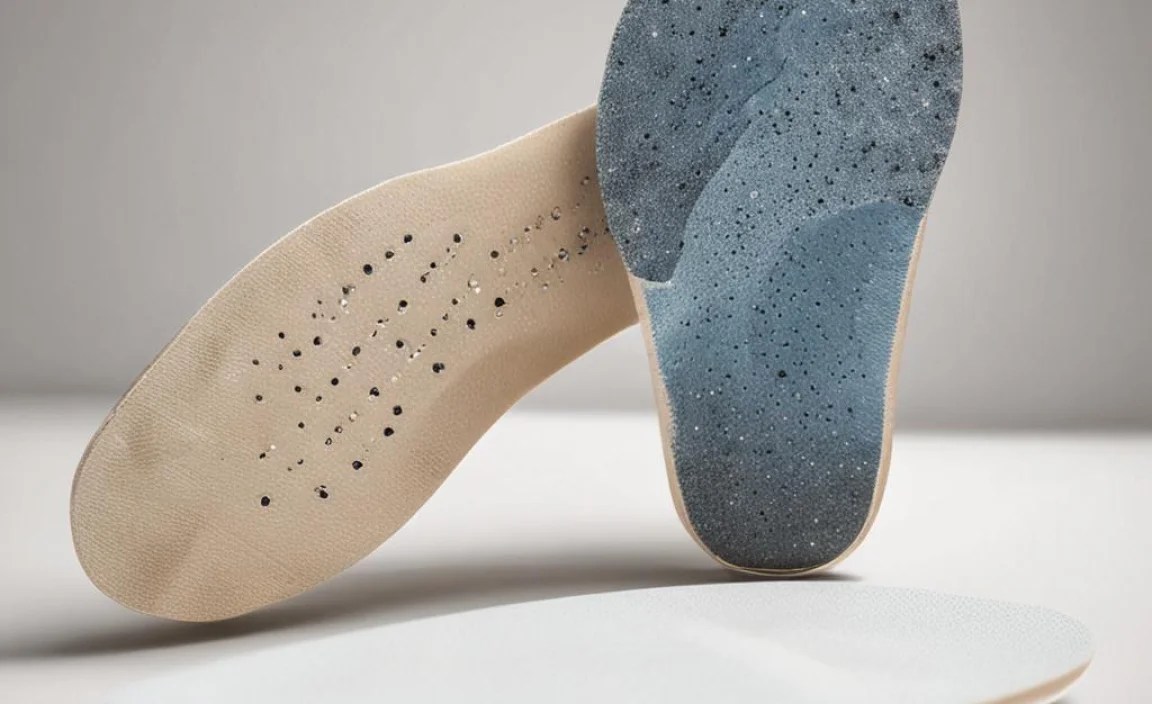
Simply putting insoles into your shoes is the first step, but there are a few more things you can do to maximize their benefits and ensure a smooth transition:
1. Prepare Your Shoes
Most insoles are designed to replace your shoe’s existing insole. Carefully remove the original manufacturer’s insole if possible. Some are glued in, so if it’s difficult to remove without damaging the shoe, you can often place the new insole on top, though this may slightly change the shoe’s fit and feel.
2. Break Them In Gradually
Even the most comfortable insoles might feel a little different at first. It’s wise to ease into wearing them. Start by wearing your new insoles for a few hours a day and gradually increase the duration. This allows your feet and your body to adapt to the new level of support and cushioning.
A good break-in schedule might look like this:
- Day 1-2: Wear for 2-4 hours per day.
- Day 3-4: Wear for 4-6 hours per day.
- Day 5 onwards: Wear for your full workday as needed.
3. Check the Fit in Your Shoes
Once the insoles are in, try on your shoes. Your feet should feel secure but not cramped. There shouldn’t be any excessive slipping or rubbing. If the shoes feel too tight, you might need to loosen your laces or consider insoles with a lower profile.
4. Listen to Your Body
Pay attention to how your feet feel. Some initial mild adjustment is normal, but persistent or increasing pain is a sign that the insoles might not be the right fit for you or that you need to adjust your break-in period. If pain continues, consult with a podiatrist.
5. Proper Maintenance
To ensure your insoles last longer and remain effective, follow the manufacturer’s care instructions. Many can be cleaned with mild soap and water and air-dried. Avoid direct heat, which can damage the materials.
Beyond Insoles: Other Comfort-Enhancing Tips for Radiologists
While insoles are a powerful tool, integrating them into a broader strategy for foot and leg comfort can yield even better results. Consider these additional tips:
- Invest in Supportive Footwear: Even with the best insoles, shoes that are too flat, too flimsy, or too worn out won’t provide adequate support. Opt for quality shoes with good cushioning, a stable heel, and a supportive sole. Many comfortable, stylish shoes are available that are perfectly suitable for a professional environment.
- Incorporate Movement Breaks: Whenever possible, shift your weight, walk around for a minute or two, or do some gentle stretches. Even short breaks can help relieve pressure and improve circulation.
- Compression Socks: These can significantly help with circulation and reduce swelling and fatigue in the legs and feet, especially during long periods of immobility or standing.
- Elevation: If you have a moment to rest your feet, elevating them can help reduce swelling and promote blood flow back towards the heart.
- Foot and Leg Exercises: Simple exercises, like calf raises, ankle circles, and toe curls, can strengthen the muscles that support your feet and ankles.
- Stay Hydrated: Proper hydration is essential for overall bodily function, including the health of tissues and joints.
- Maintain a Healthy Weight: Excess body weight puts additional strain on your feet and contributes to foot pain.
For more in-depth information on foot health and how to alleviate common foot problems, you might find resources from the American Podiatric Medical Association (APMA) helpful. They offer a wealth of information on foot health conditions and prevention strategies.
Frequently Asked Questions (FAQ)
Q1: Do I need a prescription for good insoles?
A: No, you don’t! Many excellent over-the-counter insoles are available that provide significant support and comfort for everyday use, including for professionals who stand for long periods. Prescription orthotics are typically custom-made by a podiatrist for specific, complex medical conditions.
Q2: How long do insoles typically last?
A: The lifespan of insoles varies based on material, quality, usage, and your weight. Generally, good-quality over-the-counter insoles can last anywhere from 6 to 12 months of regular, daily use. You’ll know it’s time to replace them when they lose their cushioning, support, or start to flatten out.
Q3: Can insoles help with lower back pain?
A: Yes, they often can! Poor foot alignment and lack of support can contribute to changes in posture, which can then lead to strain in the knees, hips, and lower back. By improving foot support and alignment, insoles can help promote better overall body posture, potentially reducing back pain.
Q4: Should I wear insoles in all my shoes?
A: It’s generally recommended to wear insoles in the shoes you use most frequently for standing or walking. If you have a specific pair of shoes you wear daily for work, these are the most important ones to equip. For very casual or short-duration shoes (like slippers or very light sandals), they might not be necessary, but for your main-use shoes, they are highly beneficial.
Q5: What’s the difference between cushioning and support insoles?
A: Cushioning insoles primarily focus on absorbing shock and providing a softer, more comfortable feel. Support insoles, on the other hand, are designed to provide structure, maintain the foot’s natural arches, and help with alignment. For prolonged standing, a combination of both cushioning and support is often ideal.
Q6: Can insoles help if I have flat feet?
A: Absolutely. Insoles with good arch support can be incredibly beneficial for individuals with flat feet. They help to lift and support the arch, distribute weight more evenly, and can help prevent overpronation (the inward rolling of the foot), which is common with flat feet and can lead to pain.
Q7: How do I know if my existing shoe insoles are still good?
A: If your current insoles are flattened, worn out, or no longer provide noticeable cushioning or support, it’s time for a change. You can often tell by looking at them – if they’re compressed or have lost their original shape, their effectiveness is reduced. Also, if you’re experiencing foot fatigue or pain that you didn’t before, your insoles might be the culprit.
Conclusion: Step Confidently into Comfort
Working as a radiologist demands incredible focus and dedication, and your ability to do your job effectively shouldn’t be compromised by foot pain and fatigue. The prolonged standing you may experience doesn’t have to be a source of constant discomfort. By understanding the impact of standing on your feet and by strategically choosing and using the right insoles, you can significantly enhance your daily comfort and well-being.
We’ve explored how insoles provide essential shock absorption, cushioning, and arch support, acting as a vital tool for any professional who spends hours on.
