Insulating insoles offer a valuable layer of protection against punctures, especially when combined with appropriate footwear. They add cushioning and can help distribute force more evenly, potentially reducing the impact of sharp objects reaching your foot.
Are you worried about stepping on something sharp? Whether you work in a demanding environment or enjoy outdoor hobbies, a stray nail, shard of glass, or sharp stone can turn a good day into a painful one. The good news is that you don’t always need to buy brand-new, specialized boots for puncture protection. Sometimes, the simple addition of the right insoles can make a significant difference. This guide will walk you through how insulating insoles can bolster your foot’s defense and keep you moving comfortably and safely.
Insulating Insoles: More Than Just Warmth

When we think of “insulating” insoles, warmth often comes to mind first. They’re fantastic for keeping your feet cozy in chilly weather. However, this insulating property means they’re often made from materials that also offer cushioning and a degree of shock absorption. This cushioning is key to how insoles can contribute to puncture protection.
Think of it like walking on a thick rug versus walking on bare tile. The rug absorbs some of the impact and distributes it. Similarly, a well-designed insulating insole can spread the force of a sharp object across a larger area of your foot. While they aren’t a direct replacement for steel toes or a puncture-resistant sole, they can add an extra layer of defense that makes a noticeable difference.
Understanding Puncture Risk and Your Foot

Our feet are remarkably tough, but they have their limits. Punctures can happen anywhere: on a construction site, a hiking trail, even just walking through your garden. The severity of a puncture depends on several factors:
- The object: A thin nail is different from a thick screw.
- The force: How hard did you step down?
- The footwear: The sole’s thickness and material play a huge role.
- Your foot’s position: Stepping on something at an angle can be worse than stepping directly on top.
Insoles can influence the “force” and “footwear” aspects. By adding a resilient layer, they absorb some of the initial impact, preventing the full force from reaching your sole and potentially piercing it. They also create a buffer, which can be crucial for preventing minor punctures from becoming major injuries.
How Do Insoles Help Prevent Punctures?
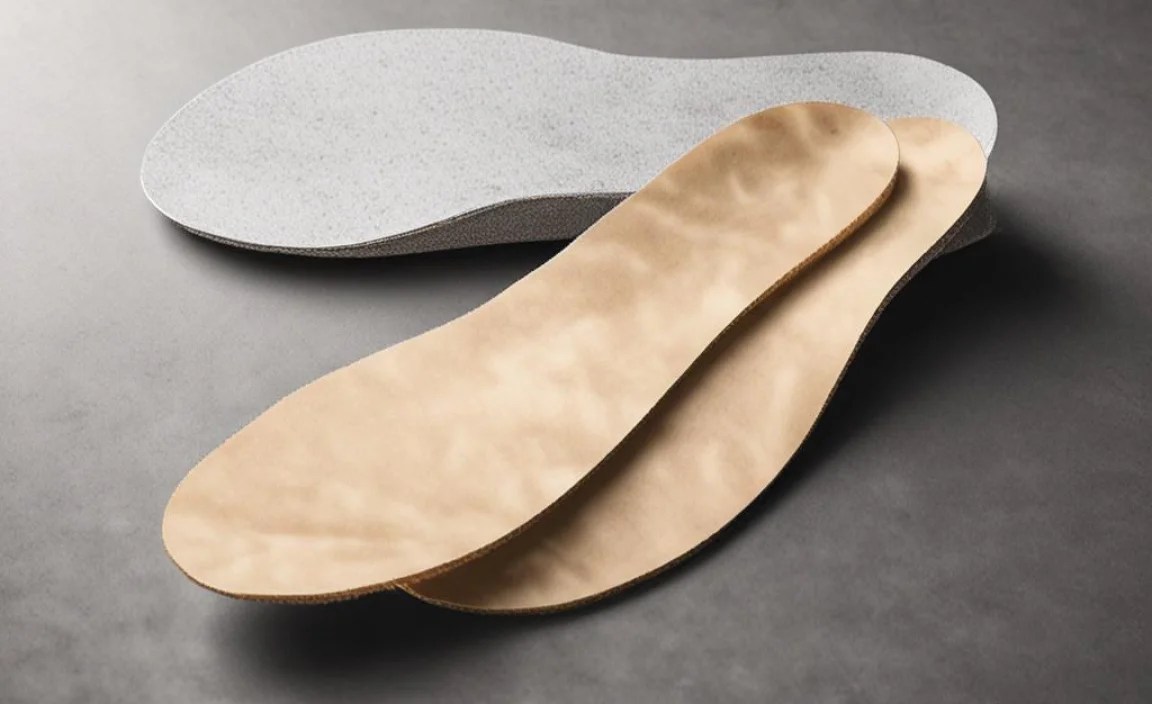
The magic of insoles, especially those with insulating properties, lies in their construction and materials:
- Cushioning Materials: Many insulating insoles are made from EVA (ethylene-vinyl acetate), polyurethane, or thick felt. These materials are inherently shock-absorbent. When a sharp object presses against the sole of your shoe, the insole material compresses and distributes the pressure. This can “blunt” the immediate point of impact.
- Thickness: A thicker insole provides a greater buffer. The extra material acts as a sacrificial layer, absorbing some of the pressure before it even reaches your shoe’s original sole.
- Arch Support and Stability: Good insoles can improve your gait and posture. By providing better support, they can help you walk more evenly, potentially reducing the chance of stepping directly onto a sharp object in a way that concentrates all the force on a single point.
- Force Distribution: Imagine pressing a pin onto a balloon versus pressing it onto a firm surface. The balloon distributes the pressure. Insoles work similarly, spreading the force of a sharp object over a wider area of your shoe’s sole, making a complete puncture less likely.
Choosing the Right Insulating Insoles for Protection
Not all insulating insoles are created equal when it comes to puncture resistance. Here’s what to look for:
Material Matters
Prioritize insoles made from dense, resilient materials:
- EVA (Ethylene-vinyl acetate): Offers good cushioning and shock absorption. Look for firmer, denser EVA options for better protection.
- Polyurethane: Generally more durable and shock-absorbent than EVA. It’s often found in higher-quality insoles.
- Thick Felt or Wool: Excellent for warmth and can provide a significant amount of cushioning, especially when very dense and thick.
Avoid very thin or flimsy insoles, as they will offer minimal protective benefits.
Thickness and Density
A thicker insole, typically 3mm to 10mm or more, will offer better cushioning and a greater buffer against punctures. Density is just as important as thickness; a dense material won’t compress too easily, providing more sustained protection.
Rigidity vs. Flexibility
For puncture protection, a slightly more rigid insole can be beneficial. While some flexibility is good for comfort, an insole that’s too soft might not be able to resist the full force of a sharp object. Look for insoles that offer support without being overly stiff or uncomfortable.
Specific Features for Protection
Some insoles are designed with puncture resistance in mind. These might:
- Incorporate a special thin, flexible plate within the insole material.
- Utilize layered materials with varying densities to maximize shock absorption.
- Be marketed specifically for use in work boots or rugged footwear.
When Insoles Aren’t Enough: The Role of Footwear
It’s crucial to understand that insoles are a supplementary measure. They enhance the protection offered by your footwear, but they don’t replace it. For environments with a high risk of punctures, specialized footwear is essential. This includes:
- Puncture-Resistant Soles: Many work boots and safety shoes feature soles made from materials like Kevlar or hardened rubber with embedded plates designed to stop sharp objects. The Occupational Safety and Health Administration (OSHA) provides guidelines on personal protective equipment, including requirements for foot protection in hazardous environments.
- Steel or Composite Toes: While more for impact protection, sturdy boots inherently offer a more robust sole construction.
- Thicker Outsole Materials: Boots designed for hiking, construction, or outdoor work often have thicker, more durable rubber or synthetic outsoles that offer inherent resistance to punctures.
Adding an insulating insole to a flimsy casual shoe will provide some benefit, but it won’t offer the same level of protection as adding it to a boot designed with a substantial sole. Always consider your footwear’s base protection first.
Popular Types of Insulating Insoles (and how they help)
Here’s a look at common types of insulating insoles and their protective qualities:
| Insole Type | Primary Material | Warmth | Cushioning/Shock Absorption | Puncture Resistance Contribution | Best For |
|---|---|---|---|---|---|
| Felt/Wool Insoles | Felted wool or synthetic fibers | Excellent | Good (if thick and dense) | Adds a soft buffer, can distribute minor pressure. | Cold weather, general comfort, adding a layer to thinner soles. |
| EVA Foam Insoles | Ethylene-vinyl acetate (EVA) | Moderate | Very Good | Good. The foam compresses to absorb impact and spread force. Density is key. | Athletic shoes, casual shoes, work shoes needing extra cushioning. |
| Polyurethane (PU) Insoles | Polyurethane | Moderate | Excellent | Very Good. Durable and resilient, absorbs impact well without deforming quickly. | Work boots, hiking boots, shoes for extended standing. |
| Gel Insoles | Silicone or other gel compounds | Minimal to Moderate | Excellent (especially for targeted pressure points) | Limited. Primarily focused on shock absorption, less on puncture resistance of the pad itself. | High-impact activities, relief from specific foot pain. |
| Specialized Protective Insoles | Layered materials, sometimes with thin plates (e.g., non-woven fabrics, polymers) | Moderate | Good to Very Good | Excellent. Designed to resist the penetration of sharp objects. | High-risk environments, industrial settings, demanding outdoor use (when not using specialized boots). |
How to Use Insulating Insoles for Maximum Protection
Simply slipping in an insole isn’t always enough. Here’s how to get the most out of them:
- Choose the Right Size and Fit: Insoles come in different sizes and can often be trimmed. Ensure the insole fits your shoe snugly without bunching up or creating pressure points. An ill-fitting insole can actually cause discomfort and reduce effectiveness.
- Remove Existing Insoles (Optional but Recommended): If your shoe has a removable insole, take it out before inserting the new one. This ensures a proper fit and prevents your shoe from becoming too tight.
- Insert Correctly: Place the new insulating insole into your shoe with the padded side up. Ensure it lies flat and covers the entire footbed.
- Test for Comfort and Fit: Wear the shoes with the new insoles for a short period. Walk around. Do you feel any pinching, rubbing, or excessive tightness? Minor adjustments might be needed.
- Consider Your Footwear: As mentioned, insoles work best as an addition to sturdy footwear with a good base sole. They are not a substitute for safety-rated footwear when required.
- Replace When Worn Out: Insoles don’t last forever. Over time, the cushioning materials compress, and their effectiveness diminishes. Replace them when you notice they are no longer providing the same level of comfort or support. Signs include flattened areas, decreased shock absorption, or persistent foot discomfort.
Daily Habits for Healthier, Safer Feet
Beyond insoles, a few simple practices can significantly improve your foot health and reduce the risk of injury:
- Regular Foot Inspection: Especially if you work in a hazardous environment, take a moment each day to check your feet for any cuts, blisters, or signs of injury.
- Proper Foot Hygiene: Keep your feet clean and dry to prevent infections.
- Wear Appropriate Footwear: Always choose shoes that are suitable for your activity. Running shoes for running, sturdy boots for construction, and sandals for the beach.
- Listen to Your Feet: If your feet hurt, don’t ignore it. Pain is your body’s signal that something is wrong.
- Stretch and Strengthen: Simple foot exercises can improve flexibility and the strength of the small muscles in your feet, contributing to better stability and less susceptibility to injury. Resources like the American Podiatric Medical Association (APMA) offer excellent advice on foot care and exercises.
Pros and Cons of Using Insulating Insoles for Puncture Protection
Let’s break down the advantages and limitations:
| Pros | Cons |
|---|---|
| Enhanced Comfort: Adds cushioning and reduces fatigue. | Not a Complete Solution: Does not replace certified puncture-resistant footwear in high-risk settings. |
| Improved Shock Absorption: Helps reduce impact on joints. | Can Make Shoes Tighter: Adding thickness may reduce shoe volume. |
| Cost-Effective Protection: Cheaper than buying new safety boots. | Durability Varies: Cheaper insoles may wear out quickly. |
| Versatile Use: Can be used in various types of footwear. | Trimming May Be Required: Can be fiddly if they don’t fit perfectly out of the box. |
| Adds a Buffer: Provides an extra layer against sharp objects. | Not All are Equal: Material choice and density significantly impact effectiveness. |
When to Consider Specific “Insulated Insoles for Puncture Resistant Boots”
The keyword “insoles for puncture resistant boots” suggests a specific user need: optimizing protection within footwear already designed for safety. If you already own boots with a puncture-resistant sole, adding a high-quality insulating insole can further enhance your experience.
- For Increased Comfort: Even puncture-resistant boots can be stiff. A good insole adds much-needed cushioning for long shifts or extended hikes.
- For Added Warmth: If your puncture-resistant boots are a bit drafty, an insulating insole can significantly boost warmth without compromising safety.
- For Enhanced Shock Absorption: The rigid nature of puncture-resistant soles can sometimes transmit more shock. An insulating insole can absorb landing impacts, making walking and standing more comfortable.
- To Replace Worn-Out Insoles: If the original insoles in your puncture-resistant boots have flattened, replacing them with a suitable insulating aftermarket option is a smart move.
When looking for insoles specifically for this purpose, focus on durability, good cushioning (often EVA or PU), and a thickness that won’t make your boots too tight. You’re looking to complement, not compromise, the existing safety features of your boots.
FAQs about Insulating Insoles and Puncture Protection
Q1: Are insulating insoles truly puncture-proof?
A: No, insulating insoles are not puncture-proof on their own. They add a significant layer of cushioning and shock absorption, which can help distribute the force of sharp objects and reduce the likelihood of a puncture. However, for serious puncture protection, footwear with a certified puncture-resistant sole is necessary.
Q2: Can I put insulating insoles in any shoe for puncture protection?
A: You can put them in most shoes for added cushioning, but their effectiveness for puncture protection is greatly enhanced when used with shoes that have a reasonably thick and sturdy sole already. They offer more benefit in boots or more robust footwear than in very thin-soled casual shoes.
Q3: How thick should an insulating insole be for good protection?
A: For noticeable cushioning and a better buffer, look for insoles that are at least 5mm thick, with 8mm to 10mm offering even more benefit. However, extremely thick insoles might make your shoes too tight.
Q4: Will insulating insoles make my shoes too tight?
A: Possibly. Adding any insole increases the volume inside your shoe. If your shoes are already a snug fit, adding a thicker insole might make them uncomfortable. It’s often best to remove the shoe’s original insole if it’s removable.
Q5: How often should I replace insulating insoles?
A: This depends on the quality of the insole and how often you wear them. On average, they might last anywhere from 6 months to a year of regular use. When they lose their cushioning, flatten out, or you start to feel foot pain again, it’s time for a replacement.
Q6: Are felt insoles good for puncture resistance?
A: Thick, dense felt insoles can offer a good amount of cushioning, which helps in distributing pressure. They act as a soft buffer. However, materials like high-density EVA or PU might offer more resilient shock absorption and a more consistent defense against sharp objects.
Conclusion
Insulating insoles are a fantastic, accessible way to boost comfort and add an extra layer of defense for your feet. While they aren’t a magical shield against every sharp object, their cushioning and shock-absorbing properties can make a real difference in preventing minor punctures and reducing the impact of pressure points. By choosing the right materials, thickness, and understanding their role as a supplement to robust footwear, you can significantly improve your foot safety and daily comfort. Remember to always consider your specific environment and footwear needs, and if in doubt, opt for footwear specifically designed for high-risk conditions.
