Insoles for pumps cushioning provide immediate relief from discomfort, offering a soft layer to absorb shock and reduce pressure points. Choosing the right ones can transform how your feet feel, allowing you to wear your favorite heels with confidence and ease all day long.
Do your favorite pumps leave your feet aching by the end of the day? You’re not alone! Many stylish shoes, especially heels, lack the proper support and cushioning our feet crave. This can lead to all sorts of discomfort, from throbbing arches to stinging heels. But don’t worry, there’s a simple solution that can make a world of difference: insoles specifically designed for cushioning in pumps. These aren’t your average shoe inserts. They’re crafted to fit snugly into your favorite heels, providing that much-needed soft landing with every step. In this guide, we’ll explore how these clever little inserts can bring blissful comfort to your feet. Get ready to rediscover the joy of wearing your favorite shoes without the pain!
Insoles for Pumps Cushioning: Your Essential Comfort Guide

When it comes to our feet, comfort is key, especially when wearing dressier shoes like pumps. Many beautiful pumps, while stylish, often fall short in the cushioning department. This can turn a night out or a busy workday into an endurance test. Fortunately, specialized insoles for pump cushioning can be a game-changer. They are designed to add a layer of plush comfort, absorb impact, and redistribute pressure, making your favorite heels feel like a dream. Let’s dive into why these insoles are a must-have for anyone who loves to wear pumps.
Why Your Pumps Need Cushioning
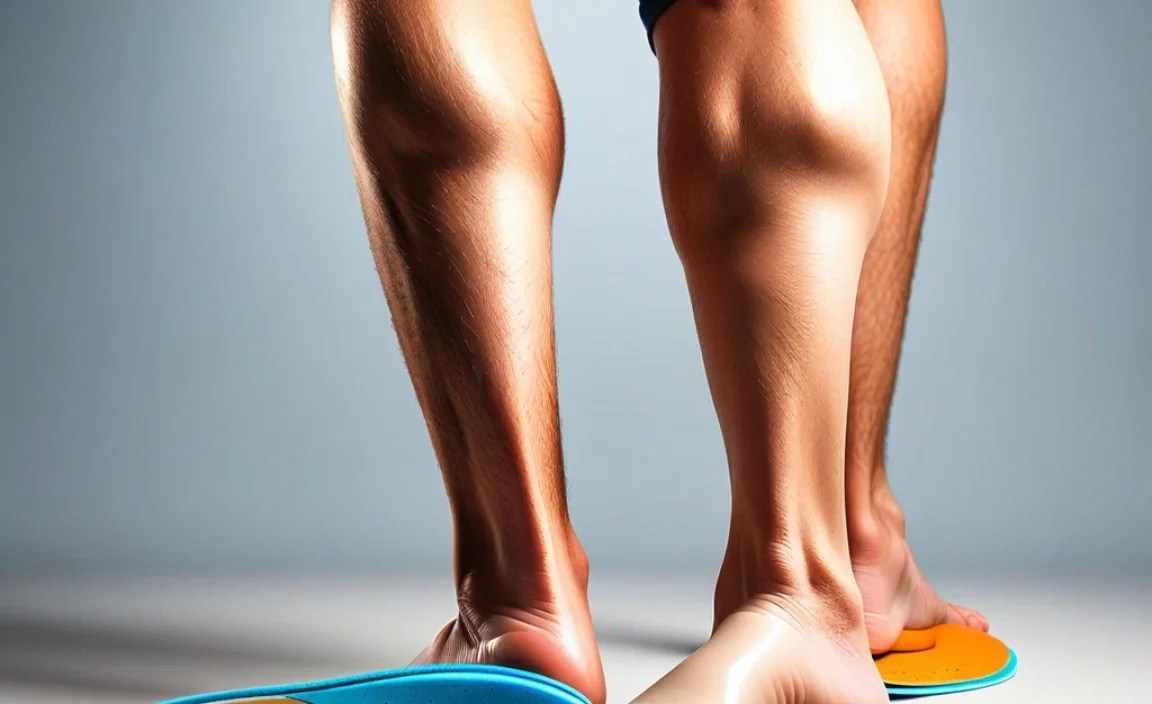
Pumps, by their very nature, often prioritize aesthetics over comfort. Their sleek design can mean thin soles and minimal internal padding. This leaves your feet vulnerable to:
- Impact: Every step you take in heels sends shockwaves up your legs and feet. Without adequate cushioning, this impact is directly absorbed by your bones and joints.
- Pressure Points: The ball of your foot and your heels often bear the brunt of the pressure when wearing pumps, leading to soreness and burning sensations.
- Reduced Shock Absorption: The hard surfaces we walk on offer no natural give. The shoe needs to provide this, and often, standard pumps do not.
- Long Hours: Wearing any shoe for extended periods can be challenging, but pumps exacerbate this due to their structural design.
Adding specific cushioning insoles can significantly counteract these issues. They act as a buffer, softening each step and distributing weight more evenly. This makes a substantial difference in how your feet feel, allowing you to enjoy wearing your pumps for longer periods without discomfort.
Types of Insoles for Pump Cushioning

Not all insoles are created equal, and for pumps, you need something that’s thin enough to fit without making your shoes too tight, yet effective enough to provide real comfort. Here are the most common types:
Gel Insoles
Gel insoles are a popular choice for pump cushioning. They are made from a gel-like material that conforms to the shape of your foot, offering a springy feel and excellent shock absorption. They are often very thin, making them ideal for tight-fitting shoes like pumps.
- Pros: Excellent shock absorption, durable, comfortable.
- Cons: Can sometimes be a bit slippery if not designed with a good tread, may not offer arch support.
Memory Foam Insoles
Memory foam insoles are designed to mold to the unique contours of your foot over time, providing personalized cushioning and support. They are known for their soft, cloud-like feel.
- Pros: Superior comfort, molds to your foot for a custom feel, good for pressure relief.
- Cons: Can be thicker than gel, might wear out faster than gel or other materials, can sometimes make feet feel warmer.
Silicone Insoles
Similar to gel, silicone insoles offer fantastic cushioning and shock absorption. They are often transparent and can be cut to size. Many silicone insoles are designed with specific zones of cushioning to target the ball of the foot and the heel.
- Pros: Very effective cushioning, often transparent (discreet), highly durable.
- Cons: Can be less breathable, some may lack arch support.
Fabric or Textile Insoles
These are typically very thin and breathable, offering a basic layer of cushioning and moisture-wicking. They are great for adding a little comfort to shoes that don’t have much room, but they may not provide significant shock absorption for prolonged wear in heels.
- Pros: Very thin, breathable, inexpensive.
- Cons: Minimal cushioning and support, wear out quickly.
Combination Insoles
Many modern insoles combine materials to offer the best of multiple worlds. You might find insoles with a gel heel cup, a memory foam top layer, and a supportive, breathable fabric base.
Key Features to Look For
When selecting insoles specifically for your pumps, consider these important features:
Thin Profile
This is crucial for pumps. Insoles that are too thick will make your shoes feel tight, potentially causing blisters or discomfort. Look for insoles specifically labeled as “thin,” “low-profile,” or designed for dress shoes.
Targeted Cushioning
Pumps often cause pressure on the ball of your foot and the heel. Insoles with enhanced cushioning in these specific areas (often called “metatarsal pads” or “heel cups”) can provide the most relief.
Shock Absorption
Materials like gel and silicone excel at absorbing shock. This is vital for reducing the impact on your joints with every step, especially on hard surfaces.
Non-Slip Surface
The last thing you want is an insole that slides around inside your shoe. Look for insoles with a non-slip surface or a subtly textured top to keep them securely in place.
Breathability
While cushioning is primary, breathability helps manage moisture and prevent odor. Some insoles have perforations or use breathable materials to keep your feet cooler and drier.
Adhesive Backing (Optional)
Some insoles come with a light adhesive to keep them from shifting. This can be helpful but ensure it’s not too strong, as you may want to move them to different shoes.
How to Choose the Right Insoles for Your Pumps
Selecting the perfect insoles involves a bit of trial and error, but here’s a streamlined approach to finding your ideal match:
Assess Your Pain Points
Where do you feel the most discomfort in your pumps?
- Ball of the foot pain: Look for insoles with metatarsal support or extra cushioning in the forefoot area.
- Heel pain/blisters: Opt for insoles with a well-cushioned heel cup.
- Arch soreness: While most pump insoles are thin and offer minimal arch support, some may have a slight contour. If you need significant arch support, pumps might not be the best shoe choice for very long periods, but thin, cushioned insoles still help.
- General discomfort: A full-length, well-cushioned insole made of gel or memory foam is usually a good bet.
Consider the Shoe Style and Fit
The type of pump also matters.
- Stilettos and high heels: These often require the thinnest possible insoles, focusing on forefoot cushioning. Gel or silicone inserts are often best.
- Wedge heels or block heels: These tend to offer more stability and a slightly more distributed weight. You might have a bit more room for slightly thicker, full-length cushioning insoles.
- Pointed-toe vs. rounded toe: Ensure the insole’s shape complements your shoe’s toe box to avoid squishing your toes.
Read Reviews
Look for reviews from people who have similar foot concerns or wear similar types of shoes. Pay attention to comments about thickness, slippage, and durability. Reputable brands often have extensive customer feedback.
Try Before You Buy (If Possible)
Some shoe stores or specialty comfort shops may allow you to try insoles with your shoes. If purchasing online, check the return policy.
How to Insert and Wear Your Insoles
Putting insoles into your pumps is straightforward, but a little care ensures they work their best:
- Remove Existing Insoles: If your pumps have removable insoles, take them out. If they are glued in, you can place the new insole directly on top, but this might make the shoe feel snugger.
- Position the New Insole: Place the new cushioning insole into the pump. Ensure it sits flat and aligns with the contours of the shoe. The heel of the insole should fit snugly into the heel cup of the pump.
- Check the Fit: Slip on your pump with the new insole. Your foot should feel comfortably cushioned without being squeezed. There should be no excessive pressure points from the edges of the insole.
- Trim if Necessary: If the insole is slightly too large, many are designed to be trimmed with scissors to perfectly match the shoe’s interior. Use the original insole (if removed) or the shoe’s lining as a guide to mark and cut.
- Wear and Adjust: Wear your pumps for a short period initially to get used to the feel. Small adjustments to positioning might be needed. Some insoles have a light adhesive; follow the product instructions if you want to secure them permanently.
It’s important to remember that while insoles add comfort, they are not a substitute for proper medical treatment for serious foot conditions. If you experience persistent or severe foot pain, consult a podiatrist or other healthcare professional.
Insole Materials at a Glance
Understanding the materials helps you choose the best cushioning for your needs.
| Material | Primary Benefit | Best For | Notes |
|---|---|---|---|
| Gel | Superior Shock Absorption | High-impact activities, general cushioning, thin shoes | Can be slippery, durable, often clear |
| Memory Foam | Personalized Comfort & Pressure Relief | Everyday wear, long periods of standing/walking | Molds to foot, can retain heat, may compress over time |
| Silicone | Excellent Cushioning & Durability | Targeted cushioning (heel/ball), dress shoes | Less breathable, very effective, often transparent |
| Fabric/Textile | Breathability & Basic Cushioning | Light wear, slight comfort improvement, very tight shoes | Inexpensive, wears out quickly, minimal support |
| Latex Foam | Lightweight, Responsive Cushioning | General comfort, moderate support | Can be hypoallergenic, varies in density |
When Every Step Counts: Insoles for Office and Events
For professionals who need to look polished in pumps all day, or for those attending special events where comfort is paramount, insoles are a secret weapon. Imagine a long day of meetings, presentations, or networking events. Your feet are supporting you constantly, and the stress can quickly build up. The right insoles transform the experience. They absorb the micro-shocks from walking on office floors or hard event venues, reducing fatigue and preventing that dreaded end-of-day ache. This means you can focus on your work or enjoy the occasion, rather than being distracted by foot pain.
For event-goers, the stakes are often higher. Weddings, parties, and formal gatherings can involve hours of standing, walking, and dancing. A pair of beautiful pumps can elevate your outfit, but they can also lead to misery. Installing thin, well-cushioned insoles beforehand means you can dance the night away and still feel comfortable walking home. It’s about extending your enjoyment and confidence, ensuring your footwear enhances your experience, not detracts from it.
Maintaining Foot Health While Wearing Pumps
Beyond insoles, some general practices can help keep your feet happy when you regularly wear pumps:
- Alternate Your Shoes: Avoid wearing the same pair of pumps every single day. Giving your shoes (and your feet) a break allows them to recover and reduces the risk of developing issues from repetitive stress.
- Proper Fit: Always ensure your pumps fit correctly. Shoes that are too tight or too loose can cause a host of problems, even with insoles.
- Stretching: Gently stretching your calf muscles and the soles of your feet can help alleviate tension, especially after wearing heels.
- Foot Rolls: Using a small ball (like a tennis ball or a specialized foot roller) to massage the soles of your feet can release tension and improve circulation. You can find great tips on foot massage techniques from resources like the NHS.
- Moisturize: Keeping your skin hydrated, especially your heels, can prevent dry, cracked skin, which can be exacerbated by the friction of heels.
Insole Reviews: What Real Users Say
Customer feedback is invaluable when picking the right insoles. Here’s a summary of sentiments commonly found in reviews for pump-specific cushioning insoles:
- “Game-changer for my heels!” Many users report a dramatic reduction in pain, especially in the ball of their foot.
- “Barely noticeable, but felt immediately.” Users often appreciate insoles that are thin enough not to alter the shoe’s fit significantly but provide substantial comfort.
- “Held up better than expected.” Durability varies, but many users find that good quality gel or silicone insoles last for several months of regular wear.
- “Slight slippage sometimes.” This is a common caveat for any insole. Look for brands that specifically address non-slip features, or consider a light adhesive spray.
- “Transformed my favorite shoes.” The most frequent positive outcome is the ability to wear previously uncomfortable but beloved shoes again, extending their usability.
Frequently Asked Questions About Insoles for Pumps
Q1: Will insoles make my pumps too tight?
A: It’s a common concern! Many insoles designed for pumps are very thin and low-profile. However, if your pumps are already a snug fit, even a thin insole can make a difference. Always check the insole’s thickness and consider trimming it to size. Trying them on before committing is ideal.
Q2: How long do cushioning insoles for pumps last?
A: The lifespan depends on the material and how often you wear your pumps. High-quality gel or silicone insoles can last anywhere from 6 months to over a year with moderate use. Memory foam may compress and lose some cushioning faster. Look for signs of wear like flattening or reduced shock absorption.
Q3: Can I use the same insoles in all my pumps?
A: You can, but it’s best to have insoles that fit snugly within each specific shoe. If you have pumps with very different shapes or sizes, you might need multiple pairs or insoles designed to be cut to size so they fit perfectly in each. Adhesive backing can help keep them in place if you are moving them.
Q4: Do insoles for pumps offer arch support?
A: Most insoles specifically for pump cushioning prioritize a thin profile and shock absorption. They typically offer minimal to moderate arch support. If you require significant arch support, especially for conditions like plantar fasciitis, you might need specialized orthotic inserts, which may not be suitable for very tight pumps.
Q5: How do I clean my pump cushioning insoles?
A: Most insoles can be cleaned with mild soap and water. Gently scrub them with a soft brush or cloth, rinse thoroughly, and let them air dry completely before placing them back in your shoes. Avoid using harsh chemicals or machine washing, as this can damage the materials.
Q6: Are there insoles specifically for ball-of-foot pain in heels?
A: Absolutely! Many insoles are designed with targeted cushioning for the metatarsal area (the ball of your foot). These often include metatarsal pads or thickened forefoot sections to relieve pressure and provide shock absorption precisely where you need it most in heels. Look for terms like “metatarsal support” or “forefoot cushioning.”
Conclusion: Step into Comfort
Wearing pumps doesn’t have to mean sacrificing your foot health or enduring constant discomfort. By understanding the unique needs of your feet in dressier footwear and opting for specialized cushioning insoles, you can unlock a new level of comfort. Whether you choose the superior shock absorption of gel, the personalized feel of memory foam, or the durable cushioning of silicone, the right insole can genuinely transform your experience. They are a small investment that can yield significant returns in daily comfort, allowing you to walk taller, feel more confident.
