Need comfort for long marches? Insoles for protesters provide crucial cushioning and support to reduce fatigue and pain during extended periods of standing and walking. Choose shock-absorbing, well-fitting insoles to keep you focused on your cause, not your feet.
Insoles for Protesters: Proven Comfort for Essential Marches
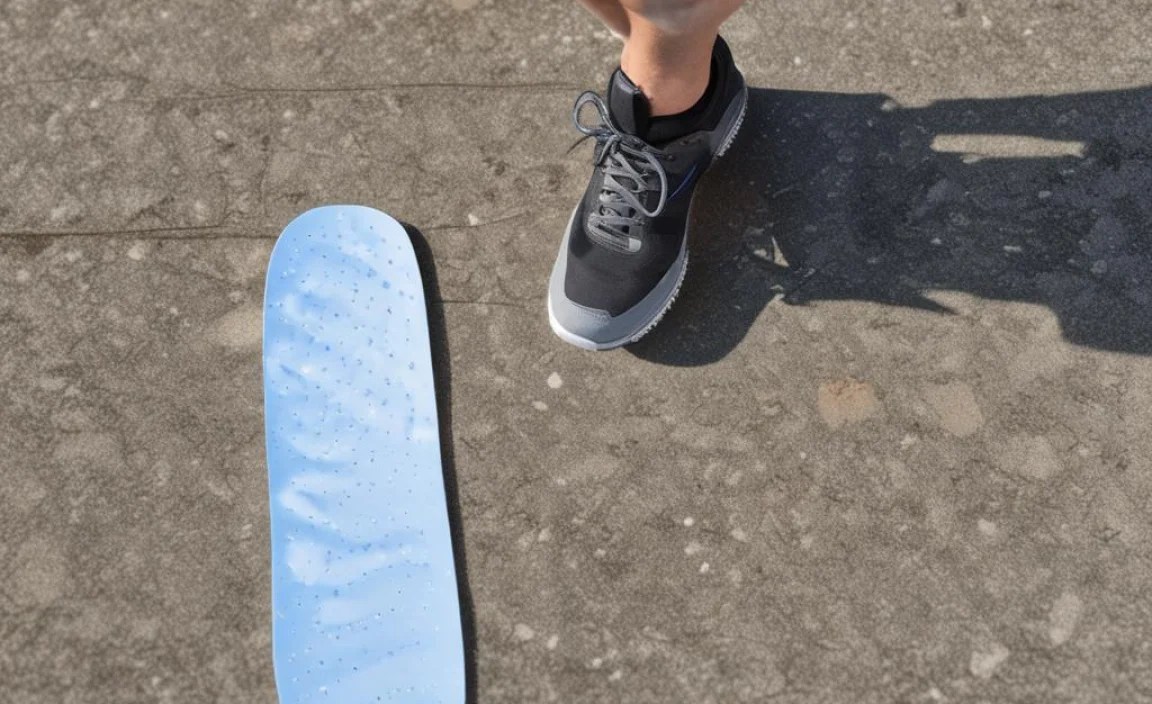
Standing for hours, walking miles – protesting can be tough on your feet. If you’re planning to march for a cause you believe in, your feet shouldn’t be a distraction. Pain, blisters, and fatigue can make it hard to stay focused. But there’s a simple solution that can make a huge difference: the right insoles. Think of them as your personal comfort crew, working tirelessly inside your shoes. We’ll explore how insoles can transform your marching experience, helping you stand strong and walk further, all while keeping your feet happy and healthy. Get ready to discover the secrets to protest-ready feet!
Why Your Feet Need Support During Protests

When you’re out on the front lines, your feet are doing a lot of work. They’re not just supporting your weight; they’re absorbing shock with every step, stabilizing your body, and propelling you forward for miles. During protests, this can mean:
- Extended Standing: Hours spent on your feet, often on hard surfaces like concrete or asphalt, can lead to aches and stiffness.
- Long-Distance Walking: Marches can cover significant ground, putting continuous strain on your arches, heels, and metatarsals.
- Uneven Terrain: Streets can have cracks, uneven pavement, or obstacles that challenge your foot’s natural balance.
- Increased Pressure: Carrying signs, backpacks, or simply standing for prolonged periods can increase the pressure on your soles.
Without proper support, these activities can quickly lead to discomfort, pain, and even more serious foot conditions like plantar fasciitis or tendonitis. Investing in good insoles is like giving your feet a superpower – the power to endure and focus on what matters most.
Understanding Insole Basics for Maximum Comfort

Not all insoles are created equal. To find the best ones for marching, it helps to know what’s inside them and what they do. Insoles, also known as orthotics or inserts, are designed to enhance the cushioning and support within your existing footwear. Here are key features to look for:
Key Insole Features for Marching:
- Cushioning: This is about shock absorption. Materials like EVA foam, gel, or memory foam help soften the impact of every step. For long marches, you want ample cushioning, especially in the heel and ball of your foot.
- Arch Support: Your arch is the natural spring in your step. Insoles with built-in arch support help distribute pressure evenly across your foot, preventing strain on the arch itself and the connected heel.
- Heel Cup: A well-defined heel cup stabilizes your heel, preventing excessive side-to-side motion and reducing impact when your heel strikes the ground.
- Durability: Protesting can be demanding. You need insoles that can withstand repeated use without losing their supportive qualities.
- Breathability: Keeping your feet dry is crucial to prevent blisters. Look for insoles made with breathable materials that allow air circulation.
Types of Insoles:
Insoles generally fall into a few categories, each offering a different level of support and cushioning:
- Cushioning Insoles: These are primarily focused on softening impact. They are great for general comfort and reducing fatigue for those who stand or walk a lot. Many gel or foam insoles fall into this category.
- Supportive Insoles: These offer more structure, particularly for the arch. They are ideal for people with moderate overpronation (when the foot rolls inward too much) or those needing extra stability.
- Performance Insoles: Often designed for athletes, these can offer a balance of cushioning, support, and energy return, which can be beneficial for strenuous activity like long marches.
- Custom Orthotics: These are made specifically for your feet by a podiatrist. While the most expensive option, they offer the highest level of personalized support for specific foot conditions. For most protesters, high-quality over-the-counter insoles will suffice.
Choosing Your Perfect Marching Insoles: A Step-by-Step Guide

Selecting the right insoles can feel overwhelming, but follow these steps, and you’ll find the perfect pair to keep your feet comfortable on your next march.
- Assess Your Foot Type and Needs:
- High Arches: You might need more cushioning to absorb shock, as your feet don’t naturally absorb impact well.
- Flat Feet (Low Arches): These may require more arch support to help control pronation and distribute weight evenly. Try supportive insoles with a decent arch.
- Neutral Arches: You likely have a good balance of flexibility and stability. Most cushioning or supportive insoles will work well.
- Consider Your Footwear:The type of shoes you wear for protesting matters.
- Boots: Often have good ankle support but can be stiff. Insoles can add much-needed cushioning and flexibility.
- Athletic Shoes/Sneakers: Generally offer good shock absorption. Insoles can enhance this and provide targeted arch support.
- Work Shoes: Can vary greatly. Look for insoles that fit snugly into the available space without making the shoe too tight over the top of your foot.
- Prioritize Cushioning and Support:For long marches, a balance is key. Look for insoles that offer:
- Deep Heel Cups: To cradle and stabilize your heel.
- Generous Midfoot Cushioning: To ease pressure under the ball of your foot.
- Structured Arch Support: Choose a level that feels comfortable and natural, not too aggressive.
- Read Reviews:See what other people – especially those who spend a lot of time on their feet – are saying. Look for keywords like “long walks,” “standing all day,” and “comfort.”
- Consider Material:Foam (EVA, PU): Lightweight and offers good cushioning.
Gel: Excellent shock absorption, often found in heel or full-length inserts.
Memory Foam: Molds to your foot for personalized comfort but can sometimes be warmer.
Ortholite is a well-regarded brand known for its lightweight, breathable, and durable foam insoles, often found in quality footwear. A quick look at their product pages can give you an idea of advanced foam technologies. Explore OrthoLite’s technologies.
- Ensure Proper Fit:The insoles should fit comfortably inside your shoes. They shouldn’t bunch up, slip, or make your shoes feel too tight. Most insoles come in standard sizes; you might need to trim them slightly to fit your shoe perfectly. Always try them on for a short walk before a long march!
Top Insole Features for Extended Marches

When you’re facing miles of walking and standing, certain insole features become non-negotiable. Here’s what to prioritize for the ultimate comfort and endurance during protests:
Maximum Shock Absorption
This is paramount for long-distance efforts. The constant impact of your feet hitting the pavement can send jarring vibrations up your legs and spine. Insoles with advanced cushioning technology, like dense EVA foam or strategically placed gel pods, absorb these shocks effectively. They act as a buffer, significantly reducing fatigue and preventing potential injuries to your joints and muscles.
Dynamic Arch Support
Your arch plays a crucial role in distributing weight and absorbing shock. During long marches, your arch can fatigue and lose its natural ability to support your body. Look for insoles that offer adaptive or dynamic arch support. This means the support isn’t rigid but can flex slightly with your foot’s natural movement, providing support right when and where you need it, without feeling restrictive.
Targeted Pressure Relief
Certain areas of your foot bear the brunt of extended walking. The balls of your feet and your heels are particularly vulnerable to pressure build-up, leading to soreness and even metatarsal pain. High-quality insoles often have extra padding or specialized cushioning in these zones to redistribute pressure and provide a sensation of walking on clouds, even on hard surfaces.
Moisture-Wicking and Breathability
Hot, sweaty feet are a recipe for blisters and discomfort. For any activity involving prolonged walking, keeping your feet dry is essential. Look for insoles made from breathable materials that wick away moisture from your skin. Some insoles even incorporate anti-microbial treatments to help keep odor at bay, which is a plus when you’re on the go all day.
Durability and Resilience
You need insoles that can perform day in and day out. Protests can be grueling, and your insoles need to withstand the pressure and friction without collapsing or losing their supportive qualities. Materials like high-density EVA and resilient gel are known for their longevity. A well-made insole will last for hundreds of miles of walking, making them a worthwhile investment for active individuals.
Insoles for Protesters: A Comparative Look

To help you sort through the options, here’s a comparison of some popular insole types and what makes them suitable (or not) for protesters on long marches. Remember, the “best” insole is highly individual, but this can guide your decision.
| Insole Type | Primary Benefit for Marching | Potential Drawbacks | Ideal For |
|---|---|---|---|
| Full-Length Foam Inserts (e.g., EVA, PU) | Excellent cushioning, lightweight, absorbs impact well. | May offer less targeted arch support than others; can compress over time with heavy use. | Neutral arches, those seeking general comfort and shock absorption. |
| Gel Inserts (Heel or Full-Length) | Superior shock absorption, especially in the heel; can feel springy. | Can be heavier; some users find them too firm or not cushioning enough for the arch. | Heel pain sufferers, those needing intense shock absorption for impact. |
| Supportive Insoles with Structured Arch | Provides stability, helps maintain proper foot alignment, reduces arch strain. | Can feel too rigid for some; may require a break-in period. | Flat feet, overpronators, those needing more stability and reduced foot fatigue. |
| Performance/Athletic Insoles | Balanced cushioning, support, and often energy return; durable. | Can be pricier; the “energetic” feel might not be for everyone. | Active individuals needing a reliable all-around solution for demanding activities. |
| Memory Foam Insoles | Molds to the unique shape of your foot for personalized comfort. | Can retain heat, making feet feel warm; may compress permanently over time, reducing support. | Those seeking ultimate plush comfort and a custom feel. |
When choosing, consider what feels most comfortable and supportive for your feet. Trying on different types, if possible, is highly recommended.
Beyond Insoles: Prepping Your Feet for the March
While insoles are a game-changer, a few other foot care practices will ensure you’re fully prepared for a successful and comfortable march.
Footwear First
Your shoes are the foundation. Ensure they fit well, have enough room for your insoles, and are broken in. Avoid brand-new shoes for a long march. Make sure they are clean and dry.
Socks Matter
Invest in good quality, moisture-wicking socks made from synthetic materials or merino wool. Avoid cotton socks, as they retain moisture and can lead to blisters. Consider wearing two pairs of thin socks if you are prone to blisters, as this can reduce friction.
Break Them In
Start by wearing your chosen shoes with your new insoles for shorter periods – a few hours around the house, a short walk. Gradually increase the duration to allow your feet and the insoles to adapt. This is crucial to avoid surprises on march day.
Hydration and Nutrition
Staying hydrated is vital for overall body function, including muscle and joint health. Ensure you’re drinking enough water before, during, and after your march. Good nutrition also supports your body’s endurance.
Listen to Your Body
During the march, pay attention to any discomfort or pain. If you start to feel a hot spot, stop and adjust your socks or insoles. Small adjustments can prevent major problems.
Common Foot Issues Faced by Protesters (and How Insoles Help)
Long hours on your feet can exacerbate common foot problems. Here’s how insoles can be your allies:
- Plantar Fasciitis: This causes sharp heel pain, especially in the morning. Supportive insoles with good heel cushioning and arch support can reduce strain on the plantar fascia ligament.
- Achilles Tendonitis: Inflammation of the tendon connecting your calf muscles to your heel. Proper heel support and cushioning from insoles can alleviate pressure on this tendon.
- Metatarsalgia: Pain or inflammation in the ball of your foot. Insoles with extra cushioning in the forefoot area can help distribute pressure more evenly, offering relief.
- Blisters: While often caused by friction from ill-fitting shoes or socks, well-fitting insoles can minimize internal shoe movement, reducing a source of friction.
- General Foot Fatigue and Aches: The most common complaint! Ample cushioning and support from insoles directly combat this by reducing impact and providing consistent support throughout the day.
- Leg and Knee Pain: Poor foot alignment and shock absorption can affect your entire kinetic chain. Supportive insoles that promote better biomechanics can sometimes alleviate pain in the knees and legs.
The United States Preventive Services Task Force (USPSTF) recommends that healthcare personnel counsel people about physical activity to promote health and prevent disease. While they don’t specifically endorse insoles, maintaining foot health is a critical component of being able to engage in physical activity like marching. Healthy feet mean a healthier, more active you. You can learn more about the importance of physical activity on the USPSTF website.
Insole Care and Maintenance
To get the most out of your insoles, proper care is essential. They are an investment in your comfort!
Daily Care:
- Air Them Out: After each use, remove your insoles from your shoes and let them air dry. This helps prevent moisture buildup, reduces odor, and maintains the integrity of the materials.
- Wipe Down: If they get particularly dirty, gently wipe them with a damp cloth and mild soap. Avoid soaking them.
Deep Cleaning (as needed):
- Check the manufacturer’s instructions for specific cleaning advice. Most are hand-washable with a mild detergent and cool water.
- Rinse thoroughly and allow them to air dry completely before reinserting them into your shoes.
- Never put insoles in a washing machine or dryer, as this can damage their structure and materials.
Lifespan:
The lifespan of insoles varies depending on the material, your activity level, and your weight. Generally, high-quality insoles can last anywhere from 6 to 12 months of regular, heavy use. Signs that it’s time for new insoles include:
- Reduced cushioning and support
- Visible wear and tear (flattened areas, cracks)
- Persistent foot pain that wasn’t there before
Frequently Asked Questions (FAQ) about Insoles for Protesters
Q1: How do I know if I need insoles for a protest march?
If you experience foot pain, fatigue, blisters, or discomfort during or after prolonged walking or standing, insoles can likely help. They provide vital cushioning and support that your shoes alone might not offer.
Q2: Can I wear my regular everyday shoes with insoles for a protest?
Yes, but ensure your everyday shoes offer a good base. They should fit slightly loosely to accommodate the insole without making the shoe too tight. Athletic shoes or sturdy boots often work best.
Q3: Should I wear thick or thin insoles for marching?
This depends on your shoes and personal preference. For most marching scenarios, a medium-thickness insole.
