Insoles can provide essential support and pain relief for posterior tibial tendon dysfunction (PTTD) by stabilizing the arch and reducing strain on the tendon. Look for insoles with good arch support, cushioning, and a deep heel cup to manage PTTD symptoms effectively.
Are you experiencing that nagging ache in your ankle or the arch of your foot? It might be posterior tibial tendon dysfunction, often called PTTD. This common condition can make walking and standing uncomfortable, and sometimes even painful. Don’t worry, you’re not alone! Many people find relief with simple, effective solutions. This guide will walk you through how insoles can be a game-changer for PTTD, helping you get back on your feet with more comfort.
Understanding Posterior Tibial Tendon Dysfunction (PTTD)
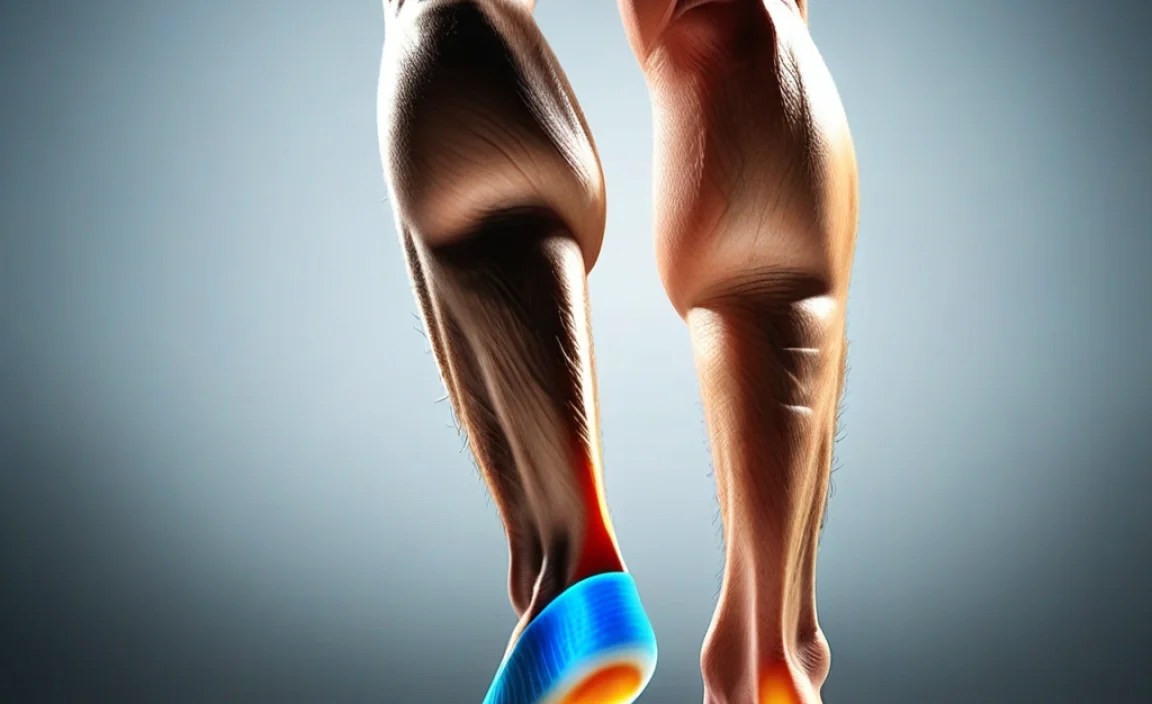
Posterior Tibial Tendon Dysfunction (PTTD) is a condition that affects the posterior tibial tendon, a crucial band of tissue running along the inside of your ankle and foot. This tendon plays a vital role in supporting your arch and helping you to walk. When this tendon becomes inflamed or tears, it’s known as PTTD. It often starts as a mild discomfort and can worsen over time if not addressed.
What is the Posterior Tibial Tendon and Why Does it Matter?
Think of the posterior tibial tendon as the main support beam for your foot’s arch. It originates from muscles in your calf, travels down the inside of your shinbone, and attaches to several bones in your foot. Its job is to help hold up the arch as you walk and to allow you to turn your foot inward. When this tendon isn’t working correctly, the arch can start to fall, leading to flat feet, especially in adults. This flattening puts extra stress not just on the tendon itself, but also on other parts of your foot and even your ankle and knee.
Common Causes and Risk Factors
PTTD isn’t usually caused by a single event but rather by a combination of factors. Overuse is a big one, especially for athletes or individuals who suddenly increase their activity levels or the intensity of their workouts. Years of wear and tear can also weaken the tendon over time.
Certain conditions and lifestyle choices increase your risk:
- Age: As we get older, our tendons can naturally become less flexible and more prone to injury.
- Obesity: Extra weight puts increased pressure on your feet and the posterior tibial tendon.
- Gender: PTTD is more common in women.
- Certain Medical Conditions: Conditions like diabetes and high blood pressure can affect circulation and tissue health, potentially impacting tendons.
- Foot Structure: Having a naturally low arch or flat feet can predispose you to PTTD.
Symptoms to Watch For
The most common symptom is a dull ache or throbbing pain along the inside of your ankle and foot, particularly where the posterior tibial tendon is located. This pain often gets worse with activity, like walking, running, or standing for long periods. You might also notice:
- Swelling along the inside of the ankle.
- Tenderness when you touch the tendon.
- A widening of the foot or a loss of arch height over time.
- The foot may start to turn outward (evert).
- Difficulty standing on your tiptoes on the affected side.
If you experience these symptoms, it’s a good idea to consult with a healthcare professional, like a podiatrist or physical therapist, to get a proper diagnosis.
How Insoles Can Help Manage PTTD

Insoles, also known as orthotics or arch supports, are specifically designed inserts that fit into your shoes. For PTTD, their primary role is to provide crucial support and alignment to the foot, thereby alleviating stress on the injured tendon. They act as artificial support where the natural arch support has weakened.
The Biomechanics of Support: What Insoles Do
When the posterior tibial tendon struggles, the arch of the foot can begin to collapse. This leads to pronation, where the foot rolls inward excessively. Insoles work to counteract this by:
- Arch Support: They provide a firm, supportive structure under the arch, preventing it from flattening too much.
- Heel Stabilization: A deep heel cup helps to cradle the heel, promoting proper alignment and preventing excessive inward rolling.
- Shock Absorption: Many insoles are made from materials that help absorb the impact of each step, reducing stress on the foot and tendon.
- Re-distribution of Pressure: They can help spread the pressure more evenly across the sole of your foot, taking some of the load off the painful tendon.
By stabilizing the foot and controlling pronation, insoles allow the posterior tibial tendon to rest and heal, reducing pain and preventing further damage. For more in-depth information on the science behind foot mechanics and support, resources from institutions like PubMed often provide valuable insights into biomechanical principles.
Choosing the Right Type of Insole for PTTD
Not all insoles are created equal, especially when it comes to PTTD. You’ll generally want to look for insoles that offer firm support and control. Here’s what to consider:
| Insole Feature | Why it Matters for PTTD | What to Look For |
|---|---|---|
| Arch Support | Provides a rigid or semi-rigid structure to prevent arch collapse and support the weakened posterior tibial tendon. | Moderate to high arch support; look for terms like “orthotic,” “stabilizing,” or “motion control.” |
| Heel Counter/Cup | Helps to cup and stabilize the heel bone, guiding it into a more neutral position and reducing inward rolling (pronation). | Deep heel cup; some insoles have built-in heel posts to further control pronation. |
| Rigidity/Firmness | Too much cushioning can be detrimental as it allows the foot to sink and pronate further. Firmness is key for support. | Semi-rigid or rigid construction. Avoid overly soft or “memory foam” style insoles that offer little structural support. |
| Material | Durability and ability to provide consistent support. | Cork, carbon fiber, or firm EVA (ethylene-vinyl acetate) are good options. |
| Length | Ensures proper fit within the shoe and that support extends where needed. | Look for 3/4 length or full-length insoles that don’t interfere with the shoe’s toe box. |
Over-the-Counter vs. Custom Orthotics
For many people with PTTD, good quality over-the-counter (OTC) insoles can provide significant relief. These are readily available and a more budget-friendly option. They are designed to fit a wide range of foot types and common issues like PTTD. They typically offer a good balance of support and cushioning.
However, in more severe cases or for individuals with complex foot deformities, custom orthotics prescribed by a podiatrist or other foot specialist might be necessary. Custom orthotics are molded specifically to your feet, offering precise correction and support tailored to your unique biomechanics. While more expensive, they can provide a superior level of correction and comfort for challenging conditions.
How to Use Insoles for PTTD: A Step-by-Step Guide

Getting the most out of your insoles for PTTD involves a few simple steps. It’s about gradual integration and ensuring they work well with your footwear and your body.
Step 1: Consult a Professional (Highly Recommended)
Before you buy any insoles, it’s always best to see a doctor, podiatrist, or physical therapist. They can properly diagnose your PTTD and determine if insoles are the right treatment for you. They can also offer specific recommendations on the type of support you need and may even refer you for custom orthotics if necessary. A professional can assess the severity of your condition and identify any contributing factors.
Step 2: Choose the Right Insoles
Based on your professional’s advice and the information above, select insoles that offer firm arch support and good heel stability. Consider your activity level and the types of shoes you wear most often.
Step 3: Prepare Your Shoes
Most supportive insoles will replace the existing insoles that came with your shoes. Remove the original insoles. If they are glued in, you might need to carefully pry them out. Ensure the inside of the shoe is clean and dry before inserting the new insoles.
Step 4: Insert the Insoles
Place the new insoles into your shoes. Make sure they fit snugly and don’t slide around. Some insoles are “trim to fit,” meaning you might need to cut them to match the shape of your shoe’s interior for a perfect fit. Always use the original insole as a template for trimming.
Step 5: Break Them In Gradually
Your feet and tendons need time to adjust to the new support. Don’t wear your new insoles all day, every day, right from the start. Begin by wearing them for a few hours each day, perhaps during less active periods. Gradually increase the time you wear them as your comfort level improves.
A typical break-in schedule might look like this:
- Days 1-3: Wear for 2-3 hours per day while doing light activities.
- Days 4-7: Increase wear time to 4-6 hours per day or during moderate activities.
- Week 2 onwards: Wear them for longer periods and during most daily activities.
If you experience increased pain or discomfort, reduce the wear time and consult your healthcare provider.
Step 6: Wear Them in Appropriate Footwear
Insoles work best in supportive shoes. They are ideal for athletic shoes, walking shoes, sturdy boots, and some casual shoes. They may not be suitable for very flimsy or open footwear like flip-flops or certain types of sandals, as there’s no proper way to integrate them and achieve the necessary support.
Step 7: Monitor Your Progress and Adjust
Pay attention to how your feet feel. Are you experiencing less pain? Is your ankle feeling more stable? Insoles are part of a broader treatment plan that may include rest, physical therapy, and appropriate footwear. If your symptoms don’t improve or worsen, seek professional advice again.
When to Seek Professional Help
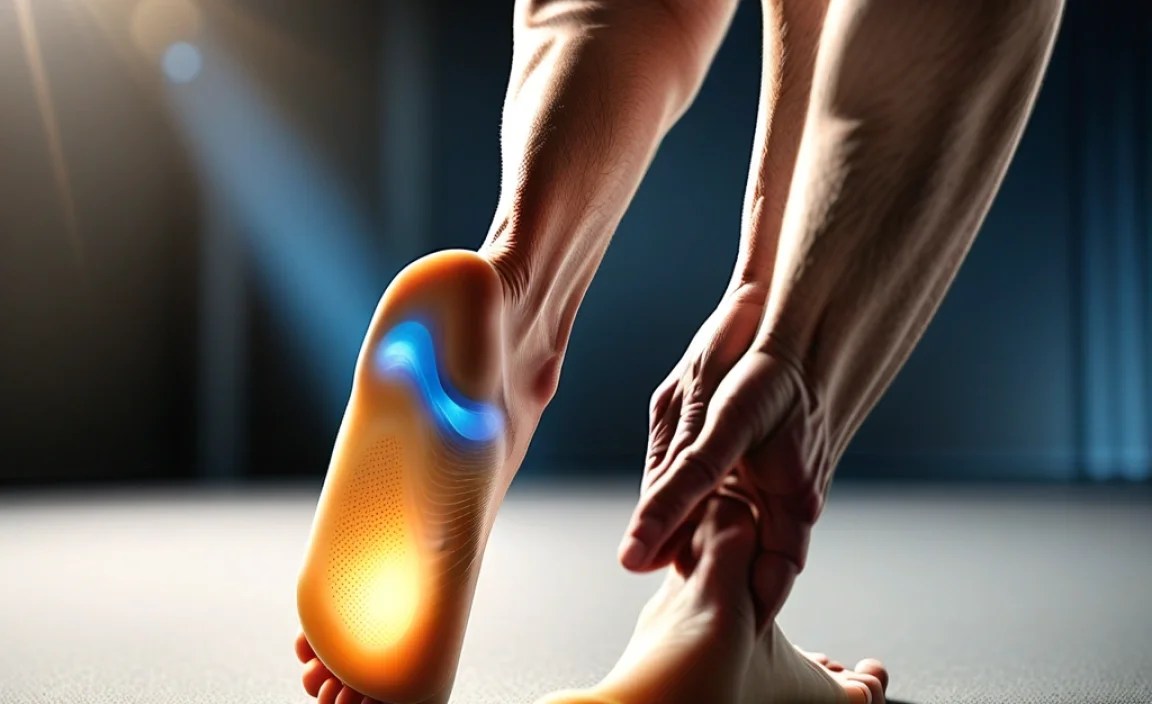
While insoles can be a powerful tool, they are not always a complete solution on their own. It’s crucial to know when to involve a healthcare professional. If your pain is severe, doesn’t improve with insoles, or you notice significant changes in your foot’s shape, please consult a doctor.
Signs You Need to See a Doctor
- Severe pain that prevents you from bearing weight.
- Visible deformity or a significant change in your arch height.
- Pain that doesn’t improve after a few weeks of consistent insole use and rest.
- Swelling that is persistent or worsening.
- Tenderness that is severe or increases despite using insoles.
- Any signs of infection, such as redness, warmth, or fever.
A podiatrist or orthopedic specialist can perform a thorough examination, which might include imaging tests like X-rays or MRIs, to understand the extent of the tendon damage. They can then recommend a comprehensive treatment plan that might include specific exercises, physical therapy, medication, bracing, or in more serious cases, surgery.
Beyond Insoles: Complementary Treatments for PTTD
For effective management of PTTD, insoles are often used in conjunction with other treatments. These complementary approaches can significantly enhance healing and recovery.
Rest and Activity Modification
Reducing the load on your posterior tibial tendon is essential. This means limiting activities that aggravate your pain, such as high-impact exercises, prolonged standing or walking, and running. While complete rest might be necessary in severe cases, moderate activity modification is usually key.
Physical Therapy and Exercises
A physical therapist can design a personalized exercise program to strengthen the muscles around your ankle and foot, improve flexibility, and enhance balance. Specific exercises often focus on:
- Calf stretches: To lengthen tight calf muscles, which can contribute to PTTD.
- Eccentric strengthening: Exercises that focus on the lengthening phase of muscle contraction, which is particularly beneficial for tendon healing. A good example is the “heel raise” exercise performed with your heel lower than your toes.
- Balance and proprioception exercises: To improve your body’s awareness of its position in space and strengthen stabilizing muscles. Standing on one leg, for instance, is a common exercise.
- Foot intrinsic muscle strengthening: Simple exercises like towel crunches can help strengthen the small muscles within your foot that support the arch.
Physio-pedia offers excellent resources on PTTD rehabilitation and exercise examples.
Stretching
Regular stretching can help maintain the flexibility of the muscles and tendons in your lower leg and foot. Key stretches include:
- Calf Stretch: Stand facing a wall, place your hands on the wall, and step one foot back, keeping the heel on the ground. Lean forward until you feel a stretch in your calf. Hold for 30 seconds and repeat on the other leg.
- Achilles Tendon Stretch: Similar to the calf stretch, but you can bend the back knee slightly to target the lower part of the calf and Achilles tendon.
- Plantar Fascia Stretch: While sitting, cross one leg over the other. Gently pull your toes back towards your shin until you feel a stretch in the arch of your foot.
Appropriate Footwear
Beyond insoles, the shoes you wear play a critical role. Look for footwear that offers:
- Good arch support: The shoe should have a supportive midsole that matches your natural arch.
- A firm heel counter: The back of the shoe should be rigid enough to keep your heel stable.
- Sufficient cushioning: To absorb shock during impact.
- A comfortable fit: With enough room in the toe box and no pressure points.
- Avoidance of flat, unsupportive shoes: Such as flip-flops, flimsy sandals, or worn-out sneakers.
Bracing
In some cases, a doctor or physical therapist might recommend an ankle brace. A brace can provide external support and stability to the ankle and foot, helping to offload the posterior tibial tendon and reduce pain during activity. There are various types of braces, from simple ankle sleeves to more rigid, custom-molded orthoses.
Frequently Asked Questions About Insoles for PTTD
Q1: How long does it take for insoles to help with PTTD pain?
It varies, but many people start to feel some relief within a few days to a couple of weeks of consistent use. The full benefits, including tendon healing, can take several weeks to months. Gradual break-in and consistent wear are key.
Q2: Can I wear insoles for PTTD in any type of shoe?
Insoles work best in supportive shoes like sneakers, walking shoes, or sturdy boots. They may not fit properly or provide adequate support in less structured footwear like flip-flops, ballet flats, or high heels.
Q3: Should I look for soft, cushioned insoles or firm, supportive ones for PTTD?
For PTTD, firm, supportive insoles with good arch support and heel stability are generally recommended. While some cushioning is good, overly soft insoles can allow the foot to pronate further, potentially worsening the condition.
Q4: How do I know if I need custom orthotics instead of over-the-counter insoles?
If OTC insoles don’t provide sufficient relief, if you have significant foot deformities, or if your PTTD is severe, custom orthotics prescribed by a podiatrist might be more suitable. A professional can assess your specific needs.
