Prevent pool deck discomfort with the right insoles. Seek breathable, quick-drying, and non-slip options to protect your feet from heat, rough surfaces, and slips.
Walking on a hot pool deck barefoot can feel like stepping on coals. The smooth, often slippery surface combined with intense heat can quickly turn a relaxing day into an uncomfortable ordeal. Many people experience stinging or burning sensations, or even worry about slipping and falling. But what if there was a simple solution to keep your feet happy and safe around the pool? Imagine enjoying the poolside without that searing sensation underfoot. This guide will walk you through everything you need to know about choosing and using insoles specifically for pool deck comfort, transforming your poolside experience from painful to pleasant.
Why Pool Decks Are Tough on Feet

Pool decks are designed for a specific purpose: to be durable and offer some level of slip resistance, especially when wet. However, these qualities can make them less than ideal for bare feet. The materials used, often concrete, stone, or composite decking, are excellent at absorbing and radiating heat from the sun. On a sunny day, these surfaces can reach temperatures far exceeding the ambient air temperature, leading to that unpleasant burning sensation. Furthermore, while designed to be slip-resistant when wet, they can still be treacherous, especially for those with balance issues or who are moving quickly.
Understanding Insoles for Poolside Use
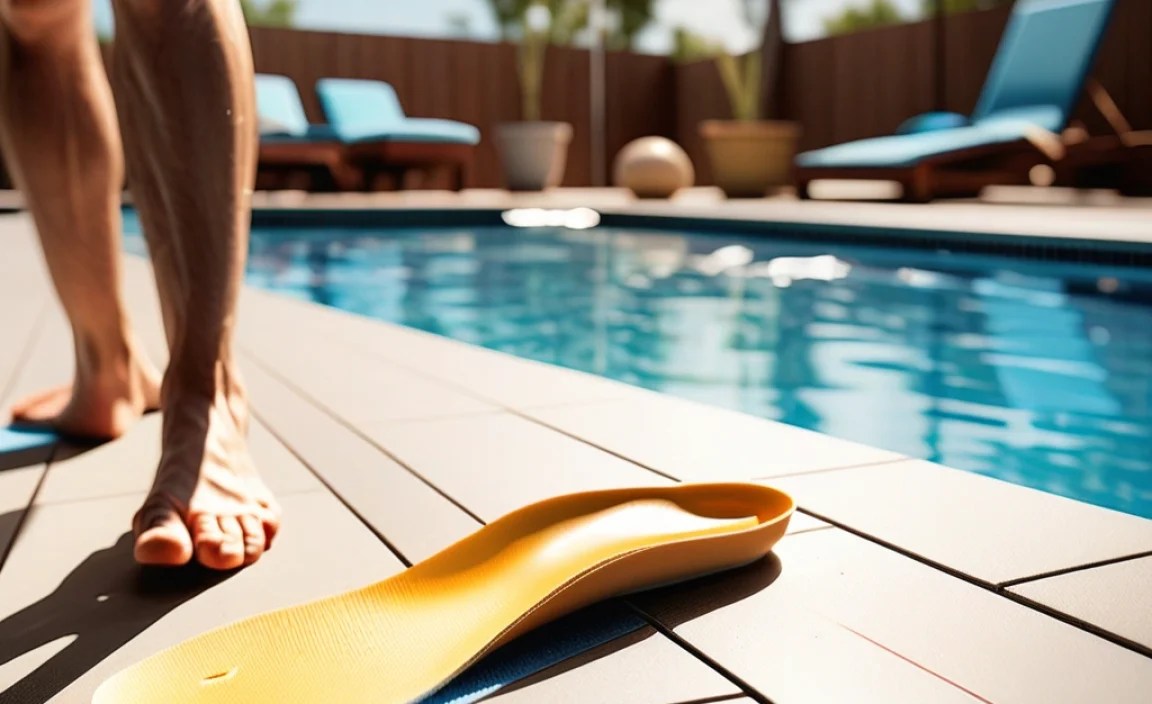
When we think of insoles, we often picture arch support for athletic shoes or cushioning for dress shoes. However, some insoles are specifically designed to address unique environmental challenges, like the heat and slipperiness of a pool deck. These aren’t your typical inserts; they’re built with specialized materials and features to provide protection and comfort in outdoor, often wet, environments. The key is to find insoles that offer a barrier against heat, absorb moisture, provide cushioning, and crucially, prevent slips.
Key Features to Look For in Pool Deck Insoles
Not all insoles are created equal, especially when it comes to surviving the harsh conditions of a pool deck. Here’s what to prioritize:
- Heat Resistance: The primary concern is protecting your feet from scorching temperatures. Look for materials that don’t retain heat excessively.
- Breathability and Quick-Drying Fabrics: You’ll be in and out of the water, so insoles need to manage moisture effectively. Breathable materials allow air to circulate, helping your feet stay cooler and drier, while quick-drying ones prevent that soggy, uncomfortable feeling.
- Non-Slip (Anti-Slip) Properties: Safety is paramount. The underside of the insole should have a grip to prevent it from sliding around inside your footwear, and the top surface should offer traction for your feet.
- Cushioning and Shock Absorption: While not as critical as heat and slip resistance, some cushioning can make standing or walking on hard surfaces more comfortable.
- Water-Friendly Materials: The insoles should tolerate being splashed or even submerged in water without degrading or losing their effectiveness.
- Durability: Pool chemicals, sun exposure, and frequent use can take a toll. Choose insoles made from robust materials that can withstand these conditions.
Types of Footwear to Use with Insoles for Pool Decks

You won’t be wearing your hiking boots to the pool, but the right choice of footwear is essential to making insoles work effectively. The goal is to pair your insoles with shoes that are practical for a poolside environment and can accommodate an insert.
Recommended Footwear Options:
- Water Shoes: These are often made from quick-drying, breathable materials with rubber soles that offer good grip. Some have removable insoles, making it easy to swap them out.
- Sport Sandals: Many sport sandals have adjustable straps and sturdy soles with good traction. Look for models that have a relatively flat footbed where an insole can rest comfortably.
- Flip-Flops (with caution): While classic, standard flip-flops offer little support and can be a slipping hazard. If you opt for flip-flops, choose ones with thicker, grippier soles and consider a type designed to hold an insole, though this is less common.
- Specially Designed Pool Slides: Some brands offer slides designed with foot comfort and safety in mind, often featuring contoured footbeds and non-slip outsoles.
The key is to ensure the footwear isn’t too tight with the added insole, as this can cause discomfort and blisters. It should also be easy to rinse clean.
Choosing the Right Insoles: A Step-by-Step Guide

Selecting the perfect insoles for your pool deck adventures involves a little more than just picking the first pair you see. Follow these steps to make an informed decision:
- Assess Your Primary Needs: Are slippery surfaces your main worry, or is it the intense heat? Prioritize insoles that excel in your most critical area.
- Consider the Material: Look for EVA (ethylene-vinyl acetate), gel, or rubber-based insoles, as these generally offer good water resistance and cushioning. Natural materials like cork can be suitable if they are treated for water resistance and are highly breathable. Avoid memory foam that can retain water and heat.
- Check for Grip: Examine the underside of the insole. Does it have a texture or pattern designed to cling to the shoe’s interior? On the top, does the material provide friction for your foot?
- Evaluate Heat Management: Perforations or breathable weaves in the material can help dissipate heat. Some insoles are designed with cooling technologies.
- Read Reviews: Look for reviews specifically mentioning use around pools, beaches, or other hot, wet environments. User experiences are invaluable.
- Test for Fit: If possible, try the insoles in your chosen footwear before committing. Ensure they fit snugly without creating pressure points.
Remember, the goal is not necessarily maximum orthotic support, but rather protection, comfort, and safety in a specific, challenging environment.
Top Insole Materials for Pool Deck Comfort
The material of an insole plays a crucial role in its performance around the pool. Here’s a breakdown of common materials and how they stack up:
| Material | Pros | Cons | Best For |
|---|---|---|---|
| EVA (Ethylene-Vinyl Acetate) | Lightweight, excellent cushioning, good water resistance, relatively durable. | Can absorb some odor, may degrade with prolonged extreme sun exposure. | General comfort, moderate heat protection, good for water shoes. |
| Gel | Superior shock absorption, some cooling effect, durable. | Can be heavier, may feel slippery if the top layer is smooth, some types can retain heat. | Extra cushioning on hard surfaces, shock absorption. |
| Rubber / Silicone | Excellent durability, good grip, water-resistant. | Can be stiff, less breathable, potentially heavy. | Maximum durability and slip prevention, often used in specialized work-style inserts. |
| Closed-Cell Foam | Waterproof, easy to clean, good cushioning. | Less breathable than some other foams, can still get warm. | Water-resistant footwear, easy maintenance. |
| Cork (Treated) | Contoured for support, naturally antimicrobial, can be treated for water resistance. | Less durable if not treated properly, can absorb moisture if untreated. | Supportive comfort, if water-resistant treatment is confirmed. |
When looking at insoles for pool deck use, always check the product description for specific claims about water-friendliness, heat resistance, and anti-slip features.
How to Use Insoles on the Pool Deck Safely and Effectively
Simply inserting insoles into your footwear isn’t always enough. For optimal comfort and safety around the pool, consider these usage tips:
- Ensure a Proper Fit: Make sure the insoles fit your chosen shoes snugly. If they bunch up or slide around, they’re more likely to cause irritation or contribute to slips. Trim them to size if necessary according to the manufacturer’s instructions.
- Break Them In: Just like new shoes, some insoles might need a few uses to mold to your feet and footwear. Wear them for short periods initially.
- Keep Them Clean: Sand, dirt, and pool chemicals can build up. Rinse your insoles and footwear regularly with fresh water and mild soap. Allow them to air dry completely away from direct heat, which can damage some materials. Refer to manufacturer care instructions for specific advice. For example, cleaning recommendations for materials like silicone might differ from those for EVA foam.
- Inspect Regularly: Look for signs of wear and tear, such as thinning material, peeling layers, or a loss of grip on the sole. Damaged insoles are less effective and potentially unsafe.
- Know Their Limitations: While insoles enhance comfort and safety, they are not a substitute for caution around water. Always be mindful of wet surfaces and your surroundings.
Addressing Common Pool Deck Foot Problems
The combination of heat, moisture, and abrasive surfaces can lead to several common foot issues. Insoles can help mitigate these:
1. Burning Sensation
The intense heat from the pool deck can cause a burning or stinging sensation.
Insole Solution: Look for insoles made from heat-resistant materials like EVA or certain types of gel. Breathable designs help by allowing heat to escape. Adding a layer between your feet and the hot surface is your primary defense.
2. Slipping and Falling
Wet surfaces, especially when combined with smooth or worn footwear, present a significant slip risk.
Insole Solution: Prioritize insoles with a high-traction top surface and a grippy underside. Rubber or silicone-based materials often offer superior grip. Ensure they fit securely within your shoe.
3. Discomfort from Rough Surfaces
Some pool decks are made of materials like rough concrete or aggregate surfaces that can be abrasive.
Insole Solution: Cushioning is key here. EVA and gel insoles provide shock absorption and can create a softer landing for your feet, reducing irritation from coarse textures.
4. Fungal Infections (e.g., Athlete’s Foot)
Warm, moist environments are breeding grounds for fungi. Prolonged exposure to dampness in footwear exacerbates this.
Insole Solution: Choose insoles made from quick-drying, breathable materials. Antimicrobial treatments, often found in cork or specially treated synthetic insoles, can also help inhibit fungal growth. Good hygiene practices, including drying your feet and insoles thoroughly, are also crucial.
5. Blisters
Friction from ill-fitting shoes, especially when combined with moisture, can lead to blisters.
Insole Solution: A well-fitting insole can improve the fit of your shoe, reducing friction. Materials that wick away moisture also help, as wet skin is more prone to blistering. Ensure the insole itself doesn’t create new pressure points.
Expert Tips for Poolside Foot Protection
Beyond just choosing the right insoles, some additional strategies can significantly boost your foot comfort and safety around the pool area.
- Pre-Cooling Footwear: Before stepping onto a scorching deck, try to keep your pool shoes in a shady spot or even briefly in a cooler to reduce their initial temperature.
- Hydration for Skin: While it might seem counterintuitive, keeping your skin well-hydrated with a good quality moisturizer (applied away from pool time to avoid making surfaces slippery) can sometimes make it more resilient to surface irritation.
- Rinse Off Chemicals: After swimming, rinse your feet and footwear with fresh water to remove chlorine or salt, which can irritate the skin and degrade footwear and insoles over time.
- Alternate Footwear: If you’re spending extended time by the pool, consider having a pair of flip-flops or sandals for brief trips to and from the water, and a more secure option with insoles for walking longer distances.
- Consider Foot Protection Sprays: Some specialized sports products offer a temporary barrier against heat and friction. Research reputable brands and ensure they are safe for use in aquatic environments.
- Sun Protection for Feet: Don’t forget the tops of your feet! Apply sunscreen liberally, as this area is often exposed and susceptible to sunburn, adding another layer of discomfort.
Should You Use Insoles in Public Pools?
Yes, using insoles in appropriate footwear is generally recommended for public pools to enhance comfort and hygiene. Many public pool areas have locker rooms, showers, and deck surfaces that can be shared by numerous people. Wearing shoes with well-chosen insoles provides a protective barrier.
Hygiene Advantage: Footwear with insoles helps shield your feet from potential contaminants on the general walking surfaces, which might be damp, dirty, or utilized by many individuals. This creates a more sanitary barrier than bare feet.
Slip Prevention: Public pool decks are notoriously slippery. Appropriate footwear with anti-slip insoles significantly reduces the risk of falls, which are common in these environments. Consult resources from public health organizations like the CDC on healthy swimming for general safety guidelines.
Comfort: As discussed, heat and rough textures can make pool decks uncomfortable. Insoles help mitigate these issues, making your visit more enjoyable.
Always ensure your chosen footwear and insoles are water-friendly and easy to clean to maintain good hygiene standards.
Frequently Asked Questions About Pool Deck Insoles
Q1: Can I use my regular athletic shoe insoles by the pool?
A1: Generally, no. Athletic insoles are designed for dry conditions and often made of materials like thick foam or fabric that absorb water and retain heat. They can become heavy, uncomfortable, and may degrade quickly when exposed to pool chemicals and constant moisture. It’s best to use insoles specifically designed for wet environments.
Q2: How do I clean insoles used on a pool deck?
A2: Most pool-friendly insoles can be rinsed with cool, fresh water. You can use a mild soap if needed and scrub gently with a soft brush. Always allow them to air dry completely away from direct heat or sunlight to prevent material damage. Check the manufacturer’s specific cleaning instructions.
Q3: Will insoles make my shoes too tight for the pool deck?
A3: They might. It’s important to try the insoles in your chosen footwear before wearing them extensively by the pool. If the combination feels too snug, it can lead to blisters and discomfort. You may need to loosen shoe laces or opt for slightly larger footwear.
Q4: Are gel insoles good for the pool deck?
A4: Some gel insoles can be suitable, especially for their shock absorption. However, check the top layer material. If it’s a smooth, non-porous surface, it might feel slippery when wet. Look for gel insoles with a textured top or those specifically marketed as water-friendly and quick-drying.
Q5: How long do insoles for pool decks typically last?
A5: The lifespan varies greatly depending on the material, quality, frequency of use, and exposure to pool chemicals and sun. Good quality, water-friendly insoles might last anywhere from six months to two years of regular seasonal use before needing replacement.
Q6: Can insoles help if I have arch pain when walking by the pool?
A6: If arch pain is a concern, look for insoles that offer some level of arch support while still meeting the essential criteria of being water-friendly, breathable, and non-slip. Some EVA or structured foam insoles offer moderate arch support. However, for significant arch pain, consulting a podiatrist is always the best course of action.
Conclusion
Transforming an uncomfortable poolside experience into a pleasant one is entirely achievable with the right approach to foot protection. By understanding the unique challenges posed by hot, slippery pool decks and selecting insoles with key features like heat resistance, breathability, and superior grip, you can significantly enhance your comfort and safety. Remember to pair your chosen insoles with appropriate water-friendly footwear and to maintain them with regular cleaning. Investing a little time in choosing and caring for your insoles means more enjoyable days spent relaxing by the water, free from the worry of burning or painful feet. So, step out with confidence, knowing your feet are well-protected and comfortable, allowing you to fully embrace the joys of poolside living.
