Insoles for politicians campaigning offer essential support and comfort for long hours on their feet, reducing fatigue and boosting energy. Choosing the right insoles can significantly improve endurance and overall well-being during demanding campaign trails.
Insoles for Politicians Campaigning: Essential Comfort for the Long Haul

Campaigning is a marathon, not a sprint. For politicians, this often means countless hours on their feet – shaking hands, giving speeches, meeting voters, and traveling from one event to another. The physical toll can be immense, leading to tired, achy feet, which can unfortunately impact focus and energy levels. But what if there was a simple, accessible solution to significantly boost comfort and endurance? That’s where the humble insole comes in. These shoe inserts are more than just padding; they are carefully designed tools that can transform your campaigning experience, offering much-needed support and relief. In this guide, we’ll explore why insoles are crucial for anyone on the campaign trail and how to find the perfect pair to keep you going strong.
Why Campaigners Need More Than Just Special Shoes

Politicians are on the move constantly. From early morning rallies to late-night meet-and-greets, their feet bear the brunt of a demanding schedule. Even the most expensive or stylish campaign shoes might not provide the sustained comfort and support needed for such extensive activity. This is where insoles become indispensable.
Think of your campaign trail as a daily endurance test. Your feet are your foundation, and if they’re not properly supported, the strain travels up your legs, hips, and back. This can lead to fatigue, pain, and a compromised ability to perform at your best. Insoles are designed to:
- Provide cushioning and shock absorption.
- Improve arch support and foot alignment.
- Reduce pressure points and hot spots.
- Help prevent common foot ailments like plantar fasciitis.
- Increase overall stamina and reduce fatigue.
The goal is to ensure that as the campaign wears on, your feet are supporting you, not holding you back. Investing in a good pair of insoles is an investment in your campaign’s success and your personal well-being.
Understanding Insole Basics: What Makes Them Work?
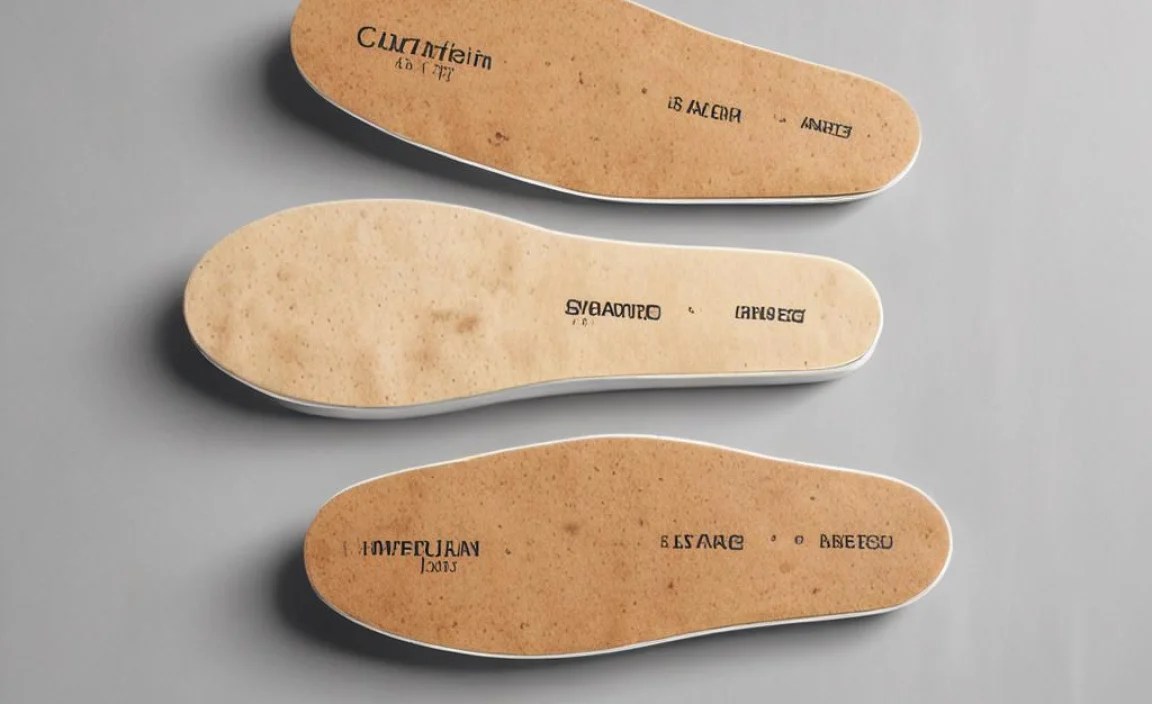
Before diving into specific recommendations, let’s understand what makes an insole effective. Insoles, also known as orthotics or shoe inserts, are placed inside your shoes to enhance their comfort and performance. They come in various materials and designs, each serving different purposes.
Materials Matter:
- Foam (EVA, Polyurethane): Excellent for cushioning and shock absorption. It’s lightweight and provides a soft feel underfoot, ideal for general comfort.
- Gel: Offers advanced shock absorption and can provide targeted pressure relief. Gel insoles are often a bit firmer than foam but provide excellent resilience.
- Cork: A natural material that molds to the shape of your foot over time, offering supportive and customized comfort. It’s also breathable.
- Carbon Fiber: Very rigid and lightweight. These are often used for high-performance support and stability, especially for those with severe biomechanical issues.
Key Features to Look For:
- Arch Support: Whether you have high arches, flat feet, or neutral arches, appropriate arch support is vital for proper foot alignment and preventing strain.
- Heel Cup: A well-defined heel cup helps cradle the heel, providing stability and absorbing impact during heel strike.
- Cushioning: The amount and type of cushioning targeted at different areas of the foot (heel, ball of foot) can significantly impact comfort.
- Contouring: Anatomically designed insoles follow the natural curves of the foot, offering a more personalized fit and support.
Understanding these components will help you choose insoles that best suit the demands of campaigning. For politicians, this often means looking for a balance of cushioning, robust arch support, and durability to withstand long hours and varied terrain.
The Campaigner’s Footwear Challenge: Beyond Basic Comfort

Politicians often need to wear a variety of footwear depending on the event. From formal shoes for debates and galas to comfortable walking shoes for meet-and-greets and rallies, the shoes themselves can vary greatly. This presents a unique challenge:
- Versatility: Insoles need to be adaptable enough to work in different types of shoes.
- Durability: Campaigning is rough on shoes and insoles. They need to hold up to constant use, varying weather conditions, and extensive mileage.
- Stealth: For the most part, insoles need to be discreet and not add bulk or alter the appearance of footwear.
This is where selecting the right insole becomes critical. You’re not just looking for a cushion; you’re looking for a performance enhancer for your feet that can move with you from a town hall to a fundraising dinner.
Top Insole Recommendations for Campaign Trail Endurance

When selecting insoles for campaigning, prioritize those that offer a blend of supportive structure and adaptive cushioning. Here are some categories and specific types that stand out:
1. All-Around Comfort & Support
These insoles are designed for everyday wear but offer superior support that can handle extended periods of standing and walking. They strike a balance between softness and firmness.
Features to prioritize:
- Moderate to firm arch support.
- Good cushioning in the heel and forefoot.
- A relatively shallow heel cup to avoid lifting the heel too much in dress shoes.
- Can be trimmed to fit various shoe types.
Example Product Type:
Full-Length, Semi-Rigid Arch Support Insoles
These often feature a combination of EVA foam for cushioning and a firmer composite or thermoplastic base for arch support. Many offer a deep heel cup for stability and a contoured design to match the footbed.
2. High-Impact Cushioning for Long Strolls
If your campaign involves a lot of walking, especially on hard surfaces, insoles with superior shock absorption are key. These are designed to minimize the impact on your joints with every step.
Features to prioritize:
- Advanced cushioning materials like specialized foams, gels, or air pockets.
- Deep heel cushioning to absorb landing impact.
- Flexibility to allow natural foot movement.
Example Product Type:
Gel or Advanced Foam Cushioning Insoles
These insoles often use strategically placed gel pads or high-rebound foam to absorb shock. They are excellent for reducing foot fatigue and can be particularly beneficial for those who experience heel pain or general foot soreness.
3. Specialized Support: Addressing Specific Needs
For politicians who may have pre-existing foot conditions like plantar fasciitis, overpronation, or even back pain stemming from foot issues, specialized insoles are the best bet. These provide targeted corrective support.
Features to prioritize:
- Medical-grade arch support tailored to specific conditions.
- Rigid or semi-rigid construction for biomechanical correction.
- Accommodative features for conditions requiring very specific pressure distribution.
Example Product Type:
Orthotic Insoles (Over-the-Counter or Custom)
While custom orthotics from a podiatrist are the gold standard for complex issues, many high-quality over-the-counter orthotic insoles can provide significant relief. Look for ones that specifically address conditions like plantar fasciitis, overpronation, or flat feet. These often have a stiffer construction and more aggressive arch support.
It’s important to note that for severe foot pain or specific medical conditions, consulting a podiatrist is highly recommended. They can assess your unique needs and prescribe or recommend custom or specialized orthotics.
How to Choose the Right Insole: A Step-by-Step Guide
Selecting the perfect insole can seem daunting, but by following a structured approach, you can find a solution that significantly enhances your campaigning comfort.
Step 1: Assess Your Needs and Foot Type
Before you even look at insoles, consider:
- Your primary concern: Is it general fatigue, heel pain, arch discomfort, or something else?
- Your typical footwear: Will these be for dress shoes, boots, or athletic shoes?
- Your foot arch: Wet your foot and step on a piece of paper. If you see a full footprint, you likely have flat feet. If you see only your heel and ball of foot, you have high arches. A normal arch leaves a distinct curve along the inside of your foot.
- Your activity level: How many hours a day are you on your feet?
Step 2: Consider Insole Types Based on Needs
Based on Step 1, narrow down your options:
- For general fatigue and mild discomfort in various shoes: Look for cushioned, all-around support insoles with moderate arch support.
- For long hours of standing or walking on hard surfaces: Opt for insoles with superior shock absorption (gel or advanced foam).
- For specific foot pain (plantar fasciitis, etc.): Seek out semi-rigid or rigid orthotic insoles designed for that condition.
Step 3: Evaluate Material and Construction
Think about what feels best for you. Some people prefer the soft plushness of foam immediately, while others value the firmer, more structured support of a semi-rigid insole.
- Cushioning vs. Support: Decide if you need more softness or more structural stability. Many insoles offer a balance.
- Durability: Higher-density materials and robust construction generally last longer. For campaigning, look for insoles reputed for their longevity.
Step 4: Check for Fit and Trim-ability
Insoles should complement your shoe’s existing footbed, not crowd it.
- Measure: Compare the insole length to your shoe size.
- Trim: Most insoles can be trimmed to fit the exact shape of your shoe. Always trim them based on the original insole of the shoe you’ll be using them in, or by tracing the inside of your shoe with a pen. Trim carefully as you can’t undo it!
Step 5: Test and Adjust
Once you’ve made your purchase, wear them for short periods initially to get your feet accustomed to the new support.
- Break-in period: Allow a few days to a week for your feet to adjust.
- Listen to your feet: If you experience new or increased pain, the insole might not be right for you.
Insole Features Comparison Table for Campaigners
Here’s a quick look at how different insole types stack up for the demands of political campaigning:
| Insole Type | Primary Benefit for Campaigning | Best For | Considerations |
|---|---|---|---|
| Cushioning & All-Around Support (e.g., EVA Foam with Arch Contour) | Reduces general fatigue and provides balanced comfort for long days. | General comfort, standing for extended periods, moderate walking. | May lack aggressive support for specific foot issues. |
| High-Impact Gel/Foam (e.g., Shock-absorbing layers) | Minimizes impact stress on feet and joints, especially on hard surfaces. | Extensive walking, varied terrains, individuals prone to heel pain. | Can sometimes feel bulkier; ensure a good fit in shoes. |
| Semi-Rigid Orthotics (e.g., Composite/TPU with Arch Support) | Corrects biomechanical issues, improves alignment, and provides firm, stable support. | Plantar fasciitis, overpronation, flat feet, back pain related to foot structure. | Requires a longer break-in period; may be too firm for some. |
| Performance/Athletic Insoles (e.g., Lightweight, Breathable Materials) | Offers excellent support, flexibility, and moisture-wicking for active campaigning. | Rallies with a lot of movement, brisk walking tours, diverse activities. | Vary widely in support and cushioning; check specifications. |
Integrating Insoles into Your Campaign Wardrobe
The effectiveness of an insole often depends on how well it integrates with your footwear. Here’s how to make them work seamlessly:
1. Dress Shoes and Oxfords
For formal events or when presenting a polished image, insoles can be tricky. Opt for low-profile, relatively thin insoles, or those with a shallower heel cup so they don’t make the shoe too tight or change the angle of your foot. Semi-rigid insoles designed for dress shoes are often a good compromise, offering support without excessive bulk.
2. Boots and Loafers
These generally offer more space, making them ideal for a wider range of insoles, including thicker, more cushioned, or more supportive options. If you’re doing a lot of walking in boots, opt for insoles with robust shock absorption and arch support.
3. Casual Shoes and Sneakers
The easiest category to accommodate insoles. Most athletic or casual shoes are built with removable insoles and ample room. You can typically use the most supportive and cushioned insoles here without issue. For long days of campaigning on foot, well-cushioned sneakers with supportive insoles are often the best choice.
4. The “Shoe Rotation” Strategy
Politicians often have a rotation of shoes for different occasions. Consider having specific insoles for specific types of shoes:
- A comfortable, all-around pair for daily wear/walking shoes.
- A more supportive, potentially thinner pair for dress shoes.
- A highly cushioned pair for when maximum impact protection is needed.
This ensures you’re always putting your best foot forward, comfortably.
Beyond Insoles: Complementary Foot Care for Campaigners
While insoles are a powerful tool, a holistic approach to foot health will further enhance your comfort and endurance on the campaign trail. Consider these additional tips:
- Proper Sock Choice: Invest in moisture-wicking socks made from materials like merino wool or synthetic blends. Avoid 100% cotton, which holds moisture and can lead to blisters.
- Foot Hygiene: Keep feet clean and dry. Change socks if they become damp, especially during long days or in humid weather.
- Stretching and Mobility: Regularly perform simple foot and ankle stretches. This can improve circulation and flexibility. Exercises like ankle circles, toe curls, and calf stretches can make a big difference. Resources from organizations like the American Podiatric Medical Association (APMA) offer great guidance.
- Hydration: Staying well-hydrated is crucial for overall bodily function, including muscle and joint health, which directly impacts your feet.
- Listen to Your Body: If you experience persistent pain, don’t push through it. Take breaks, elevate your feet when possible, and consider seeking professional advice.
These practices, combined with the right insoles, create a comprehensive support system for your feet, enabling you to focus on your message and connect with voters, not on foot pain.
Frequently Asked Questions About Insoles for Campaigners
Q1: How often should a politician replace their insoles?
For heavy, daily use typical of campaigning, insoles generally need replacing every 6 to 12 months. Signs they need replacing include a loss of cushioning, the insole flattening out, or a return of foot pain that the insoles used to alleviate.
Q2: Can I use the same insoles in all my shoes?
While you can move some versatile insoles, it’s often best to have separate pairs for different types of shoes (e.g., dress shoes, walking shoes). Different shoes require different insole thicknesses and support profiles. Also, frequent moving can wear out the insoles faster. Having dedicated pairs ensures optimal fit and function.
Q3: Do insoles help with back pain or leg pain?
Yes, they can significantly. Foot pain and misalignment can lead to compensatory movements that strain your knees, hips, and lower back. By providing proper foot alignment and support, insoles can help alleviate pain throughout your kinetic chain, including your back and legs.
Q4: How do I know if I need custom orthotics instead of over-the-counter insoles?
Over-the-counter insoles are great for general support and mild to moderate issues. If you have severe foot deformities.
