Quick Summary: Plumbers working in crawlspaces need specialized insoles for crucial comfort, support, and protection. These insoles cushion hard surfaces, reduce fatigue, and prevent foot injuries common in tight, uneven environments. Investing in the right insoles significantly improves a plumber’s daily comfort and long-term foot health.
Insoles for Plumbers: Conquering Crawlspace Comfort

Working in a crawlspace is tough. You’re often on your hands and knees, navigating rough, uneven surfaces, and dealing with damp, cramped conditions. It’s no surprise many plumbers experience aching feet and legs after a long day. But what if there was a simple way to make these demanding jobs a lot more bearable? That’s where the right insoles come in. We’ll show you how choosing the best insoles can transform your comfort and support, even in the most challenging work environments.
Why Crawlspace Work Demands More from Your Feet

Plumbers spend a significant portion of their day on their feet, but crawlspace work presents unique challenges. Unlike standing on a flat floor, you’re often kneeling, crouching, or balancing on uneven terrain. This can put undue stress on your feet, ankles, and knees.
- Uneven Surfaces: Rocks, pipes, debris, and uneven concrete in crawlspaces create unpredictable pressure points.
- Kneeling and Crouching: The constant bending and kneeling can strain the balls of your feet and the arches.
- Damp & Dirty Environments: Moisture can lead to discomfort and increased risk of fungal infections, while dirt and grit can cause abrasions.
- Limited Space: Restricted movement can force awkward foot positions for extended periods.
- Repetitive Strain: The repetitive motions of crawling and working in tight spaces can lead to overuse injuries.
Your standard work boots offer some protection, but they might not provide the targeted cushioning and support needed to combat this specific type of physical stress. This is where specialized insoles become not just a comfort upgrade, but an essential piece of gear.
The Core Benefits of Insoles for Plumbers

Think of insoles as a customizable upgrade for your work boots. They sit inside your boots to provide a layer of comfort and support that the boot alone might not offer. For plumbers, especially those frequently working in crawlspaces, the benefits are substantial:
1. Enhanced Cushioning and Shock Absorption
Crawlspaces are often hard, unforgiving places. Insoles act as a shock absorber, reducing the impact on your feet with every step or shift in weight. This is particularly important when kneeling, as it can prevent bruising and discomfort on the kneecaps and the soles of your feet.
2. Superior Arch Support
Whether you have high arches, flat feet, or somewhere in between, proper arch support is vital. Insoles can cradle your arches, distributing pressure more evenly across your foot. This helps prevent arch strain, plantar fasciitis, and general fatigue that can build up when working in awkward positions.
3. Improved Stability and Alignment
By providing a stable platform within your boot, insoles can help improve your overall foot alignment. This can lead to better posture, which in turn can reduce strain not only on your feet but also on your ankles, knees, hips, and even your back. When you’re contorted in tight spaces, good alignment is gold.
4. Reduced Foot Fatigue and Pain
All the above benefits combine to significantly reduce foot fatigue. When your feet are properly supported and cushioned, they don’t have to work as hard to keep you comfortable. This means less pain at the end of the day and more energy for the tasks ahead.
5. Moisture Management and Odor Control
Many work-specific insoles are designed with materials that wick away moisture, helping to keep your feet drier. This is crucial in the often damp environments of crawlspaces, reducing the risk of blisters, fungal infections, and that persistent boot odor. Some also incorporate anti-microbial treatments to fight bacteria, which are a common source of odor.
Choosing the Right Insoles: What Plumbers Need

Not all insoles are created equal, and the needs of a plumber working in a crawlspace are specific. Here’s what to look for:
Key Features to Prioritize:
- Durability: Your insoles need to withstand the rough and tumble environment of a crawlspace. Look for robust materials and construction.
- Cushioning Level: Consider how much cushioning you need. A medium to high level of cushioning is often ideal for absorbing shock on hard surfaces. Memory foam or gel inserts can be excellent.
- Arch Support Type: Match the insole’s arch support to your foot type.
- Neutral/Medium Arch: Most insoles will work well.
- High Arch: Look for insoles with pronounced arch support to fill the gap and distribute pressure.
- Flat Feet/Low Arch: Opt for insoles with good support to help control pronation (inward rolling) and prevent strain.
- Heel Cup: A deep heel cup can help stabilize the heel and absorb shock, preventing the foot from sliding within the boot.
- Material: Look for breathable, moisture-wicking, and antimicrobial materials. EVA (ethylene-vinyl acetate) and specialized foam blends are common and effective.
- Thickness/Profile: Some boots have more room than others. Ensure the insole you choose fits comfortably within your boot without making it too tight, which can cause its own problems. A thinner insole might be necessary for snug boots, while thicker ones offer more cushioning.
- Traction: While less critical than comfort, some insoles offer textured surfaces to provide a bit of extra grip with your boot.
Materials to Consider:
- EVA Foam: Lightweight, flexible, and provides good cushioning and shock absorption. It’s a very common and effective material for insoles.
- Polyurethane: Denser than EVA, offering excellent durability and shock absorption, often found in heavy-duty or work-specific insoles.
- Gel: Excellent for shock absorption, particularly in the heel. Can be a bit bulkier.
- Memory Foam: Molds to the shape of your foot for personalized comfort and cushioning, though it can sometimes retain heat.
- Cork: Natural, durable, and can mold to your foot over time. Offers good support and shock absorption.
Insoles vs. Boot Construction: What’s the Difference?
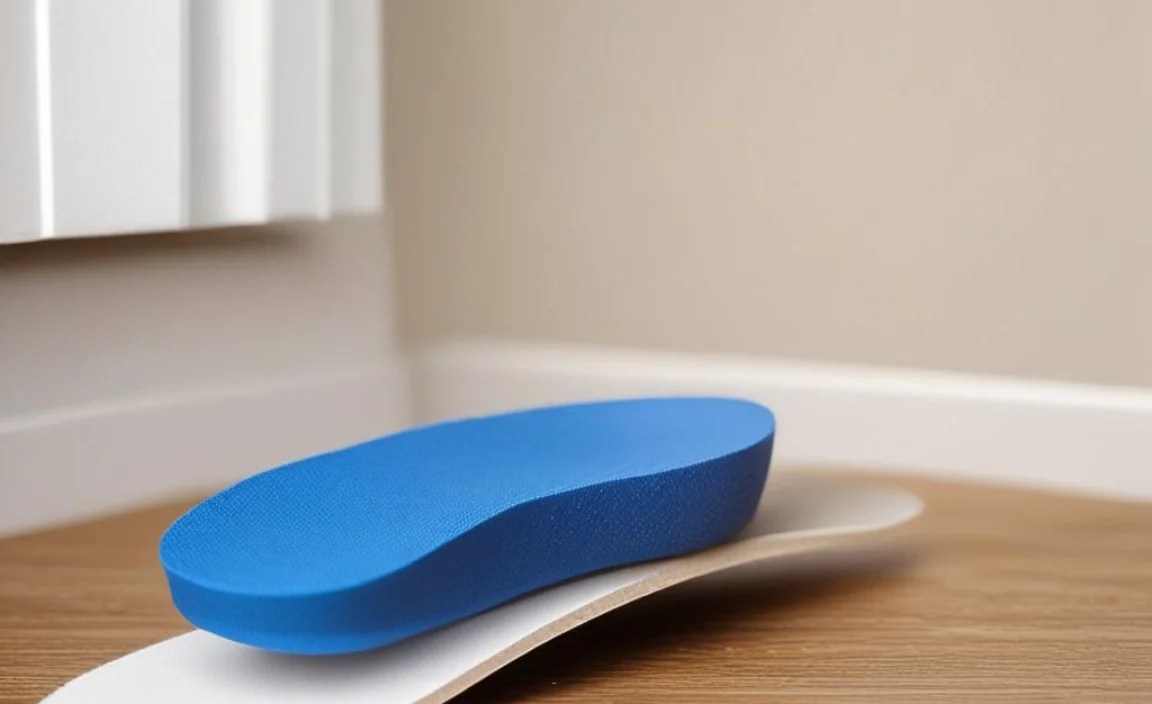
While good work boots are designed for protection, they have inherent limitations. Insoles are an excellent way to augment or even correct these limitations:
| Feature | Standard Work Boot Construction | Added Insoles |
|---|---|---|
| Cushioning | Basic padding in the sole, which can compress over time. | Adds a dedicated layer of shock-absorbing material, tailored to your needs. |
| Arch Support | Varies greatly by boot design; often minimal or generic. | Can be specifically chosen to match your arch height and provide targeted support. |
| Fit & Comfort | Relies solely on the boot’s internal shape. | Personalizes the fit, filling gaps and reducing pressure points. |
| Durability Enhancement | The boot’s sole wears down. | Can help the boot last longer by reducing wear and tear on the internal sole unit. |
| Moisture/Odor | Some boots have liners, but can still retain moisture. | Insoles made of wicking materials actively draw moisture away from the foot. |
For instance, a sturdy work boot might have a rigid sole that doesn’t offer much flexibility. Adding a cushioned, supportive insole can make a world of difference in how those boots feel after hours of crawling and kneeling. Likewise, if your boots feel a bit too large, a thicker insole can improve the fit and reduce friction.
Top Insole Types for Plumbers in Crawlspaces
Based on the demands of crawlspace work, certain types of insoles tend to perform best:
1. Cushioned/Comfort Insoles
These are generally the go-to for anyone seeking maximum shock absorption and comfort on hard surfaces. They often feature thick layers of EVA foam, gel inserts, or a combination.
Best for: Plumbers who experience significant foot fatigue, heel pain, or pain from kneeling directly on hard surfaces.
2. Supportive Insoles (Orthotic-Style)
These insoles are designed with a contoured shape to provide excellent arch support and heel stabilization. They aim to correct biomechanical issues and improve foot alignment. They often have a firmer feel than purely cushioned insoles.
Best for: Plumbers with specific foot conditions like plantar fasciitis, overpronation, or high arches, who need help maintaining proper foot alignment during strenuous work.
3. Heavy-Duty/Work Insoles
Marketed specifically for work boots, these insoles usually offer a combination of durability, cushioning, and support. They are often made from denser materials like polyurethane, designed to withstand tough conditions.
Best for: All-around protection and durability, suitable for plumbers who need a robust solution that won’t break down quickly.
How to Properly Fit and Use Insoles
Getting the most out of your insoles starts with selecting the right pair and then ensuring they fit correctly in your boots.
Step-by-Step Fitting Guide:
- Remove Existing Insoles: If your work boots have factory insoles, remove them first. This makes space for your new insoles and ensures a proper fit.
- Size Matters: Most insoles are sold by shoe size. You might need to trim them to perfectly match the contour of your boot. Many insoles have trim lines printed on the bottom to guide you. If you’re in doubt, it’s often better to go slightly larger and trim down.
- Try Them In-Boot: Place the new insoles into your work boots. Put the boots on and walk around. Pay attention to any pressure points, rubbing, or if the insole feels too voluminous or too thin.
- Trimming for a Perfect Fit: If trimming is needed, place the insole on top of the factory insole (if you didn’t remove it) or trace the outline of your boot’s interior directly onto the insole. Use sharp scissors or a craft knife to make precise cuts.
- Check Heel Stability: Ensure the insole sits flat and doesn’t bunch up, especially around the heel. A well-fitting insole should feel like a natural extension of your boot’s interior.
- Break-In Period: Some thicker or more supportive insoles may require a short break-in period. Start by wearing them for a few hours at a time and gradually increase the duration.
Maintenance Tips for Longevity:
- Regular Cleaning: After a long day in a dirty crawlspace, remove insoles to air them out. If they get particularly dirty or damp, gently clean them with mild soap and water. Always let them air dry completely before putting them back in your boots. Avoid high heat, as it can damage some materials.
- Inspect for Wear: Periodically check your insoles for signs of significant compression (flattening), tears, or excessive wear. Most insoles last between 6 months to a year, depending on usage and material.
- Rotate if Possible: If you have multiple pairs of work boots, rotating them can give your insoles (and your feet) a break and extend their life.
Real-World Considerations for Plumbers
Beyond the basic features, think about how your work environment specifically impacts your choices:
Dealing with Moisture and Dampness
Crawlspaces are notorious for being damp. This is where moisture-wicking and quick-drying materials become paramount. Look for insoles made from breathable foams or those with antimicrobial treatments. Some advanced insoles even have a perforated surface to improve airflow.
A good example of why this matters can be seen in studies on work boot permeation and moisture management. While focusing on entire boots, the principles of wicking and breathability are universal to foot health in challenging environments. For more on foot health in demanding jobs, resources from organizations like the National Institute for Occupational Safety and Health (NIOSH) can offer valuable insights into preventing work-related injuries.
Durability in Rough Conditions
You’re not walking on a polished floor. You’re navigating pipes, wires, and potentially sharp debris. Your insoles need to be tough. Polyurethane or high-density EVA foams often provide better resistance to abrasion and compression compared to softer foams.
Kneeling Comfort: A Critical Factor
Many plumbers spend hours kneeling. While protective knee pads are essential, the pressure transferred to your feet when kneeling on hard surfaces can be immense. Insoles with extra padding in the heel and ball of the foot, or those with specialized gel inserts, can significantly reduce this impact. Some insoles even offer dedicated “metatarsal pads” that help redistribute weight off the ball of your foot.
When Should You Consider New Insoles?
Even the best insoles won’t last forever. Here are signs that it’s time for a replacement:
- Visible Wear: If the cushioning material is flattened, torn, or significantly compressed.
- Persistent Pain: If you’re still experiencing foot pain and fatigue despite using your current insoles, they might no longer be providing adequate support or cushioning.
- Loss of Cushioning: You can test this by pressing down on the heel and ball of the insole. If it feels hard and unyielding, it’s lost its shock-absorbing properties.
- Odor Issues: If your insoles persistently smell bad despite cleaning, the antimicrobial treatments may have worn off, or the material may have trapped bacteria and fungi.
- Frequent Adjustments: If you find yourself constantly readjusting your insoles because they’re bunching up or shifting, the fit may have degraded.
The lifespan of an insole can vary greatly, but for daily use in demanding conditions, expect to replace them every 6-12 months on average. For a deeper understanding of foot health issues, consulting resources like the American Podiatric Medical Association (APMA) can provide valuable guidance on various foot ailments and treatments.
FAQ: Your Top Insole Questions Answered
Q1: Do I need special insoles for plumbers’ crawlspaces, or can I use any insoles?
A1: While any insole offers more comfort than none, special insoles designed for work environments are highly recommended. They offer enhanced durability, specific cushioning for hard surfaces, and superior moisture management needed for the challenges of crawlspace work.
Q2: Can insoles help with back pain when working in a crawlspace?
A2: Absolutely. Proper foot alignment and support from good insoles can improve your overall posture. This can reduce strain on your ankles, knees, hips, and lower back, potentially alleviating pain that originates from poor foot mechanics.
Q3: How do I know if I need arch support?
A3: If you have flat feet, you likely need more support to prevent strain. If you have high arches, you might experience discomfort or pain in the arches and heels. If your feet tend to roll outward when you walk, you may also benefit from enhanced support.
Q4: How thick should insoles be for work boots?
A4: The ideal thickness depends on the available space in your boot. A good rule of thumb is to ensure the insole doesn’t make your boot too tight, which can cause blisters and discomfort. For jobs requiring a lot of kneeling or standing on hard surfaces, a thicker, well-cushioned insole is generally preferable.
Q5: Can insoles help prevent blisters when working in damp conditions?
A5: Yes, insoles that wick away moisture are crucial. By keeping your feet drier, they reduce friction between your sock, foot, and boot, which is a primary cause of blisters, especially in humid or wet environments.
Q6: Are expensive insoles always better for plumbers?
A6: Not necessarily. While premium materials and advanced designs can offer superior benefits, many affordable insoles provide excellent support and cushioning. Focus on the features that match your specific needs (durability, cushioning, support type) rather than just the price tag.
Q7: How often should I replace my insoles in my crawlspace boots?
A7: For daily use in demanding work environments, aim to replace your insoles every 6 to 12 months, or sooner if you notice significant wear, loss of cushioning.
