Yes, insoles can significantly improve your comfort and performance on a Peloton bike by providing better arch support, cushioning, and alignment, reducing foot fatigue and pain during rides.
Cycling, especially on a stationary bike like a Peloton, puts unique demands on your feet. Without proper support, you might experience uncomfortable pressure points, numbness, or even pain. But don’t worry! Finding the right insoles can make a world of difference. This guide will walk you through exactly why insoles are a game-changer for your Peloton rides and how to choose the best ones for your feet. Get ready to feel more comfortable and cycle longer!
Why Insoles Are a Must-Have for Your Peloton Bike

Peloton bikes are fantastic machines for fitness, but the pressure and repetitive motion can be tough on your feet. Think about it — your feet are locked into pedals for your entire workout, bearing your body weight and enduring constant force. This can lead to a variety of issues if your shoes and the bike’s cleat system aren’t optimized for your unique foot anatomy.
This is where insoles come in. They are like custom-made foundations for your feet, designed to enhance comfort, improve alignment, and prevent common cycling discomforts. Unlike the thin, often unsupportive insoles that might come with your cycling shoes, dedicated insoles offer targeted support and cushioning where you need it most. This can help distribute pressure more evenly, correct slight misalignments, and absorb some of the shock from your pedaling motion. Ultimately, they transform your ride from potentially painful to powerfully enjoyable.
Common Foot Issues During Cycling
Riders often encounter these common foot problems:
- Hot Spots and Numbness: This happens when pressure is concentrated in one area, often due to a lack of arch support or ill-fitting shoes.
- Arch Pain: Both high and flat arches can lead to strain and pain if not properly supported.
- Heel Discomfort: The constant push-off can irritate the heel, especially without adequate cushioning.
- Forefoot Pain (Metatarsalgia): The ball of your foot can become sore from consistent pressure.
- Plantar Fasciitis: Inflammation of the thick band of tissue on the bottom of your foot can be aggravated by cycling.
These issues aren’t just annoying; they can limit your ability to ride longer and harder, and even impact your overall enjoyment of the Peloton experience. Investing in the right insoles is a proactive step towards preventing these problems and ensuring you can get the most out of every workout.
Understanding Insole Basics for Cycling
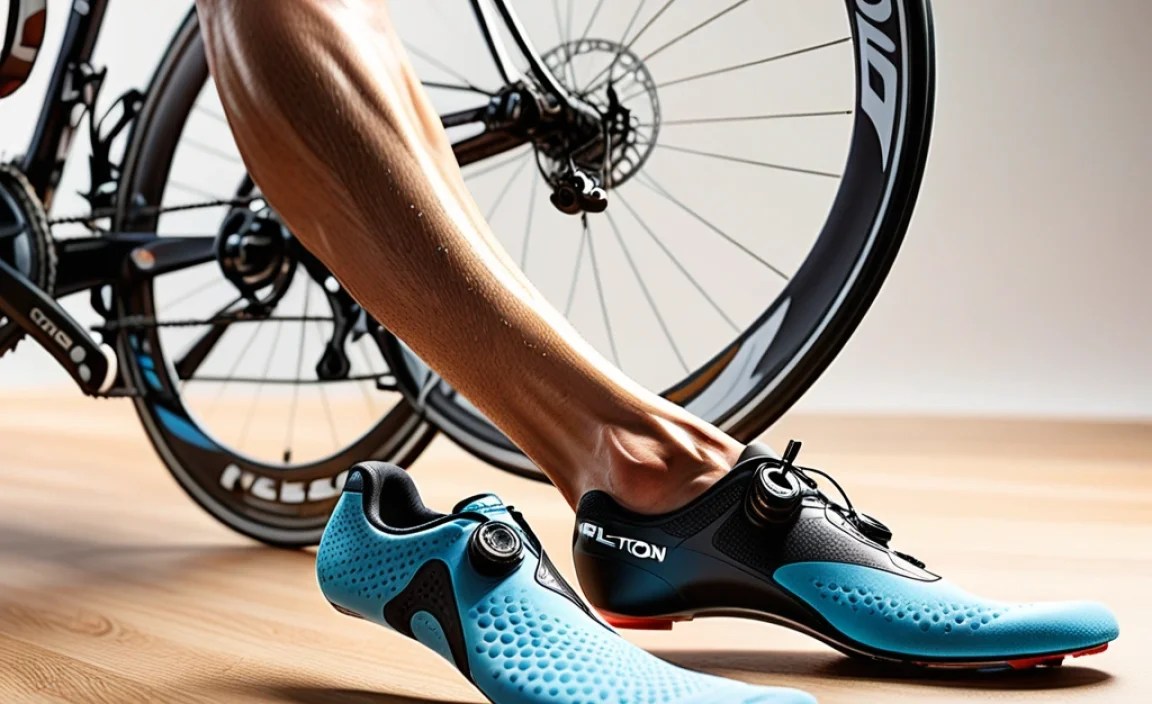
Not all insoles are created equal, especially when we talk about cycling. Understanding the basic types and features will help you make a smarter choice for your Peloton rides.
Types of Insoles
Insoles generally fall into a few categories based on their purpose and design:
- Cushioning Insoles: These prioritize shock absorption and comfort. They are great for general foot fatigue but might offer less structured support.
- Support Insoles (Orthotic Insoles): These are designed to provide specific support to your foot’s natural arch. They help with alignment and can correct mild biomechanical issues.
- Performance Insoles: These balance cushioning and support with a focus on stability and energy transfer. They often have a firmer feel to help you push more power.
- Activity-Specific Insoles: Some insoles are made with particular sports in mind, like cycling. They might have features tailored to the unique demands of the activity.
Key Features to Look For
When picking insoles for your Peloton bike, keep these features in mind:
- Arch Support: This is crucial. Insoles come with varying degrees of arch support (low, medium, high). You need to match this to your foot type.
- Heel Cup: A well-defined heel cup helps stabilize your foot, preventing excessive side-to-side movement and providing cushioning to absorb impact.
- Material: Different materials offer different benefits. EVA foam is common for cushioning, while firmer materials like plastic or carbon fiber offer more rigidity and support.
- Thickness/Profile: Cycling shoes have limited space. You’ll need insoles that fit without making your shoes too tight, which can also cause discomfort and issues like numbness. A low-profile insole might be best if your current shoes feel snug.
- Durability: Cycling is a high-impact activity. Choose insoles that are built to last.
Finding Your Arch Type
Your arch type is fundamental to choosing the right insole. Here’s a simple way to check:
- Get your feet wet.
- Step onto a piece of cardboard or a dark floor.
- Examine the imprint your foot leaves behind.
- Flat Arch (Low Arch/Fallen Arch): You’ll see almost your entire foot. You likely need moderate arch support to help lift and support your arch.
- Normal Arch (Medium Arch): You’ll see about half of your arch. Most support insoles will work well.
- High Arch: You’ll primarily see your heel and the ball of your foot, with a very thin or no connection between them. You may need insoles with extra cushioning, especially in the arch area, to fill the gap and absorb shock.
Understanding these basics will empower you to choose insoles that genuinely fit your feet and enhance your cycling experience. Remember, the goal is to make your feet happy, even during intense workouts!
Choosing the Best Insoles for Peloton Cycling

The right insole can transform your Peloton experience, turning discomfort into consistent comfort and improved performance. Here’s a breakdown of how to select the perfect pair for your cycling shoes.
Matching Insoles to Your Foot Type and Needs
Your primary consideration should be how your feet behave during the repetitive motion of cycling. Are your feet naturally pronating (rolling inward)? Are you experiencing hot spots under the ball of your foot? Do you have high arches that feel unsupported?
- For Pronators: Look for insoles with good stability features and mild to moderate arch support to help control the inward roll.
- For Supinators (Underpronators): These individuals often have high arches and may benefit from insoles with extra cushioning and flexibility to absorb shock.
- For Flat Feet: Firm arch support is key to prevent the arch from collapsing.
- For High Arches: Comfort and shock absorption are paramount. Look for insoles with extra cushioning in the arch and heel.
Top Insole Picks for Peloton Enthusiasts
While personal preference plays a role, certain insoles consistently receive high marks from cyclists for their blend of support, comfort, and durability. Here are a few categories and examples of what to look for:
1. Supportive Insoles for Neutral/Moderate Arches: These are often the sweet spot for many riders. They offer a good balance of support and cushioning without being overly rigid.
- Superfeet Bike Comfort: Designed specifically for cycling, these offer molded support and cushioning to reduce pressure and fatigue. They aim to improve power transfer and comfort.
- Currex BikePro: Currex offers various levels of support. Their “dynamic stride” technology aims to guide the foot’s natural motion while providing substantial arch support and shock absorption suitable for cycling.
2. Maximum Cushioning Insoles for Sensitive Feet: If hot spots and general foot fatigue are your main concerns, look for insoles that prioritize shock absorption.
- GEL-Actives (various brands like Powerstep or Gel-Plus): While not always cycling-specific, high-quality gel insoles can offer excellent shock absorption, particularly for the heel and ball of the foot. Ensure they are low-profile enough for cycling shoes.
- Sole Footbeds: Known for their moldable nature, Sole insoles offer excellent arch support and shock absorption. You can often heat-mold them for a custom fit, which is fantastic for providing targeted comfort.
3. Power Transfer Focused Insoles: For riders looking to maximize their output, a slightly firmer insole can help. These often have a more rigid structure to prevent energy loss.
- Specialized Body Geometry Footbeds: These are designed to work with Specialized shoe systems but can be adapted. They focus on improving foot alignment and power transfer with a variety of arch height options.
Considerations for Cycling Shoes
Your cycling shoes play a significant role in how insoles will perform:
- Internal Space: Cycling shoes are often designed to be snug. You’ll need to consider the thickness of the insole. Too thick, and your foot might be crammed, leading to numbness and poor circulation. Measure the depth inside your shoe or try a low-profile insole first.
- Cleat Position: Insoles can subtly alter your foot’s position within the shoe. Ensure that after inserting new insoles, your cleats are still positioned correctly on your cycling shoes for optimal power transfer and to prevent knee strain. You might need a minor adjustment.
- Shoe Stiffness: Stiffer-soled cycling shoes offer a good platform for insoles to work on. If your shoes are very flexible, the benefits of a supportive insole might be diminished.
A good starting point is often an insole that provides moderate arch support and decent heel cushioning. You can then experiment based on how you feel during your rides.
How to Use Insoles with Your Peloton Bike

Getting insoles into your Peloton setup is straightforward, but a few tips can ensure you reap the full benefits without any hassle.
Step-by-Step Installation Guide
- Remove Existing Insoles: Carefully take out the insoles that came with your cycling shoes. They might be glued in some cases, but most can be gently pried out.
- Clean Your Shoes: Before inserting the new insoles, give the inside of your cycling shoes a quick wipe-down to remove any dust or debris.
- Position the New Insole: Place the new insole inside the shoe. Ensure the heel of the insole is snug against the heel cup of the shoe and that the arch support is correctly aligned under your foot’s arch. Most insoles are designed to follow the natural contour of the shoe base.
- Try Them On: Slip on your cycling shoes with the new insoles. Your feet should feel comfortably cradled without being squeezed. There shouldn’t be any excessive looseness or pressure points.
- Check Cleat Engagement: Clip your shoes onto the Peloton pedals. Check how your feet feel. You might need to make very minor adjustments to your cleat position if you feel a difference in how your foot sits on the pedal. However, with most good insoles, this is rarely a major issue.
Breaking In Your New Insoles
Just like new shoes, new insoles might require a little break-in period. This is especially true for more supportive or firmer insoles.
- Start Gradually: Begin by wearing your new insoles for shorter rides. Perhaps use them for a 20-minute session first, then a 30-minute ride.
- Listen to Your Feet: Pay attention to any new sensations. Some initial adjustments are normal, but persistent pain or discomfort is a sign that the insole might not be the right fit or support level for you.
- Adjust as Needed: If you experience minor rubbing or pressure, you can try slightly repositioning the insole in your shoe. If the issue persists, consider a different style or brand.
When to Replace Your Insoles
Insoles, even high-quality ones, don’t last forever. They gradually lose their cushioning and supportive properties over time.
- Visible Wear: Look for signs of wear and tear like flattened cushioning, cracked materials, or worn-down edges.
- Loss of Support: If you start feeling the old aches and pains returning during your rides, it’s a strong indicator that your insoles have lost their effectiveness.
- General Lifespan: For active users, it’s generally recommended to replace insoles every 6 to 12 months, depending on usage frequency and the insole’s material. For Peloton use, which is typically consistent, checking them every 6 months is a good practice.
Proper use and timely replacement will ensure you consistently enjoy the benefits of your insoles, keeping your feet happy and your Peloton rides comfortable and effective.
Insoles vs. Footbeds: What’s the Difference?

Sometimes the terms “insole” and “footbed” are used interchangeably, which can be confusing. While they both go inside your shoes to enhance comfort and support, there can be subtle distinctions, especially in the context of athletic gear.
Understanding the Terminology
In a general sense:
- Insoles: This is the most common term for any removable insert placed inside a shoe. They can be for cushioning, support, or specific conditions. Many aftermarket products for shoes are called insoles.
- Footbeds: This term can sometimes refer to the built-in support structure inside a shoe. However, in the context of aftermarket products, “footbed” often implies a more anatomically shaped and supportive insert, aiming to replicate or improve upon the shoe’s natural internal structure. Cycling-specific products often lean towards “footbed” when they offer a more engineered support system.
For cycling, many brands that offer supportive inserts for cycling shoes refer to them as “footbeds,” particularly those that use advanced materials and anatomical shaping, like the ones from Specialized or Currex. However, other brands might call their cycling-specific inserts “insoles.” The key is to look at the features and benefits rather than solely relying on the name.
Key Differences Relevant to Cycling
When you see terms like “footbed” in cycling gear, it often suggests a focus on:
- Anatomical Shaping: More emphasis on matching the natural contours of the foot, providing structured arch support and heel cupping.
- Material Technology: Often incorporating advanced foams, composites, or rigid materials for better support, stability, and energy transfer.
- Performance Orientation: Designed not just for comfort but also to improve biomechanics for better power output and injury prevention during athletic activities.
In summary: While the terms can overlap, think of “footbed” in a cycling context as potentially implying a more engineered, supportive, and performance-oriented insert, which is exactly what you want for your Peloton rides. Regardless of the name, always prioritize features like arch support, heel stability, and appropriate cushioning for your foot type.
Frequently Asked Questions About Insoles for Peloton Cycling
Q1: Do I really need insoles for my Peloton bike, or are my cycling shoes enough?
While good cycling shoes provide a stiff base for power transfer, their stock insoles are often basic. Insoles add targeted arch support and cushioning, which can prevent hot spots, numbness, and fatigue, especially during longer rides. For many, they are essential for optimal comfort and performance.
Q2: How do I know if I need high or low arch support insoles for my Peloton?
You can determine your arch type by wetting your foot and stepping on a surface that shows an imprint. A full imprint means flat feet (low arch), needing more support. A very narrow or no connection between heel and forefoot means high arches, needing more cushioning. A partial imprint suggests a normal arch.
Q3: Can insoles improve my cycling performance on a Peloton?
Yes, they can. By providing better foot alignment and support, insoles can lead to more efficient power transfer through the pedals. Reduced foot fatigue also means you can maintain a higher intensity for longer periods.
Q4: My cycling shoes feel too tight with insoles. What should I do?
This is common. Opt for low-profile insoles designed for athletic shoes. You may need to choose a thinner insole, or sometimes a slightly larger shoe size might be necessary if your current shoes are already at their maximum snugness.
Q5: How often should I replace insoles used for Peloton cycling?
For regular Peloton users, insoles typically need replacing every 6 to 12 months. Signs to replace them include flattened cushioning, visible wear, or a return of foot discomfort during your rides, indicating they’ve lost their support and shock absorption capabilities.
Q6: Can I use the same insoles for my outdoor cycling and indoor Peloton rides?
Generally, yes, if they fit both pairs of shoes well and offer the support you need. However, be mindful of any differences in shoe design or fit between your outdoor cycling shoes and your dedicated Peloton shoes.
Q7: What’s the difference between insoles for running and insoles for cycling?
Cycling insoles are often designed to be firmer and more supportive to enhance power transfer and fit snugly within stiff cycling shoe soles. Running insoles tend to prioritize shock absorption for impact in multiple directions. For Peloton cycling, a firm, supportive, and well-cushioned insole is ideal.
