For park guides hiking, the best insoles offer superior arch support, cushioning, and shock absorption to combat fatigue and foot pain. Choosing the right pair ensures comfort and performance on rugged trails, making every step more enjoyable and reducing the risk of injury. Invest in your feet for a better guiding experience.
Spending your days leading adventures through breathtaking landscapes is rewarding, but it can be tough on your feet. Long hours of walking, standing, and navigating uneven terrain can lead to tired, sore, and even painful feet. If you’re a park guide, your footwear is your most important tool. Luckily, there’s a simple solution to boost your comfort and endurance: insoles. These inserts can transform your hiking boots, providing much-needed support and cushioning. We’ll explore why insoles are a game-changer for park guides and how to pick the perfect pair for your trails.
Why Insoles Are Essential for Park Guides

As a park guide, your feet are constantly working overtime. They bear the brunt of your daily activities, so giving them the right support isn’t a luxury; it’s a necessity. Standard shoe insoles, often called “sock liners,” are usually thin and provide minimal cushioning or support. They’re designed for basic comfort during casual wear, not for the demands of extensive hiking on varied terrain.
Insoles, also known as orthotics or inserts, are specifically designed to enhance the performance and comfort of your footwear. They can:
- Provide Targeted Support: Insoles offer specialized support for different foot arches (high, neutral, flat), helping to distribute pressure evenly and prevent common issues like plantar fasciitis.
- Increase Cushioning: They add an extra layer of shock absorption, significantly reducing the impact on your feet, ankles, and knees with every step.
- Improve Stability: Well-designed insoles can help stabilize your foot within your boot, reducing excessive motion and preventing blisters or sprains.
- Alleviate Pain: By correcting biomechanical issues and providing comfort, insoles can often relieve existing foot pain, heel pain, shin splints, and back pain.
- Enhance Performance: When your feet are comfortable and well-supported, you can hike longer, climb steeper inclines, and generally feel more energetic throughout your workday.
For park guides, this translates directly to being able to focus more on your group and the environment, and less on the discomfort in your feet. Imagine guiding a group up a challenging trail without constantly thinking about your aching soles – that’s the power of good insoles.
Understanding Insole Types: Finding Your Perfect Fit
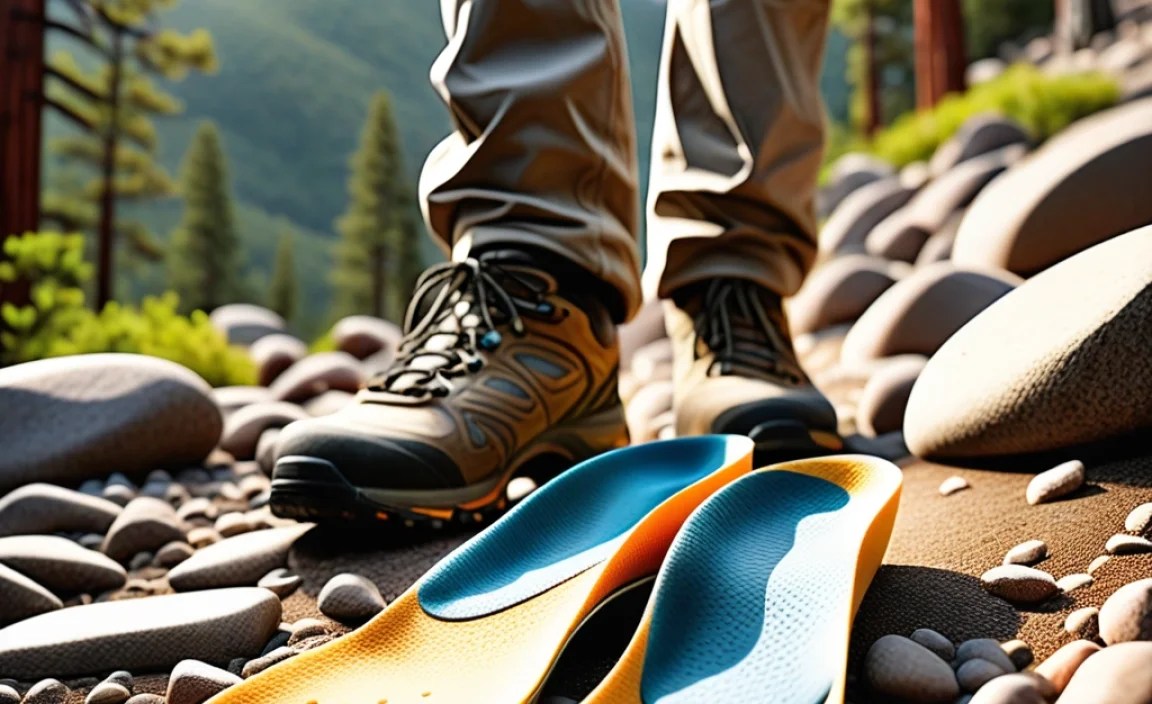
Not all insoles are created equal. The market offers a variety of types, each designed to address specific needs. Understanding these differences will help you make an informed decision.
1. Cushioning Insoles
These are the go-to for maximum shock absorption and comfort. They are typically made from soft, pliable materials like foam or gel. Cushioning insoles are ideal for individuals who spend a lot of time on their feet and need to reduce impact, making them excellent for park guides who have to cover a lot of ground.
Pros:
- Excellent shock absorption
- Great for comfort and reducing impact
- Widely available and often affordable
Cons:
- May offer less arch support
- Can sometimes feel too soft, leading to foot fatigue over very long distances
2. Support Insoles (Arch Support)
These insoles are designed to provide structure and stability to the foot, with a focus on supporting the arch. They often have a firmer construction and a contoured shape to help maintain the natural alignment of the foot. Support insoles are crucial for people with flat feet or high arches, as they help distribute weight more evenly.
Pros:
- Excellent arch support for various foot types
- Promotes better foot alignment and posture
- Can help prevent conditions like plantar fasciitis
Cons:
- Can feel firmer than cushioning insoles
- May require a break-in period
3. Stability Insoles
A blend of cushioning and support, stability insoles aim to provide a balanced feel. They often feature a firmer heel cup for stability and some cushioning throughout. These are a great all-around option for many active individuals, including park guides who need both comfort and reliable support.
Pros:
- Good balance of cushioning and support
- Help control mild overpronation (inward rolling of the foot)
- Versatile for various activities
Cons:
- May not offer the extreme cushioning of dedicated soft insoles
- Could be too structured for those who prefer a minimalist feel
4. Performance or Activity-Specific Insoles
These insoles are engineered for specific activities. For hiking, this means they are often designed with enhanced durability, superior grip, and materials that wick away moisture. They might incorporate features like deep heel cups for stability on inclines and specific cushioning zones for high-impact areas.
Pros:
- Tailored to the demands of specific sports/activities
- Often use advanced, durable materials
- Can offer specialized features like enhanced traction
Cons:
- Can be more expensive
- May be overly specialized if you need an insole for multiple purposes
Key Features to Look for in Hiking Insoles

When you’re seeking insoles for guiding hikes, not just any insert will do. You need something that can stand up to the rigors of the trail and provide sustained comfort. Here are the essential features to consider:
- Arch Support: This is paramount. Your arch is your foot’s natural shock absorber. Insoles with good arch support help maintain its shape and function, preventing strain and fatigue. Whether you have high arches, flat feet, or neutral arches, there’s an insole designed for you.
- Cushioning: Look for insoles that offer ample cushioning, especially in the heel and forefoot. Materials like EVA foam, gel, or specialized proprietary foams are excellent at absorbing impact. This reduces stress on your joints with every step.
- Heel Cup: A deep, structured heel cup helps to cradle your heel, providing stability and preventing it from sliding around inside your boot. This is crucial for preventing blisters and sprains, especially on uneven terrain.
- Durability: As a park guide, you’ll be putting them to the test daily. Choose insoles made from robust, long-lasting materials that won’t break down quickly under pressure and repeated use.
- Moisture-Wicking Properties: Feet can get sweaty, especially during strenuous hikes. Insoles made with breathable, moisture-wicking materials help keep your feet drier and cooler, reducing the risk of blisters and fungal infections.
- Flexibility and Fit: The insole should complement the natural flex of your foot and fit snugly within your hiking boot without creating pressure points or feeling too tight.
How to Choose the Right Insoles for Your Feet

The best insole for one person isn’t necessarily the best for another. Your unique foot shape, biomechanics, and personal preferences play a huge role. Here’s a step-by-step approach to finding your ideal match:
Step 1: Assess Your Foot Type
Understanding your arch height is the first crucial step. You can perform the “wet test”:
- Wet the sole of your foot.
- Step onto a piece of paper or a dry, dark surface.
- Examine the imprint:
- Flat Arch (Low Arch or Pes Planus): You’ll see most of your foot’s imprint, with little to no curve inward. This means your arch collapses, and you likely need insoles that provide substantial arch support and stability.
- Normal Arch (Medium Arch or Neutrally Arched): You’ll see about half of your arch imprinted, with a distinct curve. These feet generally absorb shock well and can benefit from insoles that offer a good balance of cushioning and support.
- High Arch (Cavus Foot or Pes Cavus): You’ll see a very thin or absent imprint of your arch. These feet are often rigid and don’t absorb shock well, so you’ll need insoles with plenty of cushioning to protect your feet and joints.
Step 2: Consider Your Foot Strike and Pronation
Pronation refers to the natural inward rolling of your foot as it strikes the ground. While a little pronation is normal, overpronation (excessive inward rolling) or supination (outward rolling) can cause issues. Many insole brands offer specific support for these conditions. If you’re unsure, a gait analysis at a specialized running store or a visit to a podiatrist can help.
Step 3: Think About Your Hiking Terrain and Demands
Are you mostly guiding on well-maintained paths, or are you navigating rocky, uneven trails with significant elevation changes? For more challenging terrain, you’ll need insoles with enhanced stability, excellent shock absorption, and a robust build. For gentler trails, a good balance of cushioning and support might suffice.
Step 4: Try Them On (If Possible)
The best way to know if an insole works for you is to try it. If you can, visit a store that specializes in outdoor gear or foot health products. Many reputable brands offer trial periods, allowing you to test insoles on actual hikes.
Step 5: Read Reviews and Seek Expert Advice
Don’t underestimate the power of collective experience. Read reviews from other hikers and park guides. If you have persistent foot pain or a diagnosed condition, consult a podiatrist or a certified pedorthist. They can recommend specific types of insoles or custom orthotics tailored to your needs. The U.S. Food & Drug Administration (FDA) provides information on approved orthopedic devices and their uses, which can be helpful in understanding the scope of these products.
Top Insole Recommendations for Park Guides
Based on common needs for comfort, support, and durability, here are some highly-regarded types of insoles suitable for park guides. These brands and styles are known for quality and performance on trails:
Example Table: Comparison of Popular Insole Brands for Hiking
| Brand/Model | Type | Key Features | Best For |
|---|---|---|---|
| Superfeet Trailblazer | Support/Stability | Deep heel cup, medium arch support, durable construction, moisture-wicking top sheet. | Moderate to high arches; general hiking comfort and support. |
| SOLE Active Medium | Support/Cushioning | Heat-moldable for a custom fit, deep heel cup, good arch support options (various heights available). | All arch types; personalized comfort and support for long days. |
| OOFOS OOFRecovery Insoles | Cushioning | Proprietary foam for extreme shock absorption, arch support, reduces stress on joints. | Recovery; individuals seeking maximum plushness and comfort, especially after strenuous activity. |
| Powerstep Full Length Orthotics | Support/Stability | Semi-rigid arch support, VTP (Variable Thickness) cushioning, heel cradle for stability. | Flat feet, overpronation, moderate arch support needs. |
| X-Sole (Specific hiking models) | Performance | Targeted cushioning, excellent shock absorption, durable materials, often designed with trail-specific features like grip. | Rugged terrain hikers; those needing robust, performance-oriented support. |
When selecting, remember to consider not just brand reputation but how the insole aligns with your personal foot needs and the specific type of hiking you do as a park guide.
How to Insert and Break In Your New Insoles
Getting new insoles is exciting, but the process doesn’t end with the purchase. Proper insertion and a gradual break-in period will ensure you get the most benefit and avoid any initial discomfort.
Inserting Your Insoles
This is generally straightforward:
- Remove Existing Insoles: Take out the original insoles from your hiking boots. If they are glued in, you might need to carefully pry them up with a flat tool.
- Trim (If Necessary): Most insoles are designed to be trim-to-fit. Place the original insole (or the boot itself) over the new insole and trace the outline with a pen or pencil. Use sharp scissors to carefully cut along the traced line. It’s often better to cut slightly smaller than needed initially, as you can always trim more.
- Insert into Boot: Slide the new insole into your boot, ensuring it lies flat and snug against the bottom. Make sure the heel of the insole sits correctly within the heel counter of the boot.
- Check for Fit: Put on your hiking socks and try on the boot. Your foot should feel comfortably supported, with no pinching or excessive tightness. The insole should not bunch up or shift.
Breaking In Your Insoles
Even the most comfortable insoles can feel a bit different at first. A gradual break-in period helps your feet adapt to the new support and ensures maximum comfort on longer treks.
Here’s a recommended approach:
- Start Small: Wear your boots with the new insoles for short periods around the house or on easy, short walks for the first few days.
- Gradually Increase Duration: As your feet feel more accustomed, start wearing them for longer walks or shorter hikes on familiar trails.
- Listen to Your Body: If you experience any significant discomfort, take a break. For most people, minor adjustments and mild sensations are normal, but sharp pain is a sign to stop and reassess.
- Full Hikes: Once you feel comfortable after a week or two of gradual use, you should be ready to tackle your full guiding days with your new insoles.
The break-in period can vary depending on the insole’s stiffness and your foot’s sensitivity, but typically ranges from a few days to two weeks.
Maintaining Your Insoles for Longevity
To get the most out of your investment, proper care and maintenance of your insoles are essential. This ensures they continue to provide optimal comfort and support throughout their lifespan.
Cleaning Your Insoles
Regular cleaning will keep your insoles fresh and functional:
- Spot Clean: For minor dirt or sweat, use a damp cloth with mild soap. Gently scrub the surface of the insole.
- Hand Wash: If they need a more thorough clean, remove the insoles from your boots. Hand wash them in cool water with a mild detergent. Avoid abrasive brushes that could damage the material.
- Air Dry: Never put insoles in a dryer or expose them to direct, intense heat, as this can warp or degrade the materials. Always air dry them completely away from direct sunlight. This might take 24-48 hours.
When to Replace Your Insoles
Insoles don’t last forever. They will show signs of wear and tear over time, indicating it’s time for a replacement. Look for these signs:
- Reduced Cushioning: If they feel flatter, harder, or less responsive than before, the cushioning has likely compressed.
- Visible Wear: Excessive flattening, holes, tears, or fraying at the edges are clear indicators of wear.
- Loss of Support: If you start experiencing foot pain again, even with your insoles, they may no longer be providing adequate support.
- Odor: Persistent strong odors that don’t go away even after cleaning can indicate material breakdown or accumulated bacteria.
Generally, most insoles last between 6 to 12 months with regular use, but this can vary significantly based on the quality of the insole, the intensity of use, and your body weight. Investing in good quality insoles will also contribute to a longer lifespan. For park guides, frequent replacement might be necessary given the demanding nature of the job.
The Broader Benefits of Healthy Feet for Park Guides
Taking care of your feet with insoles is more than just about immediate comfort; it has significant long-term benefits for your overall health and well-being. As a park guide, your body is your instrument, and healthy feet are the foundation of a functional, pain-free body.
Improved Posture and Alignment: Your feet are the base of your skeletal structure. When your feet are properly aligned and supported by the right insoles, it can improve your posture from the ground up. This can reduce strain on your ankles, knees, hips, and even your back, leading to less general body.
