For paramedics on their feet all day, the right insoles are crucial for comfort, support, and preventing fatigue. Choosing supportive insoles can significantly ease foot pain, improve stability, and boost overall well-being during demanding shifts.
Paramedics are heroes who are constantly on the move, facing unpredictable situations and often spending long hours on their feet. Their work demands peak physical condition, and that includes having happy, healthy feet! Long shifts, often in sturdy, unforgiving boots, can take a real toll. Foot pain, fatigue, and discomfort are common complaints among these dedicated professionals. But what if there was a simple, effective way to make those tough days a little easier? Investing in the right insoles can be a game-changer, providing the cushioning and support needed to power through any situation. We’ll explore why insoles are essential gear for paramedics and how to find the perfect pair to keep you comfortable and focused when it matters most.
Why Every Paramedic Needs Quality Insoles
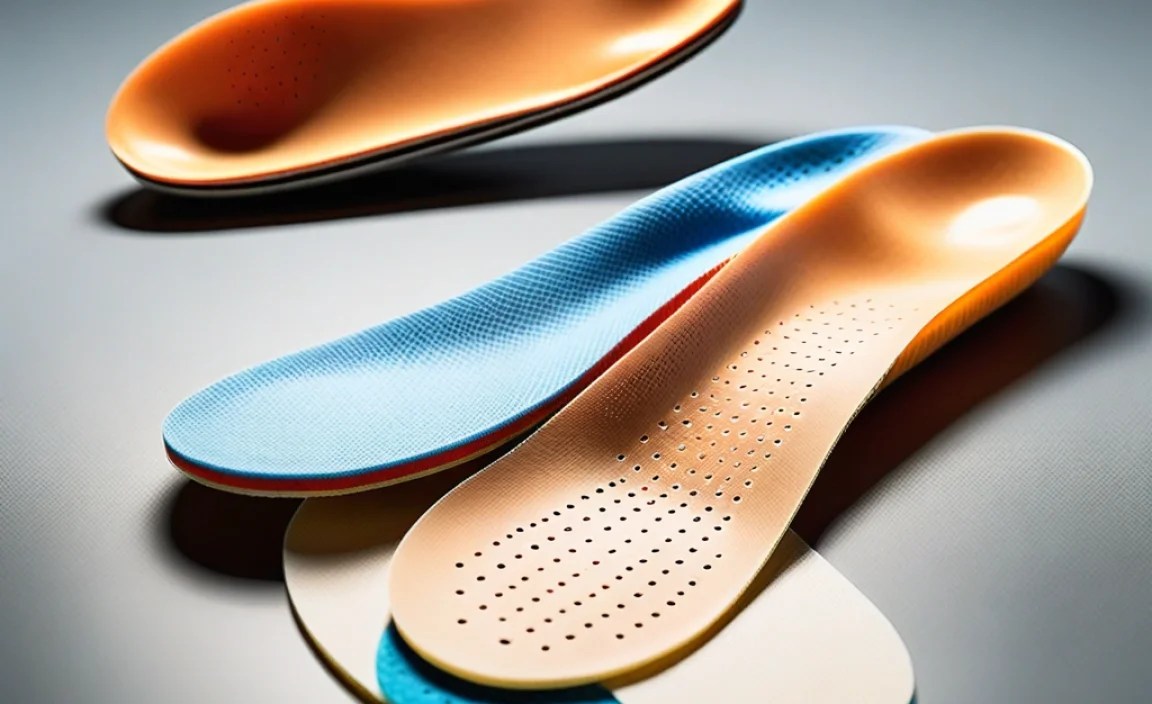
The life of a paramedic is far from sedentary. You’re running, kneeling, lifting, and standing for extended periods, often in challenging environments and with limited opportunities for rest. The boots you wear, while protective, may not always offer the ideal level of arch support or shock absorption needed for such constant activity. This is where insoles step in. They are more than just an add-on; they are a fundamental piece of equipment for foot health and overall performance.
The Demands on Paramedic Feet
Consider the average shift for a paramedic. It can involve:
- Prolonged Standing: Waiting for backup, assessing scenes, or maintaining patient positions can mean hours of static standing.
- Constant Walking and Running: Moving quickly to patients, carrying equipment, and responding to emergencies requires sustained ambulation.
- Impact and Shock: Jumping out of vehicles, navigating uneven terrain, and the general impact of movement can stress the feet.
- Heavy Lifting: Assisting patients or moving equipment adds significant load and pressure.
- Confined Spaces and Awkward Positions: Working in tight areas or at odd angles can put uneven stress on the feet and ankles.
- Protective Footwear: While safety boots are essential, they can sometimes be stiff and lack the adaptive comfort needed for long-term wear. The inherent rigidity designed for protection can contribute to discomfort if not properly supplemented.
Without adequate support, these demands can lead to a cascade of problems, from minor aches to more serious conditions like plantar fasciitis, shin splints, and lower back pain. Think of insoles as a personalized upgrade for your footwear, tailored to meet the unique stresses of your profession.
How Insoles Enhance Comfort and Performance
High-quality insoles offer several key benefits that directly address the challenges faced by paramedics:
- Shock Absorption: They act as a buffer, reducing the impact on your feet, joints, and spine with every step. This is vital for minimizing fatigue and preventing micro-traumas.
- Arch Support: Proper arch support helps distribute body weight evenly across the foot, reducing strain on the plantar fascia (the band of tissue on the bottom of your foot) and the muscles within your feet.
- Cushioning: Added padding can significantly enhance the comfort of even the stiffest work boots, making long hours feel less taxing.
- Stability and Alignment: Insoles can help correct mild pronation (the inward rolling of the foot) or supination (outward rolling), promoting better foot alignment and posture, which can extend up to the knees, hips, and back.
- Moisture Wicking: Many performance insoles are designed with materials that pull moisture away from the skin, helping to keep feet dry and reduce the risk of blisters and fungal infections.
- Temperature Regulation: Some advanced insoles have features to help keep feet cooler in warm conditions or warmer in cold conditions.
Essentially, good insoles work to make your boots feel more like custom-made shoes, designed not just for protection, but for sustained, comfortable performance throughout your demanding shifts.
Understanding Insole Basics for Paramedics

Not all insoles are created equal. To make an informed choice, it’s helpful to understand the basic types and the materials that make them effective. The goal is to find an insole that complements your specific foot type and the demands of your job.
Types of Insoles
Insoles generally fall into a few main categories based on their intended purpose:
- Cushioning Insoles: These are designed primarily for shock absorption and cushioning. They often use soft foams like EVA (ethylene-vinyl acetate) or gel pads. They’re great for general comfort but might offer limited structural support.
- Supportive/Orthotic Insoles: These insoles provide more rigid support to the arch and heel. They are designed to help control foot motion and proper alignment. They often incorporate firmer materials and have a contoured shape to cradle the foot.
- Activity-Specific Insoles: Some insoles are designed for particular activities, like running or hiking. While not specifically for paramedics, the principles of shock absorption and support can be transferable.
- Work Boot Insoles: Many brands offer insoles marketed directly for work boots, often focusing on durability, odor control, and rugged support.
Common Insole Materials
The materials used determine an insole’s properties:
- EVA (Ethylene-Vinyl Acetate): A common, lightweight, and flexible foam that offers good cushioning and shock absorption. It’s durable but can compress over time.
- Polyurethane (PU): More resilient and durable than EVA, offering excellent cushioning and support. It’s often used in higher-end or more supportive insoles.
- Gel: Used for enhanced shock absorption and pressure relief, often found in specific high-impact zones like the heel or forefoot.
- Memory Foam: Molds to the shape of your foot for a personalized, comfortable fit and good cushioning, though it can sometimes retain heat and may not offer the most robust long-term support.
- Cork: A natural material that is supportive, durable, and conforms to the foot over time. It can also be breathable.
- Merino Wool/Synthetic Fabrics: Often used for the top layer to provide moisture-wicking, antimicrobial properties, and a soft feel against the skin.
Foot Types and the Best Insole Match
Understanding your foot type is crucial for selecting an insole that provides the right kind of support. A simple way to check is to look at the imprint your wet foot leaves on a piece of paper.
- High Arches (Supinated Foot): These feet don’t absorb shock well. They often benefit from insoles with ample cushioning and some flexibility, particularly in the forefoot, to help absorb impact.
- Normal Arches (Neutral Foot): These feet generally have good shock absorption. Medium-support insoles that offer a balance of cushioning and support are usually ideal.
- Low Arches/Flat Feet (Pronated Foot): These feet tend to roll inward excessively. They require insoles with strong arch support and motion control to help stabilize the foot and prevent overpronation.
If you’re unsure about your foot type or have significant pain, consulting a podiatrist or a qualified foot care professional can provide personalized guidance. They can assess your gait and foot structure to recommend the most effective support. For a professional opinion on foot health, the American Podiatric Medical Association (APMA) is an excellent resource.
Choosing the Right Insoles for Paramedics: A Step-by-Step Guide

Selecting the perfect insoles for your demanding job requires a thoughtful approach. It’s not just about picking the cheapest or the most cushioned option. You need to consider your specific needs, your boots, and your budget.
Step 1: Assess Your Current Foot Comfort and Pain Points
Before you even look at insoles, take a moment to identify where you experience the most discomfort. Is it:
- Heel pain?
- Arch fatigue?
- Forefoot or ball-of-foot pain?
- General foot tiredness?
- Pain that travels up to your knees or back?
Knowing your specific pain points will help you narrow down the features you need in an insole. For instance, heel pain might point to a need for better shock absorption at the heel, while arch fatigue suggests a need for more substantial arch support.
Step 2: Consider Your Work Boots
The type of boots you wear plays a significant role. Are they:
- Stiff and roomy? You might have more space for thicker, highly supportive insoles.
- Snug and form-fitting? You’ll likely need thinner, more low-profile insoles to avoid making your boots too tight, which can cause friction and discomfort.
- Waterproof or breathable? Ensure your insole choice doesn’t compromise the boot’s functionality (e.g., a very thick insole might reduce breathability).
Always consider the depth of your boot. Some boots have removable factory insoles, while others have very thin liners. The space available will dictate the size and thickness of the insole you can use.
Step 3: Determine Your Arch Type and Support Needs
As discussed earlier, knowing your arch type is key.
- Flat feet/Low arches: Look for insoles with structured, firm arch support and a deep heel cup for stability.
- Normal arches: You have more flexibility. Medium-support insoles with good all-around cushioning and support will likely work well.
- High arches: Prioritize cushioning, especially in the heel and forefoot, with some arch support to help distribute pressure.
Many insole manufacturers offer guides on their websites to help you match their products to your foot type.
Step 4: Evaluate Insole Features for Paramedic Work
Beyond basic support, think about features particularly beneficial for your job:
- Durability: Your insoles need to withstand daily, intensive use. Look for high-density foams or robust construction.
- Odor Control: Keeping feet fresh in enclosed boots is important. Many insoles have antimicrobial treatments or odor-neutralizing materials.
- Moisture Management: Breathable top layers can wick away sweat, preventing blisters and keeping your feet drier and cooler.
- Non-Slip Surface: Some insoles have a textured top to prevent your foot from sliding around inside the boot, which is crucial for stability during rapid movements.
Step 5: Read Reviews and Consider Your Budget
Once you have a general idea of what you need, dive into reviews. Look for feedback specifically from people in physically demanding jobs or those who stand for long periods. Pay attention to comments on longevity, comfort after extended wear, and suitability for work boots.
Insoles range in price, from very affordable options to premium therapeutic versions. While it might be tempting to go for the cheapest, investing in a slightly more expensive, high-quality insole can often provide better comfort, support, and durability in the long run. Think of it as an investment in your well-being and ability to perform your job effectively.
Consider a comparison of features that might be relevant:
| Feature | Ideal for Paramedics Experiencing: | Key Benefit |
|---|---|---|
| Deep Heel Cup | Heel pain, ankle instability | Stabilizes the heel, reduces jarring impact |
| Firm Arch Support | Foot fatigue, arch pain, flat feet | Distributes weight evenly, prevents arch collapse |
| Plush Cushioning | General foot soreness, long hours standing | Absorbs shock, reduces pressure points |
| Moisture-Wicking Top Layer | Sweaty feet, risk of blisters | Keeps feet dry and prevents friction |
| Durable Materials (e.g., PU) | Frequent, rigorous use | Long-lasting comfort and support |
Step 6: Try Them Out and Replace When Needed
Once you purchase your insoles, wear them around the house first to see how they feel. If they are comfortable, then try them during a shift. It might take a few days for your feet to adjust.
No insole lasts forever. Over time, the cushioning will compress, and the support will diminish. Most insoles need to be replaced every 6-12 months, depending on the material, your activity level, and the brand. Pay attention to whether you start experiencing your old aches and pains again – that’s usually a sign it’s time for a fresh pair.
Recommended Insole Features for Paramedic Comfort
When you’re on the front lines, every detail that contributes to your comfort and ability to perform is critical. For paramedics, insoles should offer a robust combination of features designed to tackle the unique challenges of the job. Beyond basic cushioning, consider these important aspects:
1. Superior Shock Absorption
The impact of constant stepping, running, and standing can be significant. Look for insoles that use advanced materials like high-density EVA, polyurethane, or specialized gel inserts strategically placed in high-impact zones such as the heel and ball of the foot. This is your first line of defense against impact-related soreness and long-term joint strain.
2. Dynamic Arch Support
Your arches are critical for distributing body weight. Insoles with well-designed, contoured arch support can help maintain proper foot alignment, prevent the flattening of arches under stress, and reduce the strain on the plantar fascia. The support should feel firm yet adaptable, not rigid or intrusive. For those with specific foot conditions like overpronation (flat feet), a more structured, orthopedic-style insole with firmer arch support might be necessary.
3. Heel Stability and Protection
The heel absorbs a substantial amount of shock. A deep heel cup can help cradle and stabilize the heel bone, preventing excessive rolling and providing a solid foundation. This feature is particularly beneficial for reducing fatigue and cushioning against hard impacts. Materials that offer good energy return without sacrificing comfort are highly desirable here.
4. Breathability and Moisture Management
Paramedics often work in varying temperatures and conditions, and prolonged use of boots can lead to sweaty feet. Insoles with moisture-wicking top layers made from materials like Merino wool blends or specialized synthetic fabrics are invaluable. These materials pull sweat away from the skin, helping to regulate foot temperature, reduce friction, and minimize the risk of blisters and fungal infections. Look for breathable foams or perforated designs within the insole itself to enhance airflow.
5. Durability and Resilience
Your gear needs to be as tough as you are. High-quality insoles are made from durable materials that can withstand constant compression, friction, and the stresses of physically demanding work. Polyurethane (PU) often offers better longevity than standard EVA foam. A well-constructed insole will maintain its shape and supportive properties for a much longer period, offering consistent comfort shift after shift.
6. Antimicrobial and Odor Control Properties
Working in boots for extended periods can create an environment where odors can build up. Many premium insoles incorporate antimicrobial treatments or odor-neutralizing technologies. These help to inhibit the growth of odor-causing bacteria, keeping your feet and boots feeling fresher throughout your shift. This is a practical feature that significantly enhances the overall wearing experience.
7. Lightweight Design
While durability and support are paramount, don’t overlook weight. Excessively heavy insoles can add unnecessary fatigue to your feet over a long shift. Modern, high-performance insoles manage to be both supportive and lightweight, using advanced foam composites that provide excellent cushioning without the bulk.
When reviewing product specifications, key terms to look for include:
- “Anatomical design”
- “Full-length support”
- “Shock-absorbing materials (EVA, PU, Gel)”
- “Moisture-wicking top cover”
- “Antimicrobial treatment”
- “Deep heel cup”
By prioritizing these features, paramedics can significantly improve their comfort, reduce the risk of foot-related injuries, and maintain optimal performance throughout their demanding careers.
Top Insole Brands and Models for Paramedics (Examples)
While specific recommendations can vary based on individual needs, several brands consistently deliver high-quality insoles that are well-suited for physically demanding jobs like paramedicine. These brands are known for their focus on support, comfort, and durability. It’s always best to verify the latest models and features directly on their websites.
1. Superfeet
Superfeet is a leader in biomechanical support. Their insoles are known for their firm, structured design and excellent arch support, which is great for controlling foot motion and preventing overpronation commonly experienced by those who stand for long periods.
